REVIEW · MOSHI
Private Multi day Safari tour in Tanzania
Book on Viator →Operated by AAA Express Adventure Ltd · Bookable on Viator
A safari where you get off the vehicle. This private 9-day trip is built around walking with armed ranger and getting real closeness, not just distant spotting. I especially like the chance for a canoe safari on Lake Momella after Arusha National Park, with animals and birdlife right up close, plus views toward Kilimanjaro and Meru. The trade-off is real: you’ll do long walking days and spend multiple nights camping, so you need a moderate physical fitness base and you should be okay with the camping style.
The trip is also very “Northern Circuit” in the best way: Arusha National Park, Lake Manyara, Serengeti, Ngorongoro Conservation Area, then Tarangire—so you’re not stuck in one park watching the same scenes all week. Since it’s private, the timing feels more flexible, and you’re traveling with a dedicated professional driver/guide instead of fighting for space in a shared vehicle.
One more practical note: because you’ll be doing multiple early starts (sunrise in Serengeti) and big sighting days (Ngorongoro crater views and crater-floor game time), this tour suits people who like an active plan more than a slow, lounge-at-the-lodge vacation.
In This Review
- Key Highlights (What Makes This Safari Click)
- Northern Tanzania in 9 Days: The Flow That Gives You Variety
- Arusha National Park: 4 Hours on Foot, Then Lake Momella by Canoe
- Lake Manyara: Flamingos in Season, Lions Close to the Vehicle, and Night Drive Time
- Serengeti: Sunrise First, Then Full-Day Game Drives for Migration Odds
- Ngorongoro Crater: The 610-Meter Descent, Black Rhino Chances, and Crater Soda Lake
- Ngorongoro Rim Walks: 17 km in Acacia Forest With Maasai Support
- Tarangire National Park: Giraffes, Huge Herds, and Predators in One Long Day
- Price and Value: What $3,900 Covers (and What You Still Own)
- Guides, Service, and the Human Side You Actually Feel
- Who Should Book This (and Who Should Rethink It)
- Should You Book This Northern Circuit?
- FAQ
- What time is pickup on Day 1?
- Is this safari private?
- What kind of walking activities are included?
- Do you do canoeing?
- How long is the crater game viewing?
- Is camping included?
- What meals and drinks are included?
- What’s not included in the price?
- What is the cancellation policy?
Key Highlights (What Makes This Safari Click)
- Canoe safari on Lake Momella after Arusha, for animals, birds, and mountain views
- Walking safaris with armed ranger in parks like Arusha and Lake Manyara
- Serengeti sunrise and full-day game drives, timed for wildlife activity and migration chances
- Ngorongoro crater descent of 610 meters, with crater-floor viewing for about 6 hours
- Rim hiking (17 km chunks) with Maasai warrior support, plus donkeys for luggage carry
- Tarangire day with serious concentrations, including predicted huge herds in dry times
Northern Tanzania in 9 Days: The Flow That Gives You Variety
If you want the northern parks in one efficient loop, this itinerary is designed to keep the “wow factor” changing daily. You start with Arusha’s mix of open savannah and forest edges, switch to Lake Manyara’s distinctive bird and lion moments, then go big with Serengeti’s plains and predator-heavy possibilities. After that comes Ngorongoro’s volcanic bowl (steep drop, then crater floor), and you finish in Tarangire for giraffes and big herds.
The value here is not just where you go. It’s how the days are structured. You get traditional game drives, yes, but also the two experiences that make your brain stop treating it like a drive-through: walking safaris and the canoe safari. Those are the moments where wildlife feels less like a TV show and more like a live encounter at close range.
And you do it with private transportation and meals included, plus camping equipment and a sleeping bag. That matters because a safari is already logistically heavy; the less you have to sort out yourself, the more you can focus on the animals and the landscape.
You can also read our reviews of more private tours in Moshi
Arusha National Park: 4 Hours on Foot, Then Lake Momella by Canoe
Day 1 is set up like a strong warm-up: you’re picked up from your hotel in Arusha town or from the airport at 08:30am, then you head into Arusha National Park for about 4 hours walking with an armed ranger.
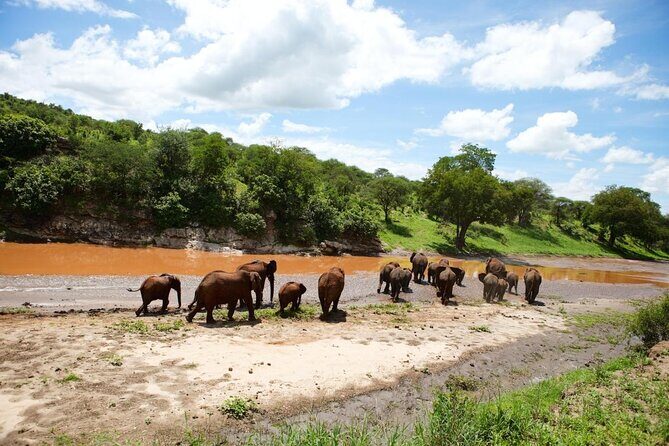
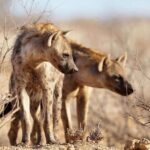
Walking in Arusha is a different kind of safari rhythm. The guide keeps you moving along a trail, and you’re looking for wildlife without the glassy safety of the vehicle. You can realistically expect animals like giraffes, zebras, antelope, buffalo, and monkeys such as black-and-white colobus, with the potential for elephants near the walking route depending on conditions.
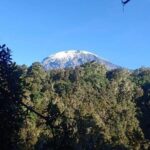
After lunch, you switch gears to something few people think to add: the canoe safari on Lake Momella. This is where you get a slower pace and more “sound and motion” in the experience. You’ll likely spot hippos and water-loving wildlife, plus birds, and you get spectacular views of Kilimanjaro and Meru from the water.
That water-based timing is a smart move because it balances the day. You get land safari intensity first, then a calmer second act that’s still wildlife-heavy. For many people, that’s the moment the trip stops feeling like a list of parks and starts feeling like a story.
Practical consideration: the day is long, and you’re already doing walking right away. If you’re coming off a travel day, plan to treat Day 1 as an acclimation day, not a “push through and party” day.
Lake Manyara: Flamingos in Season, Lions Close to the Vehicle, and Night Drive Time
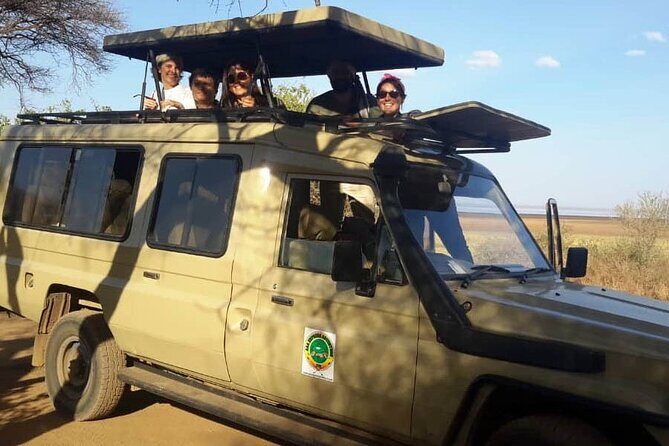
Lake Manyara is the park day that plays with contrast. You start with a morning game drive with picnic lunch packets, then shift into afternoon walking inside the park, and finish with an early dinner followed by a night game drive leaving around 20h00 for about three hours.
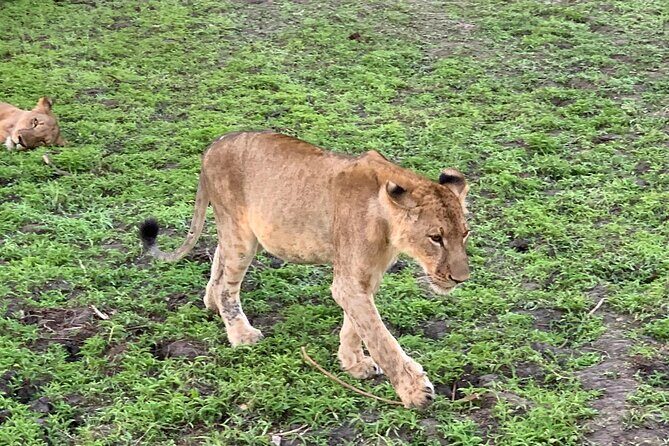
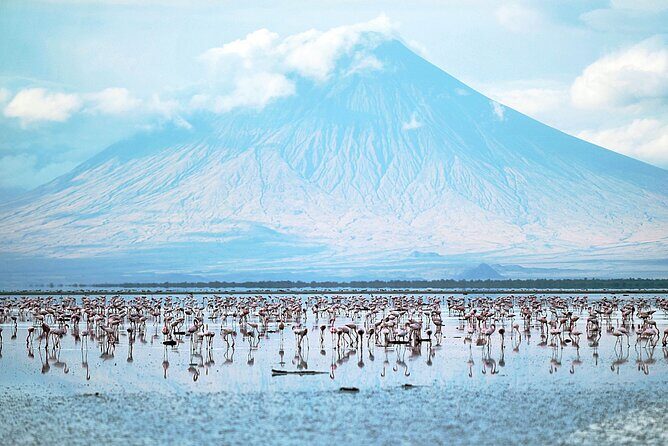
During the morning drive, you’re positioned for wildlife beside the safari vehicle: lions, hippos, antelopes, impalas, and zebras are all specifically part of what you’re hoping to see. Also, if you travel during the flamingo season, you can get Lake Manyara’s most famous look—flamingos feeding along the shore, turning the lake edge into a moving, living shoreline.
Then the day gets more personal. After lunch, you do a guided walking safari (normally with an armed ranger). Walking here is more than a “nice change.” It’s a way to break up the full-day vehicle pattern and slow down your attention. You notice bird calls, movement between trees, and the little signs predators leave behind.
At night, you’re back in the vehicle for the night drive. It’s not just “more driving.” It’s a different set of animals that come alive after dark, and your timing gives you a real chance to see behavior that daytime driving often misses.
Possible drawback: the walking portion plus the night drive means this is not a gentle day. If night driving makes you uncomfortable, you’ll still get plenty of wildlife earlier in the day—but be honest with yourself about your energy.
Serengeti: Sunrise First, Then Full-Day Game Drives for Migration Odds
Two days in Serengeti is where this trip earns its reputation. You arrive for an afternoon game drive and then you go back the next day for an early start.
On Day 3, you travel from Arusha region toward Serengeti with a lunch stop around 14:30 at Nabi Hill Gate. Along the way, you’re set up for landscapes and viewpoints, including a view toward the Ngorongoro Crater (without doing the crater game drive that day). Once in Serengeti, you do an afternoon wildlife session through sunset, then you reset for the next day with shower time and dinner at a public campsite.
Then Day 4 starts early—05:45am. You get breakfast box and picnic lunch boxes, and you head out for a sunrise game drive plus a full-day drive.
This is the day built around the big Serengeti themes:
- Wildebeest Migration opportunities, depending on the season
- hippo pools and crocodile-and-hippo neighbors in the same water systems
- lion prides that may gather in areas linked to migration movement
- Kopjes, those rocky outcrops that act like shelters and hunting-and-watching platforms
The reason the schedule works is simple: sunrise timing increases your odds of seeing animals actively feeding and moving, while the full-day block gives your driver guide time to reposition for what’s happening. In a private tour, that flexibility matters because you’re not forced to stick to a rigid group route.
If you’re the type who loves photography, this is also where you’ll feel the difference. The light and animal behavior line up better early, and you’re out long enough to catch multiple “moments,” not just one quick loop.
Practical consideration: Serengeti days are long and hot-cold swings can happen. You’ll want to accept that your body will be working with the game drive schedule.
Ngorongoro Crater: The 610-Meter Descent, Black Rhino Chances, and Crater Soda Lake
After Serengeti, you shift into Ngorongoro’s most dramatic change of scenery. On Day 5 you head to the rim for your Simba campsite, with a full game drive en route and picnic lunch. You pass through the Serengeti plains and can visit the Dr. Leakey Museum at Olduvai Gorge if you choose to.
That Olduvai detour is optional, but it’s a nice reminder that you’re not just chasing animals—you’re in one of the most important areas for understanding human and natural history. If you want the deeper context, take it. If you want more time watching wildlife, you can skip and stay focused on the scenery and game drive stops.
You also go past areas around Lake Magadi in the route pattern, with birdlife like flamingos, lovebirds, and kingfishers listed as part of what you might see.
Day 6 is the crater day that people talk about for a reason. You descend 610 meters into the crater floor for about 6 hours of game viewing with picnic lunch. Ngorongoro is packed with big names in wildlife, including the chance to see endangered black rhinos, plus lions, elephants, zebras, buffalo, and wildebeest.
The crater also has its own “bird moment”: the Soda Lake area, where you can see many species of birds including flamingos. And the food web is visible here. When prey is present, predators and scavengers move in: hyenas and jackals are specifically mentioned as scavengers you may see.
That 610-meter descent is not a small gimmick. It changes everything about what you’re observing—visibility, animal movement patterns, and how wildlife uses the crater’s natural bowl. You’re also more sheltered from certain wind patterns than you’d be higher up.
Practical consideration: going down and then doing a full crater-floor block means you’ll be tired afterward. This is a day where you should plan to be present and not rush your experience.
A few more Moshi tours and experiences worth a look
Ngorongoro Rim Walks: 17 km in Acacia Forest With Maasai Support
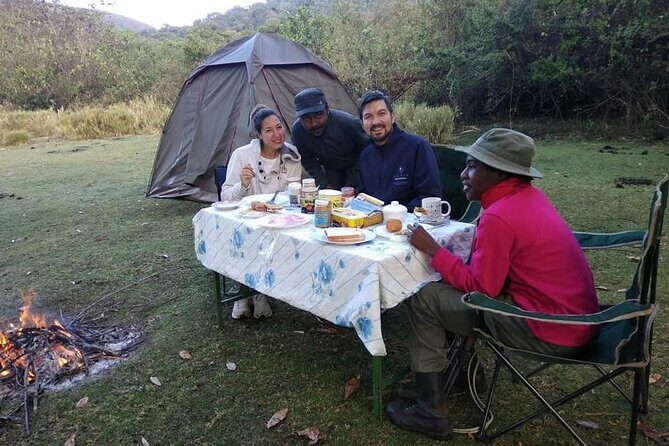
The Ngorongoro part of this safari is also unusually “active” for people who think crater equals just a vehicle. You do two rim walking days, both around 17 km, each with a support structure designed to make the hike manageable and safe.
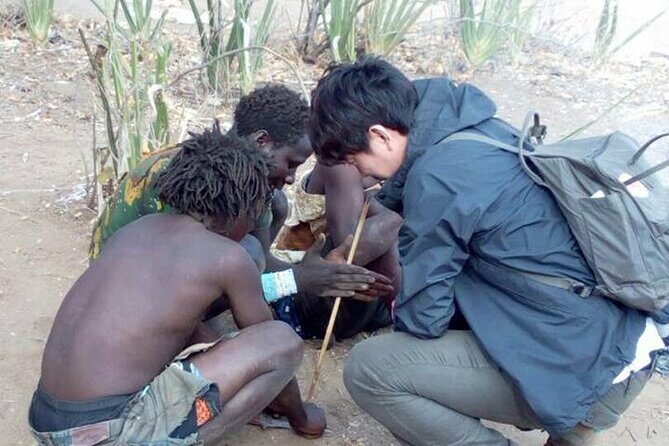
On Day 7, after breakfast you drive from the Simba campsite area to the start point on the northern rim. Then you begin walking through acacia forest with a Maasai warrior, donkeys to carry luggage, and an armed ranger. You’ll view the crater and watch for wildlife and birds—giraffes, zebras, wildebeest, bushbuck, plus different bird species are all listed as possible sightings.
Dinner and overnight are at Leianai Bush campsite.
Day 8 repeats the hiking concept, walking from Leianai to Ilkiepusi on the crater rim, again supported by Maasai warrior, donkeys, and an armed ranger. This stretch is listed as about 6–7 hours, with another full set of possible sightings from the rim top—buffalo, zebras, wildebeest, elephants, giraffes, plus birds.
Why this is valuable: you get a chance to see how the crater works from above. Vehicles are good at covering ground. Rim walking is good at understanding terrain, where animals might move, and where views open up. It also breaks up the repetitive vehicle days and gives your camera and your eyes a rest.
The key drawback is simple: you’re committing to real distance on foot. This safari is not a “mostly sit in the car” plan.
Tarangire National Park: Giraffes, Huge Herds, and Predators in One Long Day
Tarangire is where the safari shifts toward concentration and character. After breakfast, you do a short walk (about half a kilometer) then your car picks you up for a full day game drive with picnic lunches.
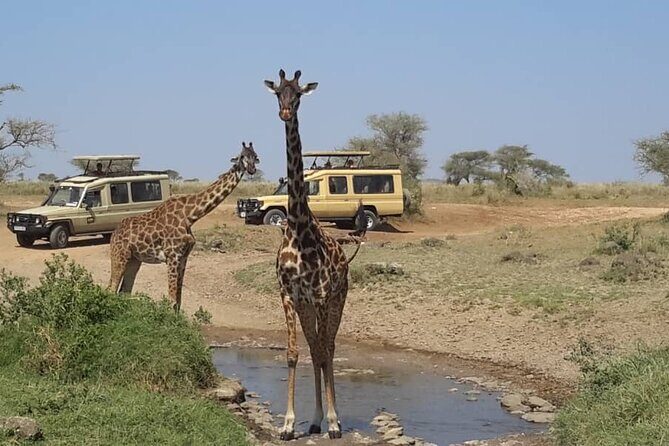
Tarangire is described as covering 2,600 square kilometers, and in dry times the animal numbers can be staggering. The plan gives specific example concentrations you might see in dry season: about 30,000 zebras, 25,000 wildebeests, 5,000 buffaloes, 3,000 elephants, 2,500 Maasai giraffes, and over 1,000 fringe-eared oryx (gemsbok). Predators that are specifically named include lions, cheetahs, and leopards.
You’ll also be dealing with birdlife: green wood hoopoes, Fisher lovebirds, white-bellied go-away birds, and giant kingfishers are listed as examples.
In a well-run safari, the day feels like this: you’re driving, you stop often, and you adjust your route based on what’s active. The value of ending with Tarangire is that you’re finishing with strong “numbers and variety,” especially the giraffe element and the herds.
You finish with a late evening drive back to Arusha for your hotel in Arusha Town.
Practical consideration: Tarangire is the final big day, so it’s smart to keep your expectations high but your body fueled. You’ll want enough energy for good long stops at sightings.
Price and Value: What $3,900 Covers (and What You Still Own)
At $3,900 per person for a private multi-day safari, you’re paying for three things that matter in Tanzania:
1) a dedicated driver/guide and private vehicle,
2) the full logistics of moving between parks with meals and camping support,
3) the cost of the activities and on-the-ground time blocks.
The tour includes parking fees, all activities, camping equipment, transportation, taxes/VAT, sleeping bag, drinks, and meals. Meal counts are also provided: lunch is listed for 8 days, dinner for 8 days, and breakfast for 7 days. That means you’re not repeatedly budgeting for food or scrambling for where you’ll eat between park days.
You’ll also want to notice what’s not included:
- International flights
- Roundtrip airport transfer
- Any extra accommodation before and after
- Bath towels
- Tips
- Personal items
- Any government-imposed increase of taxes and/or park fees
In other words, your big costs outside the safari are flights and anything you do before/after the loop, plus whatever personal spending and tipping you decide on. If you’re the kind of traveler who values predictability and wants fewer moving parts, this is a solid fit.
Guides, Service, and the Human Side You Actually Feel
Private safaris rise and fall on the people driving and guiding you. The provider behind this tour—AAA Express Adventure Ltd—has a track record of having team members who are patient and attentive.
From past experiences shared by guests with the same provider, names that come up include Peter (driver/guide), Sanga (driver/guide), Josef Igombe (guide), Emily (guide), and trip coordinator/manager Jalala, who handles arrangement and communication. You might also meet team members supporting meals and logistics in camp settings, and the names Coock-Zablon, Waiter-Thadheo, Poters, and San appear as staff referenced by guests.
You shouldn’t expect a “scripted” service. You should expect people who respond to what you want to focus on—more predator time, better photo positioning, or an easier pace on a walking day. That responsiveness is often the difference between a safari you remember and a safari you just completed.
Who Should Book This (and Who Should Rethink It)
This tour fits best if you:
- want a private northern circuit loop through Arusha National Park, Lake Manyara, Serengeti, Ngorongoro, and Tarangire
- like a mix of vehicle viewing plus walking safaris and one canoe safari
- are comfortable with long days and early starts, especially sunrise in Serengeti
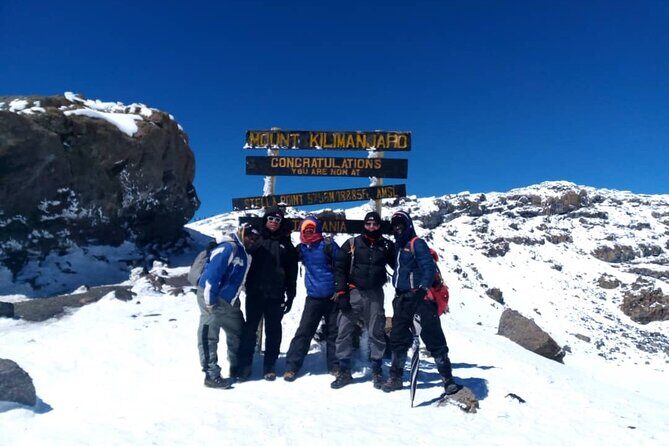
- have at least moderate physical fitness for the rim hikes and walking segments
You might rethink it if you:
- strongly prefer an all-vehicle safari
- don’t like camping and would be unhappy with multiple nights in camps (camp equipment and sleeping bag are provided, but the environment is still outdoors)
- need a low-activity schedule because walking distances are part of the design
Should You Book This Northern Circuit?
Yes, if your idea of a great safari includes more than just looking out from a vehicle. The walking safaris with armed ranger presence and the canoe safari on Lake Momella are unusual enough to make the week feel different from the standard “drive, stop, repeat” approach.
I’d book this trip if you want the full Northern Circuit storyline: Arusha first for close-to-the-ground wildlife, Lake Manyara for birds and lions and night driving, Serengeti for sunrise and big plains, Ngorongoro for that crater descent and rim hiking, then Tarangire to close on herds and giraffes.
But if you’re aiming for comfort-only sightseeing, you might feel the walking and early starts more than you’d like.
FAQ
What time is pickup on Day 1?
Pickup is offered from your hotel in Arusha town or from the airport at 08:30am.
Is this safari private?
Yes. It’s a private tour/activity, and only your group will participate.
What kind of walking activities are included?
You do guided walking safaris in parks like Arusha National Park and Lake Manyara, and you also hike along the Ngorongoro crater rim (17 km on two different days). These walks are described as normally accompanied by an armed ranger, and the Ngorongoro rim hikes also include Maasai warrior support and donkeys for luggage.
Do you do canoeing?
Yes. After lunch on Day 1, you take a canoe safari on Lake Momella.
How long is the crater game viewing?
You descend about 610 meters into Ngorongoro Crater floor for approximately 6 hours of game viewing with picnic lunch.
Is camping included?
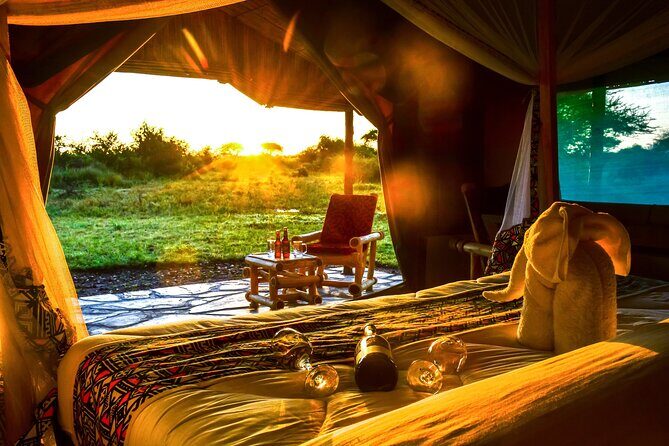
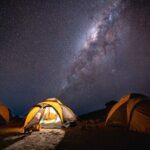
Camping equipment and a sleeping bag are included, and the overnight stays include camps such as Simba campsite (rim), Leianai Bush campsite, and Ilkiepusi Bush camp, plus a dinner and overnight at a campsite in Serengeti.
What meals and drinks are included?
Drinks, meals, and listed meal services are included. Lunch is included for 8 days, dinner for 8 days, and breakfast for 7 days.
What’s not included in the price?
International flights, roundtrip airport transfer, extra accommodation before and at the end of the tour, bath towels, tips, personal items, and any government-imposed increase of taxes and/or park fees.
What is the cancellation policy?
You can cancel up to 3 days in advance for a full refund. If you cancel less than 3 days before the experience start time, the amount you paid is not refunded.