REVIEW · ARUSHA
3 Days Tanzania Safari Tarangire, Manyara, & Ngorongoro Crater.
Book on Viator →Operated by Signature Safari · Bookable on Viator
Big cats in three parks, tight and efficient. This 3-day safari links Tarangire, Lake Manyara, and Ngorongoro Crater, so you can focus on sightings instead of juggling logistics.
What I like most is how much gets handled for you: meals and camp accommodation are included, which makes the long driving days feel less stressful. I also love the small-group setup (maximum 7 travelers), because it keeps the vibe friendly while still moving efficiently between parks.
One possible drawback: you’ll spend a lot of time in the safari vehicle. It’s part of the deal on safari, and this is also positioned as a budget-friendly package, so don’t expect the extra frills some higher-end tours advertise.
In This Review
- Signature Safari’s 3-Day Northern Circuit, Explained
- Price and What You’re Really Getting for $670
- Day 1: Lake Manyara National Park and the Pink-Bird Moment
- Day 2: Ngorongoro Crater Descent, Big-Five Odds, and a Picnic Lunch
- Day 3: Tarangire’s Baobabs, River Elephants, and Predator Chasing
- Camp Nights: What Comfortable Tents and Real Food Feel Like
- Guides: The Difference Between Seeing Wildlife and Understanding Wildlife
- What a Small-Group Safari Feels Like (In a Good Way)
- How to Prepare for Long Safari Days Without Burning Out
- Who This Safari Is Best For
- Should You Book This 3-Day Tanzania Safari?
- FAQ
- Which parks are included in this 3-day safari?
- How many people are in the group?
- How long is the safari?
- Does the tour include meals and accommodation?
- Is pickup offered, and do you use a mobile ticket?
- Are park admission tickets included?
- Where do you sleep during the safari?
- What is the cancellation policy?
- What if the safari is canceled due to weather or low participation?
Signature Safari’s 3-Day Northern Circuit, Explained
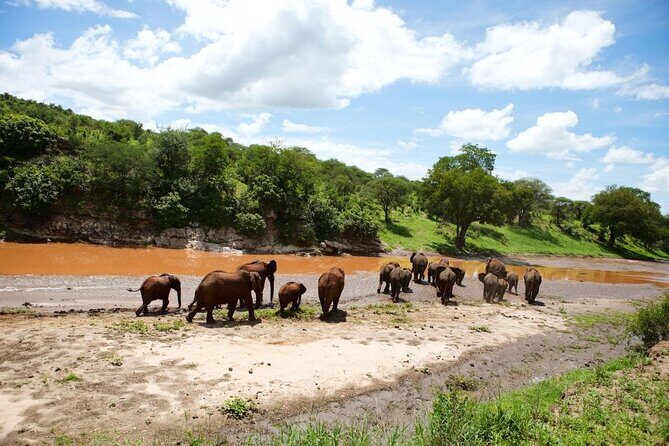
If you only have three days for Tanzania safari, this route makes a lot of sense. It’s built around the Northern Circuit triangle: Arusha area access, then Lake Manyara, then the dramatic drop into Ngorongoro Crater, and finally Tarangire before returning to Arusha.
The big value here isn’t just that you hit three famous places. It’s that the tour is structured so you’re not constantly coordinating between parks, lodging, and meals. You’re in a vehicle most days, sure, but you’re in the right kind of vehicle time—park time—rather than wasted time figuring out connections.
And the small group size matters more than you’d think. With a maximum of 7 travelers, you’re less likely to feel like you’re part of a moving crowd. You still get that “shared adventure” energy, plus better chances for your guide to keep track of what you’ve seen.
Price and What You’re Really Getting for $670
At $670 per person for about three days, this sits in the “practical and complete” category. You’re paying for a package that covers:
- Transport the whole way through the safari circuit
- Meals (so you’re not hunting food after early starts and long game drives)
- Accommodation in the provided camps
- Park access where the tour notes admissions as free on some days and included on the crater day
That structure is the main reason the price can feel reasonable. Many first-time safari costs creep up fast once you add separate lodging, transfers, and daily park fees. Here, you’re buying it as a bundle.
Is it the cheapest option in every scenario? Maybe not. But as a “do-the-safari-now” choice, it’s strong—especially because you’re also limiting group size to a small number, which often costs more with bigger operators.
A few more Arusha tours and experiences worth a look
Day 1: Lake Manyara National Park and the Pink-Bird Moment
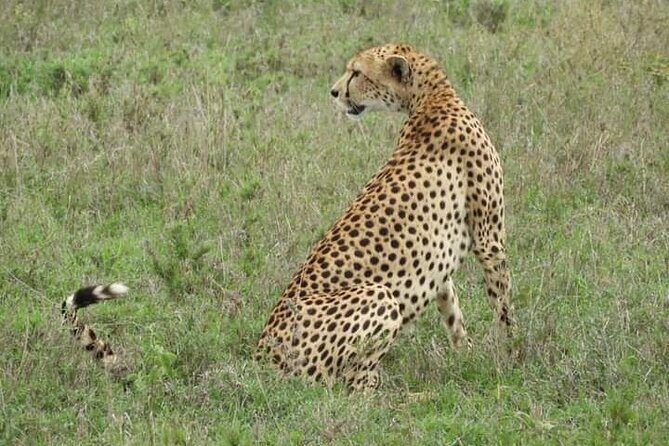
Lake Manyara is small compared to some of Tanzania’s big-name parks, but it’s known for diversity. You start the day with a short morning briefing, then head in for a game drive where you’re usually viewing from an open-roof setup. That matters: it helps you scan, spot, and photograph without constantly repositioning.
Here’s what makes Lake Manyara special:
- Flamingos: The shallow, alkaline Lake Manyara can be a seasonal home for thousands of flamingos, which gives you that unmistakable pink sightline.
- Birdlife: You can expect a long list of species beyond flamingos—over 500 bird species are noted for the area.
- Forest and woodland action: There are monkeys in the forests, and animals like giraffes, buffalo, zebra, and wildebeest on the plains.
- Predator potential in acacia woodlands: Lions and elephants are also part of the mix, especially where the habitat turns into acacia woodland.
What I’d pay attention to on Day 1 is how the ecosystem changes as you move around the park. Lake Manyara isn’t one “single scenery type.” You’re likely to see it shift from lakeside spectacle to bush-and-woodland foraging, and that’s where sightings can get sudden.
One practical note: because the park holds many different habitats, you may not see everything in one “type” of area. You’ll want patience. A few slow stretches can turn into excellent viewing once you’re in the right spot.
Day 2: Ngorongoro Crater Descent, Big-Five Odds, and a Picnic Lunch
Day 2 is built around the headline feature of this whole itinerary: Ngorongoro Crater.
This is an area you drive into—then you descend. The crater is described as nearly 600 meters deep and about 20 km wide. That kind of depth changes animal behavior because you’re effectively working inside a natural amphitheater. Food and water patterns tend to concentrate wildlife, and that can make game drives feel productive.
During the drive, the possible highlight is the chance at the Big Five:
- lion
- elephant
- buffalo
- rhino
- leopard
The tour also flags other wildlife possibilities like spotted hyenas and rare wild dogs, plus a wide range of bird species (again, over 500 is noted for the area). So even if the Big Five doesn’t line up perfectly, you’re still in a place where animal variety can be strong.
A detail I really like: you stop for a picnic lunch in the crater. It’s one of those “simple but memorable” safari elements—because you’re not just driving past the crater’s drama. You’re taking a pause inside it.
What to consider: Day 2 starts early. That’s good for wildlife viewing, but it also means you’ll be mentally prepared for a long day. Bring your energy, and think of this as your “main game” day.
Day 3: Tarangire’s Baobabs, River Elephants, and Predator Chasing
Tarangire is the final park, and it brings a different feel from the crater. Instead of one dramatic caldera, you get grasslands, huge baobab trees, and seasonal swamps tied to the Tarangire River.
The river is a key reason this day can pay off. Because it’s described as perennial, animals gather there. The tour notes you should have strong odds of seeing the largest elephant herds in northern Tanzania.
Expect to look out for:
- elephants (the main story)
- giraffes
- bushbucks
- hartebeests
- dik-diks and waterbucks
- warthogs and reedbucks
- buffalo, zebra, and wildebeest
Then you wait for the “follow the food” chain: predators like lions can show up because they’re often tracking those herbivore groups. Leopards are possible but described as less consistent, and cheetahs are flagged as rare sightings.
I like Tarangire as a closer because it gives you variety in your final day. You’re not only chasing one species or one habitat. You’re moving through an area where elephants, birds, and predators all have logical places to show up.
Camp Nights: What Comfortable Tents and Real Food Feel Like
Safari days are long, so camp quality matters more than most people expect. On this tour, you stay in camps provided by the operator, and the experience is described in practical, “you’ll sleep and eat well” terms.
From past trip accounts tied to this safari company, the common themes include:
- Comfortable camp setup, including tents with cots
- A relaxing dining room, not just a rushed meal
- Clean camp facilities
- Food that gets genuine credit, including praise for a chef named Ben
That chef detail is more important than it sounds. When you’re eating well during three long days, you feel better during the game drives. And when you’re comfortable at night, you wake up ready to start early without dreading the day ahead.
What to consider: camps in safari zones can be basic compared to city hotels. This package is built for the safari, not luxury amenities. Still, the feedback you have points to camps that feel organized and clean, with solid comfort for sleeping.
A few more Arusha tours and experiences worth a look


Guides: The Difference Between Seeing Wildlife and Understanding Wildlife
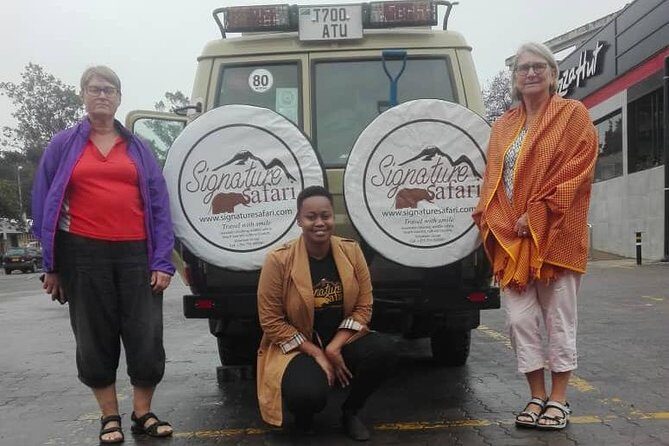
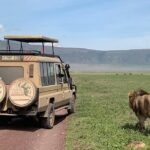
Safari guides don’t just drive. They scan, interpret, and decide where to go next. That’s why this tour’s guide team shows up again and again in the best parts of trip accounts.
You may meet guides including Malaki, Norelle, and Isaac, and the operator contact Innocent has also been mentioned for good communication in advance. The standout behaviors described include:
- finding animals hidden in grass with an eagle-eye approach
- staying patient as the day moves along
- taking enough time after spotting wildlife to let you actually watch and process it
- giving clear communication before and after the safari
If you’re the kind of person who cares about why an animal is where it is—why a herd is grouped, or why a predator might be waiting—you’ll likely appreciate a guide who explains what they’re seeing.
Also, there’s a real benefit to sharing the vehicle with a small group. Your guide can keep the whole group together while still staying focused on sighting quality.
What a Small-Group Safari Feels Like (In a Good Way)
With a maximum of 7 travelers, this tour hits a sweet spot. You get:
- a social vibe where it’s easy to talk and share sightings
- less chaos than large buses
- more flexibility for your guide to manage the group during quick moments of action
It’s not “private safari,” so don’t expect total control over every minute. But it’s intimate enough that you’re not lost in a huge crowd. For many people, that’s exactly what makes it enjoyable.
If you’re traveling with friends, it’s also a relief that the itinerary is already planned. You can focus on wildlife rather than on “what do we do next?”
How to Prepare for Long Safari Days Without Burning Out
This tour is packed with prime game viewing time across three parks, which means you’ll likely spend many hours on the vehicle during each day. One note from past experiences: it can feel like you’re up on the truck trying hard to see animals at times.
Here’s how you can make that easier:
- Dress in layers. Mornings can feel cooler; days can warm up fast.
- Protect your eyes and skin. Sun is serious in open-country safari settings.
- Keep your camera ready, but don’t spend every moment looking through a lens. Sometimes the “first real look” happens when you lower the camera and watch behavior.
- Plan for patience. The best sightings often come after stretches of scanning.
And mentally, aim for the right goal. On safari, you’re not just hunting one animal. You’re learning the rhythm of wildlife: herds move, predators wait, birds react, and the landscape changes across short distances.
Who This Safari Is Best For
This 3-day circuit is a strong match if you:
- want a complete safari in limited time
- prefer a small group over big tours
- like having meals and camp setup handled
- want a realistic chance at Big Five sightings, especially with Ngorongoro as your centerpiece
- are okay with a “long day on safari” style of travel
It’s also a good fit if you’re pairing this with other Tanzanian adventures, because it helps you check off three iconic wildlife settings without dragging your trip into a week.
Should You Book This 3-Day Tanzania Safari?
I’d book it if your top priority is a well-organized three-day safari that covers Lake Manyara, Ngorongoro Crater, and Tarangire without you building the puzzle yourself. The small group size, included meals and camps, and the crater-focused route all point to strong value at $670.
Skip it (or adjust your expectations) if:
- you want maximum comfort and minimal time on the vehicle
- you’re looking for luxury-style service extras
- you’re sensitive to early mornings and long game-drive days
If you’re ready to trade “extra amenities” for real wildlife time, this itinerary is one of the most sensible ways to do Tanzania fast.
FAQ
Which parks are included in this 3-day safari?
You’ll visit Lake Manyara National Park, Ngorongoro Crater (Ngorongoro Conservation Area), and Tarangire National Park across the three days.
How many people are in the group?
The tour is limited to a maximum of 7 travelers.
How long is the safari?
It runs for 3 days (approx.).
Does the tour include meals and accommodation?
Yes. Meals are taken care of, and accommodation in camps is provided.
Is pickup offered, and do you use a mobile ticket?
Pickup is offered, and the tour includes a mobile ticket.
Are park admission tickets included?
Admission is noted as free for Lake Manyara and Tarangire days, and included for the Ngorongoro Crater day.
Where do you sleep during the safari?
You stay in camps provided as part of the tour.
What is the cancellation policy?
You can cancel up to 3 days in advance for a full refund. If you cancel less than 3 days before the experience starts, the amount paid is not refunded.
What if the safari is canceled due to weather or low participation?
The experience requires good weather. If canceled due to poor weather, you’ll be offered a different date or a full refund. It also requires a minimum number of travelers; if that minimum isn’t met, you’ll be offered a different experience/date or a full refund.