REVIEW · MOSHI
Big Five Safari In Tanzania
Book on Viator →Operated by Savannah Explorers · Bookable on Viator
One look at the route and you get why people keep returning to Tanzania. This 7-day Big Five safari is built around major sightings zones, driven by a 4×4 safari setup with a pop-up roof and binoculars, plus guides who stay with you throughout. I like that the plan is serious about time on the ground (unlimited mileage during game drives) and also keeps comfort in mind (drinks, fridge, and water on the jeep). One thing to consider: at this price point, you’re paying for a full, efficient safari package, so you’ll want to be okay with long driving days and the reality that wildlife spotting is never 100 percent guaranteed.
A lot of the value comes from the details: full board meals, picnic lunches during park days, and AMREF Flying Doctors air medical evacuation insurance (500 Km radius). I also like the flexibility angle, since the safari is designed as tailor-made based on what you want to prioritize. As for a possible drawback, the tour is non-refundable and can’t be changed once booked, so double-check your dates before you sign on.
In This Review
- Key highlights I’d plan around
- Why This Big Five Safari Works So Well Starting From Moshi
- The Safari Vehicle and Guide Setup You Want in Tanzania
- Day 1: Kilimanjaro Airport to Karatu Lodges and Your First Night
- Day 2: Tarangire National Park for Elephants, Baobabs, and Predators
- Day 3: Lake Manyara’s Different Worlds and Lions That Climb
- Days 4 and 5: Serengeti Game Drives From Gate Time to Full-Day Searching
- Day 6: Ngorongoro Crater Descent for Dense Animal Country
- Day 7: Returning to Arusha or Kilimanjaro With One Last Chance to Enjoy
- Price and Logistics: Is $3,750 Good Value Here?
- Comfort, Timing, and What to Expect Day-to-Day
- Who This Safari Suits Best
- Should You Book Big Five Safari In Tanzania With Savannah Explorers?
- FAQ
- Where does the safari start and what time does it begin?
- How long is the safari?
- What parks are included on this safari?
- Do you get pickup from the Kilimanjaro area?
- What’s included in the safari meals?
- What kind of safari vehicle do you use?
- Is admission to the parks included?
- Is AMREF Flying Doctors insurance included?
- What is not included in the price?
- Can you change or get a refund if plans shift?
Key highlights I’d plan around
- Unlimited mileage game drives so the driver can chase action when animals move
- 4×4 Land Rover or Toyota Land Cruiser with pop-up roof, binoculars, fridge, and inverter
- Full board with drinks and mineral water, plus picnic lunches on game-drive days
- AMREF Flying Doctors insurance for air evacuation within a 500 Km radius
- Big-name guide support you’ll see repeatedly in past trip experiences, including guides like Sokio, Thomas, Gerry, Sultan, John, Daudi, Felix, and Maulid
Why This Big Five Safari Works So Well Starting From Moshi
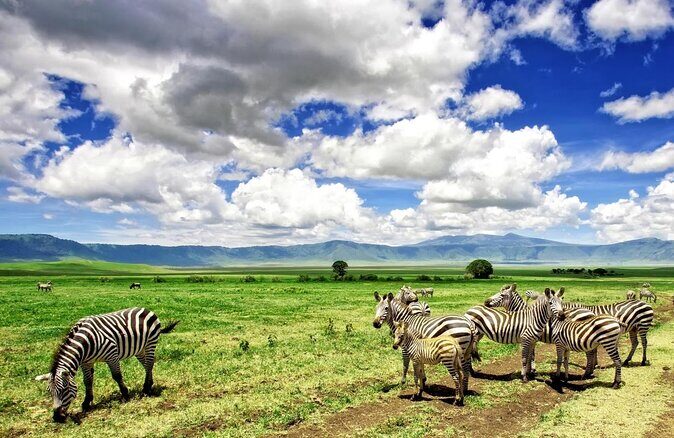
If you’re doing a first Tanzania safari, location matters. This trip starts around Moshi and the Kilimanjaro area, then funnels you into a classic northern circuit. You get the variety that makes safari photos look like they belong in different worlds: river elephant country at Tarangire, forest-and-lake energy at Lake Manyara, the huge Serengeti plains, and then the Ngorongoro Crater bowl.
What I like most is that the route is arranged to keep you in the best places for wildlife without wasting the days bouncing back and forth. Instead of one park and a lot of transit, you’re getting back-to-back game drives, including a full Serengeti day run plus a second day to keep searching. That second chance is huge in the Serengeti, where animals can be anywhere, anytime, and often not where you’re standing five minutes ago.
Now, the practical note: a “Big Five” safari is an objective, not a promise. You can do everything right—good vehicle, smart guide, the right timing—and still have the bush decide to be moody. The upside is that the itinerary is built for large-animal country, so your chances are real.
A few more Moshi tours and experiences worth a look
The Safari Vehicle and Guide Setup You Want in Tanzania
This is not the kind of safari where you ride around in a regular van and hope for the best. The vehicle is a 4×4 Land Rover or Toyota Land Cruiser with a pop-up roof, so spotting stays easier when you’re sitting higher than the grass line. You also get binoculars, and the jeep includes practical comfort items like a fridge, inverter, and complimentary drinks and water.
The guide model is also important. Your professional guide is with you the whole time, which matters because wildlife viewing is a skill, not a lucky accident. A good guide reads the land: tracks, movement patterns, wind direction, and how animals tend to cluster in different habitats. When you see past guide names like Thomas, Gerry, Sultan, and Maulid showing up across experiences, that’s usually a sign they’re staffing real guides—not just moving people from point A to point B.
Also watch for the early morning option. The safari offers you the chance to experience an early morning game drive. Even if you don’t love waking up fast on vacation, this is often when animals are most active and the light is better for viewing.
Day 1: Kilimanjaro Airport to Karatu Lodges and Your First Night
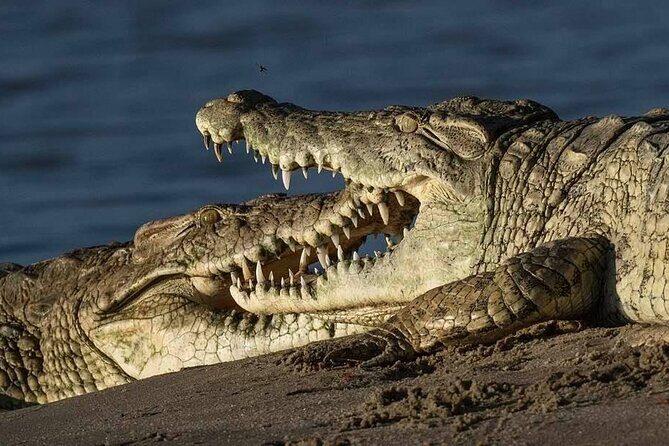
Day 1 is a transfer day, but it’s not totally empty. You’re picked up at Kilimanjaro airport and taken to Karatu by private car for about three hours, with a possible stop at a local market on the way if you have time. If not, you’ll likely just check in, shower, and reset for safari mode.
Your overnight is at one of these: Farm of Dreams Lodge, Marera View Lodge, or Kudu Lodge. You’ll have dinner and sleep there, which is a smart buffer before you start the longer park drives. It also gives you time to get organized—charge your phone, sort camera gear, and get used to safari timing (which is not the same as city timing).
A small practical tip: on day one, don’t plan anything ambitious after dinner. Safari days start early and run long, and you’ll feel it if you try to squeeze in extra activities.
Day 2: Tarangire National Park for Elephants, Baobabs, and Predators
Tarangire is one of Tanzania’s best “first big safari park” choices. You go from Karatu to Tarangire in about an hour, then settle into game drive mode. You’ll have a picnic lunch in the park and a full day to explore.
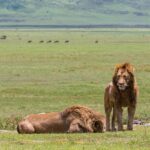
Tarangire’s reputation is built on three things: big herds of elephants, massive baobab trees, and a high presence of predators. That mix matters because it gives you both spectacle and the chance to watch animal behavior. When you’re in elephant country, you can often spot a lot quickly—paths, dust, calls, and the way groups move toward water.
This day also tends to set your expectations for what Tanzania safari feels like: slow enough to notice details, but long enough to stay patient. You’re typically looking at around eight hours in the park. That’s a good rhythm for a first-time safari, because you’re not stuck in a quick “hit and run” drive.
Day 3: Lake Manyara’s Different Worlds and Lions That Climb
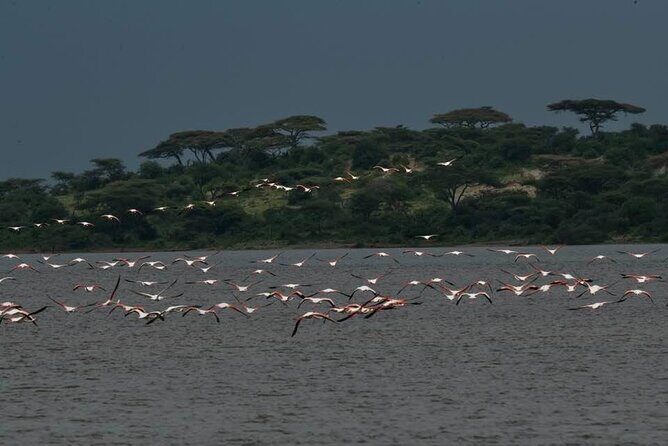
Lake Manyara is shorter transfer time from Karatu—about 40 minutes—so you’re already in the park before you’ve fully switched off from sleep. After breakfast you head in for a game drive with picnic lunch.
Lake Manyara’s big selling point is biodiversity. The park includes different environments: the lake area, forest patches, and plains. That means your animal sightings can change as the terrain changes. You might start in one habitat and quickly find yourself in another where animals behave differently.
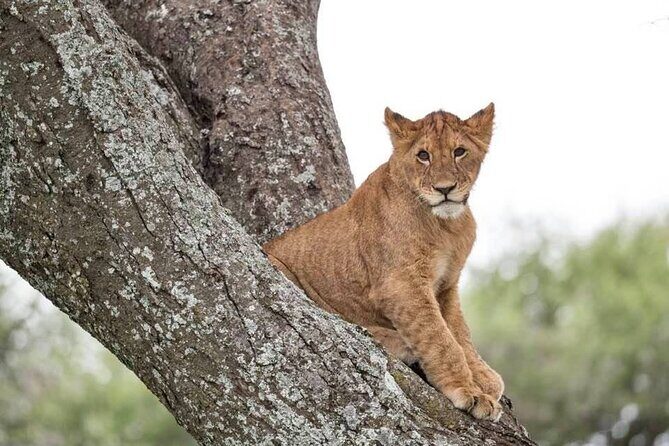
The highlight that people remember is the lions that climb trees. The basic idea is that they don’t like wet soil because of underground springs, so you can sometimes see unusual lion behavior compared to other ecosystems. It’s also known for primates and birds, so if you like more than just the big cats, this is a strong day.
This day runs about eight hours, and you return to one of the same Karatu lodges for dinner and overnight.
Days 4 and 5: Serengeti Game Drives From Gate Time to Full-Day Searching
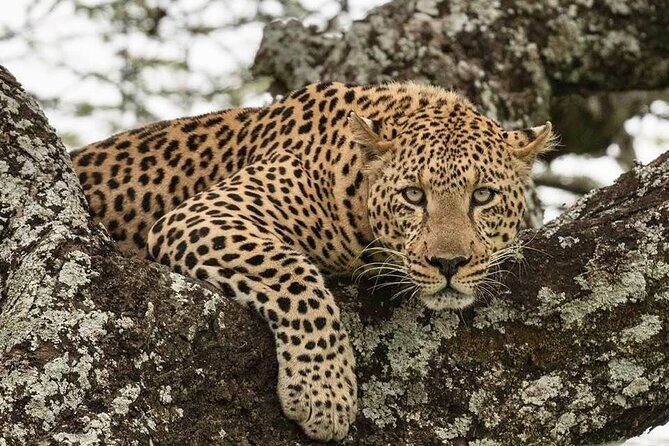
These are your biggest safari days. Day 4 starts with leaving Karatu, then crossing Ngorongoro Conservation Area to reach the Serengeti gate. The drive is about three hours, and then game drive begins. You’ll spend roughly eight hours on the first Serengeti day.
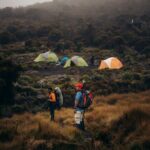
The accommodation for these nights is tented safari style: Tanzania Bush Tented Camp, Kenzan Serengeti Tented Camp, or Mbugani Tented Camp. These aren’t “rough it” setups in the way some people fear. Tented camps can be comfortable, and they keep you close to the action at a safari pace.
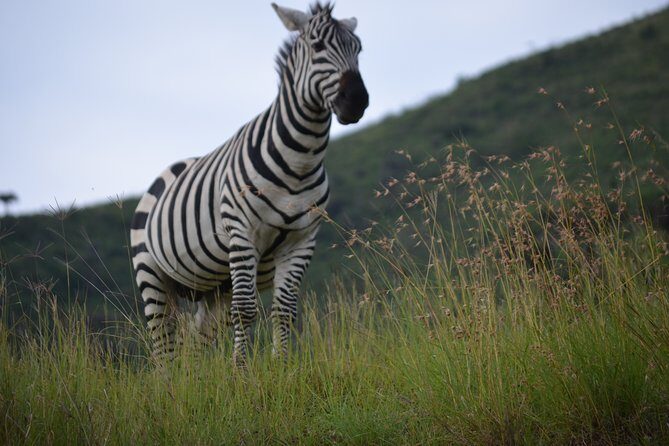
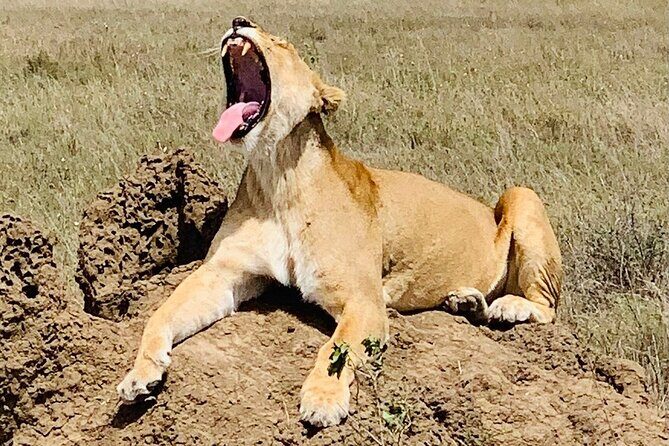
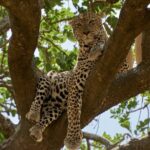
Serengeti is the headline for a reason. It’s massive savannah country with lions, leopards, cheetahs, giraffes, elephants, and more. The key thing I’d tell you to expect is not just animals, but movement. Serengeti sightings often come from scanning and waiting. A strong guide will keep you positioned where game is likely to appear, then shift as needed when the animals change direction.
Day 5 is another Serengeti day, longer—around ten hours. That extra time is valuable. Big cats can be present and still hard to spot in open country. With a second day, you’re more likely to catch behavior: hunting attempts, stalking moments, and those brief times when the bush pauses just long enough for you to get the shot.
Day 6: Ngorongoro Crater Descent for Dense Animal Country
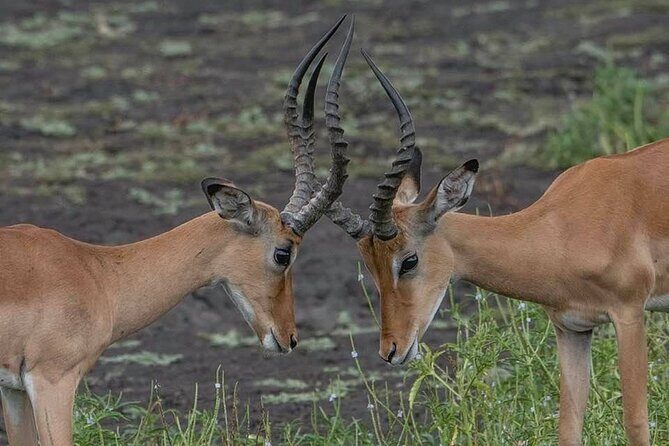
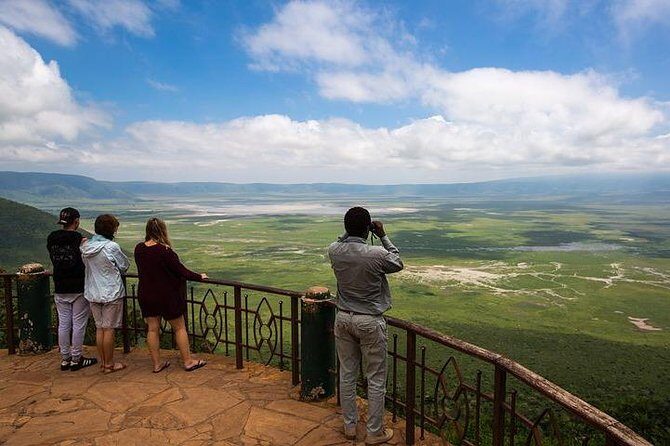
Ngorongoro Crater is one of those places where the word “wow” is almost too small. You drive from Serengeti to Ngorongoro Conservation Area in about two hours, then descend into the crater for a game drive with picnic lunch. You’ll spend around seven hours on this day.
The crater matters because of density. The Ngorongoro area is known for a high concentration of wild animals, which means your odds for serious sightings improve when you’re in one defined viewing bowl. Another important context piece: Maasai communities and livestock share the conservation area with wildlife. That mix can make you feel the geography here isn’t just about safari tourism—it’s also about living alongside the ecosystem.
This is also a day where you should take breaks from the camera to just watch. In a place like Ngorongoro, the best moments are often quiet ones: a slow approach, a stare-down, or a herd settling in while you’re trying not to breathe too loudly.
Day 7: Returning to Arusha or Kilimanjaro With One Last Chance to Enjoy
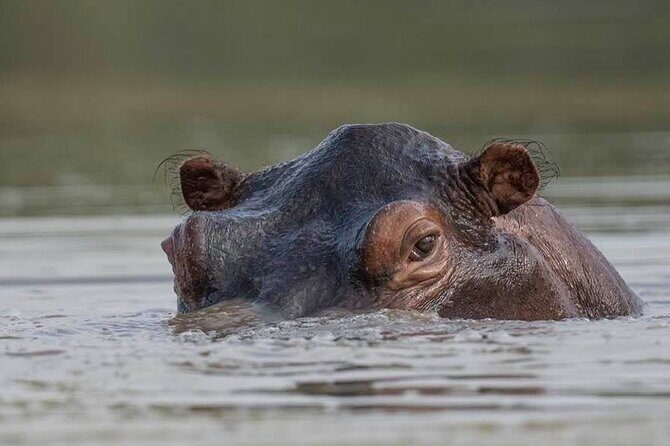
On Day 7, you head back toward Arusha or Kilimanjaro airport. The transfer is about two to three hours. After breakfast, you can relax at the lodge or shop in town if you have time.
This “soft landing” is a smart design choice. After several days of intense game drives, you want a calmer final morning instead of a rushed sprint through more parks. You’ll end back at the general Kilimanjaro/Moshi meeting area, depending on which airport you’re using.
If you’re the kind of traveler who likes to leave with a souvenir or two, this is where it can happen. Just keep it simple: don’t burn time bargaining when you’re already packed for travel.
Price and Logistics: Is $3,750 Good Value Here?
At $3,750 per person for about seven days, this isn’t a bargain-basement safari. But it’s also not priced like a luxury only-for-ads fantasy. The main question is what you’re buying, and the package is built around the things that usually cost real money on safari.
Here’s the value picture from what’s included:
- 4×4 safari vehicle with pop-up roof, binoculars, and on-jeep drinks and water
- Professional guide with you the whole time
- Park access handled via admission tickets marked as free or included across the key park days
- Full board meals (breakfast, lunch, dinner counts are included) and picnic lunches during game drives
- AMREF Flying Doctors air medical evacuation insurance for a 500 Km radius
- Unlimited mileage during game drive, which can be a big deal when animals move
- Tailor-made approach so your preferences can shape the plan
What’s not included is your international flight. So you’ll still need to budget for getting to the region.
My practical take: this price can feel fair if you want a smooth, organized safari with minimal friction. It can feel steep if you plan to make safari flexible on your own or you’re mainly chasing a one-park itinerary. If you want multiple parks in a tight window, this structure is exactly the point.
Comfort, Timing, and What to Expect Day-to-Day
Safari comfort is mostly about expectations and small daily habits.
You’ll be in a safari vehicle most of the time. The pop-up roof helps for viewing, but you should still dress for long hours: light layers, something warm enough for early start air, and rain protection in case the sky does what it likes. Since drinks and water are included on the jeep, you won’t be left scrambling for hydration.
Meals are part of the value. Breakfast, lunch, and dinner are included, and you’ll have mineral water plus complimentary drinks. Some days include picnic lunches while you’re out driving, so you’re not constantly breaking your game drive rhythm to hunt for food.
Also, the tour is described as private, meaning it’s only your group. That can help keep the pace aligned with your preferences instead of being stuck in a one-size-fits-all crowd schedule. At the same time, the tour offers group discounts, so if you’re traveling with friends or family, there’s a chance you can soften the per-person cost.
Who This Safari Suits Best
This safari is a strong match if you:
- Want a classic northern Tanzania circuit with a serious chunk of time in Serengeti and Ngorongoro
- Prefer a private setup with one guide staying with you
- Like a guided approach that improves your odds of seeing more animals, not just driving past them
- Value included support like AMREF Flying Doctors evacuation coverage
It may feel less ideal if you:
- Hate long days on the road and in the vehicle
- Want strict guarantees about every Big Five animal (nobody can honestly guarantee that in the wild)
- Are very date-flexible, since changes aren’t permitted once booked
Should You Book Big Five Safari In Tanzania With Savannah Explorers?
I’d book if your top goal is a well-run, high-sighting-chance safari across Tarangire, Lake Manyara, Serengeti, and Ngorongoro, with a real guide and a vehicle designed for game viewing. The big reason is simple: you’re not just buying travel. You’re buying time in the right habitats, plus the practical extras that make long days easier—drinks, water, and picnic lunches—and air evacuation insurance.
If your dates are firm, your budget is realistic, and you’re okay with wildlife being wild, this looks like a strong plan.
FAQ
Where does the safari start and what time does it begin?
The start point is Mount Kilimanjaro, Tanzania, and the start time is 8:00 am.
How long is the safari?
The duration is 7 days (approx.).
What parks are included on this safari?
Tarangire National Park, Lake Manyara National Park, Serengeti National Park, and Ngorongoro Crater in the Ngorongoro Conservation Area are included.
Do you get pickup from the Kilimanjaro area?
Yes. Pickup is offered, and the first day includes picking up customers at Kilimanjaro airport and transferring to Karatu.
What’s included in the safari meals?
Breakfast, lunch, and dinner are included (6 of each is listed), plus some picnic lunches during park days, mineral water, and complimentary drinks.
What kind of safari vehicle do you use?
The safari vehicle is a 4×4 Land Rover or Toyota Land Cruiser with a pop-up roof, binoculars, a fridge, an inverter, and complimentary drinks and water on the jeep.
Is admission to the parks included?
Admission tickets are shown as free or included across the park days in the plan.
Is AMREF Flying Doctors insurance included?
Yes. AMREF Flying Doctors air medical evacuation insurance is included for a 500 Km radius.
What is not included in the price?
International flight is not included.
Can you change or get a refund if plans shift?
This experience is non-refundable and cannot be changed for any reason. If you cancel or ask for an amendment, the amount you paid will not be refunded.