REVIEW · ARUSHA NATIONAL PARK
Arusha National Park Full-Day Safari
Book on GetYourGuide →Operated by Adventure Bats · Bookable on GetYourGuide
Big wildlife moments happen fast here. This full-day Arusha National Park safari is built for Mt. Meru country and keeps you moving with two game drives.
What I like most is the mix of sightings you can actually plan for: I love that you’re aiming for monkeys, buffalo, giraffes, zebras, and often elephants in the same day. One guide can help you read the habitat so you notice more than just what’s standing still.
And I also like the human pace: you get lunch on-site, plus time to reset before the afternoon search. If you’re lucky with your guide, like Moses, the day feels personal and focused, not rushed. One consideration: big animals are never guaranteed, and leopards are around but rarely seen.
In This Review
- Key things that make this safari worth your time
- Arusha National Park: a one-day safari built around Mt. Meru
- Two drives, one day: how the timing works
- Morning game drive: zebras, buffalo, and the monkey zone
- A realistic note on rare big cats
- Lunch by a lake inside the park: why this stop is more than a break
- Afternoon game drive: where the chances often sharpen
- Van vs safari vehicle: the fig tree detail that actually changes your odds
- What wildlife you should expect to see (and what not to force)
- Mt. Meru foothills: why the setting shapes the wildlife
- The guide experience: what makes it feel personal
- Price and value: is $195 per person fair?
- Who this safari suits best
- Practical tips to make your sightings better
- Should you book Arusha National Park for a full day?
- FAQ
- How long is the Arusha National Park full-day safari?
- Where does pickup happen?
- Does the tour include park fees and entry ticket?
- Is lunch included?
- What wildlife can I expect to see?
- Are there big-five chances?
- What vehicle options are available?
- What languages is the guide available in?
- Is water provided?
- Is this safari wheelchair accessible?
Key things that make this safari worth your time
- Two 3-hour guided game drives in prime morning and afternoon viewing hours
- Lunch inside the park by a lake, so you’re not driving out to eat
- A real shot at seeing three big-five animals, but with honest expectations for rare sightings
- Mt. Meru foothills habitat: forest edges, grassland, and wildlife that uses both
- Choice of van vs safari vehicle, with the safari vehicle able to reach places the van can’t (like the fig tree)
Arusha National Park: a one-day safari built around Mt. Meru
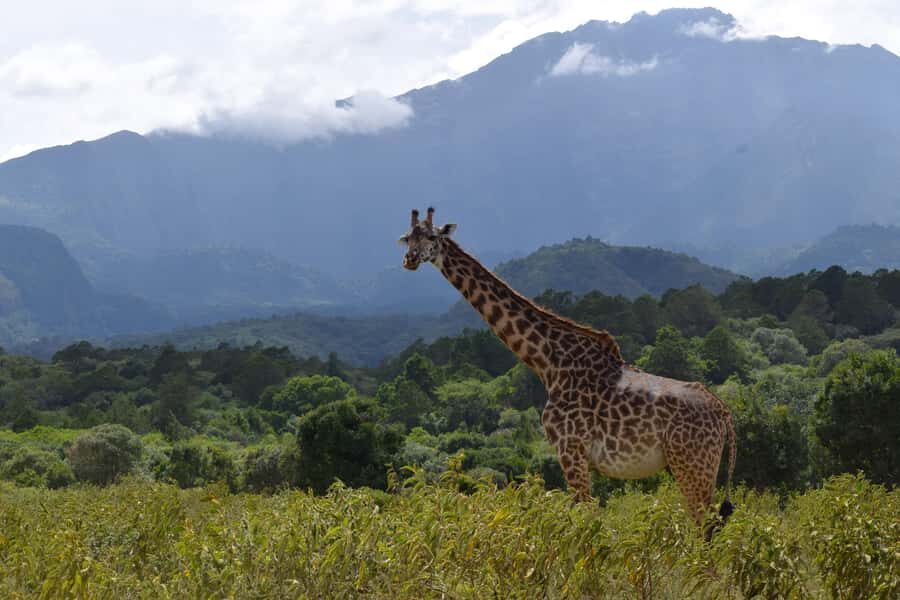
Arusha National Park is close enough to make a full day feel realistic, but it still feels like you’ve stepped into real bush. The park sits at the base of Mt Meru, and that shape matters. You get habitat variety packed into a short drive: forest and woodland edges where monkeys work the trees, plus open grassland and water spots that bring in bigger grazers and browsers.
This is the kind of safari where you start paying attention to “where wildlife tends to be” rather than waiting for a lucky miracle. A good local guide helps you connect tracks, calls, and the terrain to what you’re likely to see next.
A few more Arusha National Park tours and experiences worth a look

Two drives, one day: how the timing works
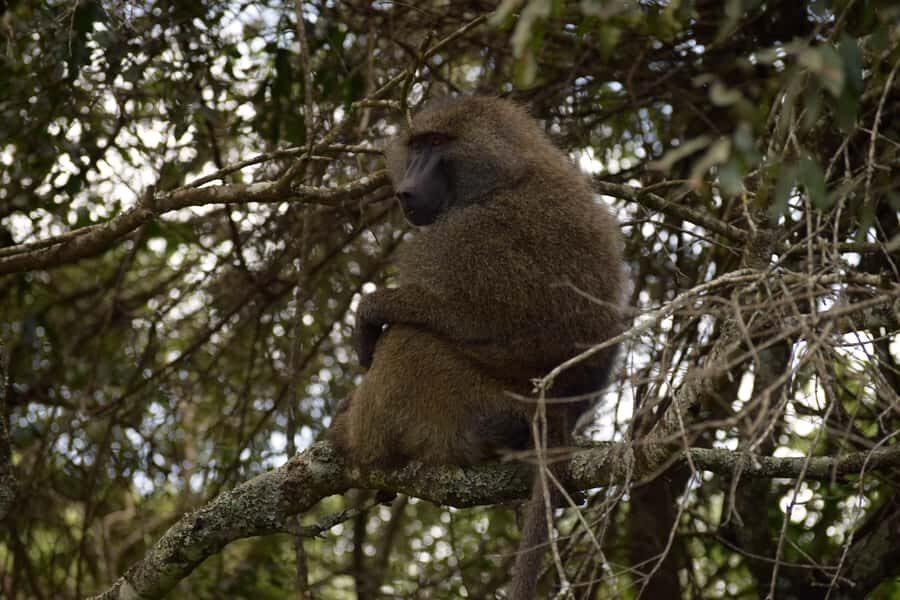
Your day runs about 8 hours total, with hotel pickup and drop-off in Arusha, plus time inside the park. The flow is simple and practical: a morning drive, then lunch in the park, then a second drive before heading back.
That rhythm is smart for two reasons:
- Animals often move and feed at different times of day, so two drives widen your odds.
- You’re not stuck in one long stretch of staring. Breaks keep your eyes sharp, and you’ll notice more when the afternoon drive starts.
You’ll also feel the value in the pace: it’s long enough to matter, but not so long that you’re exhausted by the time the best sightings tend to happen.
Morning game drive: zebras, buffalo, and the monkey zone
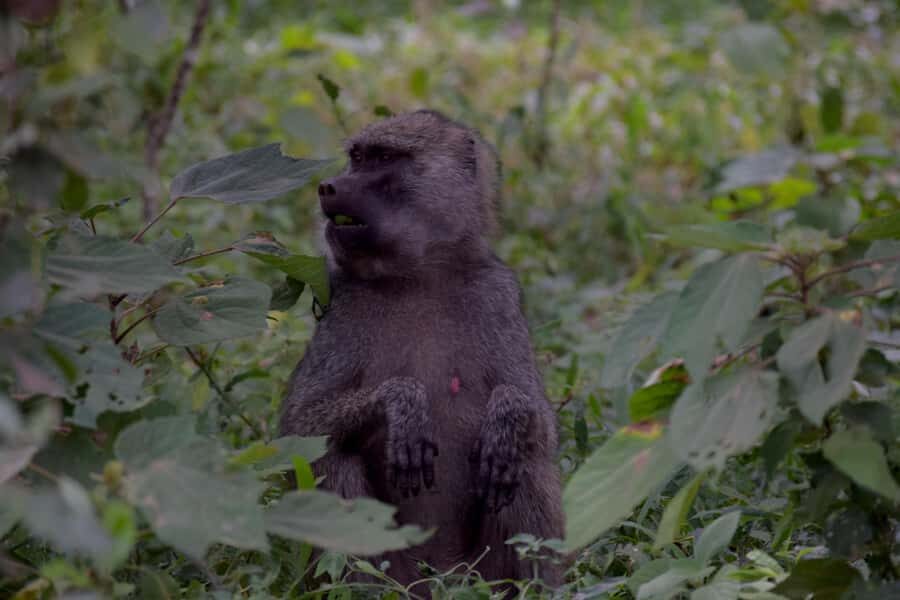
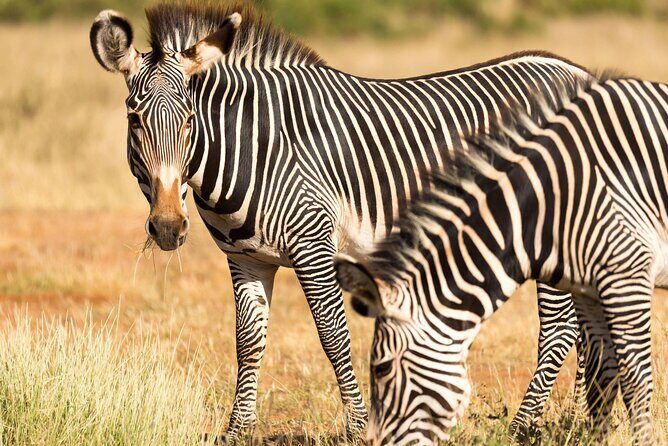
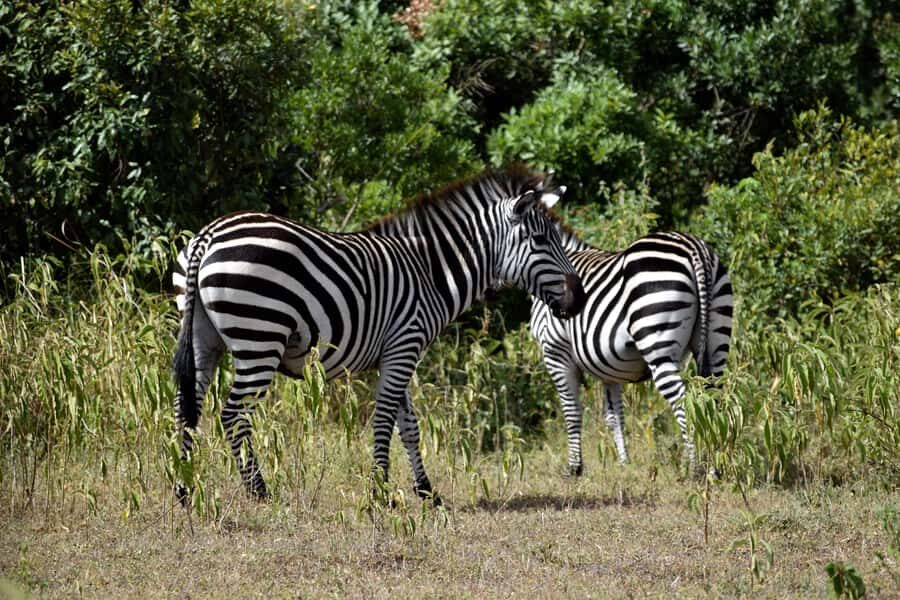
The morning is your start-from-scratch window. You’re deepening your search right away for park staples like giraffes, Cape buffalos, zebras, and warthogs. This park also has a strong monkey circuit, and that’s part of why I think a guided morning matters so much: if you know what to look for, you can spot activity higher up, not just on the ground.
Expect the guide to scan for primates such as black-and-white colobus monkeys and blue monkeys. Those names sound like “checklist items,” but the real payoff is that colobus and blue monkey behavior is different. They react to different tree locations and food sources, so when you see one group, you’re often getting a clue about where other species might be moving next.
And yes, bigger animals can show up too. Elephants are on the list here, along with bushbucks. If you’re hoping for “big moments” early, your guide will do a lot of positioning work to put you where sightings are more likely.
A realistic note on rare big cats
A leopard population is present, but leopards are rare here. That doesn’t mean you’ll miss out, but it does mean you should treat the big-cat goal as a bonus rather than the main plan.
Lunch by a lake inside the park: why this stop is more than a break
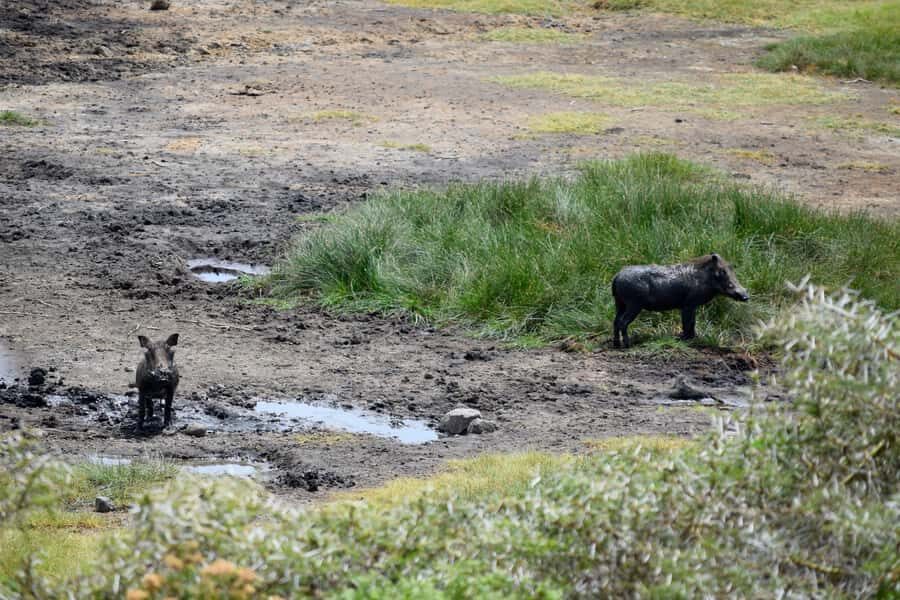
Lunch is about 45 minutes, and it’s served inside the park area with a lake view. I love this setup because it keeps you in the game-driving mindset. You’re not spending your “best daylight time” parked on the road outside the park, and you’re not losing time to a far-off restaurant.
The lunch itself tends to be good to solid, based on what I’ve seen described: one guest skipped the extra-spicy chilli sauce, which tells you there’s at least some flavor customization going on. That said, one person also noted the food wasn’t perfect. So if you’re the type who cares a lot about lunch quality, go in expecting “park safari lunch,” not a restaurant meal.
What matters most is what lunch buys you mentally:
- You cool down and reset your eyes.
- You can refocus on sighting clues for the afternoon.
- You’re still inside the wildlife loop when you finish.
Afternoon game drive: where the chances often sharpen
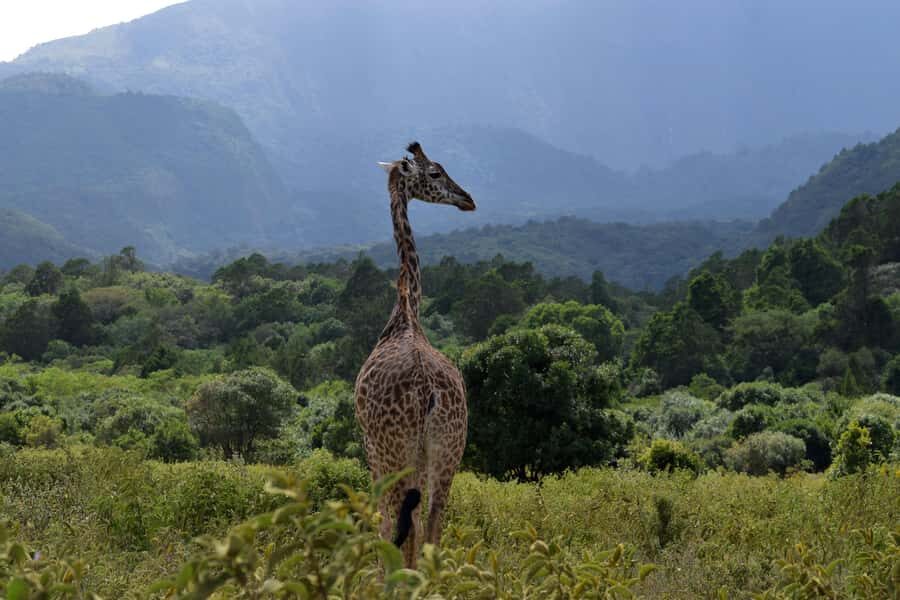
The second guided drive is your follow-up. If the morning gave you a foundation of species, the afternoon often gives you movement and variety: different animals, different activity patterns, and sometimes the animals you missed earlier showing up as they work their feeding schedule.
This is also where your guide’s habitat knowledge really shows. Arusha National Park has enough mix—forest edges, open ground, and water presence—that the “same animal” can appear in different contexts depending on the day.
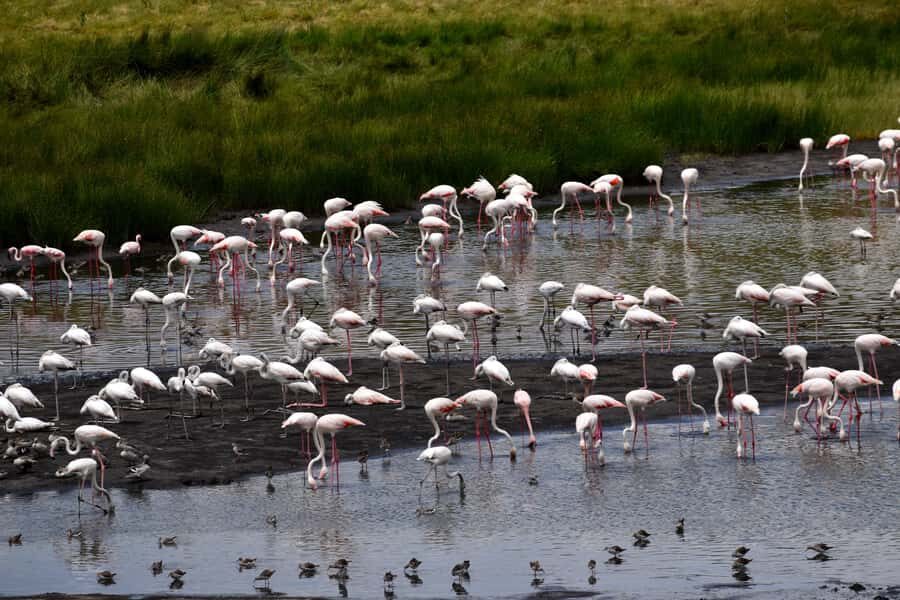
From a list standpoint, you’re still in the hunt for elephants, zebras, buffalo, and giraffes, but you might also notice the less-famous characters that make the park feel alive: baboons, warthogs, bushbucks, and even flamingos when conditions line up.
And because the day is guided, you’re not just wandering. You’re moving through routes chosen for visibility, animal likelihood, and timing.
Van vs safari vehicle: the fig tree detail that actually changes your odds
You get an interesting choice: ride via van or safari vehicle. Both can take you on game drives in the park, but the safari vehicle has one advantage that matters in real life: it can reach certain areas the van cannot, including the park’s famous fig tree.
That detail is more than trivia. When a specific tree is a known wildlife magnet, route access becomes part of your experience. The safari vehicle option is for people who want the maximum flexibility in where the guide can take you within the park.
If you’re unsure which to pick, here’s a helpful way to decide:
- Choose the safari vehicle if you’re focused on maximum park access and sighting chances in known hotspots.
- Choose the van if you’re cost-sensitive and just want a reliable guided day with a solid chance at common wildlife.
Either way, you’re not doing this alone—you’re riding with an English-speaking guide who can explain what you’re seeing.
What wildlife you should expect to see (and what not to force)
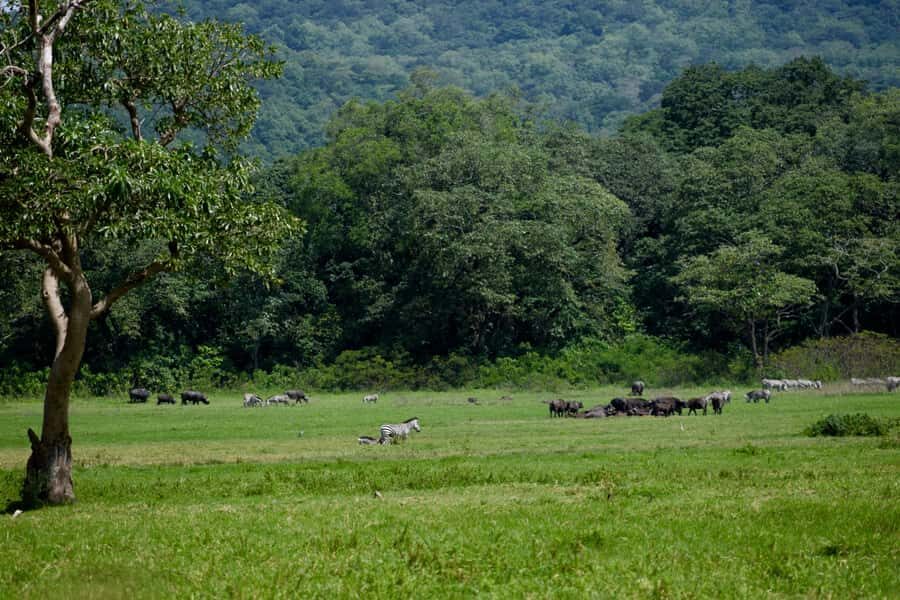
This park is not a guaranteed “see everything” machine. But it’s also not a throwaway day. Here’s the set of animals that are part of the experience here, based on what the safari is set up to find:
Common targets include:
- Giraffes
- Cape buffalos
- Zebras
- Warthogs
- Black-and-white colobus monkeys
- Blue monkeys
- Elephants
- Bushbucks
- Baboons
- Flamingos (where conditions support them)
- Red duiker (not guaranteed, but it has been seen)
Big cats:
- Leopard is present but rare.
Big-five expectations:
The safari is described as having a chance to see three of the big five, which is a nice promise. Still, treat it as “possible with luck,” not a checklist certainty. One reason: leopards are rarely seen, and getting multiple big-five animals in one day depends on timing and animal movement patterns.
In other words, I’d focus on the day’s bigger goal: learn the park, spot what’s actively feeding and traveling, and let the big icons be an extra win.
Mt. Meru foothills: why the setting shapes the wildlife
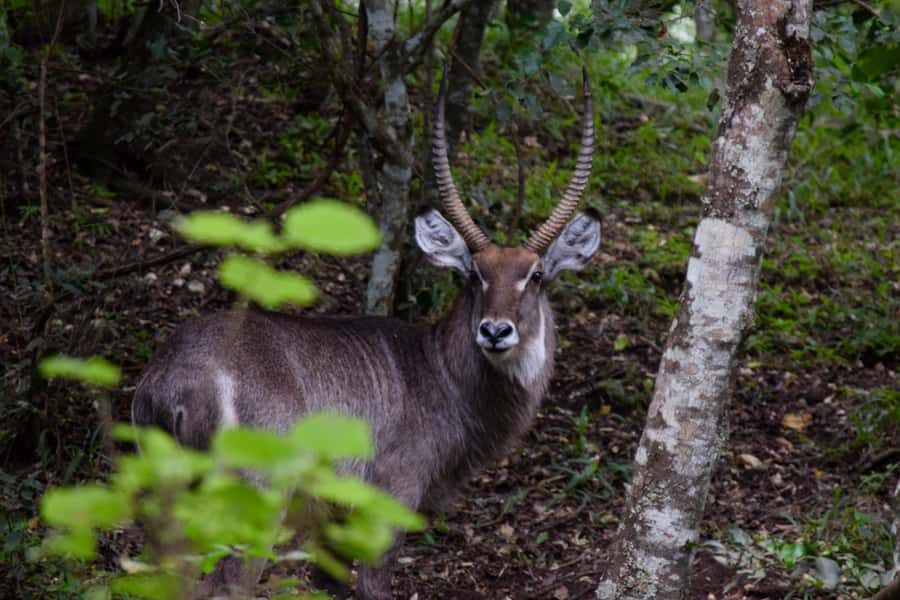
Even if you’ve been on safaris before, Arusha has a distinct feel. The park’s location at Mt Meru’s base creates a mixed environment where different species use different zones.
That matters for your viewing because you get both:
- forest and woodland edges, which support primates and alert browsing animals
- open spaces where grazers and larger animals move more predictably
A good guide uses that geography. You’ll likely spend time moving between habitats, rather than repeating the same “look left, look right” routine. When the guide calls out what they’re seeing and why it matters, it makes your spotting feel smarter, not random.
The guide experience: what makes it feel personal
A big part of the value here is the English-speaking guide and the local interpretation they bring. You’re not just watching from the vehicle; you’re learning how to read the park.
One guide name came up clearly: Moses. Based on guest feedback, Moses is described as personable and passionate, and his spotting helped make the day feel full even when some targets were harder to catch. Guests reported seeing monkeys, including colobus and blue monkeys, plus red duiker, giraffes, buffalo, and zebras. That combination is exactly what I’d want from this kind of one-day safari: mix of tree life and ground life, plus at least some of the bigger “icon” animals.
Not every meal and every sighting will be perfect, but a strong guide makes the day feel like it has direction. It also helps you stay patient when the animal you want doesn’t appear immediately.
Price and value: is $195 per person fair?
At $195 per person for about 8 hours, the price looks reasonable when you consider what’s included:
- hotel pickup and drop-off in Arusha
- park entry and park fees
- an experienced guide
- lunch
- water
For many people, this is the real value equation: you’re paying for a full guided day where the essentials are already handled. You don’t have to sort out park access, negotiate logistics, or build a half-day safari schedule that leaves you wishing you had more time.
Where the price can feel less like a bargain is if you’re expecting a “guaranteed big-five parade.” This park can be brilliant, but it still follows nature’s rules. If you want the highest probability of every big-five member, you might need a different type of itinerary or a different park.
Still, for a day in Arusha National Park that includes guides, entry, and a real time block, this is solid value.
Who this safari suits best
This experience is a great match if you:
- want a single-day safari from Arusha without losing hours to transfers
- enjoy guided wildlife spotting, especially monkeys and animals that use different habitats
- want a balanced day with game drives plus a proper lunch stop
- care about convenience, since pickup, fees, guide, and lunch are included
It’s also wheelchair accessible, which is a meaningful plus for travelers who need more accessible planning. And because the guide language options include English, French, and Swahili, it can work well for different groups in Arusha.
Practical tips to make your sightings better
I’ll keep this grounded. You can’t force animals to show up, but you can set yourself up to see more when they do.
- Stay ready for fast changes. Wildlife movement can happen quickly, especially birds and monkeys.
- Be flexible about priorities. If leopard sightings aren’t happening, let the day reward you with other species you might otherwise ignore.
- Use your guide’s explanations. When the guide points out behavior, you start predicting what comes next.
- Bring a good viewing mindset. This is about noticing patterns in the park, not just collecting photos.
If you’re aiming for your best chance at that fig tree stop, consider the safari vehicle option, since it’s built to access areas the van can’t.
Should you book Arusha National Park for a full day?
I’d book this safari if you want a guided day that feels organized and wildlife-focused, with enough time to actually enjoy the park rather than rush through it. The combination of two game drives, a lake-view lunch inside the park, and the guide interpretation is the main reason.
I’d think twice if your top goal is a guaranteed run-in with every big-five animal. Leopard is rarely seen, and nature doesn’t promise outcomes. For that kind of checklist pressure, you’ll need a different plan.
If you’re happy with a smart, day-long search around Mt. Meru and you like the idea of spotting monkeys, buffalo, elephants, and zebra life in one outing, this is a good use of your time in Arusha.
FAQ
How long is the Arusha National Park full-day safari?
It’s listed as an 8-hour experience, including time for pickup, the drives, lunch, and the return to Arusha.
Where does pickup happen?
Pickup is from your residence or hotel in Arusha.
Does the tour include park fees and entry ticket?
Yes. The entry ticket to Arusha National Park and park fees are included.
Is lunch included?
Yes. Lunch is included and you’ll have about 45 minutes for it during the day.
What wildlife can I expect to see?
The experience is set up for sightings such as giraffes, Cape buffalos, zebras, warthogs, black-and-white colobus monkeys, blue monkeys, flamingos, elephants, bushbucks, and other animals. Leopards are present but rarely seen.
Are there big-five chances?
The safari highlights a chance to see three of the big five, but it’s not presented as a guaranteed outcome.
What vehicle options are available?
You have an option to go by van or safari vehicle. The safari vehicle can reach certain areas the van can’t, including the fig tree.
What languages is the guide available in?
The tour includes a live guide, with languages listed as English, French, and Swahili.
Is water provided?
Yes. Water is included.
Is this safari wheelchair accessible?
Yes, it’s listed as wheelchair accessible.