REVIEW · MOSHI
Serengeti, Ngorongoro and Tarangire 4 Days Safari
Book on Viator →Operated by Joining Safaris · Bookable on Viator
Big cats and elephant herds in just four days. This Moshi-area safari strings together Tarangire, Serengeti, and Ngorongoro for classic game drives, plus a chance to learn how the ecosystem holds everything together. The format is also built for real time in the parks, not constant rushing, with a small group vibe.
Two things I really like: first, the emphasis on guide-led spotting and explanations, so you’re not just staring at trees hoping something moves. Second, the trip includes meals and park access on the day-by-day plan, which matters in Tanzania where you don’t want to keep making decisions mid-safari.
One thing to think about before you book: early starts are part of the deal, and you’ll still want to budget for tipping (crew) since it’s not included.
In This Review
- Key takeaways before you go
- Why a 4-day Serengeti–Ngorongoro circuit feels efficient
- Small group safari time: the guide effect up to 7 people
- Day 1: Tarangire National Park and the elephants at the Tarangire River
- Day 2: Serengeti National Park via Karatu farmlands to Seronera
- Day 3: Early Serengeti game drive, brunch at 11:30, then on to Ngorongoro Simba Camp
- Day 4: Ngorongoro Crater with picnic lunch and Big Five odds
- Meals and the daily pace: what’s actually included
- Price and logistics: where the value comes from
- What you’ll actually see: Big Five chances and the species spread
- Who should book this safari (and who might want something else)
- Should you book Joining Safaris for this 4-day circuit?
- FAQ
- How long is the Serengeti, Ngorongoro and Tarangire safari?
- Where is pickup provided, and when does day one start?
- What parks are included in this safari?
- Is the group size limited?
- Are park admission tickets included?
- What meals are included?
- What extra costs should I budget for?
- What is the cancellation window for a full refund?
Key takeaways before you go
- Up to 7 travelers keeps the safari feeling personal, with more attention from your guide.
- Elephants first day: Tarangire is a strong bet thanks to the Tarangire River area.
- Serengeti Seronera focus: game drives center on the Seronera zone and its water source.
- Ngorongoro early departure: leaving fast is the play for better crater viewing time.
- Included meals: dinners, breakfasts, and lunches are built into the 4-day rhythm.
- Value math: park admission is listed as free, with the main extras being tips and possible translation help.
Why a 4-day Serengeti–Ngorongoro circuit feels efficient
A 4-day safari can sound short, but this route is designed for maximum “big wildlife chances per hour.” You’re not trying to cover every corner of Tanzania. Instead, you hit three safari engines that each do something different.
Tarangire tends to deliver strong elephant action around the river, and it’s a good first hit after pickup and a straight drive into the park. Serengeti then switches you to open plains and the Seronera area, where water draws animals in repeatedly. Finally, Ngorongoro Crater (inside the Ngorongoro Conservation Area) turns the safari into a kind of wildlife amphitheater, where the volcanic walls keep animals fairly contained.
If you’re worried about wasting time on transit, the schedule keeps things moving but not chaotic. You’ll still feel the early wake-up energy, yet you’re not doing ridiculous long drives every single day. This is the sweet spot for first-timers and for anyone who wants the Big Five experience without paying for a week-long package.
A few more Moshi tours and experiences worth a look


Small group safari time: the guide effect up to 7 people
This tour runs with a maximum of 7 travelers, and that changes the whole feel of a safari. With fewer people, it’s easier for your guide to adjust plans on the fly when an animal sighting is hot, and it’s easier to ask questions without feeling like you’re interrupting the next group’s turn.
From what I’ve seen described about this operator’s team, the guides are the type who don’t just point. Emanuel and Rasheed are names that come up with a strong theme: explaining what you’re seeing and where to look next, plus making the ride feel comfortable and safe. Other guides like Ben are mentioned too, with guests highlighting practical spotting skills and a friendly, talk-to-you style.
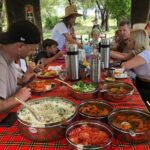
Chef help also matters more than people think. More than one trip note points to consistently good meals and a cook who keeps you fueled for long game-drive hours. In a safari, you’re not just eating—you’re recovering.
Day 1: Tarangire National Park and the elephants at the Tarangire River
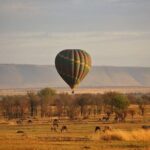
Day one starts with pickup around 9:00 AM from your accommodation in the Arusha area, then a roughly one-hour drive into Tarangire National Park. You land in a park that’s often called the home of elephants, and the Tarangire River area is the center of gravity.
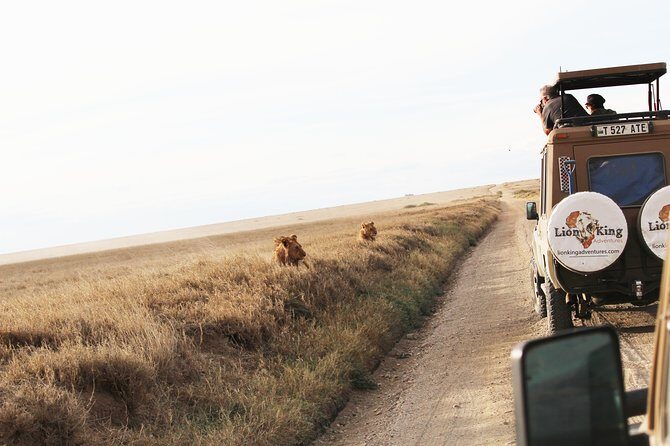
This is where you can get elephant sightings in noticeable numbers, rather than one lonely animal in the distance. You’ll also have a shot at other classic species depending on the day: lions, giraffes, and even surprises like tree-climbing pythons. The point isn’t to promise any single animal. The point is that Tarangire stacks the odds early, which sets a great tone for the rest of the trip.
Expect your day to include game driving time and then moving on to camp for dinner and overnight. The itinerary lists admission ticket free for the park day, which helps your budget stay predictable.
Practical note: Tarangire can involve lots of scanning—looking left, right, and then suddenly up. If you wear a hat and keep a light layer handy, you’ll stay comfortable during changing conditions on the open plains and river edges.
Day 2: Serengeti National Park via Karatu farmlands to Seronera
On day two you head from the highlands into the heart of wild Africa, with a route that passes through Karatu’s high-lying farmland and the Ngorongoro Conservation Area before reaching the Serengeti. That contrast matters. You start seeing cultivated patterns, then the terrain opens up, and suddenly you’re in wide space again—exactly what people picture when they think Serengeti.
You’ll aim for the Seronera area, one of Serengeti’s key wildlife zones. The reason guides like to work this area is simple: the Seronera River acts as a reliable water source, and water is a magnet for animals. The plan brings you in for lunch, then an afternoon game drive.
This is often the easiest day to relax into the safari rhythm. You’re not waking up for the earliest possible drive yet. Instead, you arrive, eat, and start scanning with fresh energy. Afternoon light can also be excellent for animal movement—watch for activity near watering points and along routes animals prefer.
One more detail I appreciate: the itinerary frames this as learning too. With the small-group format, you get more chances to understand why animals are where they are, not just what they are.
Day 3: Early Serengeti game drive, brunch at 11:30, then on to Ngorongoro Simba Camp
Day three is the “wake up, then really work” day. You’ll join an early morning game drive first, when animals are often more active and the roads are calmer before the day’s heat settles in.
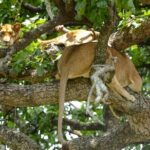
Then you return to camp for brunch at 11:30 AM. After that, the day doesn’t stop. You’ll go out again for another game drive within Serengeti, with the Seronera region again in focus. This is where you’re hoping for the overlap of predators and prey—when wildebeest and zebra move close, predators like cheetahs and leopards may show up in the same network of chances.
After lunch and the second Serengeti run, you’ll head toward Ngorongoro Simba camp for dinner and overnight. The camp has a standout feature mentioned in the plan: you get views of the collapsed volcano, noted as about 600 meters long. Waking up in that crater setting is one of those moments that makes the whole “why did we come here” thing feel obvious.
If you’re the type who hates rushing, day three might feel like a lot on paper. In practice, it’s balanced by that mid-day break. You’re not spending every minute in the vehicle.
A few more Moshi tours and experiences worth a look
Day 4: Ngorongoro Crater with picnic lunch and Big Five odds
Ngorongoro Crater day starts with the most important instruction in the itinerary: you need an early departure. The crater is at its best earlier, when animal movement and viewing conditions tend to be more favorable.
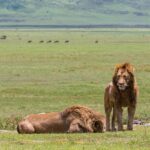
Inside the crater, you’ll enjoy a picnic lunch. This isn’t just about convenience. Eating at the bottom keeps you in the viewing loop instead of running out and back again. And crater geography does the rest. The plan explains that this site was once a massive volcano, and the crater’s composition encourages animals to remain within the walls—useful if you’re aiming to spot each representative of the Big Five.
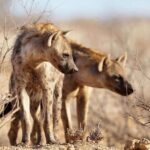
Besides the Big Five possibility, the itinerary also calls out other species you can look for in the crater: zebra, hippo, wildebeest, and hyenas. Add in the crater’s mix of blooming fauna and flora, and you get a more varied experience than you might expect from “just animals on the move.”
Because you’re inside a contained area, your guide’s scanning skills matter. You’ll often spot something in one direction, then immediately want to check what’s happening at watering points or on the slopes.
Meals and the daily pace: what’s actually included
Food on safari isn’t a side quest. It’s part of how you survive long drive hours and still enjoy the day.
This package includes:
- Breakfast (3)
- Lunch (4)
- Dinner (3)
So you’re not piecing together snacks and restaurant stops between parks. That’s a real comfort, especially if you’re traveling without a lot of flexibility.
Multiple trip notes point to strong cooking and consistent meal quality, including a chef who keeps things moving while still feeding people well after a full day on the road. There’s also mention that the team can be flexible with food and accommodation options, which is useful if you have simple preferences.
What you should bring yourself is basic sanity gear: refillable water bottles, a small day bag, and something light for early mornings.
Price and logistics: where the value comes from
At $1,282.06 per person for a 4-day circuit, the value mostly comes from three places: time in the right parks, small-group structure, and what the package covers.
Here’s what helps your budget:
- Pickup is offered, with a morning start around 9:00 AM on day one.
- Park admission tickets are listed as free on the itinerary days.
- Meals are included for multiple days (breakfasts, lunches, dinners).
- The group size is capped at 7 travelers, so you’re not paying to share a jeep with a crowd.
What you still need to budget for:
- Tipping the crew is not included, and it’s described as an expectation in this destination.
- There may be an extra small charge for a translator if needed.
One more practical thing: the tour uses a mobile ticket, and confirmation is provided at booking. That reduces last-minute uncertainty, which matters when you’re coordinating flights into the region and trying to hit an early start.
What you’ll actually see: Big Five chances and the species spread
This safari is built around classic Tanzania wildlife, and the itinerary gives you good categories to watch for each day.
- Tarangire: strong odds for elephants around the Tarangire River, plus lions, giraffes, and occasional surprises like pythons.
- Serengeti (Seronera): a wildlife-rich area driven by the Seronera River. Expect chances for wildebeest and zebra nearby, plus predators like cheetahs and leopards.
- Ngorongoro Crater: a contained crater setting that’s advantageous for Big Five spotting. You also look for hippos, zebras, wildebeest, and hyenas.
I like that the plan doesn’t pretend every day guarantees the same sightings. Instead, it focuses on the right habitat cues—water sources and animal movement patterns—because those are what actually shape sightings.
Who should book this safari (and who might want something else)
This 4-day Serengeti, Ngorongoro, Tarangire safari is a great fit if you:
- want a small-group experience with more guide time
- are visiting for the first time and want the headline parks without a long trip
- care about learning as you go, not just checking boxes
- want a budget-friendlier structure while still getting meaningful time in each place
You might consider a different style or longer itinerary if you:
- hate early mornings, since day one is already a 9:00 AM pickup and day four emphasizes early departure
- want a high-end lodge and lots of free time (this plan is built around game drives and tight daily flow)
- dislike any extra costs beyond the base price, since tipping and possible translator fees are noted
Should you book Joining Safaris for this 4-day circuit?
If you want a smart value safari that hits the big Tanzania names—Tarangire, Serengeti, and Ngorongoro—this is the kind of trip that makes sense. You’re getting the right mix of habitats, included meals, and a small group cap that usually improves the quality of the guiding.
Just go in with eyes open on two things: you’ll be up early enough to feel it, and you’ll want to set aside money for tipping. If that fits your travel style, I’d say this is a solid choice for a first Safari Africa fix, especially if you want Big Five chances without stretching your vacation to a full week.
If you need flexibility, the policy listed here is that you can cancel up to 3 days in advance for a full refund.
FAQ
How long is the Serengeti, Ngorongoro and Tarangire safari?
It runs for 4 days (approximately).
Where is pickup provided, and when does day one start?
Day one includes pickup from your hotel/accommodation location in the Arusha area at 9:00 AM.
What parks are included in this safari?
You visit Tarangire National Park, Serengeti National Park, and the Ngorongoro Conservation Area.
Is the group size limited?
Yes. The maximum group size is 7 travelers.
Are park admission tickets included?
The itinerary lists admission ticket free for each of the park days.
What meals are included?
The package includes breakfast (3), lunch (4), and dinner (3).
What extra costs should I budget for?
The price covers everything except tipping of the crew, and there may be an extra small charge for a translator if needed.
What is the cancellation window for a full refund?
You can cancel up to 3 days in advance of the experience for a full refund.