REVIEW · DAR ES SALAAM
Dar es Salaam: Experience the real Dar es Salaam (City Tour)
Book on GetYourGuide →Operated by GoSaed · Bookable on GetYourGuide
Dar hits you fast, and this tour helps. In a day that moves through markets and monuments, I like how the guide makes Dar es Salaam feel navigable, even when the streets are loud and the sights come fast. A big part of the appeal is seeing places like Kariakoo Market with someone like Saed, who ties what you’re seeing to how people actually live and work.
I also like the tour’s mix of major stops and everyday reality, especially the National Museum and House of Culture followed by walking time along the harbor area. You’ll get context for the city’s older layers (memorials, church architecture) and also the “right now” layers—trade, crafts, and coastal life at places like Slipway.
One thing to plan for: the Kivukoni fish market area can be very wet. Don’t count on slippers handling it; bring shoes with grip, plus sunscreen for the open-air parts.
In This Review
- Key highlights worth penciling in
- A private Dar es Salaam day that feels like a local plan
- Kariakoo Market: your fastest way to get oriented
- National Museum and House of Culture: context, with honest limits
- Kivukoni Fish Market: watch trade, plan for wet feet
- Askari Monument and St Joseph’s Cathedral: memory meets architecture
- Azania-Front Cathedral and waterfront walking: Dar’s religious and coastal sides
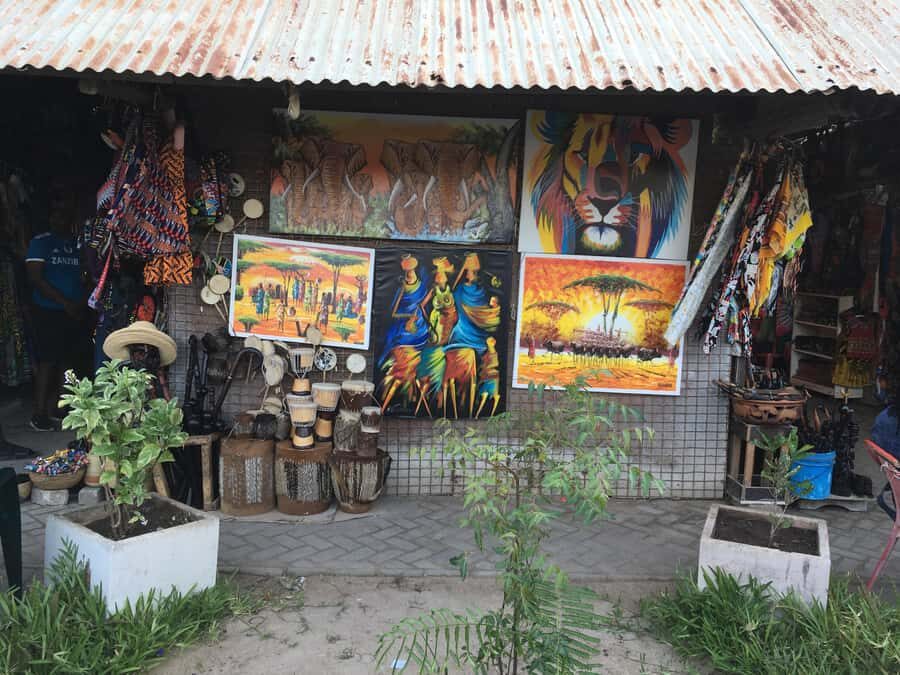
- Tinga Tinga art and woodcarving at Mwenge: buy something that has a story
- Makumbusho Village Museum: history you can walk through
- Slipway waterfront: the sunset break that makes the day feel complete
- Price and what makes the $99 day feel worth it
- Who this tour fits best (and who might want to adjust)
- Should you book the Dar es Salaam Experience the real Dar es Salaam City Tour?
- FAQ
- How long is the Dar es Salaam city tour?
- How much does the tour cost?
- What pickup and drop-off locations are offered?
- Are meals included?
- What languages is the live guide available in?
- What’s included in the price?
- What should I bring, and is there anything to avoid?
- Is free cancellation and reserve-pay-later available?
Key highlights worth penciling in
- Kariakoo Market + Kivukoni Fish Market: shop and watch real daily trade, not staged sightseeing.
- Saed’s storytelling: quick, grounded explanations about Tanzanian life, culture, and politics as you move between sites.
- National Museum and House of Culture: museum time plus your guide’s help making sense of what’s shown—and what isn’t.
- Cathedrals and monuments: Askari Monument and churches give you a clear view of colonial-era architecture and memory.
- Handcrafts you can buy with context: woodcarving and Tinga Tinga art, with guidance on what you’re looking at.
- Slipway waterfront break: easy coast time to cool down and watch dhow boats near the harbor.
A private Dar es Salaam day that feels like a local plan
This is the kind of city tour you’ll appreciate if Dar es Salaam is your first big Tanzania stop. It’s private (so it’s not a herd moving at one speed), and the day is built around the places that actually explain the city: markets for daily needs, museums and memorials for context, and the coast for mood and movement.
The guide is the real engine. English and Swahili are both offered, and the tour is designed to be conversational. I like that you’re not only looking at sights; you’re getting answers in the moment. That matters in Dar, where the city can look chaotic until you understand what’s happening and why people organize the way they do.
Also: the transportation is practical. You ride in an air-conditioned vehicle with bottled water and WiFi on board. That’s a big quality-of-life detail when your day includes open-air markets and walking in sun.
You can also read our reviews of more city tours in Dar Es Salaam

Kariakoo Market: your fastest way to get oriented
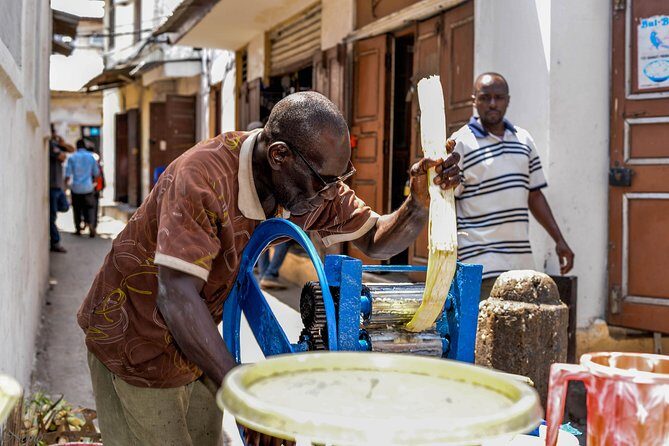
The day starts with an introductory guided block and then heads into Kariakoo Market, one of the places where you feel Dar’s energy right away. This is where you see how trading works—colors, stacks, bargaining, and the rhythm of customers and sellers moving around each other.
What makes this stop genuinely useful (not just scenic) is what your guide does with it. You’re not expected to memorize stall names. Instead, you learn how locals think about buying, sourcing, and community needs. It’s a strong starting point because it sets your expectations for the rest of the day: you’ll notice patterns later when you’re at other markets.
Practical tip: wear clothes you’re comfortable moving in. Markets are close quarters, and you’ll likely end up stopping for photos and questions. If you’re sensitive to smells or crowds, that’s not a dealbreaker, but it helps to know what you’re stepping into.
National Museum and House of Culture: context, with honest limits
Next comes National Museum and House of Culture time. Museums in big cities can sometimes feel like lectures, but this one works better when you have a guide who can point out what you’re seeing and also what’s missing.
I like that you get the city’s story framed through more than objects on shelves. The guide helps translate the exhibits into a bigger picture of Tanzanian life and history. There’s also practical commentary about how some national themes are presented unevenly. For example, your guide discusses why certain memorial information isn’t always updated, including the WWI memorial element that has not been refreshed since the early 1920s.
Could the museum do more? Yes, you might notice that some storytelling feels incomplete. But your guide’s commentary helps you leave with understanding rather than just photos.
How to make the most of it: ask questions during quieter moments. Museum energy can spike when there are school groups or tour schedules nearby, so catching the guide while you’re standing still helps a lot.
Kivukoni Fish Market: watch trade, plan for wet feet
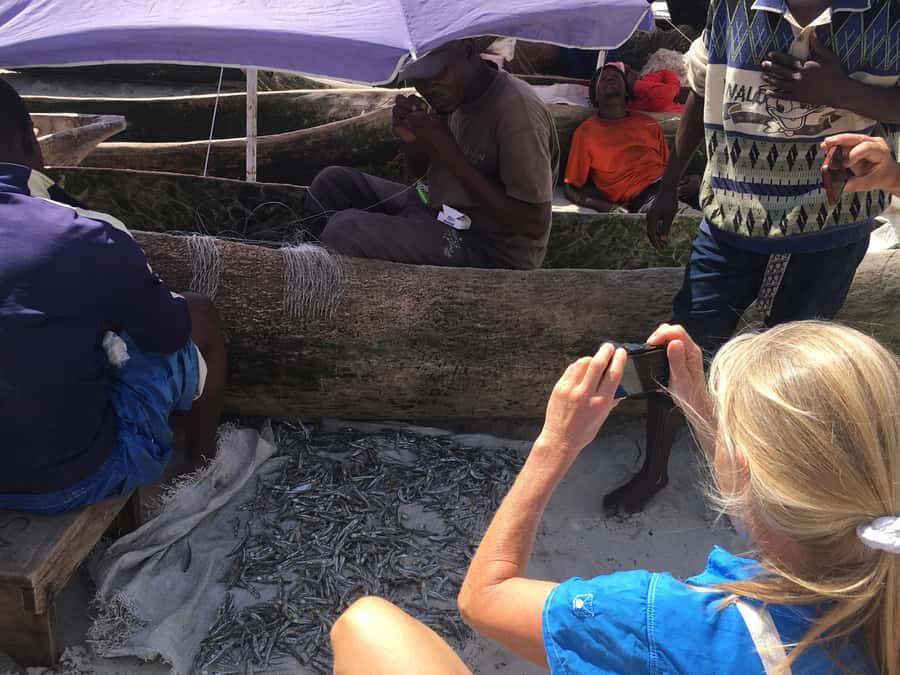
If you want a Dar stop that feels real in a way you can’t simulate, you’ll probably remember Kivukoni Fish Market. This is morning-market energy—fishermen’s fresh catch, buyers inspecting quality, and the whole place running on timing.
The practical consideration here is footwear. The market area can be extremely wet, which means slippery footing is common. I suggest you don’t wear slippers. Bring shoes that can handle water and still protect your feet on slick ground.
What you’ll gain is perspective. Your guide connects what you’re seeing to the daily realities behind it. You’ll hear straight talk about how food and markets connect to access and shortages, and how community behavior helps fill gaps when systems are stretched thin.
This part of the day can also spark deeper questions. Crime and public safety aren’t just abstract topics here; your guide explains how communities respond and how daily life changes when enforcement is inconsistent. It’s not fear-mongering. It’s a grounded discussion that makes the city feel less mysterious.
Askari Monument and St Joseph’s Cathedral: memory meets architecture
After markets, you shift from commerce to memory and colonial-era traces. The Askari Monument gives you a tangible anchor for Dar’s past, and it’s the kind of stop where your guide’s narration matters. A monument is easy to photograph, but harder to understand without the story behind it.
Then you move toward the cathedral stop area, including St Joseph’s Cathedral. Churches here are not only religious buildings; they also show you architectural influence and what different eras left behind. Even if you don’t consider yourself an architecture nerd, you’ll notice details once you know what to look for.
If you’re the kind of traveler who likes to connect a city’s buildings to its history, this section delivers. If you’re more into street life, keep your eyes open anyway—because these stops explain why certain neighborhoods and power structures look the way they do.

Azania-Front Cathedral and waterfront walking: Dar’s religious and coastal sides
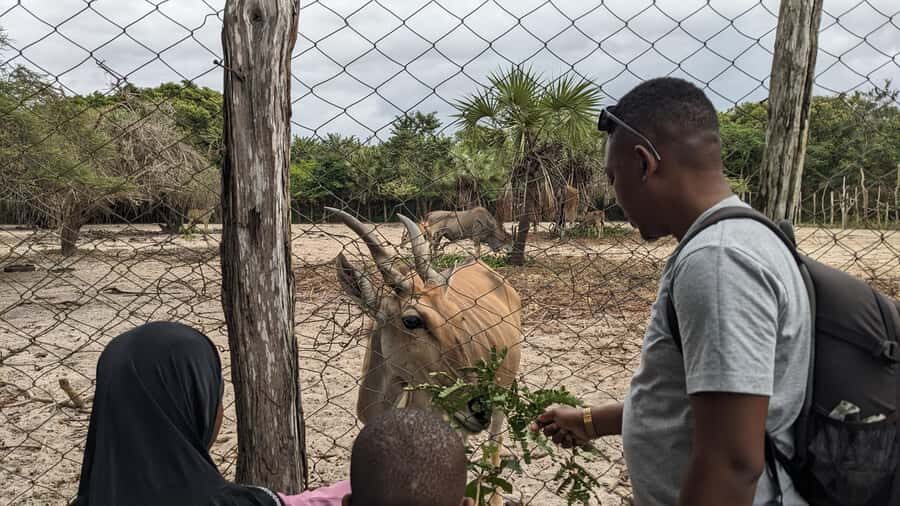
The day doesn’t just talk about history from stone. It also gives you time to see Dar from the waterline. You’ll include Kkkt Azania-Front-Cathedral, which is a key landmark for understanding how different Christian traditions and influences appear in the city.
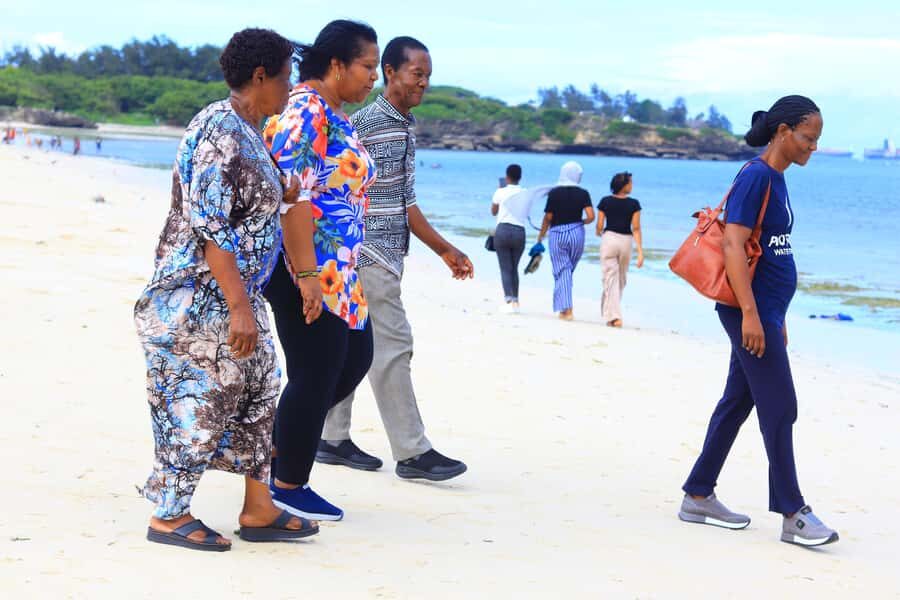
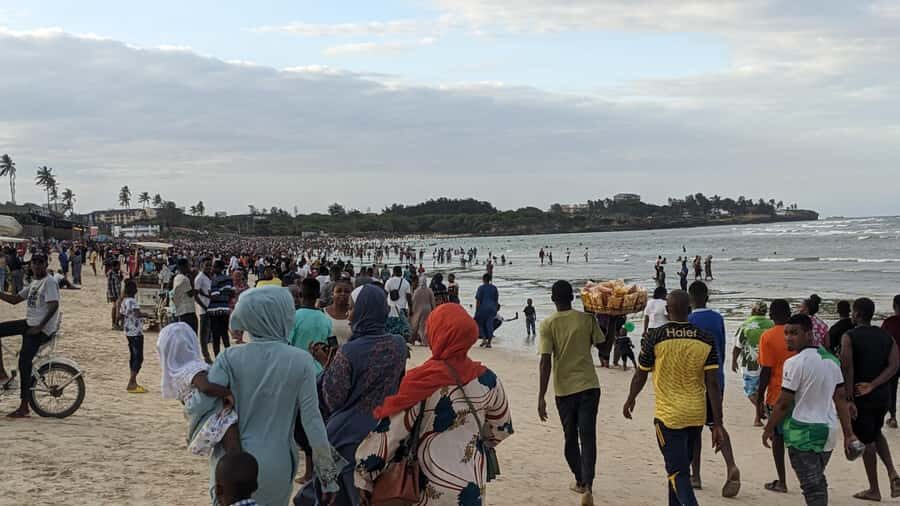
Then you get a scenic waterfront walk. This is where you see the harbor in motion and traditional dhow boats working the coastline. If you’ve been stuck in museum rooms and market aisles, this part is a reset. You’ll feel the sea air, you’ll see maritime activity, and the city starts to look bigger than the streets you’ve been walking.
I like the pace here: it’s not a frantic hop from one photo spot to another. It’s enough time to look, ask questions, and regroup.
Tinga Tinga art and woodcarving at Mwenge: buy something that has a story
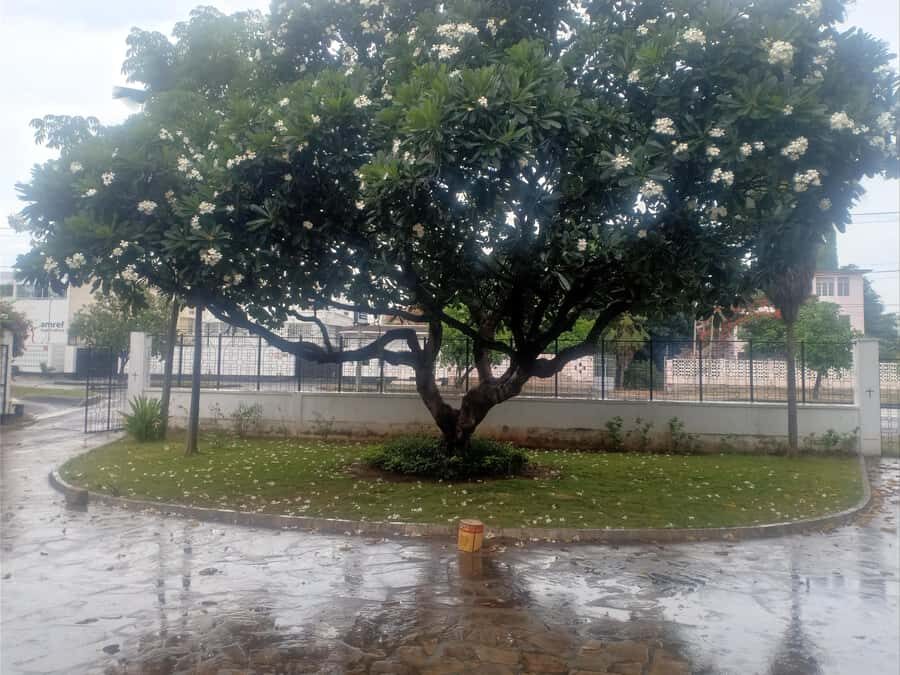
Dar doesn’t just sell souvenirs; it sells craftsmanship. Your tour includes time at Tinga Tinga Arts Cooperative Society, plus a market stop focused on hand-carved items at Mwenge Woodcarvers Market.
This is where I’d tell you to slow down and treat the shopping time like part of the cultural experience, not an optional detour. When you have a guide, you can ask what materials or styles mean, and you can compare pieces with more confidence. You’ll also learn how art ties into local identity and export demand.
If you’re worried about being talked into buying, you don’t have to rush. Your guide’s role is to help you understand what you’re looking at. That reduces buyer stress, which is a real thing.
Quick buying sanity check: if a piece feels special to you, great. If it feels generic, pass and keep browsing. Having time and context helps you spot quality faster.
Makumbusho Village Museum: history you can walk through
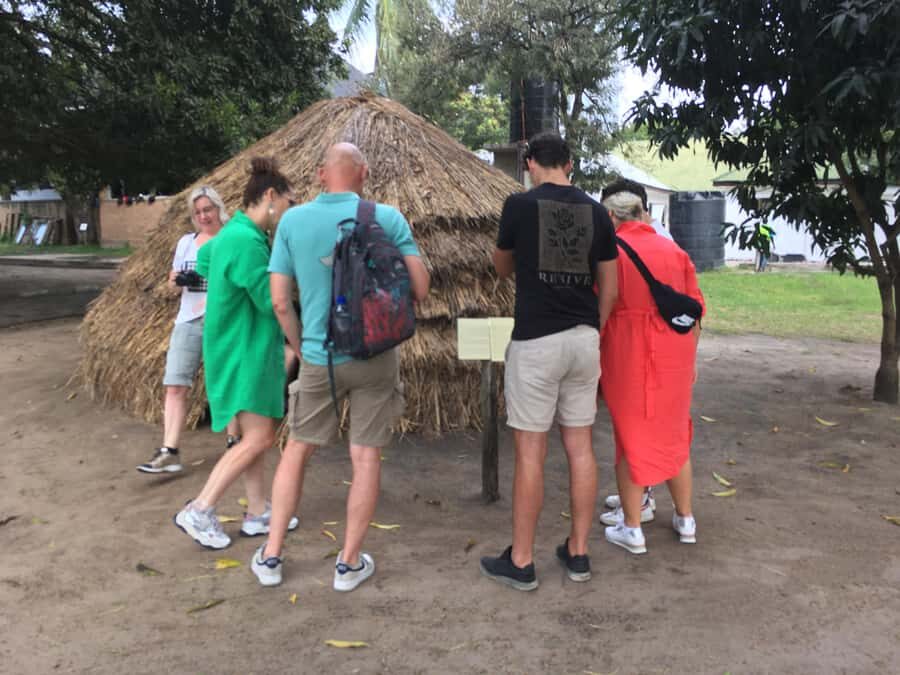
Next comes Makumbusho Village Museum, with guided time inside. This stop adds variety to the day because it shifts from city landmarks and markets to a museum setting meant to show life and culture through built spaces.
The value here is not just the facts. It’s the feel of moving through a place designed to represent everyday heritage. If you’re learning about Tanzania through objects only, your understanding can stay abstract. A museum like this helps you turn learning into something physical.
I recommend asking the guide to point out the most important features in the time you have. If you try to absorb everything at once, it’s easy to miss what matters.
Slipway waterfront: the sunset break that makes the day feel complete
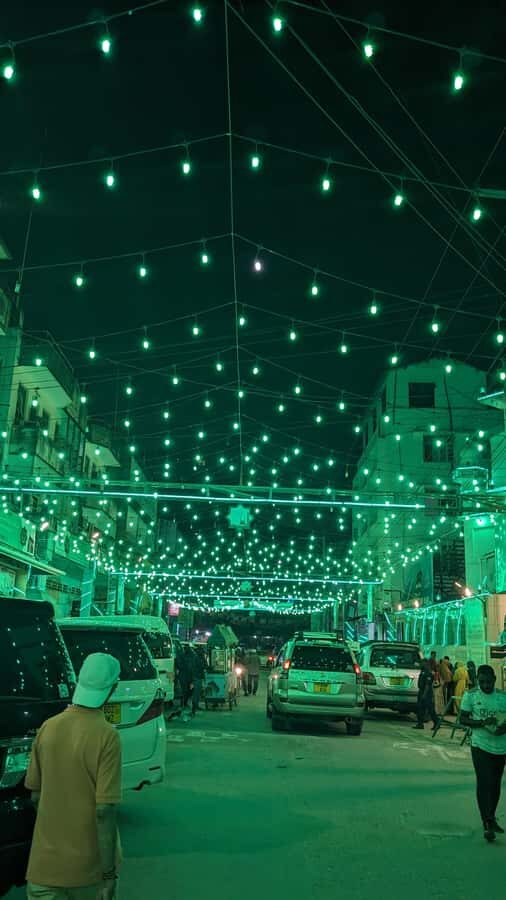
By the time you reach Slipway, the tour becomes more relaxed. You’ll have a break period around sunset, with shopping and dining options near the ocean.
This stop is useful because it gives you a chance to land your learning. After markets and monuments, your brain needs an easy moment. Watching the harbor and talking with your guide about the day’s themes helps it all click.
I’d also use this break for lunch planning if you want local food. One of the best parts of a guide-led day is having someone who knows where to go for something simple and tasty. If you ask, your guide can point you toward good local options, including fresh juices, based on what you’re in the mood for.
Price and what makes the $99 day feel worth it
The tour is priced at $99 per person for a total 8 hours. On paper, city tours can look expensive until you check what’s included and what it replaces.
Here’s what the price includes that matters:
- Private transportation in an air-conditioned vehicle
- Bottled water for the day
- WiFi on board
- A live guide speaking English and Swahili
- Pickup and drop-off options, including the airport and major hotels
For many people, the biggest value is not the vehicle—it’s the guide-led access to places where you’d otherwise feel like you’re just wandering. In markets especially, guidance turns chaos into understanding. That’s hard to get from self-guided photos alone.
If you’re traveling with others, the “private” aspect can make the cost feel even more reasonable, because you’re splitting a full-day car and guide rather than paying for multiple separate logistics.
Who this tour fits best (and who might want to adjust)
This tour is a strong fit if:
- You want a first-day introduction to Dar es Salaam
- You care about understanding markets, crafts, and city history in one loop
- You prefer a private plan with a guide who answers questions in real time
You might want to adjust expectations if:
- You dislike wet market environments or are sensitive to crowded, close quarters
- You prefer slower days with fewer stops
In practice, the tour is active but manageable. The trick is wearing proper shoes, using sunscreen, and letting the guide set the pace when you’re ready for your next question.
Should you book the Dar es Salaam Experience the real Dar es Salaam City Tour?
I’d book it if you want Dar es Salaam to feel understandable fast. It’s built around the places that shape daily life: Kariakoo, Kivukoni, museums, cathedrals, crafts, and a coast finale at Slipway.
Book it especially if you appreciate a guide who talks through what you’re seeing. The best moments here aren’t one landmark photo—they’re the explanations that connect them, like how markets support food access and how communities respond to challenges when support systems are uneven.
Just do one thing before you go: plan your footwear for a wet market. That single detail can make the difference between enjoying the day and spending it wishing your feet were drier.
FAQ
How long is the Dar es Salaam city tour?
The tour duration is 8 hours.
How much does the tour cost?
The price is $99 per person.
What pickup and drop-off locations are offered?
Pickup and drop-off are available at Julius Nyerere International Airport, Dar es Salaam, Hyatt Regency Dar es Salaam, and The Kilimanjaro. The guide meets you in the accommodation lobby, or at the airport arrivals lounge.
Are meals included?
The tour includes visits to markets, museums, and the Slipway area, with a break time near sunset. The tour details provided do not explicitly state that meals are included.
What languages is the live guide available in?
The live tour guide is available in English and Swahili.
What’s included in the price?
Included items are an air-conditioned vehicle, WiFi on board, private transportation, and bottled water.
What should I bring, and is there anything to avoid?
Bring sunscreen. For the fish market, it can be very wet, so it’s advised not to wear slippers.
Is free cancellation and reserve-pay-later available?
Free cancellation is available up to 24 hours in advance for a full refund. There is also a reserve now & pay later option mentioned.