REVIEW · ARUSHA
6 Days Trekking Marangu Route Mount Kilimanjaro
Book on Viator →Operated by MERU SLOPES TOURS AND SAFARIS · Bookable on Viator
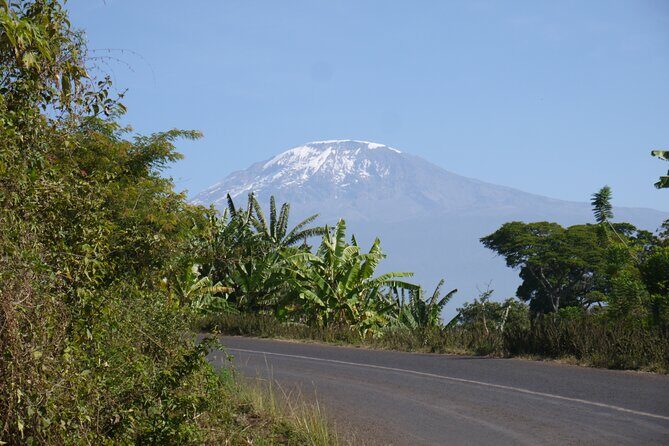
Kilimanjaro without the tent panic. The Marangu Route is known as the more comfortable way up, with steady, moderate hiking and simple mountain hut nights that feel more like basecamp than rough camping. I like that the climb is paced for real acclimatization (including an extra day), and I really appreciate the clear, step-by-step summit night plan that takes you from the last hut to the crater rim in a structured push. The one thing to keep in mind is that even on the easiest route, the final summit approach is demanding and happens late at night on steep, rocky ground.
What makes this version stand out is how organized the whole flow feels: early departures, scheduled picnic lunches in scenic spots, and a descent that finishes with you back at Marangu Gate for the official sign-off and summit certificates. I also liked the human side of it, especially the way guides such as Michael and Yano are described as looking after the group well. If you want a trek that’s both logistically smooth and still properly adventurous, this hits a sweet spot, but it’s not a walk in the park once you get near Uhuru.
Key things I’d bet on (before you book)
- Hut nights on Marangu: simpler stays than many camping routes
- A real acclimatization day with a hike toward Mawenzi and Zebra Rocks
- Clear summit-night landmarks like Hans Meyer point and Gillman’s point
- Last-water planning on Day 4 before you carry supplies for the next stretch
- Small group size (max 6) for less chaos on crowded trail sections
In This Review
- Why the Marangu Route can feel gentler (but still earns its badge)
- Price and logistics: is $1,900 good value for Marangu?
- Day 1: rainforest hiking, Kisambioni picnic, and Mandara Hut relief
- Day 2: moorland terrain and Mawenzi/Kibo views if the sky behaves
- Day 3: the acclimatization day that makes the rest of the trek smarter
- Day 4: alpine desert, last water point, and planning for the next two days
- Day 5: the tough night walk to Hans Meyer point and Gillman’s point
- Day 6: descent to Marangu Gate through cloud forest and certificate day
- Hut stays: comfort tradeoffs you’ll actually feel
- Guides, porters, and why the small-group size helps
- Packing and planning tips for Marangu’s specific challenges
- Who should book this Marangu 6-day trek?
- Should you book? My decision guide
- FAQ
- How long is the Marangu Route Kilimanjaro trek?
- Where does the trek start?
- What kind of accommodation do you stay in?
- What meals are included?
- What is the hardest part of the trip?
- Do you provide transfers and transportation?
- Is the price of flights included?
- What summit certificates do you get?
Why the Marangu Route can feel gentler (but still earns its badge)
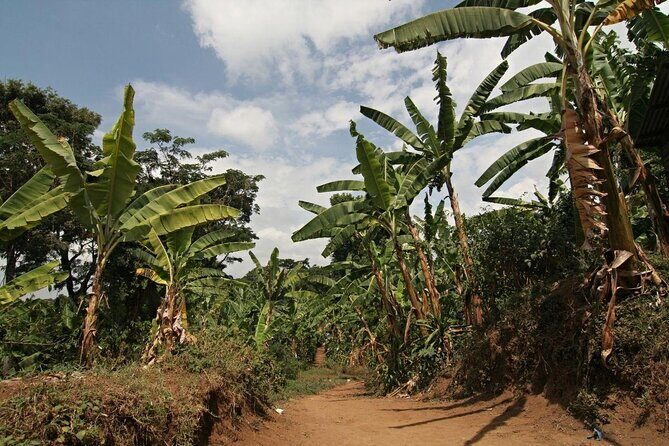
Marangu is the best-known route on Kilimanjaro for people who want a straightforward climb. The big idea is pacing. Most of your walking is described as constant and moderate, and you spend your first days transitioning through forests into higher zones without the kind of constant steepness that some routes throw at you right away.
You’ll still feel altitude. You’ll still work. But the route design matters: the daily hiking hours and the “step up” in environment are built around helping your body adjust. That’s why the Marangu experience often feels less like a constant fight and more like a disciplined climb with one very hard night.
The other practical bonus is where you sleep. You stay in simple mountain huts rather than camping. That changes the whole mood of the trek. You’re not constantly managing tents, sleeping bags, and rain-soaked camp logistics. It’s not luxury, but it’s easier to recover between days.
Price and logistics: is $1,900 good value for Marangu?
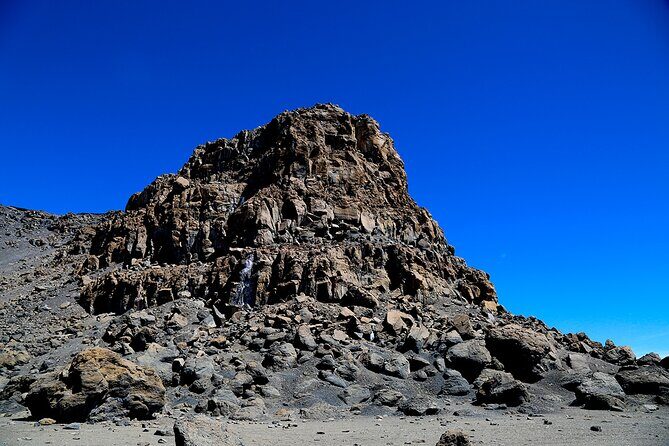
This trek costs $1,900 per person for about 6 days. For Kilimanjaro, that price sits in the “serious but not bargain-basement” category. The value comes from what’s included:
- Guides, porters, and cooks are included
- Park fees and fees/taxes are included
- Arrival/departure transfers and private transportation are included
- Nights accommodation before climbing are included
- All meals are included: 7 breakfasts, 7 lunches, 7 dinners
When you compare that to what many independent travelers piece together (guides + park access + meal plan + transfers + before-climb hotel nights), the “package” can actually be cost-effective and much less stressful.
What’s not included is also important:
- International and domestic flights
- Visa fees
- Alcoholic beverages
- Tips
- Mountaineering insurance
Also note that summit success is weather-dependent in general on Kilimanjaro. The listing notes that if it’s canceled due to poor weather, you get a different date or a full refund. So you should budget for the fact that weather can always play referee.
You can also read our reviews of more hiking tours in Arusha
Day 1: rainforest hiking, Kisambioni picnic, and Mandara Hut relief
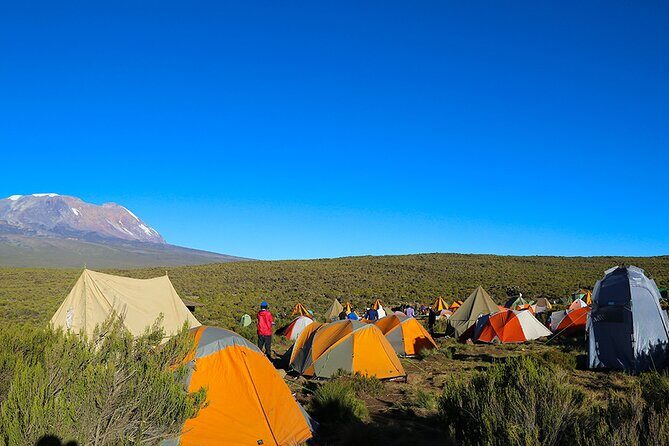
Your trek begins with a morning push from Arusha or Moshi toward Marangu Gate for climb registration. You start early (the overall start time is 7:00 am, with departure described around 8:00 am), which is smart. Clear mornings give better trail conditions and cooler starts.
From the gate, you walk along a narrow trail through rainforest for most of the day. This section is often pleasant because the air can feel more forgiving than the higher, dryer zones. The trail is still a hike, but the environment makes it easier to keep going without feeling like you’re constantly fighting the sky.
Midday you stop for a picnic lunch at Kisambioni, roughly the halfway point of Day 1. After lunch, you continue through rainforest until you reach Mandara Hut. The rest of the day is recovery time. If you have energy, you can take a short walk to Mahundi Crater.
That crater walk is one of those “small effort, big payoff” moments. On a clear day, you can see east toward Taveta and northwest toward Mawenzi Peak. It’s not a long detour, but it gives you a real sense that you’re climbing into something bigger.
Day 2: moorland terrain and Mawenzi/Kibo views if the sky behaves
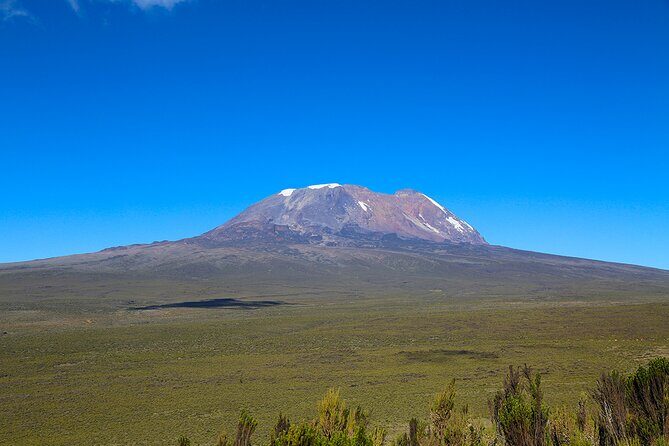
After breakfast, you move from Mandara Hut up into Kilimanjaro forests and then toward Horombo Hut. Most of Day 2 is through moorland, described as rocky and desert-like, with plants that look built for harsh conditions.
This is where you’ll notice a shift in how the trek feels. Forest walking can hide fatigue. Open moorland shows it. Your legs work harder, and you’ll want to keep your pace steady to avoid burning energy.
Lunch is another picnic stop, at Kambi ya Taabu. If the day is clear, the views include Mawenzi and Kibo peaks. Arriving at Horombo Hut is planned around 3:00 pm, which gives you time to settle in before the next acclimatization-focused day.
Day 3: the acclimatization day that makes the rest of the trek smarter
Day 3 is extra time at Horombo Hut, and that matters. An acclimatization day isn’t just a “bonus.” It’s the part of the plan that helps your body process altitude so summit night doesn’t become reckless.
The hike recommended on this day goes toward Mawenzi, passing Zebra Rocks. The timing given is about 3 hours up and 1.5 hours down. You should think of this as controlled effort—work, but not burnout. The goal is adjustment, not conquest.
In practice, this day helps you learn your own rhythm. If you’re carrying yourself well on the incline and you can breathe steadily, you’re building the habits that make the later steep sections less scary.
Day 4: alpine desert, last water point, and planning for the next two days
Day 4 is the move upward into the alpine desert, and it includes a critical logistics moment: you pass the last water point at 13,550 ft / 4,130 m. After that, you’re expected to fill your water bottles with all the water you need until you return to Horombo two nights later.
There’s one mention of an alternative: you can buy mineral water at Kibo Hut if you’re willing. But you should not count on that as your main plan. The safest mindset is: carry what you’ll need after the last water point.
Then the pace changes toward summit preparation. The summit is stated as an additional 3,921 ft / 1,195 m up, and the plan is to begin the final ascent the same night. You’re told to go to bed around 6:30 pm and rest as much as possible.
That early bedtime isn’t just for comfort. Your body will be asking for sleep later during the cold, late start. The best “summit gear” is often the one thing you can’t buy: adequate rest.
A few more Arusha tours and experiences worth a look
Day 5: the tough night walk to Hans Meyer point and Gillman’s point
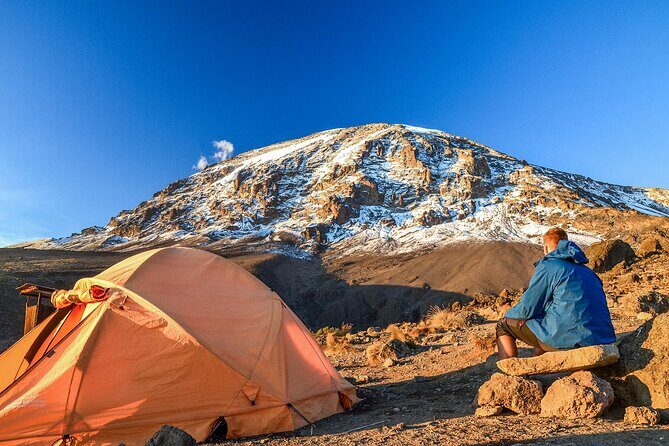
Around 11:30 pm, you wake, then have tea and biscuits, and you start walking into the night. This is where Marangu stops being “easy.” You’ll shuffle along a rocky, steep trail that requires both physical strength and mental focus.
The first section takes you to Hans Meyer point at 17,225 ft / 5,250 m. It’s also a good resting spot, which helps you break the climb into smaller segments.
From there, you zigzag up to Gillman’s point on the crater rim at 18,639 ft / 5,681 m. The description highlights why this part is hard: it’s very steep, with lots of stone scree. Expect to place your feet carefully and move slowly enough that you don’t waste energy.
This is also the moment when good guiding really shows. When you’re tired and the footing is uneven, you want someone who can keep you moving with calm instructions and steady pacing.
Day 6: descent to Marangu Gate through cloud forest and certificate day
You finish with breakfast, then a descent to Marangu Gate. The descent is described as beautiful, including cloud forest. That part is real relief: after the crater-edge effort, you get greenery and a different kind of scenery.
Do watch your step. The trail can be slippery on the way down, especially after early morning conditions. Your knees will thank you if you go slow and keep your balance.
At Marangu Gate you sign for departure. This is also where summit certificates are awarded. The plan is specific:
- Reaching Gillman’s Point (18,652 ft / 5,685 m) earns a silver certificate
- Reaching Uhuru Peak (19,341 ft / 5,895 m) earns a gold certificate
There’s something quietly motivating about that. Even if you don’t reach the very top, you still get official recognition for getting to Gillman’s point and completing a major altitude challenge.
Hut stays: comfort tradeoffs you’ll actually feel
Staying in mountain huts is one of the biggest differences between Marangu and the camping routes. The listing calls the hut accommodation simple, and that’s the correct expectation. Don’t look for hotel bedding.
But huts have clear advantages:
- easier recovery between hiking days
- less setup time (no tent system)
- more predictable night routines
Also, because meals are included and planned daily, you’re not running around trying to source food or manage your own schedule at altitude.
The “watch out” is that huts can still be crowded and basic, and you’ll share space with other climbers. That’s not a dealbreaker, but it does mean you should be ready for a no-frills mountain night.
Guides, porters, and why the small-group size helps
This trek runs with a maximum of 6 travelers and includes professional, experienced mountain guides plus porters and cooks. A small group matters on Kilimanjaro. You spend less time bottlenecked, and it’s easier for guides to manage pacing and energy.
The reviews you provided back up the organization side. People highlight good communication and that the guides, including Michael and Yano, looked after the group well. Another review also praised hardworking team members who carried luggage and even helped with small bags along the way.
In real terms, this kind of team support makes you safer and calmer. It also helps you stay focused on what you came for: walking, acclimatizing, and reaching the summit plan you trained for.
Packing and planning tips for Marangu’s specific challenges
Marangu isn’t just “high altitude.” It has specific moments that change what you should pack and how you should plan your energy.
1) For the late-night push: plan your layers so you’re not cold after waking at 11:30 pm. Your body will generate heat when you’re climbing, but you’re also stopping and starting in the dark.
2) For Day 4 water planning: since there’s a last water point at 4,130 m, make sure you have bottles that can hold enough for the stretch until you’re back at Horombo.
3) For rocky steep sections: the summit approach includes scree and steep zigzags near crater rim. Trekking poles (if you use them) and careful foot placement make a difference. Go slow—your plan is safer than your ego.
4) For descent slipping: keep your stride controlled down through cloud forest. This is not a place to rush.
5) For the hut nights: pack for “simple.” Bring what you need for comfort, but avoid expecting complicated laundry or extra amenities.
If you want to keep your pack light, remember what one review praised: porters handling luggage and helping with smaller items too. Still, you’ll want to keep your personal essentials within reach so you’re not constantly digging.
Who should book this Marangu 6-day trek?
This trek is a good fit if you:
- want the easier-feeling route on Kilimanjaro, with steady hiking and moderate climbing for most days
- prefer hut accommodation over camping routes
- like a structured acclimatization plan, including the recommended hike on Day 3
- want an organized operation with consistent meal timing and clear summit-night landmarks
It might be less ideal if you:
- want an active, nonstop hiking experience every day (Day 4 and Day 5 are the core challenge, and other days are more controlled)
- are strongly sensitive to cold and steep terrain during the late-night summit window
If you’re aiming for summit success, this route can be a solid choice because it’s built for rhythm and recovery. Just respect the fact that the final climb is serious, even here.
Should you book? My decision guide
If you want a Kilimanjaro trek that balances comfort and structure, this is the kind of plan that’s worth serious consideration. The included meals, hut stays, and experienced support team make it easier to focus on the climb instead of logistics. The small group size also feels like the kind of detail that quietly improves your whole experience.
I’d book this if you like the idea of:
- rainforest-to-moorland-to-alpine ascent
- a built-in acclimatization day
- a summit-night route with clear milestones (Hans Meyer point, then Gillman’s point)
- an official finish at Marangu Gate with certificate recognition
I wouldn’t book it if you’re expecting an easy day-by-day walk to the top. The route may be described as the easiest and most comfortable, but Day 5 is still tough. You’ll need stamina, patience, and good sleep.
FAQ
How long is the Marangu Route Kilimanjaro trek?
The trek is about 6 days.
Where does the trek start?
You depart Arusha or Moshi around 8:00 am to Marangu Gate for mountain climb registration. The start time is listed as 7:00 am.
What kind of accommodation do you stay in?
You stay in simple mountain huts during the climb.
What meals are included?
Breakfast (7), lunch (7), and dinner (7) are included.
What is the hardest part of the trip?
The hardest part is the summit push at night, with a steep rocky section toward Hans Meyer point and then a steep zigzag to Gillman’s point.
Do you provide transfers and transportation?
Yes. Private transportation and arrival and departure transfers are included.
Is the price of flights included?
No. International and domestic flights are not included.
What summit certificates do you get?
At Marangu Gate, summit certificates are issued: silver for reaching Gillman’s point and gold for reaching Uhuru Peak.