REVIEW · MOSHI
6 Days Kilimanjaro Lemosho route Climbing and Hiking Tour
Book on Viator →Operated by KILIMANJARO CLIMBING TOURS · Bookable on Viator
Kilimanjaro tests you in the best way. This 6-day Lemosho Route builds a steady rhythm of forest hiking, Shira Plateau panoramas, and a summit push timed for the sunrise at Uhuru Peak.
I really like how the route uses staged altitude gains instead of rushing, and how the itinerary sets you up for the long night by starting Day 4 with a focused warm-up plan and early sleep.
What I like most is the mix of scenery and sensible altitude work: forest start to moorland and volcanic rock on Day 2, then high alpine terrain around Lava Tower and the Arrow Glacier on Day 3. I also love the clear summit structure: you go for Stella Point first, then continue to Uhuru Peak (5895m) after the crater rim catches the light.
One drawback to plan for: this trek includes a steep, vegetation-free section and a very long summit day starting around midnight. If you hate cold, darkness, or slow going at thin air, you’ll want to think hard and prepare well.
In This Review
- Key highlights worth your attention
- Why the Lemosho Route feels like the thoughtful way up
- Price and value: what $930 actually covers
- From Moshi to Lemosho Gate: your first day’s tempo
- Day-by-day Kilimanjaro Lemosho: what each stage is really like
- Day 1: Forest hiking into Big Tree Camp
- Day 2: Shira Plateau moorland, heather, and big views
- Day 3: Shira 2 to Lava Tower, then down to Barranco (acclimatization day)
- Day 4: Barafu Camp’s barren slopes and the pre-summit sleep plan
- Day 5: Summit night—Stella Point at sunrise, then Uhuru Peak
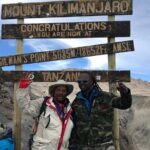
- Day 6: Rainforest descent to Mweka Gate and your certificate moment
- Guide support that can make or break your rhythm
- What to pack (because personal gear isn’t included)
- Who this trek suits best (and who should think twice)
- Should you book this 6-day Kilimanjaro Lemosho climb?
- FAQ
- How long is the Kilimanjaro Lemosho tour?
- Where does the tour start in Moshi?
- What time does the tour start?
- How much does the tour cost?
- What route is used to climb Kilimanjaro?
- Is accommodation included?
- Are meals included?
- Are park fees and admission tickets included?
- Do I need to bring personal hiking gear?
- Is there a toilet provided during the trek?
- What happens if weather is bad?
- What should I know about tips and insurance?
Key highlights worth your attention

- Lemosho start from the west side with an early forest hike before you reach moorland and high plateau views
- Shira-to-Lava Tower acclimatization day that includes Arrow Glacier and the dramatic Shark’s Tooth area
- Summit night timing aimed at the first sunrise rays at Stella Point before reaching Uhuru Peak
- Meals and park-related logistics handled with multiple breakfasts, dinners, and lunches plus all fees and taxes included
- Portable toilet provided, which is a small comfort that matters when you’re tired and altitude is high
- Guide focus on acclimatization habits (one returning climber credits eating more fruits and giving their body time)
Why the Lemosho Route feels like the thoughtful way up
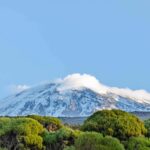
The Lemosho Route is popular for a reason: it eases you in. You begin on the west side of Kilimanjaro, hiking through forests first, then gradually transitioning into moorland and eventually alpine desert. That progression matters because your body adjusts better when the hike doesn’t jump straight from low elevation into the thin-air zone.
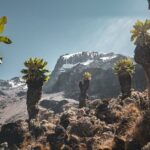
Even if you’ve climbed before, you’ll feel the difference in how the terrain changes. Day 1 stays in the forest world. Day 2 shifts to grassy moorland, heather, and volcanic rock formations. Then Day 3 takes you into a more barren, high-altitude environment where weather can change quickly and views become sharper and more dramatic.
The real value here is not just the scenery. It’s pacing. Kilimanjaro punishes people who race. A route that gives you gradual steps plus intentional rest-and-acclimatization days gives you a better chance of staying steady mentally and physically.
You can also read our reviews of more hiking tours in Moshi
Price and value: what $930 actually covers

At $930 per person for about 6 days, this package is built around the “hard parts” you don’t want to juggle yourself. You’re paying for:
- All fees and taxes (so you’re not constantly adding surprises)
- Airport transfer
- Camping/trek support basics, including a portable toilet
- Hotel accommodations before and after the climb (either booked by you or by the operator)
- Meals: 6 lunches, 5 dinners, and 5 breakfasts
- Admission ticket coverage across the trek (some days listed as included, some as free, but the important point is that park access is handled)
What’s not included is also clearly stated: flights, visas, medical and travel insurance, tipping the crew, and personal hiking gear.
So is it good value? For most people, yes—because the cost isn’t just “guiding,” it’s a lot of the mountain administration and food that turns Kilimanjaro into a smooth schedule rather than a daily puzzle. If you already have all your own camping-ready gear and you can handle logistics on your own, you could spend less independently. But if you want your plan to be organized end-to-end, this price structure makes sense.
One caution: the description lists a maximum of 500 travelers. That number can look intimidating on paper. What you really care about is the size of your trekking group. Before you pay, ask what your actual trekking party size will be.
From Moshi to Lemosho Gate: your first day’s tempo

You’ll meet at BURIGI CHATO SAFARIS CO LTD on Mkwawa Street in Moshi (Shanty town area). Pickup is around 08:00 and you head to the Lemosho Gate on Kilimanjaro’s west side. Expect registration on arrival, then you start walking right away rather than spending hours waiting.
Day 1 is about getting your legs into the game. You hike through the Lemosho Glades and reach Big Tree Camp for the night. The hiking time is listed at about 4 hours, which is perfect for easing into altitude and your pack weight without frying your energy.
If you’re the type who overdoes the first day, treat Day 1 like a warm-up. Kilimanjaro is long. You’re building a “summit budget” of time, breath, and patience.
Practical note: start-time details are listed as 8:30 am and also as pickup around 08:00. Either way, plan to be ready early and don’t treat this as a slow morning.
Day-by-day Kilimanjaro Lemosho: what each stage is really like

Day 1: Forest hiking into Big Tree Camp
You’ll walk into forest, register, and then move steadily toward Big Tree Camp. The key benefit of this day is mental calibration: you get used to hiking with a backpack, and you get your first taste of the mountain’s changing air.
Terrain is gentler than later days, but don’t let that fool you. Day 1 sets your pace for the whole trek.
A few more Moshi tours and experiences worth a look
Day 2: Shira Plateau moorland, heather, and big views
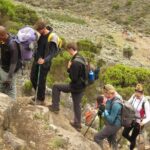
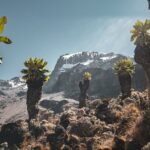
Day 2 is long—about 11 hours—and it covers a lot of vertical work through grassy moorland dotted with heather and volcanic rock. You’ll pass Shira 1 Camp and move toward Shira 2.
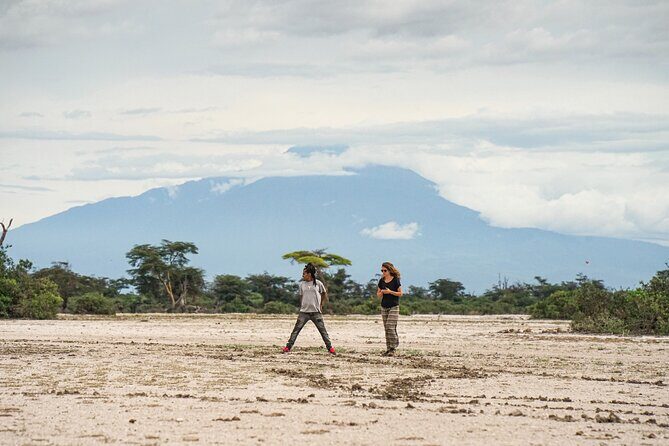
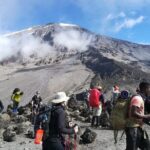
This is a high-value day for views. There are often chances to see Kibo Peak floating in clouds as you approach Shira 2. You may also spot the Northern Ice Fields from the western side, which is one of those “I can’t believe that’s up there” moments.
What to watch: parts of the route are described as steep. Long days that feel like they’re leaning uphill test your endurance. Use an easy rhythm and keep your breathing calm—especially if you start feeling overly eager.
Day 3: Shira 2 to Lava Tower, then down to Barranco (acclimatization day)
Day 3 is where the route starts to feel serious. You climb from 12,500 ft to 15,190 ft and then head toward the Lava Tower area (also called the “Shark’s Tooth”). You continue onward to the Arrow Glacier at around 16,000 ft, then descend to Barranco Camp at about 13,000 ft.
Time on this day is about 9 hours, with a mix of uphill and then a controlled drop.
Why it matters: the itinerary notes that even though you end the day near a similar elevation, the day is very important for acclimatization. You’re giving your body time to adapt while still getting the “training” benefit of high altitude terrain.
Also, alpine desert terrain can be harsher under changing weather. Bring your layers and move carefully—this isn’t the day to charge.
Day 4: Barafu Camp’s barren slopes and the pre-summit sleep plan
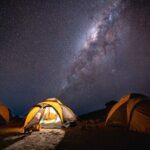
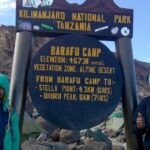
Day 4 moves you to Barafu Camp at about 4640m. The hike is listed at 3 hours, but it’s described as steep and through desolate slopes with no surrounding vegetation.
This is the day that tends to surprise people who think “3 hours” means easy. Short and steep can be harder than a long, steady walk.
After reaching Barafu, you eat and rest until afternoon, then prepare for a long night ahead. The key schedule detail is that you’ll likely sleep, then get up between 11:00 am and 12:00 pm to start the summit push later that night.
Hydration and warmth are specifically called out here. Don’t skip them. If you show up underdressed or under-hydrated, you’ll pay for it overnight.
Day 5: Summit night—Stella Point at sunrise, then Uhuru Peak
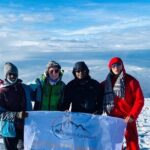
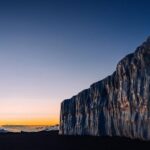
This is the big one. You start around midnight and hike for 4–5 hours up the glaciers at the top. The plan is to be at the rim of the crater at Stella Point (5739m) when the first sunlight hits.
After that, there’s about another hour to reach Uhuru Peak (5895m). You’ll then descend back to Stella Point, continue downhill to Barafu Camp for breakfast, and then go to Millennium Camp for a long break.
The itinerary lists total hiking time at 14 hours. Even with slow pacing, this is a marathon.
What makes it work (and what can go wrong): it’s structured like a sequence—reach a key checkpoint for sunrise, then continue to the summit while energy and temperature are still manageable. The most common mistake is going out too fast at the start and getting behind before Stella Point.
Day 6: Rainforest descent to Mweka Gate and your certificate moment
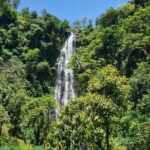
After you recover from the summit day, Day 6 becomes a release. You take a gentle hike through rainforest to Mweka Gate, complete park formalities, and receive a certificate. Then you’re picked up by car and returned to your hotel in Moshi, with a warm shower to look forward to.
This day is short in emotional intensity: you’ve done the hard part. You’ll still need to move carefully on descent, but it’s a calmer close to the trek.
Guide support that can make or break your rhythm

From past climbers’ experiences, guide behavior matters. One returning climber shared that their guide emphasized eating more fruits and making sure they had enough time for acclimatization. That combination—simple habits plus patience—helped them reach the summit.
You’ll also see consistent appreciation for crew members named Geoff, Godfree, and Godson. Even if you don’t know them yet, that’s a sign the team experience can be more personal than you might expect.
How to use that in real life: listen to your guide’s pacing advice, don’t fight the acclimatization plan, and treat nutrition as part of climbing, not just fuel for later.
What to pack (because personal gear isn’t included)

This tour doesn’t include personal hiking gear, so you’ll need to bring your own. Since the schedule includes glacier terrain near the summit and a pre-summit window with warm-up time and nighttime effort, pack for cold and long hours.
At minimum, you should plan for:
- Warm layers and a system you can adjust during changing weather
- Gloves and a hat for summit night conditions
- Footwear that works well on steep, rocky sections
- A headlamp or reliable light source for midnight starts
- Rain protection (mountain weather can turn fast)
- Water strategy and a way to manage it during long walking hours
Also note the package includes a portable toilet, which helps reduce friction during the trek. Still, be prepared to do the basics like everyone else: keep things orderly, follow crew instructions, and conserve energy.
Who this trek suits best (and who should think twice)

This climb is listed as suitable for most travelers, but it’s still Kilimanjaro: long days, big altitude exposure, and a summit push starting around midnight.
You’ll likely love this tour if you:
- Want a route known for gradual elevation progression
- Prefer an organized plan with meals, fees, and logistics handled
- Like challenging hiking with clear milestones (Shira, Lava Tower, Barranco, Barafu, Stella Point, Uhuru Peak)
You should think twice if you:
- Struggle with cold-weather endurance
- Know you get impatient at altitude
- Don’t like long physical days (Day 2 and Day 5 are the reality check)
The itinerary’s biggest challenge is the combination of steep sections and the sheer length of the summit day. Train for stamina, not just speed.
Should you book this 6-day Kilimanjaro Lemosho climb?

If you want a guided Kilimanjaro experience that’s structured like a real ascent plan—forests to moorland to alpine desert, with an acclimatization day that matters—this one fits the bill. The value is strong because it includes park/tour fees and taxes, multiple meals, airport transfer, and the camp essentials like a portable toilet.
Book it if you’re serious about following pacing and taking acclimatization seriously. Bring proper gear, prepare for midnight conditions, and take the “boring” habits your guide recommends (slow steps, consistent hydration, and simple nutrition like fruit).
Skip or rethink if you want a casual hike or you’re not ready for a long summit day. On Kilimanjaro, desire alone doesn’t carry you—only preparation and steady effort do.
FAQ
How long is the Kilimanjaro Lemosho tour?
It runs for about 6 days, with the trek covering multiple hiking days and reaching the summit before descending to Mweka Gate on the final day.
Where does the tour start in Moshi?
The meeting point is BURIGI CHATO SAFARIS CO LTD on Mkwawa Street in Moshi (Shanty town). Pickup to the mountain is scheduled around 08:00.
What time does the tour start?
The listed start time is 8:30 am.
How much does the tour cost?
The price is $930.00 per person.
What route is used to climb Kilimanjaro?
This tour follows the Lemosho Route.
Is accommodation included?
Yes, hotel accommodations before and after Kilimanjaro hiking are included and can be booked direct by you or by the operator.
Are meals included?
Yes. You get 6 lunches, 5 dinners, and 5 breakfasts.
Are park fees and admission tickets included?
The package lists all fees and taxes as included, and the itinerary shows admission tickets included or free on different days, with park formalities handled on the final descent.
Do I need to bring personal hiking gear?
Yes. Personal hiking gears are not included in the tour price.
Is there a toilet provided during the trek?
A portable toilet is included.
What happens if weather is bad?
The experience requires good weather. If it’s canceled due to poor weather, you’ll be offered a different date or a full refund.
What should I know about tips and insurance?
Tipping the crew is not included. Medical and travel insurance are also not included.