REVIEW · MOSHI
5 Days Climbing Mount Kilimanjaro Marangu Route
Book on Viator →Operated by Transkibo Travels Ltd · Bookable on Viator
Summit dreams start with a gate. The Marangu Route is the classic 5-day path up Kilimanjaro, known as the Coca-Cola route for being the easiest way to climb, with hut beds and a clear schedule toward Uhuru Peak. If you want a structured trek without camping gear stress, this plan is built for you.
I love how it balances comfort with real mountain time. The sleeping setup is a big deal: communal huts at each camp, with solar lights, beds, and sponge mattresses plus a pillow. I also like the way the days are meal-led and guided, so you’re not constantly thinking about logistics while your body is figuring out altitude.
One consideration: even on the gentler Marangu path, the finish is still tough. The summit night is a long, steep grind that starts in the middle of the night and can feel slow even when you pace right.
In This Review
- Key things I’d lock in before you go
- Marangu’s “Coca-Cola” reputation: what that actually means for your body
- Day 1: Marangu Gate to Mandara Hut through rainforest and monkey sightings
- Day 2: Forest to high moorland, plus first likely views of Kibo and Mawenzi
- Day 3: Crossing the Saddle (the lunar desert) to the Kibo crater wall camp
- Day 4: Summit night to Gilman’s Point, then the crater-rim traverse to Uhuru Peak
- Day 5: Descend back through moorland and lush forest to Marangu village
- Price and what you really get for $1,650 per person
- Logistics that can make or break your experience
- Packing for hut sleeping: comfortable isn’t the same as warm
- Weather: clear skies can turn the climb into something unforgettable
- Who this climb suits best (and who should think twice)
- Should you book this 5-day Marangu climb?
- FAQ
- What is the duration of the Mount Kilimanjaro climb on the Marangu route?
- What time does the trek start each day?
- Are meals included during the climb?
- Where will I sleep during the hike?
- Is hotel pickup and drop-off included?
- What should I bring since it is not included?
- FAQ
- Is there free cancellation, and how far in advance do I need to cancel?
- Can I pay in cash on arrival?
- Should I book this tour or shop alternatives?
Key things I’d lock in before you go

- Hut sleeping every night: solar lights, beds, and sponge mattresses make Marangu feel more manageable than camping routes
- Guided structure from gate to gate: formalities at Marangu Gate and a planned return day with a vehicle pickup
- A clear summit route pattern: steep push to Gilman’s Point, then crater-rim traverse to Uhuru Peak
- Time outdoors, not time guessing: early dinners and summit prep are scheduled so you can rest when it counts
- Value-heavy inclusions: meals, rescue fees, national park fees, porters, and unlimited mineral water
- Know the weather swings: crisp, clear conditions can make a huge difference for views, especially around Kibo and Mawenzi
Marangu’s “Coca-Cola” reputation: what that actually means for your body

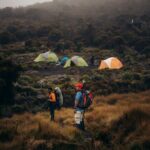
Marangu is often called the Coca-Cola route because it’s the most straightforward Kilimanjaro experience. Translation: fewer surprises about shelter. You climb with huts at the camp sites rather than tents, and you sleep on beds in communal rooms. They’re not luxury rooms, but they are a major stress reducer because you don’t have to set up or manage camping gear.
This matters when you’re dealing with altitude. Your body needs recovery, and the routine on Marangu supports that. Each day has a long walking block, then a camp with food and time to settle in. You’re also getting an English-speaking, certified guide, so you’re not left trying to interpret signs, elevations, or timing on your own.
The route is also described as the easiest and shortest summit route, which is why it’s popular. Still, “easier” doesn’t mean “easy.” Kilimanjaro always has altitude, cold nights, and steep sections. The win here is comfort and predictability, not guaranteed smooth hiking.
A few more Moshi tours and experiences worth a look
Day 1: Marangu Gate to Mandara Hut through rainforest and monkey sightings

Your day starts with the Marangu Gate formalities before you even begin the real climb. That setup is practical. It’s one less thing to figure out mid-trek, and it helps your guide keep the schedule moving.
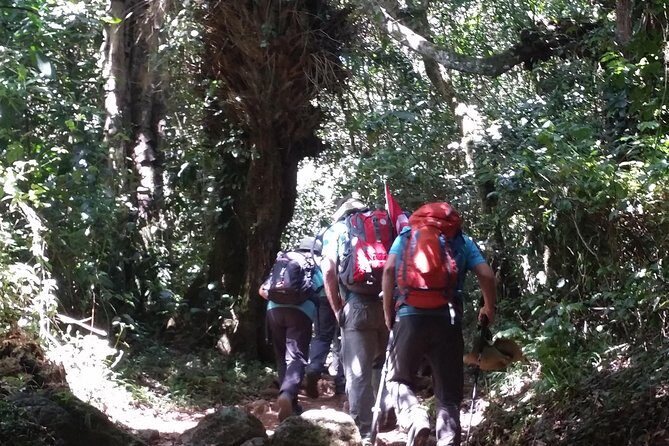
Then you step into tropical rainforest near the upper forest line. This is where the vibe often feels playful and alive. You may spot blue monkeys along the trail, and the path tends to climb through lush green terrain before it widens again as you leave the densest forest behind. The hike is about 5 hours, ending at Mandara Hut.
Why this stop matters: Day 1 is mostly about warm-up and rhythm. You’re not just moving upward; you’re also adjusting to how you’ll breathe and pace for the days ahead. If you tend to charge early, this first day is a good place to practice patience. Save energy for the later stages, where everything gets steeper and thinner.
Day 2: Forest to high moorland, plus first likely views of Kibo and Mawenzi
Day 2 begins with a steep ascent through the forest. Then, the scenery changes. You move into high moorland, and the air can feel cooler and sharper. If the sky is clear, this is often when hikers get their first bigger views of Kibo and Mawenzi, the two major volcanic peaks in the Kilimanjaro set that frame the climb.
The day is about 8 hours. That’s long enough that you want steady pacing rather than stop-start hiking. You’ll likely feel the effort more here than on Day 1, not because the route is suddenly harder on paper, but because altitude and exposure start to matter more.
What to watch: clarity in the sky can change your whole experience. One of the best things you can do for yourself on Kilimanjaro is protect your ability to see. If the weather opens up, you’ll want to be ready to pause and look, not just power onward.
Day 3: Crossing the Saddle (the lunar desert) to the Kibo crater wall camp

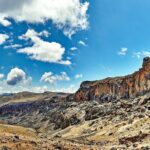
Day 3 is where the trek starts to feel more dramatic. The climb is gradual, then you cross the Saddle, described as a lunar desert between Mawenzi and Kibo. That name fits the vibe: it can look stark, with a rougher, more barren feel than the rainforest days.
Eventually you reach a campsite at the bottom of the Kibo crater wall. This location is key because it sets up summit night. By the time you’re there, you’ve already done the hardest “getting there” portion of the route, and now the plan becomes about resting, eating early, and preparing both mentally and physically.
This day is also about 8 hours. The big win is the early dinner and prep time at camp. You’re not just arriving and immediately scrambling around. You’re meant to rest.
Practical thought: if you get nervous before summit night (totally normal), Day 3 is when you can calm that down. Eat what you can, hydrate, and follow the guide’s instructions. Your job is to show up for the next day’s climb.
Day 4: Summit night to Gilman’s Point, then the crater-rim traverse to Uhuru Peak

Day 4 is the signature day. You wake in the middle of the night and begin the final push. The trail toward Gilman’s Point is steep, and the ascent is slow and steady. That slow approach isn’t a suggestion; it’s how you make progress without burning yourself out.
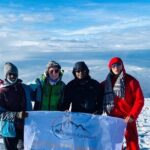
From Gilman’s Point, you traverse along the crater rim to Uhuru Peak. That traverse is one of the reasons Marangu works as a 5-day plan. You’re guided through a defined path with a clear end goal.
The total day is about 12 hours. You stay at the summit for a short time—enough for photos and the big views—before retracing your steps all the way back to Horombo Hut.
Here’s the balanced truth: summit day can feel like it’s both never-ending and extremely fast. Never-ending because of altitude and steepness. Fast because once the top is within reach, your focus narrows and time stops mattering as much.
Practical tip for your mindset: treat summit night like a sequence of small wins. Step-by-step. Breath-by-breath. You’re aiming for rhythm, not speed.
Day 5: Descend back through moorland and lush forest to Marangu village
After breakfast, the descent begins. It’s described as steady, taking you down through moorland to Mandara Hut first. Then you continue descending through lovely lush forest on a good path to the National Park gate at Marangu.
This day is about 7 hours, but the big factor is that it’s a downhill day that can still feel tiring—especially after a summit. Your legs will work differently now. Expect effort in calves and joints, even if the altitude risk feels lower.
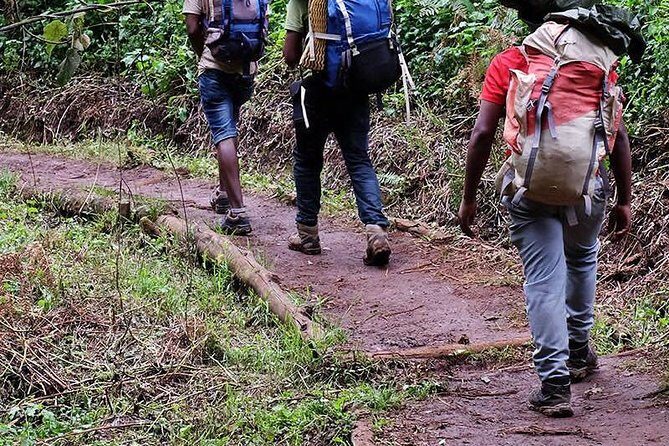
The lower elevations can be wet and muddy. That’s not rare. It’s why the route guidance specifically calls out gaiters and trekking poles. If your feet hate wet ground, gaiters can help a lot. If your knees complain on descents, poles can reduce stress.
On the clothing side, shorts and t-shirts may be plenty, but keep rain gear and warmer layers handy. You’ll often feel temperature shifts between forest shade and higher exposed sections, and conditions can change quickly.
At the end, a vehicle meets you at Marangu village and drives you back to your hotel in Moshi. That last step is part of what makes this route feel organized. You finish the hike and then get pulled back into comfort without wrestling transport.
Price and what you really get for $1,650 per person

At $1,650.00 per person, the cost may sound steep until you see what’s included. This price is doing a lot of heavy lifting for you: all meals (breakfast, lunch, dinner), a certified English-speaking guide, and transportation with hotel pickup and drop-off. That alone removes a bunch of planning work.
It also includes rescue fees required by the national park, and national park gate fees. Those items are easy to overlook when you’re shopping, but they matter. They’re part of why you’re not just paying for hiking—you’re paying for being part of the regulated system.
There’s also porter support and camping fees included, plus unlimited mineral water. Porters and camping fees are particularly important on Kilimanjaro because your time on the mountain should be about walking and resting, not carrying everything you brought from Moshi.
Then there’s the “small but useful” stuff: pickup offered and a mobile ticket. The confirmation is received at booking time, which reduces uncertainty.
Bottom line on value: if you want hut sleeping, full meals, and the park-required costs handled by the operator, this package structure is the point. If you already have your own guide, want to manage everything, and are camping-focused, you might shop differently. For most people, the inclusions make it feel like one price for one clear plan.
Logistics that can make or break your experience

This tour runs on a start time of 7:00 am. That’s early, which is good. You get moving before the day gets crowded with heat, and you stick to the mountain schedule rather than local timing chaos.
It’s also a private tour/activity, meaning only your group participates. That matters if you want a more controlled pace and less waiting around for other hikers.
One more practical note: you must bring your personal equipment. The operator is covering guiding, meals, and the structure of the climb, but you’ll still need your own trekking essentials and cold/rain readiness.
Based on real-world booking experiences, I’d also recommend you ask your operator to confirm the exact communication flow after payment: who you call, what time they pick you up, and who is responsible for your group on the mountain. Some people have said the first stage communication was strong, then became slower later. You don’t need perfection, but you do want clarity.
And if you’re concerned about porter quality, ask questions early. One common frustration on climbs is uneven porter support, especially when the load and fitness don’t match the pace of the route. The right thing to do is check how many porters you’ll have and how the team is planned for your group.
Packing for hut sleeping: comfortable isn’t the same as warm
Hut sleeping is a big comfort upgrade, but it does not mean you’ll be warm all night. Kilimanjaro summit nights can turn cold fast, and the itinerary includes a midnight start for Day 4, which tells you where your cold exposure will be worst.
Because the tour guidance points you toward shorts and t-shirts, you might assume you can travel lightly. Plan for layers anyway. Pack rain gear and warmer clothing and use them when the weather or temperature shifts.
For the descent, muddy conditions are specifically called out. That’s where gaiters and trekking poles become more than optional. They’ll help you keep moving without feeling like every step is a small battle.
Also remember: you’ll be moving for long blocks—Day 2 is about 8 hours, Day 3 is about 8 hours, and Day 4 can hit around 12 hours. You’ll want clothing that dries and a setup that doesn’t constantly irritate you when you’re tired.
Weather: clear skies can turn the climb into something unforgettable
One of the most memorable parts of Kilimanjaro is seeing the peaks when the sky cooperates. Clear skies help you watch Kibo and Mawenzi come into view, and they make summit time feel extra rewarding.
A real clue from past experiences: August climbers have sometimes reported perfect trekking weather with clear skies, cool crisp air, and breathtaking views day after day. August isn’t a guarantee, but it’s a good reminder that timing can influence what you see and how you feel.
If your schedule allows, I’d treat sky conditions as part of the plan, not just luck. Stay attentive during the days when weather clears. When it does, take a minute instead of rushing past the moment.
Who this climb suits best (and who should think twice)
This Marangu 5-day setup is a strong match if you:
- want hut sleeping every night with solar lights and beds
- prefer a guided, structured route with meals handled
- want an easier and shorter summit approach compared with more camping-heavy routes
- like the idea of a planned vehicle return to Moshi after the final descent
It’s also a good fit if you’re first-time Kilimanjaro climbers who want a clear framework and don’t want to manage camp setup in cold air.
Think twice if you:
- want a fully independent climb (this is private and guided, and you’ll still rely on the team schedule)
- get discouraged by long hiking days and a long summit push, even on the easier route
- hate early mornings and late nights (Day 4 starts in the middle of the night)
Should you book this 5-day Marangu climb?
If you want the Kilimanjaro experience with hut comfort, guided meals, and a clean plan toward Uhuru Peak, this tour format makes a lot of sense. The price becomes easier to justify when you consider the included guide, park costs, rescue fees, porters, and unlimited mineral water.
Book it if your goal is a smooth, organized climb that still ends with the real summit moment. I’d only hesitate if you’re worried about communication after payment or porter support quality—so ask those questions early, get the details in writing, and you’ll protect your peace of mind before you ever leave Moshi.
FAQ
What is the duration of the Mount Kilimanjaro climb on the Marangu route?
The package is about 5 days, designed to help you reach Uhuru Peak (summit) and return.
What time does the trek start each day?
The start time is 7:00 am.
Are meals included during the climb?
Yes. All meals are included: breakfast, lunch, and dinner.
Where will I sleep during the hike?
You sleep in huts at each camp site. The huts have solar lights and beds, and the bunks include a sponge mattress and pillow.
Is hotel pickup and drop-off included?
Yes. Transportation includes hotel pickup and drop-off, and on the last day a vehicle meets you at Marangu village to drive you back to your hotel in Moshi.
What should I bring since it is not included?
You need to bring your own personal equipment and gear.
FAQ
Is there free cancellation, and how far in advance do I need to cancel?
Yes, free cancellation is available. You can cancel up to 24 hours in advance for a full refund.
Can I pay in cash on arrival?
One past guest said they were allowed to pay upon arrival in cash. I recommend confirming this directly with Transkibo Travels Ltd when you book.
Should I book this tour or shop alternatives?
Book it if you want a clear, guided route with hut sleeping, all meals, and the key park/rescue costs included. Shop alternatives if you’re aiming for a more camping-based experience or if you want a different level of comfort on the mountain.