REVIEW · MOSHI
6 Days Kilimanjaro climb – Marangu route
Book on Viator →Operated by Destiny Explorers · Bookable on Viator
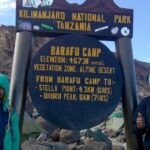
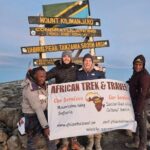
Kilimanjaro by hut feels more doable. This 6-day Marangu route from Moshi follows the classic path many people call the Coca-Cola route, then still delivers the real deal: a midnight climb up toward Uhuru Peak.
What I like most is that the trekking feels structured, not chaotic, and you spend your energy on the mountain instead of endless logistics.
Two things really stood out to me: sleeping huts on Marangu, so you’re not constantly in camping mode, and a crew setup that keeps the machine running (reliable planning, organized support, and meals that are more than just survival food). People also mentioned that Issa in reservations was responsive and gave clear explanations before the climb.
The main drawback to respect is that huts do not mean easy. Cold wind, thin air, and the long summit night still hit hard, and altitude sickness can force a turn-back decision—so you need to take pacing and communication seriously from day one.
In This Review
- Key things to know before you go
- Why the Marangu Coca-Cola route is so popular
- Day 1: Moshi transfer, Marangu Gate, and a rain-forest warm-up
- Day 2: High moorland, first big views, and the longer walk
- Day 3: Acclimatization at Horombo Hut with a Mawenzi option
- Day 4: Into the alpine desert and up to Kibo Hut
- Day 5: Midnight summit push to Uhuru Peak (and Gilman’s point)
- Day 6: Descent to Mweka Gate and the ride back to Moshi
- Price and value: what $2,000 per person buys you
- What the hut sleeping really changes for your comfort
- Who should choose Marangu, and who might reconsider
- Practical tips that make this route easier
- Should you book this Kilimanjaro climb with Destiny Explorers?
- FAQ
- What route is this, and where does it start?
- How long is the climb?
- Are there sleeping huts on the Marangu route?
- What time does the experience start?
- How long is the summit day hike?
- What’s included in the tour price?
- What’s not included?
- Do I get pickup from Moshi?
- Is this a private tour?
- What is the cancellation policy?
Key things to know before you go

- Huts on Marangu: no tents to sleep in, which lowers stress on a demanding climb
- Rain forest start to high moorlands: you’ll move through very different weather and footing
- Acclimatization day on Mawenzi Ridge: a shorter outing to help your body adjust
- Saddle to Kibo Hut: gradual climb into the alpine desert before summit prep
- Summit push at midnight: long, cold, wind-prone hours with short breaks to keep moving
- Private transport and full meals included: easier logistics, and you’re eating on a schedule
Why the Marangu Coca-Cola route is so popular
Marangu is the classic Kilimanjaro route because it’s one of the most straightforward for first-time climbers to understand. It follows the historic line many early summit attempts used, and it moves through clearly changing zones: rain forest, moorland, heath, alpine desert, and then the cold, icy-feeling air near the top.
The big practical reason people pick Marangu is the huts. You still earn every meter, but you’re not building or packing camp day after day. That matters if you’re the type who wants to focus on your breathing, your footing, and staying warm.
Also, the route pacing has a built-in rhythm: longer days early, an acclimatization day in the middle, then a summit night push. It feels more like a planned training block than a constant grind from the first hour to the last.
A few more Moshi tours and experiences worth a look
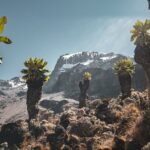
Day 1: Moshi transfer, Marangu Gate, and a rain-forest warm-up

You start from Moshi with pickup offered, and the day begins with the formalities at Marangu Gate. Once you’re walking, the first stretch is all about green and humidity—rain forest, fresh air, and that steady climb that wakes up your legs without immediately going brutal.
Expect about 4–5 hours and roughly 8 km (5 miles) to reach Mandara Hut. The trail climbs through dense forest, and as you near the upper forest edge, you might spot blue monkeys. It’s a nice reminder that Kilimanjaro is more than just altitude math—it’s also life, sound, and movement.
What I like about this opening day is the mental effect. If you’re nervous, the forest helps you slow down and get your bearings fast. Just don’t get too comfortable: you’re still building altitude early, and you’ll want to keep your effort moderate.
Day 2: High moorland, first big views, and the longer walk

Day two is longer—about 6–8 hours over 12 km (7 miles)—as you transition upward from forest into high moorland. The air tends to feel drier and cooler, and the footing can change as vegetation thins.
This is also where you might get your first real views of Kibo and Mawenzi, the two major volcanic peaks that form part of Kilimanjaro’s summit mass. Even when the weather isn’t perfect, you’ll usually see enough to understand what you’re working toward.
Night and early morning matter on Kilimanjaro. Even on day two, you want to think about how you’ll handle cold later in the trip—what you’ll wear, what you’ll keep accessible, and how quickly you tend to lose warmth.
Day 3: Acclimatization at Horombo Hut with a Mawenzi option

Day three is your extra day for acclimatization, moving from Horombo Hut toward Mawenzi Ridge and back. This day is shorter on the clock—about 2–3 hours out and 1–2 hours return—covering around 5 km (3 miles) total.
The value here is simple: your body has time to adjust before you push higher. You’ll get motivation from those ridgeline views of Kibo and Mawenzi, and you can treat the outing as a focused day hike rather than another forced march.
One thing to plan mentally: this day can feel like a break, but you still need to manage your effort. If you charge too hard because you’re fresh, you can pay for it the next day. Think smooth and steady, not fast.
Day 4: Into the alpine desert and up to Kibo Hut

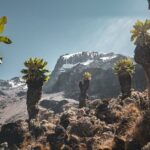
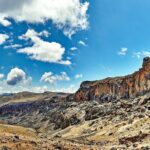
On day four, you climb from about 12,205 ft to 15,430 ft, walking roughly 6 miles (10 km) for 6–8 hours. The environment becomes alpine desert, and the feeling is different: fewer trees, more open sky, more exposure to wind, and that stark, lunar-like footing that makes the slope feel longer.
You’ll cross the Saddle between Mawenzi and Kibo, one of those places where you realize the mountain has its own geometry. It’s also where you feel the shift toward summit-season conditions—lighter air and colder air, often whether the sky looks dramatic or not.
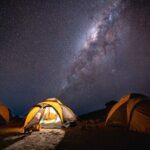
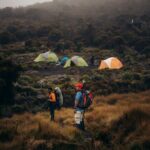
Your overnight is Kibo Hut, sitting at the bottom of the Kibo crater wall. The advantage of hut sleeping continues here: after your hardest daytime slog so far, you can rest, eat early dinner, and gear up for the summit night.
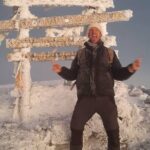
Day 5: Midnight summit push to Uhuru Peak (and Gilman’s point)

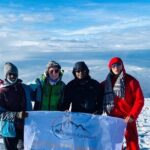
This is the heart of the climb. You start the summit attempt around midnight, pushing from about 15,430 ft up to 19,341 ft, with the hike time often listed as 6–8 hours for the ascent portion and 4–5 hours for the way back down to Horombo Hut.
At this altitude and in the dark, the mountain gets serious fast. Wind and cold can be extreme, and the air feels thin enough that you can’t rely on willpower alone. The trick is pacing: move in short, frequent breaks. It’s slow progress, but it keeps you functional.
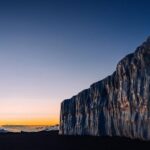
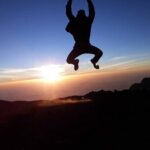
You reach Gilman’s Point around 18,600 ft, where the reward often arrives right on schedule: the cold becomes stillness, and the sunrise (when conditions allow) can be unforgettable—light spreading over the volcanic ridges you’ve been climbing for days.
Practical tip: on summit night, your clothing strategy matters more than your trail strategy. You’ll want layers that you can adjust quickly, plus something that protects you from wind while you pause. When you stop, you cool down fast.
Also, take any altitude symptoms seriously. In one case, a climber had altitude sickness and needed to turn back, and the support on the mountain meant they weren’t left to handle it alone. That’s the kind of decision-making you want your crew guiding early.
Day 6: Descent to Mweka Gate and the ride back to Moshi

Your final day is mostly descent, from roughly 12,205 ft down to 6,046 ft over 5–7 hours. You’ll hike about 20 km (12 miles) to Mweka Gate, pick up summit certificates there, and then continue roughly an hour to Mweka Village.
This is where things can get wet and muddy. Even if you feel proud and relieved, treat the last hours like part of the climb: watch your footing, keep your balance, and don’t overdo it just because you’re near the end.
After you reach Mweka Village, a vehicle meets you and drives you back to your hotel in Moshi. The whole point of Marangu’s design becomes clearer on day six: you’ve been on a route with hut stops, structured meals, and a more predictable progression, so the finish feels like a clean exit rather than an all-day struggle with gear.
Price and value: what $2,000 per person buys you

At $2,000 per person, you’re paying for more than the trail. This price includes private transportation, mobile ticketing, and a full set of meals: breakfast (5), lunch (6), and dinner (5).
For many people, that matters a lot. Buying food separately at altitude can turn into a headache, and spending your own money on transfers around Moshi can add up fast once you factor in timing. A private setup also keeps the rhythm tighter—your group goes together, instead of waiting around for other tours.
What’s not included is also worth knowing: tipping the mountain crew and person expenses. If you want to avoid last-minute surprises, plan that extra budget early. A climb runs on teamwork, and your crew is the difference between a trip that feels smooth and one that feels chaotic.
What the hut sleeping really changes for your comfort
Huts on Marangu are a big deal if you get cold easily or you simply don’t want to live out of a tent for days. It doesn’t remove the cold at altitude, but it changes the baseline comfort: you’re not dealing with tent setup, wind blowing through fabric, or the hassle of camp routine.
It can also help you sleep better during the days you need rest most—especially the nights before summit day. The more sleep quality you can protect, the better your decision-making will be when you’re tired and hypoxic.
Just remember: huts aren’t luxury hotels. You’ll still face cold air and shared spaces, so come with the mindset of “warm enough to recover,” not “comfortable enough to relax.”
Who should choose Marangu, and who might reconsider
This climb fits people with moderate physical fitness who want a classic Kilimanjaro experience with less camping stress. It’s also a good choice if you appreciate a well-paced plan that includes an acclimatization day rather than stuffing too much into every 24-hour period.
If you’re someone who hates cold, hates being exposed, or expects a gentle experience because it’s hut-based, you should recalibrate. The summit night is still a tough reality check: wind, darkness, and the long slow climb to Uhuru Peak.
If you have any medical concerns related to altitude, talk to your clinician before booking. And once you’re on the mountain, listen early. The best trips are the ones where you communicate quickly rather than toughing it out.
Practical tips that make this route easier
A few things I’d plan around for Marangu specifically:
- Your summit-day layers matter. You’ll be moving in cold wind around midnight, then pausing often. Bring layers you can adjust quickly.
- Keep your pace steady on every day. Even day three can trick people into going too fast because it’s shorter.
- Expect wet and muddy on the way down. Have footwear and outer layers that handle slop without wrecking your morale.
- Use your acclimatization day well. Mawenzi Ridge is there to help your body; don’t treat it like a race.
Also, because this is a private tour/activity with only your group participating, you’ll likely spend more time with your crew doing things like check-ins and adjustments. That’s a good setup for learning what to do when you feel off.
Should you book this Kilimanjaro climb with Destiny Explorers?
If you want the classic Kilimanjaro route with hut sleeping, structured days, and support that feels professional, this is a strong fit. The value looks solid at $2,000 because meals and private transport are included, and the overall structure gives you the kind of plan that helps on an altitude challenge.
I’d book if: you’re aiming for a classic first Kilimanjaro, you want huts instead of tents, and you like the idea of a clearly managed summit push.
I’d pause if: you think hut sleeping means “easy,” you’re very sensitive to cold and wind, or you’re unsure about altitude risk. In that case, it’s worth talking through your situation and being honest about how you handle slow exertion.
FAQ
What route is this, and where does it start?
This is a 6-day Kilimanjaro climb on the Marangu route that starts from Moshi, Tanzania and includes departure for Marangu Gate.
How long is the climb?
The duration is about 6 days.
Are there sleeping huts on the Marangu route?
Yes. This route uses sleeping huts, so you do not camp on this itinerary.
What time does the experience start?
The start time is 7:00 am.
How long is the summit day hike?
The summit push to Uhuru Peak is listed as 6–8 hours, and the return to Horombo Hut is listed as 4–5 hours.
What’s included in the tour price?
Included items are private transportation, lunch (6), breakfast (5), and dinner (5).
What’s not included?
Not included are tipping the mountain crew and person expenses.
Do I get pickup from Moshi?
Yes. Pickup offered is listed as part of the experience.
Is this a private tour?
Yes. It’s a private tour/activity, so only your group participates.
What is the cancellation policy?
You can cancel for free up to 24 hours in advance of the experience start time for a full refund. If you cancel less than 24 hours before, the amount paid is not refunded.