REVIEW · MOSHI
Walking Day Tour to Safari in Arusha National Park
Book on Viator →Operated by Tarry Adventures and Safaris · Bookable on Viator
You can tell Arusha is special the moment you start walking. This is a ranger-led day that trades long drives for close-up wildlife and on-foot views across forests, grasslands, and lake areas. It’s a more personal way to experience a park that many people rush through.
What I like most is the balance of safety and learning. You get an expert guide/ranger who helps you read animal behavior and move smartly on the ground. I also like the way the day feeds you: lunch and water are included, with options for vegetarian and vegan diets, so you’re not left guessing what you’ll eat mid-safari.
One consideration: the timing depends on conditions. This experience requires good weather, and you’re walking as part of the plan, so a full 10 hours on uneven trails may feel like a lot if you’re expecting a totally laid-back day.
In This Review
- Key things you should know before you go
- Walking Day Tour to Arusha National Park: The real difference on foot
- Your day, hour by hour: a 10-hour rhythm that actually makes sense
- Where you’ll meet and how pickup usually works around Moshi
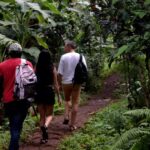
- The walking safari in Arusha National Park: pace, safety, and why the ranger matters
- Animal encounters you can actually feel: what shows up on the walk
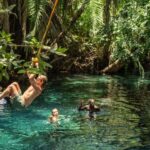
- Forest, grassland, and lake areas: why Arusha’s mix keeps the day interesting
- Lunch and water: the unglamorous part that keeps the whole day enjoyable
- Guide team: small details and real names you might run into
- Price and value: why $300 can make sense here
- Who this walking safari fits best (and who should be cautious)
- Should you book this Arusha walking day tour?
- FAQ
- FAQ
- Where does the tour start and end?
- Do I get pickup from my hotel in Moshi?
- How long is the Walking Day Tour to Arusha National Park?
- How much time do we spend in the park?
- Is lunch included?
- Can the tour accommodate vegetarian or vegan diets?
- What’s the group size limit?
- Are admission tickets included?
- Is there a mobile ticket?
- What if the weather is bad?
- What’s the cancellation policy?
Key things you should know before you go
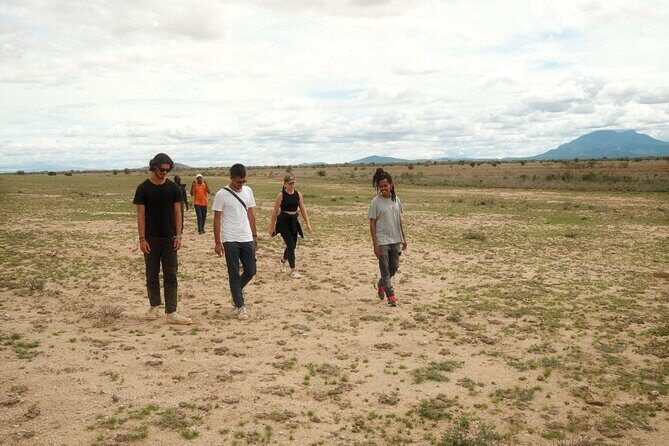
- Small group size (max 7 people) keeps the walk more controlled and easier to personalize
- 5 hours in the park gives you time to actually look, not just pass by scenery
- Ranger-led animal spotting on foot means learning animal behavior, not just taking photos
- Lunch and water included, with vegetarian and vegan options listed
- Free admission ticket for the park is baked into the day’s cost
- Good weather is required, so plan to be flexible if conditions change
Walking Day Tour to Arusha National Park: The real difference on foot
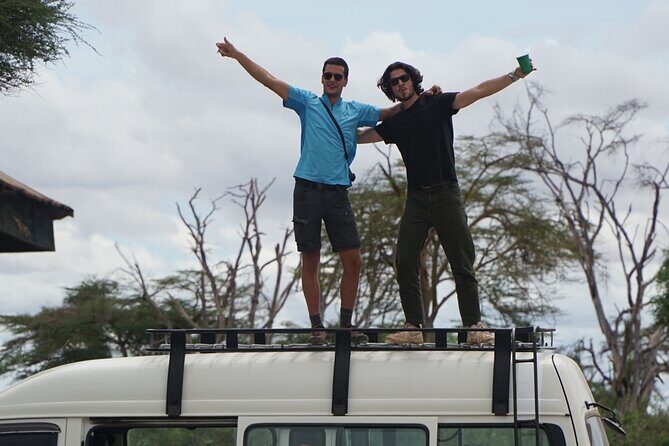
If your safari instinct says “I want wildlife,” walking in Arusha is how you slow down enough to notice what wildlife is doing. In a jeep, animals can feel like quick sightings. On foot, you’re closer to the details: how a trail funnels movement, where tracks lead, and what changes when an animal is paying attention to you.
Arusha National Park is also a rare kind of place where ecosystems stack up in the same day. You can go from forest-like areas to open grassland zones and toward quieter lake areas, all with a ranger steering you. That mix matters because animals shift where they feel safe—so your route isn’t random. It’s built around how the park works.
This is run by Tarry Adventures and Safaris, and the style is clearly “stay human-sized.” The group is limited to a maximum of 7 people, which tends to mean less bottlenecking and more chances for your ranger to answer questions as you go.
You can also read our reviews of more walking tours in Moshi

Your day, hour by hour: a 10-hour rhythm that actually makes sense
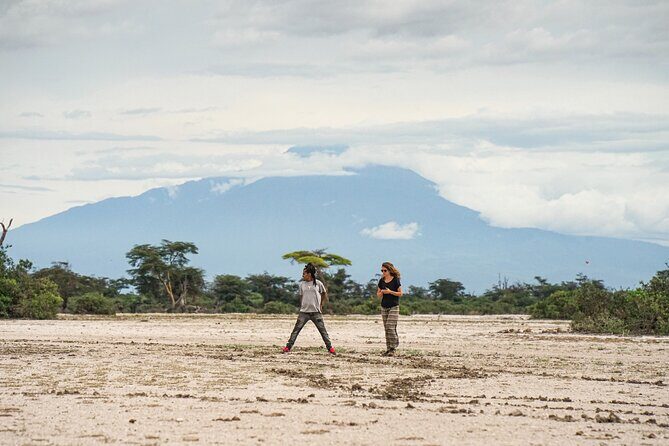
The day runs about 10 hours total, including travel time. The park time is about 5 hours, which is the core of the experience.
Here’s the practical flow you can expect:
- Start early enough to get into the park while conditions are still good for walking.
- Spend roughly half the day moving through Arusha with a ranger, following a path that matches the day’s wildlife activity.
- Take your included lunch and water break.
- Return to the meeting point when the day ends.
That structure is valuable because it avoids the two common safari problems: either you spend all day stuck in transit, or you cram the walking into too little time. Five hours on the ground gives you enough time to settle into the pace and still feel like you actually “did” something, not just sampled it.
Where you’ll meet and how pickup usually works around Moshi
The stated meeting point is Kilimanjaro Airport, with the activity ending back at the same meeting point. Pickup is also listed as offered, which is a big deal in Moshi because you don’t want your day to start with logistics headaches.
What you should do: when you confirm, ask for the exact pickup location/time that applies to your hotel or arrival situation. Since the meeting point is specified, you’ll want clarity on where the driver meets you and how long the transfer is likely to take.
This matters more than it sounds. A 10-hour day can feel shorter or longer depending on whether your pickup is smooth. If you’re starting the tour already stressed about timing, you’ll notice it once you get to the park and have to slow down.
The walking safari in Arusha National Park: pace, safety, and why the ranger matters
The core of this tour is a walking safari led by a skilled ranger. The ranger’s job isn’t just to point out animals. It’s to help you walk safely and understand what you’re seeing.
In Arusha, animals don’t show up as a neat checklist. They appear and disappear based on food, water, and comfort level. Walking changes your relationship with that. You’re close enough to observe behavior—like whether an animal is watching, moving away, or temporarily relaxed. A good ranger reads those signals so you don’t turn a calm moment into a tense one.
You also explore varied terrain types within the park. The information provided highlights lush forests, open grasslands, and serene lake areas. That mix is meaningful because it affects both what animals you might spot and how the ground feels underfoot.
One more practical note: the experience is described as tailored to your pace, and “most people can participate.” Translation: it’s not framed as a hardcore trek, but you should still expect walking. Wear shoes you trust.
Animal encounters you can actually feel: what shows up on the walk
This is the part most people care about, and Arusha delivers when conditions cooperate. From the animal sightings linked to the experience, you can reasonably expect chances for animals such as giraffes, warthogs, zebras, monkeys, and buffalo species. People also mention Cape buffalo and buffalo sightings during the day.
What’s important isn’t only the list—it’s how close the encounters can be on foot. When you’re on a trail with a ranger managing distance and timing, you get that rare “wait, it’s right there” moment. The guide and ranger also help you understand what you’re looking at, which is why these walks tend to feel more memorable than a quick drive-by.
If you’re coming from a place where you mostly do jeep safaris, walking safari logic is different:
- You may see fewer animals than a high-speed itinerary, but the sightings tend to feel more personal.
- You’ll spend more time watching behavior, not just tracking location.
That’s exactly why people rate this experience highly.
A few more Moshi tours and experiences worth a look



Forest, grassland, and lake areas: why Arusha’s mix keeps the day interesting
Arusha National Park’s diversity isn’t just a marketing line. The day is designed around moving through different habitat zones, so your eyes don’t get bored.
- Forest-like areas can feel cooler and shaded, with a different rhythm for animal movement.
- Open grasslands tend to be where visibility helps—animals can appear at a distance, then drift closer as the day’s mood changes.
- Lake areas often shift the focus toward water-dependent wildlife behavior.
Even if you’re not a wildlife expert, your brain starts categorizing what you’re seeing. That’s a big part of why walking works here: you’re not just passing through one “type” of safari. You’re watching how wildlife uses different micro-habitats.
Lunch and water: the unglamorous part that keeps the whole day enjoyable
One reason this tour holds up well is that it doesn’t forget basic comfort. Lunch and water are included, and dietary needs like vegetarian and vegan options are explicitly mentioned.
People often underestimate how much a good meal changes safari energy. If you have to find food midday, you lose time and patience. Here, lunch is planned into the day, which helps you stay focused during the walking portion.
Also, the lunch is described as delicious and generous. That matters because you’re spending a long day outdoors. You’ll feel it if you skimp on food earlier.
Guide team: small details and real names you might run into
A big part of the value here is the human factor. This experience is described as having a skilled ranger, plus a guide who helps coordinate the whole day.
From the information shared, Joseph and Fadhili are named as standout guides. I can’t promise which guide you’ll get, but it’s a good sign when the same names keep showing up with praise for managing everything and explaining what you’re seeing.
What you should look for during the walk:
- Ask short, direct questions when you pause.
- Listen to instructions about where to stand and how to move.
- Pay attention when the ranger points out signs, not just animals.
If you do that, you’ll turn the walk into a learning experience, not just a photo session.
Price and value: why $300 can make sense here
At $300 per person, this isn’t a budget impulse buy. But the pricing can make sense when you look at what’s included and how small the group is.
Here’s what you’re paying for, in practical terms:
- Private transportation (so you’re not joined to a random bus schedule)
- Lunch and water (with listed dietary accommodations)
- Park admission ticket is free
- Ranger-led walking in Arusha with about 5 hours in the park
- Max group size of 7 people, which usually means more attention per person
If you’re comparing to jeep-only day tours, walking safaris can feel like better “time-on-wildlife.” You also tend to get more interaction and less crowding. That’s part of the value: it changes the feel of the day.
Planning ahead helps too. This type of trip is often booked about 36 days in advance, so if you’re traveling in a busy season, waiting can narrow your options.
Who this walking safari fits best (and who should be cautious)
This tour is a strong fit if you:
- Want a walking safari with a ranger, not only a vehicle-based drive
- Enjoy learning how animals behave and use habitat
- Prefer smaller groups (max 7 people)
- Appreciate that lunch and dietary needs are planned
Be cautious if you:
- Have trouble with long outdoor days. The total duration is about 10 hours, and walking is part of the plan.
- Struggle with changes when conditions are poor. The experience requires good weather.
If you’re in good health and comfortable walking outdoors, this is the kind of safari day that can feel both exciting and calming. You’re not just chasing sightings—you’re paying attention.
Should you book this Arusha walking day tour?
I’d book it if you want a safari day with a smaller footprint and more ranger interaction. The combo of 5 hours in the park, small group size, included lunch/water, and free admission ticket makes it feel well constructed for a long day in the wild.
Skip it—or at least ask more questions—if walking isn’t your thing, or if your schedule can’t flex around weather. Since good weather is required, your best move is to travel with some margin.
For most people coming through Moshi who want an Arusha experience that feels more personal than a standard drive, this one is a solid choice.
FAQ
FAQ
Where does the tour start and end?
The tour starts at Kilimanjaro Airport and ends back at the same meeting point.
Do I get pickup from my hotel in Moshi?
Pickup is offered, but the stated meeting point is Kilimanjaro Airport. Confirm your exact pickup location when you book.
How long is the Walking Day Tour to Arusha National Park?
The duration is approximately 10 hours total, and travel time is included in that total duration.
How much time do we spend in the park?
The Arusha National Park portion is listed as 5 hours.
Is lunch included?
Yes. Lunch and water are included.
Can the tour accommodate vegetarian or vegan diets?
Yes. The tour states that lunch and water are provided with options for different dietary preferences, including vegetarian and vegan.
What’s the group size limit?
The experience has a maximum of 7 people.
Are admission tickets included?
Yes. The park admission ticket is free as part of the experience.
Is there a mobile ticket?
Yes. Mobile ticket is listed as a feature.
What if the weather is bad?
This experience requires good weather. If it’s canceled due to poor weather, you’ll be offered a different date or a full refund.
What’s the cancellation policy?
There is free cancellation. You can cancel up to 24 hours in advance for a full refund (based on local time).