REVIEW · ARUSHA
3 Days 2 Nights Group Joining Serengeti and Ngorogoro Safari
Book on Viator →Operated by Avocet Tanzania Safaris · Bookable on Viator
Three days of big cats and crater wildlife. This group-joining safari is built around the classic combo of Serengeti game viewing and the Ngorongoro crater experience, with an English-speaking guide and an open-roof 4×4 that keeps you in the action. You’ll also get charging access in the vehicle, plus meals handled for you, so your job is mainly to wake up, sit tight, and spot animals.
What I like most is the hands-on wildlife time: game drives from early morning to late afternoon, with chances to see predators at different light angles. I also like that the tour keeps the group small (up to 7), which makes it easier to hear the guide and keep your vehicle side-by-side with the action. One reality check: if you choose the budget-style lodging option, you should be ready for camping conditions. Rain can mean cold water, basic camp facilities, and sharing toilet setups—so pack smart.
In This Review
- Key Things to Know Before You Go
- Why This Serengeti and Ngorongoro Route Works for 3 Days
- Day 1: Serengeti Morning Exit, Then Sunset Game Drive
- Day 2: Sunrise in Serengeti, Midday Fuel, Then a Second Game Drive
- Day 3: Ngorongoro Crater Game Drive, Ending Late in the Day
- Food, Camping Gear, and Real Comfort Expectations
- Price and What You’re Actually Getting for $900
- Who This Safari Fits (and Who Might Want a Different Style)
- Should You Book This Group Joining Serengeti and Ngorongoro Safari?
- FAQ
- What time does the safari start?
- Where does the safari run?
- What vehicle do we ride in?
- How big is the group?
- What’s included in the price?
- What’s not included?
- Is there free cancellation?
Key Things to Know Before You Go
- Open-roof 4×4 with charging ports: fewer “turn around and wish” moments when your battery dies.
- Small group (max 7): you get a more controlled safari rhythm and better guide attention.
- Sunrise and sunset game drives: you’ll chase animals when they’re most active and visible.
- Ngorongoro crater density: you’re not just driving through savanna; you’re working a natural bowl of wildlife.
- Budget camping may be basic: bring toiletries and plan for shared amenities if your option is camping-based.
- Meals are included and cooked on the trip: you save time and energy without hunting down food stops.
Why This Serengeti and Ngorongoro Route Works for 3 Days
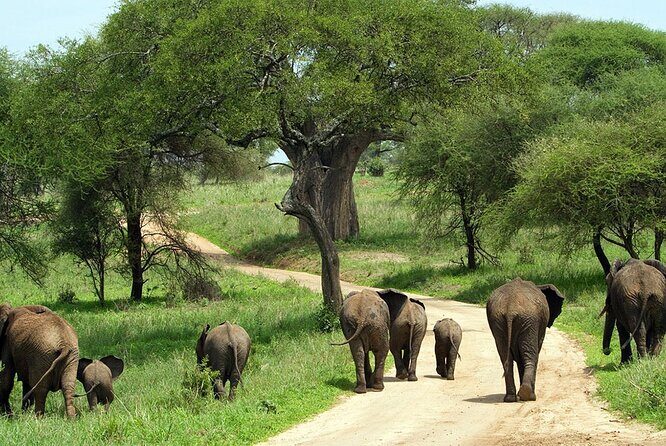
This is one of those itineraries that respects reality. You’re not trying to “hit everything” across Tanzania in a short window. Instead, you focus on two of the most reliable wildlife stages: Serengeti for large herds and predators, and Ngorongoro Conservation Area for that famous crater-floor concentration of animals.
The route also uses good timing. Day 1 starts early from Arusha at 6:00am, then you build toward the best viewing window of the day (sunset). Day 2 returns to the field at sunrise again, which matters because animal behavior changes fast from morning to midday. Then Day 3 shifts into the crater after breakfast, when you’re fresh and ready for close-up viewing.
Value-wise, you’re getting a full safari setup for a single price: guide, vehicle, park fees (shown as admission ticket free), accommodation, camping gear, and multiple meals. The few things you’ll likely add yourself are small comfort items like extra snacks and personal tips.
A few more Arusha tours and experiences worth a look
Day 1: Serengeti Morning Exit, Then Sunset Game Drive
Day 1 is all about getting you out of Arusha and into Serengeti with enough daylight left for a proper first game drive. You’ll depart 6:00am from Arusha and ride in a safari-ready Land Cruiser-style vehicle (open roof, with window seating). The drive takes you via the Ngorongoro Conservation Area.
On the way, there’s a quick breakfast stop in Karatu. It’s not a long sightseeing break, but it’s a useful reset before the safari portion gets serious. Then you transition into the Ngorongoro Conservation Area and do game viewing en route—so you’re not waiting until Serengeti to start seeing wildlife.
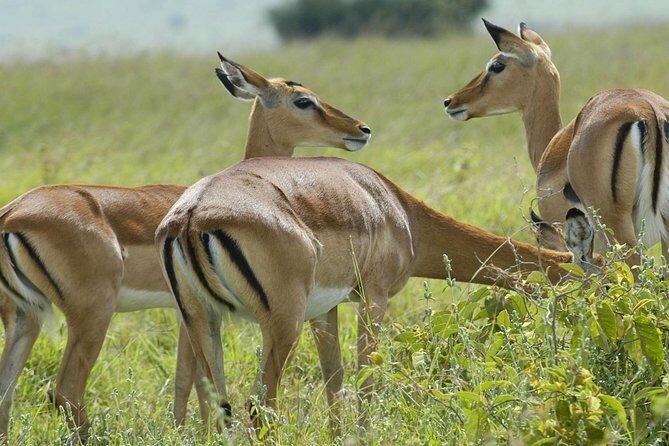
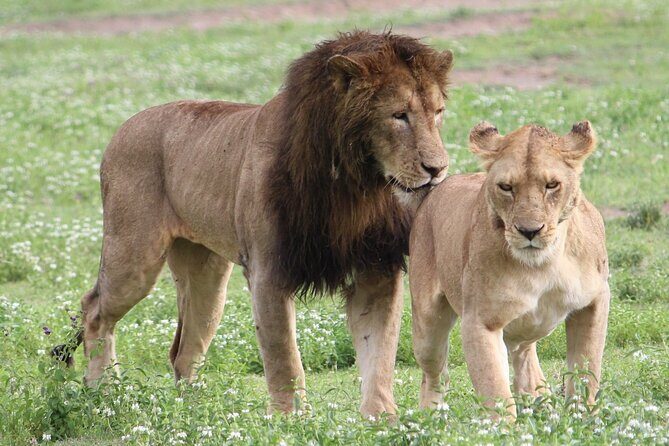
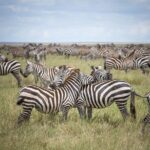
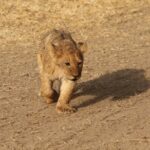
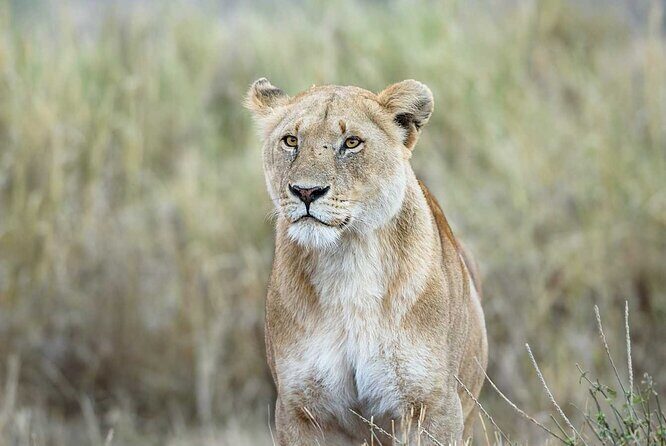
You arrive in Serengeti in the early afternoon, then do a game drive that runs until sunset. Serengeti game viewing is often described like a mix of patterns and surprises: herds move, predators stalk, and you’ll usually spot some combination of buffalo and wildebeest, plus giraffes and zebra. The route explicitly calls out common sightings like eland and impala, and it’s realistic to expect a chance at lions and leopards during the day’s sweep.
Dinner is at your accommodation for that night (based on your chosen category). The one drawback with Day 1 is also the easiest to fix: the early departure. If you’re the type who needs time to wake up, you’ll want to sleep early and pack a calm “first-day” mindset.
Day 2: Sunrise in Serengeti, Midday Fuel, Then a Second Game Drive
Day 2 starts early again, because this is where the safari starts to feel less like sightseeing and more like wildlife watching. You’ll go on a sunrise game drive, which is a big deal in a place where animal activity shifts by hour. Morning light can make spotting easier, and many animals are more on-the-move before the day heats up.
The driving window runs until the early afternoon. Then you’ll either return for a hot lunch or take a lunch pack (depending on the plan used for your group). After lunch, you head back through Serengeti and the Ngorongoro Conservation Area, stopping for more game drives along the way.
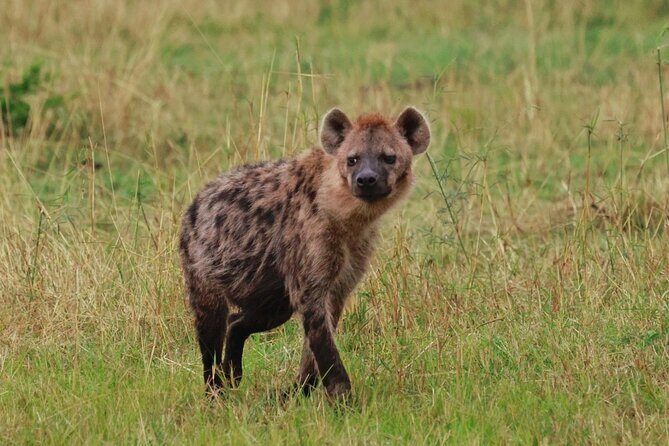
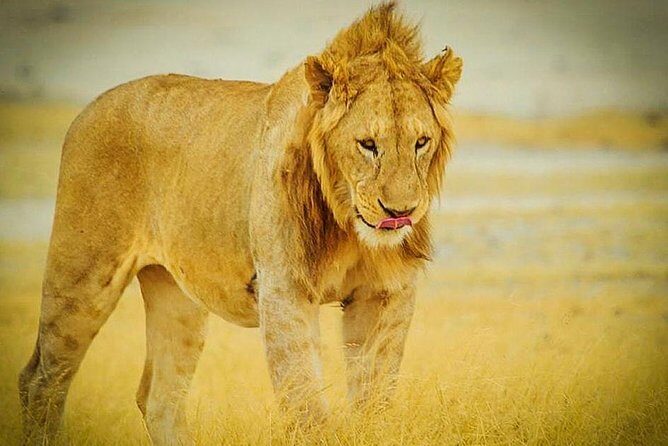
This “two-drive” structure is practical. It gives you a second shot at predators and fast-moving action without compressing everything into one long, exhausting session. The itinerary notes possible sightings along the return route such as lions, leopards, cheetahs, zebras, wildebeest, gazelles, and hyenas. Even when sightings aren’t guaranteed, the pace means you’re constantly in position rather than idling.
That night, you sleep in the Ngorongoro Area. Here’s the important accommodation note tied to budget options: if you book the SIMPLE LODGE plan, that night is spent camping because there’s no simple-lodge standard accommodation in the area, and the rate reflects that. In plain terms: you may trade creature comforts for location and value, and you should pack as if camping weather can happen—even when it seems unlikely.
Day 3: Ngorongoro Crater Game Drive, Ending Late in the Day
Day 3 is the money day for people who want that “wow” crater moment. After breakfast, you’ll set out with a picnic lunch packed. Then you head into the Ngorongoro Conservation Area for a game drive in the crater itself.
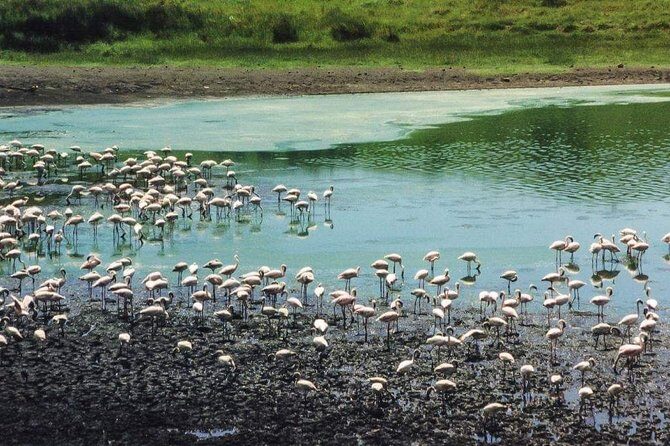
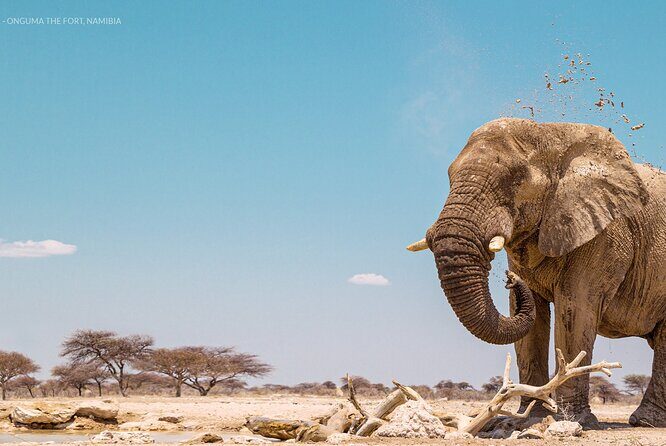
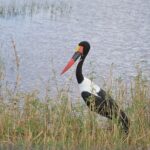
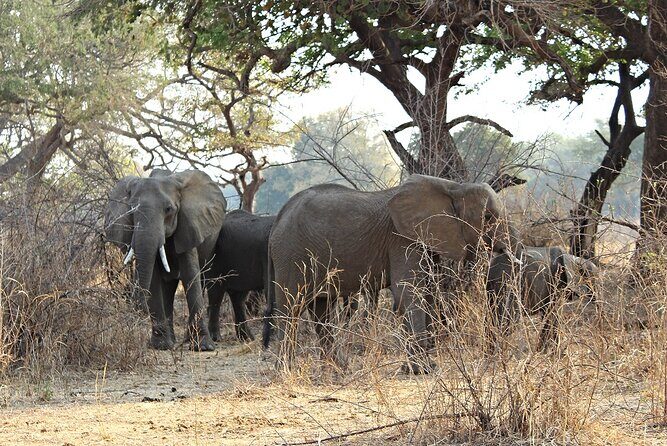
Ngorongoro is special because the crater floor functions like a natural habitat bowl. The plan describes more than 25,000 large mammals on the crater floor, and it highlights some of the headline animals: zebra, gnu (wildebeest), gazelles, buffalos, lions, hippos, elephants, eland, hyenas, and aquatic birds. It also specifically calls out the remaining Black Rhinos, which is one of the biggest reasons this area stays on serious safari shortlists.
The game drive continues until late afternoon, which is a smart finish. Late-day light often helps both visibility and photography. Plus, you’re not rushing out of the crater immediately after lunch—you get real time to work the viewing zones slowly and follow where wildlife is actually showing.
After the crater drive, you’ll head back to Arusha. This is when the long days start catching up, so I’d treat the last evening like recovery time. If you’re sensitive to motion, bring a small motion-sickness remedy and wear layers—it can feel cooler inside a vehicle when the sun goes down.
Food, Camping Gear, and Real Comfort Expectations
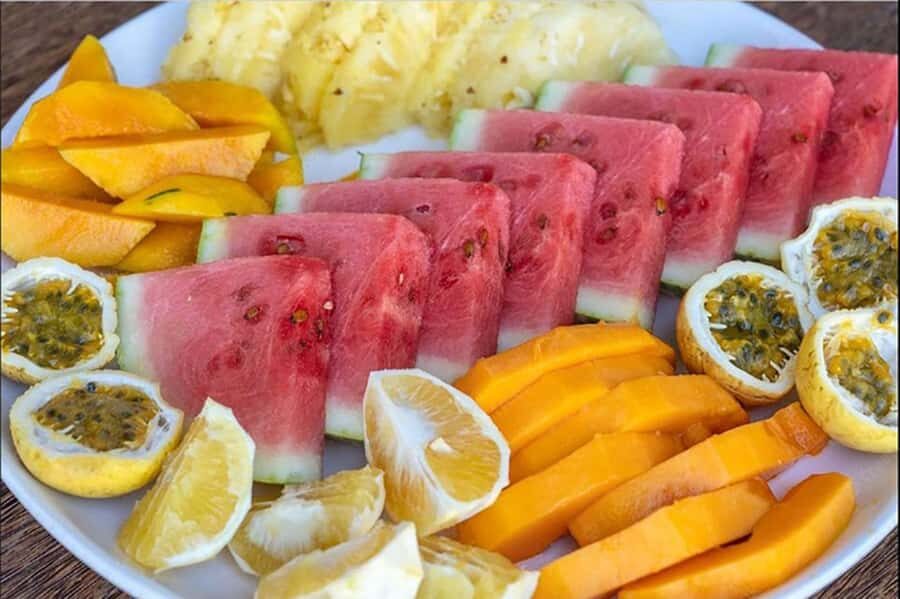
One of the strongest practical advantages here is that the tour handles meals and uses a chef for cooking. You get breakfast (2), lunch (3), and dinner (2) included, plus mineral water. That means you don’t need to think about finding food in between parks or trying to guess prices while you’re tired.
The tour also supplies camping gear. That’s helpful because many people show up expecting a safari to be “mostly animals,” then realize they’re missing things like sleeping basics. Having gear included can reduce what you need to pack and simplify your travel logistics.
Still, let’s talk comfort honestly, because there’s a budget element. One report flagged a rough night with rain: cold and no hot water in the camp, no paper toilet, and shared basic facilities. The tour’s own explanation for that kind of experience is basically: it’s budget camping, bring your own toiletries, and expect shared setups.
So here’s the move: pack for the worst night, not the best one. You’ll be glad you did. I’d bring:
- a small toiletry kit (especially toilet paper or wipes, since it may not be provided)
- a warm layer and rain protection
- a simple headlamp or flashlight for tent time
- a reusable water bottle even though mineral water is included
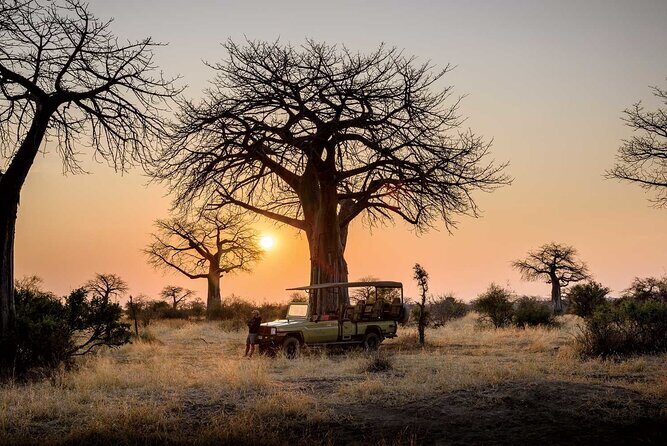
The vehicle comfort helps too. You’re in a 4×4 with an open roof and charging ports. That’s a real quality-of-life upgrade on safari because you’ll likely use your phone/camera for long hours. Just don’t assume outlets exist everywhere—plan to charge in the car and keep a small power bank if you’re photo-heavy.
A few more Arusha tours and experiences worth a look
Price and What You’re Actually Getting for $900
At $900 per person for 3 days and 2 nights, the big question is whether this feels like a good deal or a bargain that cuts the wrong corners.
Here’s what you’re getting that usually costs extra on safari:
- a professional guide
- an open-roof 4×4 with socket charging in the car
- accommodation included
- camping equipment supplied
- mineral water
- all fees and taxes, with park admission shown as free in the itinerary
- meals are covered and cooked by a chef
You’re also getting a tight focus: Serengeti and Ngorongoro crater. With a short itinerary, that matters. You avoid spending time in transit all day across too many regions. The group size cap (7) also helps keep the experience from feeling chaotic or rushed.
The main “extra” you should plan for is tips, since tips are not included. That’s a standard safari reality. If you appreciate the guide and driver, budgeting for tips keeps things smooth.
One practical note: the tour is frequently booked about 71 days in advance on average. That suggests demand is real. If you’re traveling in peak season or with fixed dates, I’d book earlier rather than later.
Who This Safari Fits (and Who Might Want a Different Style)
This safari fits best if you:
- want classic East Africa wildlife without trying to do too many countries or parks
- like the idea of multiple game drives rather than one short highlight
- prefer a small group atmosphere (max 7)
- can handle early mornings and long drives in exchange for wildlife time
- are comfortable with budget camping conditions if you select a simpler accommodation category
You might want a different option if you:
- need reliable hot showers and private toilet setups every night
- travel with very heavy luggage and hate packing for rain/cold
- dislike the idea of camping as part of a “lodge” plan (even when it’s reflected in pricing)
That said, the praise here is strong for a reason. The safari is designed to maximize sightings with sunrise and sunset timing, and the guide role is clear and hands-on. When you get the right rhythm—vehicle placement, quick scanning, and patience—the odds improve.
Should You Book This Group Joining Serengeti and Ngorongoro Safari?
I’d book it if you want a focused, wildlife-first safari with good structure and a small group feel. The combination of Serengeti game drives (sunrise to sunset and then another chase) plus a Ngorongoro crater day is exactly the kind of itinerary that makes 3 days feel meaningful, not thin.
My recommendation comes with one condition: be honest about the camping reality. If you choose budget options, pack like you’ll get rain and cold. Bring your own toiletries. Expect shared basic facilities. If you’re good with that tradeoff, this is a strong value route—especially given how many people recommend it and how often guides and viewing time are singled out as the reason.
If you want, tell me your travel month and your accommodation preference (camping vs lodge category). I can suggest what to pack and how to plan your days around heat, rain risk, and photo time.
FAQ
What time does the safari start?
The tour start time is 6:00am from Arusha.
Where does the safari run?
It’s based in Arusha, Tanzania, with safari days focused on Serengeti National Park and the Ngorongoro Conservation Area (including Ngorongoro crater).
What vehicle do we ride in?
You ride in a 4×4 open-roof safari vehicle with all window seats, and the car includes socket charging.
How big is the group?
The tour has a maximum of 7 travelers.
What’s included in the price?
Included are all fees and taxes, the professional guide, camping equipment, mineral water, accommodation, and meals (2 breakfasts, 3 lunches, and 2 dinners).
What’s not included?
Tips are not included.
Is there free cancellation?
Yes. You can cancel up to 24 hours in advance for a full refund. If you cancel less than 24 hours before the start time, the amount paid is not refunded.