REVIEW · MOSHI
Book Day Hike at Rau Forest Reserve, Near Moshi Town in Tanzania
Book on Viator →Operated by Twende Africa Tours · Bookable on Viator
Rau Forest Reserve near Moshi feels like a secret classroom. You get a short, focused nature walk through a forest known for catchment springs and monkey habitat, plus the chance to add rice-farm scenery at the end and even help with a conservation moment.
I love how this hike blends wildlife spotting with real local knowledge, especially when your guide explains what you’re seeing. I also like the private-tour feel, since a guide such as Peter is known for picking people up from their hotel and keeping the walk lively and organized while you search for black-and-white colobus monkeys and blue monkeys.
One consideration: you do need moderate physical fitness, and the experience is dependent on weather. If conditions are poor, the hike may be rescheduled or refunded, so keep your day flexible.
In This Review
- Key highlights at a glance
- Rau Forest Reserve Near Moshi: Water Forest, Monkeys, and a Rice-Farm Bonus
- Getting Picked Up on Ghala Road (and Why the Private Format Helps)
- Inside the Underground Water Forest: Springs, Trees, and a Monkey Search
- The Medicinal Tree Story and Local Beliefs You’ll Hear on the Trail
- Tree Nurseries and Conservation Time: Planting or Watering for 30 to 45 Minutes
- From Forest Edge to Rice Farms With Irrigation Over 3,000 Hectares
- Price and What You’re Really Paying for at $39.47
- Who This Day Hike Fits Best (and Who Might Skip It)
- Should You Book This Rau Forest Reserve Day Hike?
- FAQ
- How long is the Rau Forest Reserve day hike?
- What does the $39.47 per person price include?
- Is pickup from Moshi offered?
- Where do we meet for the hike?
- Is this tour private?
- What animals are associated with Rau Forest Reserve?
- Is there a conservation activity during the forest walk?
- What if the weather is bad?
Key highlights at a glance
- A 3.5-hour rainforest walk that doesn’t eat your whole day in Moshi
- Black-and-white colobus and blue monkeys are a big reason to come
- Medicinal tree stories from nearby communities add meaning to the trail
- Tree nursery time (30–45 minutes) if you choose watering or planting
- Rice fields with irrigation over 3,000 hectares can extend the walk
- Private tour with pickup offered and mobile ticket convenience
Rau Forest Reserve Near Moshi: Water Forest, Monkeys, and a Rice-Farm Bonus

If you’re in Moshi looking for something calmer than Kilimanjaro-adjacent hype, Rau Forest Reserve is a solid choice. It’s described as an underground water forest, which matters because it helps explain why the area holds natural springs and why the plants and animals seem to thrive even on a relatively short hike.
The trail is built around three themes you can actually feel as you walk. First, it’s about the forest’s life-support role: catchment values, springs, and tree species that support the local ecosystem. Second, it’s about animals, especially monkeys like black-and-white colobus (noted as Collubus Guezzera) and blue monkeys. Third, it connects people and land use through the rice farms you can reach from the southern edge of the forest.
Here’s what makes this hike worth your time: it’s not just a walk in the woods. You’re also learning how the forest ties into nearby community life, including traditional uses of trees and a conservation initiative that can turn your “tour time” into hands-on help.
And yes, you may get a bonus view of rice fields depending on how your hike is extended. That combination of forest-to-farm scenery is the kind of contrast that stays in your head longer than a single habitat.
You can also read our reviews of more hiking tours in Moshi
Getting Picked Up on Ghala Road (and Why the Private Format Helps)

This is a private tour/activity, so it’s only your group out on the path. That sounds small on paper, but it changes the experience. You’re not rushing because other groups are ahead of you, and your guide can pace the walk to your comfort level and your interest in stopping to look at trees, plants, and monkey movement.
Pickup is offered, which is a big deal if you’re staying in Moshi and want to avoid the stress of arranging transport at the last minute. One guide associated with this operation, Peter, is specifically noted for picking people up at their hotel and bringing them back again, so you can plan your day without a complicated logistics puzzle.
You’ll meet at Ghala Road (Ghala Rd, Tanzania) and the activity ends back at the meeting point. The good news is that it’s near public transportation too, so if you’re traveling on your own, you’re not locked into a single option if plans change.
The one practical thing to keep in mind is timing. This is about 3 hours 30 minutes total, so you’ll want to treat it as a true half-day. Don’t stack a demanding appointment right before or right after unless you like living on the edge.
Inside the Underground Water Forest: Springs, Trees, and a Monkey Search

The Rau Forest Reserve setting is the heart of the booking. The forest is known for catchment values and natural springs, and that’s more than a technical description. It points to a forest that stays productive, which is exactly where you stand a chance of seeing monkeys and noticing different tree species during a short walk.
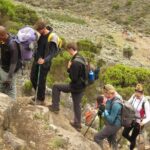
On the trail, your guide focuses on the living details: tree types, plants, and the animal habitat signals you’d miss if you were just walking through on your own. The goal is to help you understand what you’re looking at, not just pass scenery.
Monkeys are the main wildlife draw. The reserve is specifically associated with black-and-white colobus monkeys and blue monkeys. Since these animals are in the forest’s ecosystem, your guide will usually guide your attention to where they might feed and move, and that’s where a local-minded guide improves the odds of actually enjoying the wildlife portion of the hike.
What I like about this setup is that the walk length stays manageable. You’re not stuck doing a long trek to maybe see a glimpse. In 3.5 hours, you can do a real search and still have energy for any add-on part of the route.
Possible drawback: since wildlife viewing depends on the day, you should be okay with the fact that you’re not guaranteed specific sightings on every walk. The reserve hosts the animals, but weather and forest conditions can affect movement and visibility.
The Medicinal Tree Story and Local Beliefs You’ll Hear on the Trail
One of the more interesting parts of this hike is how it uses a particular tree as a teaching moment. The tree is used by traditional healers from nearby communities for rituals and medicinal purposes, and the bark is involved in those uses.
That means this is not just “look at the tree.” You get context about why that tree matters to people living near the forest. Your guide also shares the idea held by some people that the tree can be used to chase away evil spirits. Even if you personally don’t follow that belief, it’s still valuable as cultural information, and it helps you understand the forest as a lived landscape, not only a scenic area.
I like this kind of storytelling because it gives meaning to the walk. It also prevents the common issue where a forest hike turns into a checklist of plants and monkeys with no human connection.
One practical consideration: religious or spiritual beliefs can be sensitive. In a good guide-led experience, you can treat it as cultural interpretation and ask questions respectfully. If anything makes you uncomfortable, you can always steer the conversation back toward the ecology and local conservation work.
Tree Nurseries and Conservation Time: Planting or Watering for 30 to 45 Minutes

If you want the experience to do something beyond viewing, this is where Rau Forest Reserve delivers. The forest walk can include time at tree nurseries as part of a conservation initiative.
You can choose an activity such as spending about 30–45 minutes watering and managing young seedlings, or you may be invited to plant trees to help conserve the forest. This is short enough to fit naturally into the hike, but real enough that you’re not just standing around watching someone else work.
This kind of conservation moment matters because it connects the forest’s future to the present. When you’re given tasks like watering seedlings, you understand in a practical way that forest protection is ongoing work, not a one-time act.
Why I think this is a strong value add: it turns the hike into a two-layer experience. You get the wildlife and scenery, but you also participate in local efforts that support reforestation and forest health.
The only drawback is physical comfort. Nursery work can involve bending, walking short distances on uneven ground, and standing for short periods. If you have knee or back issues, tell your guide so they can offer the most comfortable way to join in—or focus you more on the walking portion.

From Forest Edge to Rice Farms With Irrigation Over 3,000 Hectares

At the southern edge of the forest, the hike can be extended to rice farms. This is a big shift in scenery, and it’s also where you’ll start noticing how the forest and agriculture connect.
The rice farms rely on an irrigation farming system that supports rice plots across more than 3,000 hectares. That scale is hard to picture until you’re walking between fields and seeing how water access shapes farming patterns. It’s one thing to see rice in a shop. It’s another to watch a working system that keeps a whole agriculture area going.
From your perspective, this extension can be a great way to round out the day. The forest is shaded and cool by contrast; the rice fields are open and bright, and your guide can explain the farmer lifestyle and how the irrigation system functions in daily work.
The main trade-off is time and energy. If you add the rice-farm part, your 3.5 hours can feel a bit more active, especially if the ground is wet or if you’re walking between fields. If you want a softer day, keep the extension as an optional choice rather than a must.
Price and What You’re Really Paying for at $39.47

At $39.47 per person, this hike sits in the “good value” category if you care about guide-led learning and an experience that stays human-scale. You’re not paying just for movement through the forest. You’re paying for a professional guide and all fees and taxes.
Pickup offered also adds value. Local transport arrangements can cost more than you expect, so if your guide picks you up and returns you, that convenience is part of what you’re buying.
One thing to note: tipping for your guide is not included. That doesn’t mean you shouldn’t tip. It just means you should plan for it. In practice, if the guide is translating the forest’s stories into something you understand and enjoy, a tip feels like part of supporting that work.
Is $39.47 cheap? Not always, but it’s reasonable considering what the hike includes: a guided forest walk, a conservation option that may involve practical nursery work, and access to the rice-farm extension if you choose it.
The other value angle is timing. This activity is typically booked about 6 days in advance, and you’ll want to do the same if your dates are fixed. Confirmation is received within 48 hours of booking subject to availability, so plan with a little buffer.
Who This Day Hike Fits Best (and Who Might Skip It)
This tour is a strong fit if you want:
- A short, guided nature experience near Moshi
- A chance to look for colobus monkeys and blue monkeys
- Context about trees, including how bark is used by traditional healers
- A conservation add-on through tree nursery work or tree planting
- A day that ends with either forest-only or a forest-to-rice-farm transition
You should think twice if you’re looking for a super strenuous workout. The info says moderate physical fitness level is needed, so it’s not an all-day challenge, but it still isn’t a sit-and-sip stroll. Uneven ground, forest path walking, and nursery activity can add up.
You might also skip the conservation option if you prefer passive sightseeing only. It’s optional, but it does mean you’ll be hands-on for a meaningful chunk of time.
Finally, if you travel when weather is unpredictable, keep your schedule flexible. The experience requires good weather, and if it’s canceled due to poor weather, you’ll be offered a different date or a full refund.
Should You Book This Rau Forest Reserve Day Hike?
If you want a half-day in the Moshi area that mixes ecology, culture, and a real community conservation angle, I’d book it. The biggest selling point for me is the combination: underground water forest setting, monkey habitat, medicinal tree stories, and the option to join tree nursery work or extend into the rice farms.
It’s also a good call if you value a private guide-led pace. When someone like Peter is involved, the walk tends to be both informative and fun, and that helps you actually enjoy the time outside rather than just ticking boxes.
Book it if your ideal day includes forests, animals, and learning how local people connect to the land. Just keep one eye on conditions and bring your moderate-fitness comfort level, and you’ll be set.
FAQ
How long is the Rau Forest Reserve day hike?
It’s approximately 3 hours 30 minutes.
What does the $39.47 per person price include?
The price includes a professional guide and all fees and taxes. Tipping for your guide is not included.
Is pickup from Moshi offered?
Yes, pickup is offered.
Where do we meet for the hike?
The start point is Ghala Road (Ghala Rd, Tanzania). The activity ends back at the meeting point.
Is this tour private?
Yes. It’s a private tour/activity, and only your group will participate.
What animals are associated with Rau Forest Reserve?
The reserve is known for important catchment values and habitat for species including black-and-white colobus monkeys and blue monkeys.
Is there a conservation activity during the forest walk?
Yes. If interested, you can take part in a conservation initiative in the tree nurseries for about 30–45 minutes watering and managing young seedlings, or you can plant trees.
What if the weather is bad?
This experience requires good weather. If it’s canceled due to poor weather, you’ll be offered a different date or a full refund.