REVIEW · MOSHI
6 Days Kilimanjaro climbing | Hiking Tour via the Rongai Route
Book on Viator →Operated by KILIMANJARO CLIMBING TOURS · Bookable on Viator
Cave camps on Kilimanjaro sound wild. On this 6-day Rongai Route from Moshi, you climb through cypress forests, heather-covered moorland, and end with a summit bid toward Uhuru Peak.
I love the built-in acclimatization time this itinerary gives you, especially around Mawenzi Tarn. I also like the day-to-day crew routine: porters and cooks move fast, and camp setup (plus hot drinks and washing support) starts the moment you arrive.
One drawback to consider is the cold. Nights at high altitude are described as seriously cold, and the altitude changes are real, so you’ll want to take the slow pace and packing seriously.
In This Review
- Key Highlights You’ll Actually Feel on This Trek
- Rongai Route From Moshi: Cave Camps, Heather, and a Summit to Uhuru
- Getting to the Trail: Marangu Park Gate and the Rongai Door
- Day 1 to Cave Camp #1 (2,600m): Forest Walking and Camp Comfort
- Day 2 Through Kikelelwa Cave (3,600m): Slow Acclimation and Cold Nights
- Day 3 to Mawenzi Tarn Camp (4,330m): Rest, Views, and Mawenzi Shadow
- Day 4 to Kibo Hut (~4,700m): Alpine Desert to the Saddle
- Summit Day on Rongai: Gillman’s Point, Stella Point, and Uhuru Peak
- Day 6 Descent and Certificates at Marangu Gate (1,980m)
- Price, Value, and What’s Extra at $930
- Who This 6-Day Rongai Trek Fits Best
- Should You Book This Kilimanjaro Rongai Climb?
- FAQ
- What is the meeting point and start time in Moshi?
- How long is the Kilimanjaro Rongai climbing tour?
- Does the tour include airport pickup and drop-off?
- Are meals included during the trek?
- Are Kilimanjaro park fees included in the $930 price?
- What transfers are included?
- What time do you wake up for the summit day?
- What certificates do you get at Marangu Gate?
- What happens if the trek is canceled due to weather?
Key Highlights You’ll Actually Feel on This Trek
- Rongai start via Marangu Park Gate with about 3 hours of transport before the trail gets going at roughly 1,950m
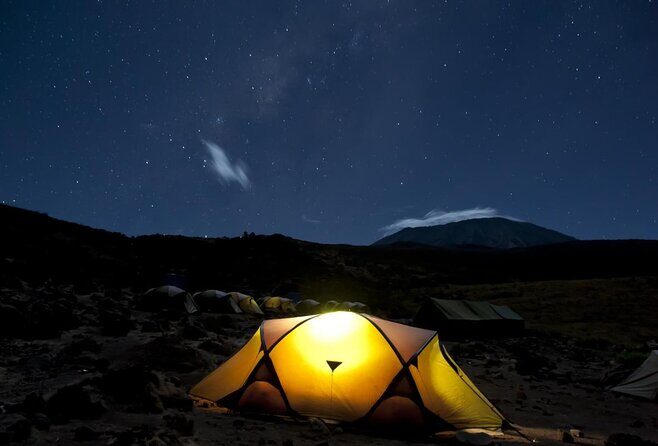
- Two cave-night experiences: Cave Camp #1 and the Kikelelwa Cave area, with hot water and warm drinks when you reach camp
- A Mawenzi Tarn camp day at 4,330m that’s built for recovery, plus chances to walk short loops for Kibo views
- Summit route using Gillman’s Point and the crater rim, passing Stella Point (5,752m) on the way to Uhuru Peak
- Certificate moment at Marangu Gate (1,980m), including a green certificate for Gillman’s Point and a gold Big Diploma for Uhuru Peak
Rongai Route From Moshi: Cave Camps, Heather, and a Summit to Uhuru
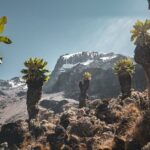
This is the kind of Kilimanjaro climb you choose for the feel of the Rongai side of the mountain. You start lower around Moshi’s access points, then work upward through different vegetation zones, including moor-style areas wrapped in heather. The big draw is that you’re not just climbing higher each day. You’re also learning the rhythm of altitude.
If you want a trek where each day has a purpose, you’ll like how the route spreads effort across multiple camps. You also get classic “roof of Africa” vibes without the day feeling like a sprint the whole time.
You can also read our reviews of more hiking tours in Moshi
Getting to the Trail: Marangu Park Gate and the Rongai Door
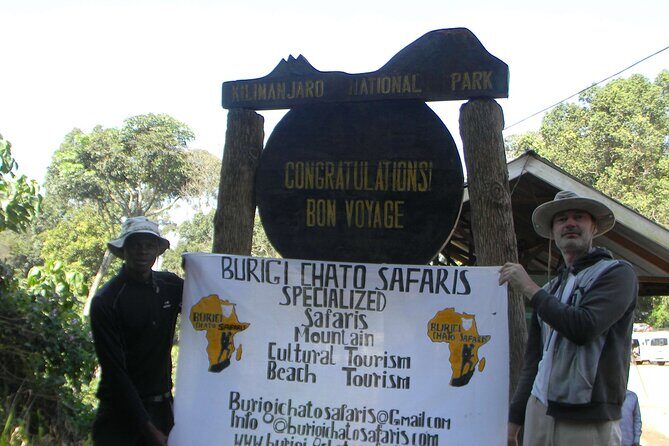
Your trip starts in Moshi, meeting at Burigi Chato Safaris Co Ltd on Mkwawa Street in Shanty town. The start time is 8:30am, and the provider states airport pickup and drop-off are included. If you’re flying in, that’s a big stress reducer because you’re not figuring out your own transfers while also trying to stay fresh.
Day 1 begins at Marangu’s Park Gate, then there’s transport to the Rongai trail start at around 1,950m. The plan calls for about 3 hours of travel to the Rongai “door,” then you start hiking through cypress plantations and mountain forest. If weather permits, there’s also an option to bring a packed lunch to Nelemoru, which is helpful because it can keep you from having to improvise mid-walk.
Day 1 to Cave Camp #1 (2,600m): Forest Walking and Camp Comfort
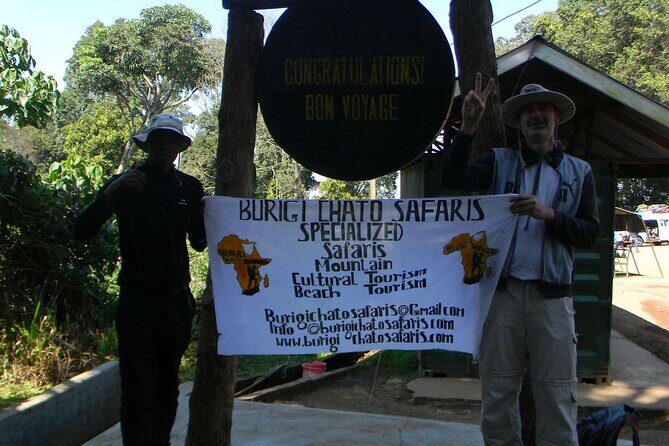
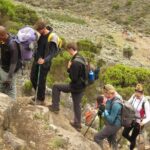
On the first day, you transition from forest settings into the mountain world where camp life starts to feel more “expedition” than “hike.” The route ends at the first Cave camp (2,600m), and the elevation gain is gradual enough to help you settle in.
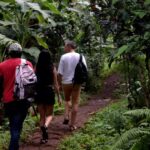
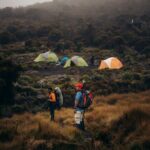
Two practical things matter here. First, the walk through cypress plantations and mountain forest can be visually rewarding without being punishing. Second, the camp setup is described as fast: porters and cooks reach camp quickly and you’ll find your tent arranged when you arrive.
That small detail helps more than you might think. After hours walking, the last thing you want is to spend your limited energy wrestling gear. The itinerary also notes hot water for washing and a camp routine that includes warm drinks—plus the idea that you may even get popcorn at camp.
Day 2 Through Kikelelwa Cave (3,600m): Slow Acclimation and Cold Nights
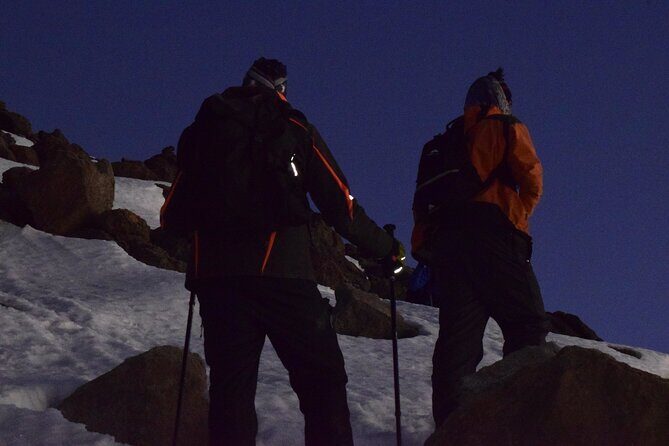
Day 2 is where the Rongai experience leans into acclimatization. From Cave Camp #1, you start with light breakfast, then move through moor-style vegetation wrapped in heather. The day takes you to Cave Camp #2 at 3,450m for lunch.
After that, you continue to Cave Camp #3 at 3,600m, also called Kikelelwa Cave. This part is important because you’re gaining altitude while still giving your body time to adapt. The plan explicitly frames the 6-day timing as helpful for acclimatization, which you’ll feel in how the rest of the trek goes.
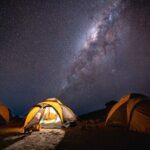
When you reach Kikelelwa Cave, the camp routine is described as similar to the previous day: tent prepared, hot water for washing, plus coffee/tea and snacks. The camp sits in a valley below the saddle, with small caves around you. Then comes the key caution: after dinner, you’re heading to bed, and it can be a crazy cold night. Pack like cold is guaranteed, not optional.
Day 3 to Mawenzi Tarn Camp (4,330m): Rest, Views, and Mawenzi Shadow
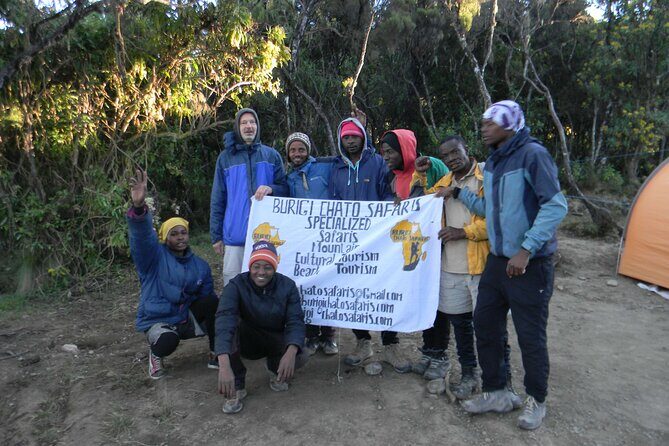
Day 3 climbs from Kikelelwa Cave, starting with an easy-to-moderate incline. The itinerary notes that the pass becomes steeper later in the day, and you’ll eventually reach Mawenzi Tarn camp at 4,330m. Even with the effort, this day has a built-in payoff because the campsite is in a depression below Mawenzi’s peak, close to a small lake.
When you arrive, the same camp rhythm applies: hot lunch, relaxation time, and procedures handled for you. This is one of the days where your brain gets to catch up. You’re not racing forward; you’re resting and enjoying altitude views.
The itinerary even encourages short exploring: walk a few laps around ridges and towers for good views of Kibo. Then you can watch the sunset from camp, followed by dinner and sleep. If you’re the type who likes to understand where you are on the mountain, this is a memorable spot.
A few more Moshi tours and experiences worth a look
Day 4 to Kibo Hut (~4,700m): Alpine Desert to the Saddle
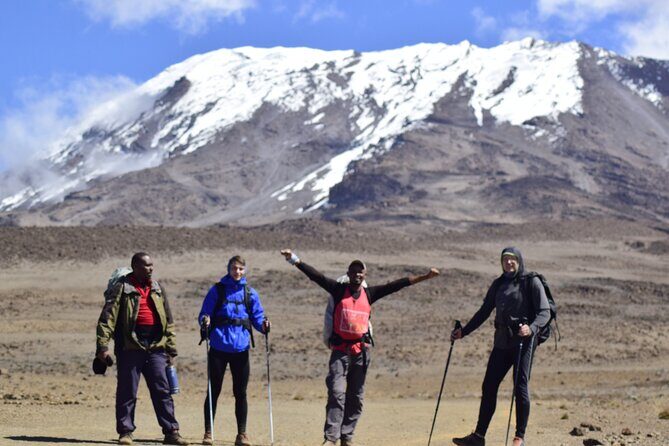
Day 4 shifts the scenery again. After light breakfast, you begin with a hike up a small ridge, then continue on a trail described as being in the northern part of the saddle. With good weather, the view area is said to be stunning.
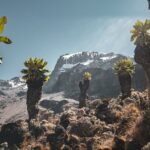
Vegetation changes on this day too. You’ll be walking in an alpine desert zone with little grass and sometimes eternal flowers. It’s a stark look compared to the earlier forest feel, and it also matches how the air usually feels at this altitude—dry, sharp, and demanding more careful breathing.
The route detail that matters: Rongai Road connects with Marangu Road to the saddle between Mawenzi and Kibo. The itinerary notes the way to the top is similar to the Marangu route, but the last part of the day to Kibo’s Hut gets steeper.
You reach Kibo area around 4,700m, and the plan emphasizes arriving fully rested and acclimatized for the final push. For many people, that rest window is what makes summit day manageable rather than miserable.
Summit Day on Rongai: Gillman’s Point, Stella Point, and Uhuru Peak
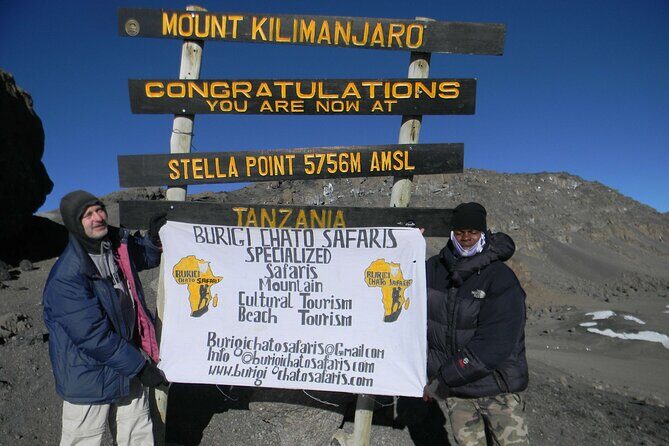
Summit day is described as the hardest part, but the route is very clear. Your wake-up time is listed as around 11:00am to 11:30am. From Gillman’s Point, it takes about 1.5 hours on foot to reach the top.
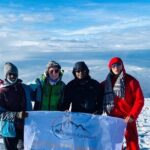
From there, the itinerary says the rest of the hike is usually snow-covered, and you’ll walk along the crater rim to Uhuru Peak. You pass Stella Point at an altitude of 5,752m, which is described as where the other route comes to the edge.
At Uhuru, you shouldn’t plan on staying long—just a few minutes for photos—because the main goal is to move downhill. Then the trek continues back to Kibo 4,700 hut for lunch, and after that you descend to Horombo hut at 3,720m, which takes about 3 hours.
Two practical thoughts. First, snow-covered sections mean traction and warm layers matter. Second, even if you feel strong at the top, your best energy plan is to keep moving carefully downhill.
Day 6 Descent and Certificates at Marangu Gate (1,980m)
After a hearty breakfast at Horombo, your final day focuses on descent. You pass Mandara Hut down to Marangu Gate at about 1,980m. Then you get a short break for lunch before finishing the walk to the gate.
This is also the “paperwork with pride” day. At Marangu Gate, you sign in the register and receive certificates. The itinerary specifies a summit certificate, a green certificate for reaching Gillman’s Point, and a gold certificate (Big Diploma) for reaching Uhuru Peak. Celebrations, songs, and dances can happen either at Horombo Hut in the morning or after you receive your certificate.
Finally, your driver arrives to take you back to your Moshi hotel, with the expectation that you’ll enjoy a hot shower before dinner and overnight.
Price, Value, and What’s Extra at $930
The price is $930 per person for a 6-day Rongai trek starting in Moshi. What makes this feel like decent value is what’s wrapped into that number: the provider states airport pickup and drop-off, gate transfer, and crew wages are included, plus a full meal plan (breakfast, lunch, dinner across the days).
You get:
- Breakfast: 5 times
- Lunch: 6 times
- Dinner: 6 times
What’s not included is where you should do your homework. Flights, visas, and tipping the crew are listed as not included. Also excluded are Kilimanjaro park fees, which you may pay directly to the park or through the operator. One extra detail to confirm: the daily schedule mentions admission tickets, but park fees are explicitly marked not included, so ask what’s covered in your final total. That one question can prevent surprises.
Hotels before and after the climb are also not included. You’ll need to budget for at least one night in Moshi pre-trek and one night after, depending on your flight schedule.
A smart way to judge value: if you’re the kind of traveler who wants transfers, meals, and crew costs handled up front, this package fits that style. If you already have lodging and prefer to manage park fees separately, you may want to confirm the breakdown carefully before booking.
Who This 6-Day Rongai Trek Fits Best
This trek is described as “most travelers can participate,” but that line only tells you it’s set up for a broad range of people. The real story is that this is still Kilimanjaro: big altitude, cold nights, and a summit day that’s long even when it’s fast by mountain standards.
You’ll likely enjoy this tour if:
- You want Rongai Route specifically, not another approach.
- You like the idea of cave camps and varied terrain days.
- You want a plan that uses extra days to support acclimatization.
- You appreciate crew support that handles camp setup quickly, with hot water and warm drinks after the walk.
You might think twice if cold nights keep you miserable in everyday life, or if you’re seeking a purely gentle hike. This is a serious trek with real altitude consequences.
Should You Book This Kilimanjaro Rongai Climb?
I’d book it if your priority is a structured 6-day Kilimanjaro climb via Rongai, with cave camps, meals included, and the summit goal clearly laid out through Gillman’s Point and the crater rim. The “camp first, questions later” rhythm—tents ready on arrival, hot water, and hot drinks—adds up on a mountain where your energy is limited.
Before you commit, do three quick checks:
- Confirm what’s covered under the stated admission ticket versus the explicitly listed park fees not included.
- Budget for tips and your pre/post Moshi hotel nights.
- Pack for cold nights—because the trek’s own wording treats that as a certainty.
If those boxes make sense for your trip style, this looks like a strong value way to climb Kilimanjaro’s Rongai side and aim for Uhuru Peak.
FAQ
What is the meeting point and start time in Moshi?
The meeting point is Burigi Chato Safaris Co Ltd on Mkwawa Street, Shanty town, Moshi, Kilimanjaro, Tanzania. The start time is 8:30am.
How long is the Kilimanjaro Rongai climbing tour?
The tour runs for 6 days (approx.).
Does the tour include airport pickup and drop-off?
Yes. Airport pick up and drop up are listed as included.
Are meals included during the trek?
Yes. Breakfast is included 5 times, lunch is included 6 times, and dinner is included 6 times.
Are Kilimanjaro park fees included in the $930 price?
No. Mount Kilimanjaro park fees are marked as not included, and you may pay them direct to the park or via the tour operator.
What transfers are included?
The inclusions list gate transfer and crew wages, along with airport pickup/drop-off.
What time do you wake up for the summit day?
The wake-up time on summit day is listed as around 11:00am to 11:30am.
What certificates do you get at Marangu Gate?
At Marangu Gate you receive a summit certificate, a green certificate for reaching Gillman’s Point, and a gold certificate (Big Diploma) for reaching Uhuru Peak.
What happens if the trek is canceled due to weather?
The experience requires good weather. If it’s canceled due to poor weather, you’ll be offered a different date or a full refund.