REVIEW · ARUSHA
6 Days lodge &camping tour Serengeti ,Tarangire ,Ngorongoro Crater and Manyara
Book on Viator →Operated by Simbaland Magic Tours · Bookable on Viator
Six days, four parks, one epic loop. This northern Tanzania safari blends camping nights with lodge time, then hits the big wildlife hits: Tarangire’s elephants and baobabs, Serengeti’s predator action, Ngorongoro’s crater density, and Lake Manyara’s famous baboons. I also like that you travel with a small group (up to 6), which usually means a calmer rhythm on long drives and more time for your guide to spot things first. Guides such as Elias show up again and again in feedback for being sharp at driving and reading the bush.
The one thing to consider is the schedule intensity: you’ll start early (often around 06:30) and you’ll spend real hours in the vehicle on the move between parks. If you’re dreaming of slow mornings and comfy couch travel, this format will feel like a “do safari first, sleep after” kind of trip.
In This Review
- Key highlights
- The Route Makes Sense: Arusha to Tarangire, then the Serengeti and Ngorongoro arc
- Day 1 in Tarangire: baobabs, big elephants, and birding on your first drive
- Day 2 in Serengeti after the Ngorongoro gate: the rim view before the plains
- Day 3’s early Serengeti drive at 06:30: mist timing, cats on the move, and migration chances
- Day 4: exiting Serengeti to Simba campsite near the Ngorongoro rim
- Day 5: descending over 600 meters into Ngorongoro Crater for dense wildlife
- Day 6 at Lake Manyara: stacked habitats, baboons, flamingos, and a tree-climbing lion chance
- Camping and lodge time: what to expect from the comfort side
- Price and logistics: is $1,600 good value for this wildlife route?
- Guides and organization: why names like Elias, Sam, Hassan matter
- Who should book this safari, and who should think twice
- Should you book this 6-day northern circuit with Simbaland Magic Tours?
- FAQ
- FAQ
- Which parks are included in this 6-day tour?
- Does the tour include pickup from Arusha?
- How many people are in a group for this safari?
- Are admission tickets included?
- What is the cancellation policy?
- What happens if weather is poor?
Key highlights
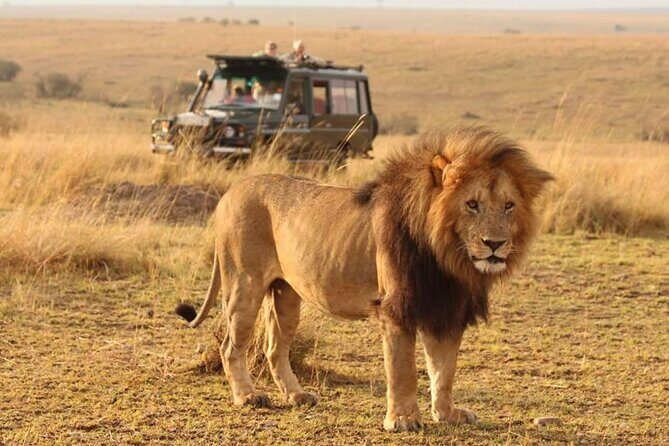
- Tarangire first: baobabs plus a strong chance of elephants and serious bird life
- Ngorongoro rim views on the way into Serengeti: extra scenery before the plains
- Early Serengeti game drive: packed breakfast, mist timing, and migration depending on season
- Ngorongoro descent at dawn: 600+ meters down for dense herds and predator activity
- Lake Manyara’s stacked habitats: baboons, flamingos, and the tree-climbing lion chance
The Route Makes Sense: Arusha to Tarangire, then the Serengeti and Ngorongoro arc
This itinerary is built like a smart loop. You start in Tarangire, move into Serengeti via the Ngorongoro area, then come back toward the crater for the big descent day, and finish at Lake Manyara. That “in-order geography” matters because you’re not constantly backtracking across northern Tanzania.
From a practical standpoint, it also keeps your days readable. You get dedicated game-driving time in each park instead of one rushed stop. And the pacing is realistic for spotting animals: early starts for the best light, plus long enough stays inside the parks to make the drive worth it.
The tour also lists pickup offered from Arusha and a mobile ticket, which helps on the admin side. With a small max group of 6 travelers, your safari vehicle is less crowded than the usual large-bus setup.
A few more Arusha tours and experiences worth a look

Day 1 in Tarangire: baobabs, big elephants, and birding on your first drive
Your first full park day is Tarangire National Park. You depart Arusha after breakfast and stop for any last-minute supermarket purchases in town, then head north along the Great Northern Highway. The drive is part of the experience here: Masai steppe, villages, and that steady shift from town life into open wildlife country.
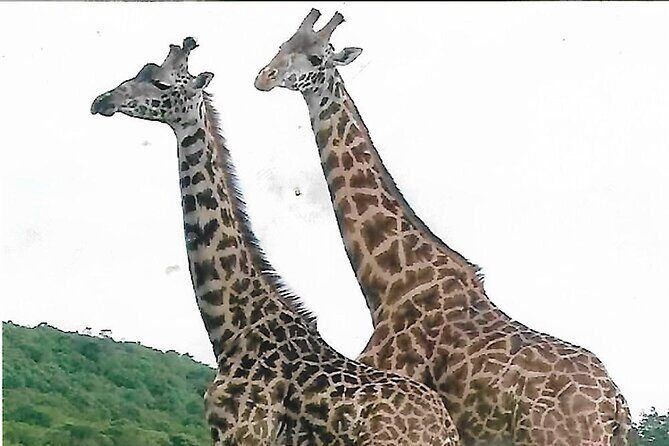
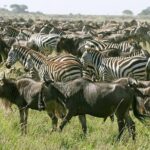
Tarangire is famous for giant baobab trees and its strong elephant population. This is the kind of park where elephants don’t feel like a rare bonus—they feel like part of the landscape. Your game drive can include wildebeest, buffalo, zebra, giraffe, hippos, baboons, and many antelopes.
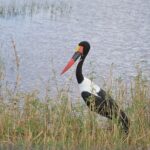
If you’re the type who pauses for bird calls, Tarangire also pays off. It’s recorded for over 400 bird species, and it’s specifically noted for rare species like Ash Starling and Great Kudu. Even if you don’t have bird ID skills, you’ll feel like you’re in the right place.
One note: the day is listed as a 6-hour game drive, so you’ll want to stay present and hydrated. Your eyes will get tired faster than you think, especially on your first safari day.
Day 2 in Serengeti after the Ngorongoro gate: the rim view before the plains
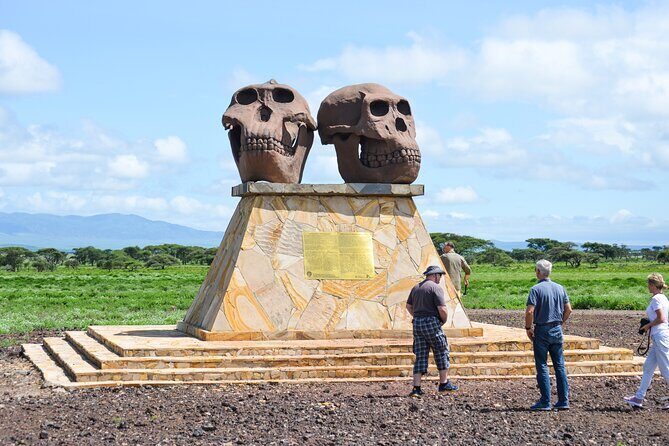
On Day 2, you shift from Tarangire toward Serengeti—but not by a straight line. The drive runs via Karatu farmland and across the Ngorongoro Conservation Area. You stop at the Ngorongoro gate for check-in, then head to a crater view point. This gives you a rim-level look at the crater floor before you even start your Serengeti touring.
Then you do a rim drive and move through the Malanja depression, descending toward Serengeti’s rolling plains. You check in at Naabi Hills gate, where your packed lunch can be eaten at the gate area or at nearby kopjes (rocky outcrops). That matters because kopjes are natural viewing posts—animals often use these rocky edges as landmarks.
Later in the day, you’re guided into the Seronera area, which is one of the places people associate with staying in the heart of Serengeti action. You’ll have time to settle in and scan for the big cats and herds that define this region.
This day is also listed as around 6 hours, so don’t plan tight extra activities in Arusha or delays earlier in the morning. The tour is built for smooth movement.
Day 3’s early Serengeti drive at 06:30: mist timing, cats on the move, and migration chances
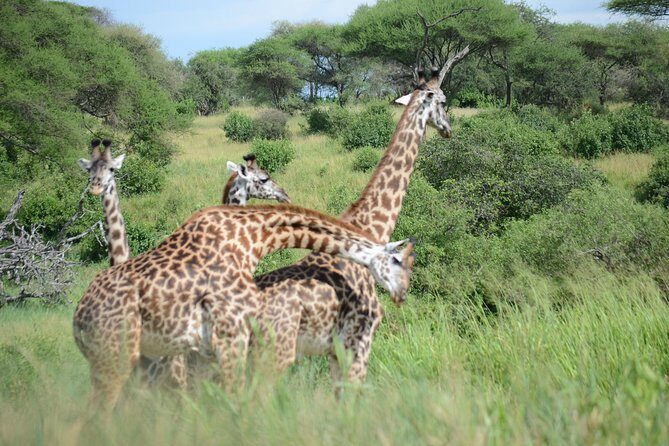
Day 3 is the kind of safari morning that can set the tone for the entire trip. The schedule calls for an early start around 06:30 with packed breakfast and lunch boxes. You go out during the hours when visibility is good and animals are more active.
The best part of this early timing is that it can align with predator movement. The itinerary mentions the possibility of cat family sightings on the road while they avoid morning mist. It also notes chances of nocturnal predators returning from their hunts, or lioness behavior that can turn into morning ambush or feeding along routes.
You’ll break for breakfast in the bush, then continue the pursuit mode.
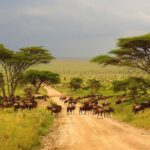
The Serengeti element that people talk about most is the Great Wildebeest Migration, and this tour flags that possibility depending on timing. Practically, what that means for you is focus. When migration herds are in season and where you’re driving that day, the safari shifts from random sightings to a moving story—eating, fighting, and the constant herd flow. When migration isn’t in your exact window, you’ll still be in Serengeti for predator-herd dynamics, but it won’t feel like a single scripted event.
Day 4: exiting Serengeti to Simba campsite near the Ngorongoro rim
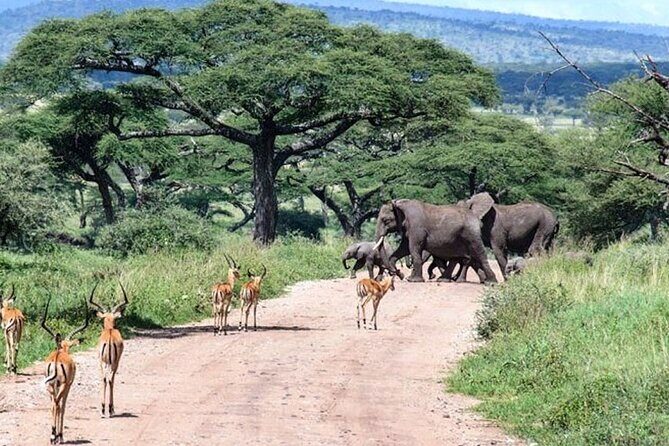
Day 4 turns into a transition day with a safari feel. After an early breakfast, you’re out driving until afternoon. Then you head to camp for lunch and packing, while still doing game viewing as you exit Serengeti.
The route ends at Simba campsite, described as about a 2-hour drive near the rim of Ngorongoro Crater. From there, you’re positioned for the next day’s big moment: the crater descent.
This “repositioning” day is more than logistics. It helps you avoid the feeling of waking up from scratch far from the crater rim. You go to sleep close to where the action will be next morning, which matters when the itinerary calls for an early start again.
Also, camping nights typically mean you’ll be thinking about layers, headlamps, and getting comfortable with the outdoors. Even when camping is well organized, it’s still camping.
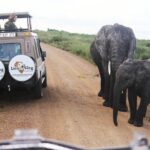
Day 5: descending over 600 meters into Ngorongoro Crater for dense wildlife
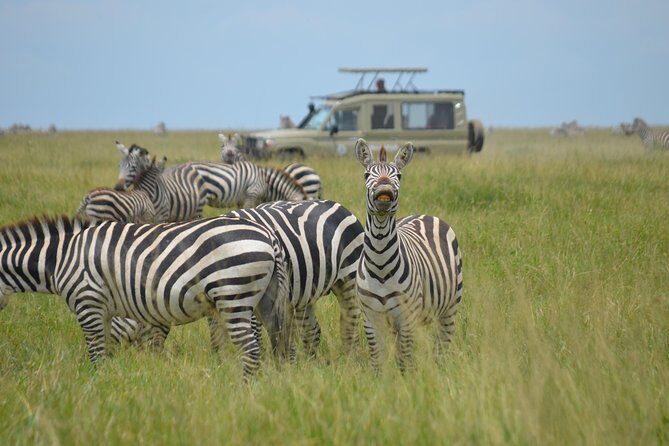
Day 5 is the signature day. After breakfast at 06:30, you descend over 600 meters into the crater floor for game viewing. This is where the “wow” factor tends to hit, because Ngorongoro is a closed-system kind of habitat. It’s described as a natural wonder formed about 3 million years ago, and it’s supported by year-round water and fodder.
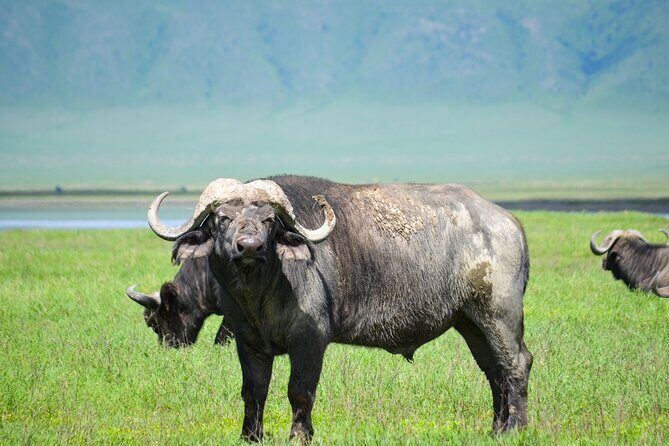
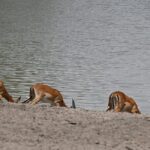
The itinerary lists a dense mix of animals, including herds of buffalo, zebra, wildebeest, eland, topi, warthog, hippo, and giant African elephants. If you came for the Big Five, this is where you’ll feel most of the “all-star lineup” energy in one crater bowl.
The other big draw here is predators. The tour notes the dense population of predators, which is exactly what you want when you’re in a spot known for concentrated wildlife rather than spread-out searching.
One practical advantage: this day shows admission ticket included, so at least on paper, you’re not juggling extra park fee complexity mid-trip.
Day 6 at Lake Manyara: stacked habitats, baboons, flamingos, and a tree-climbing lion chance
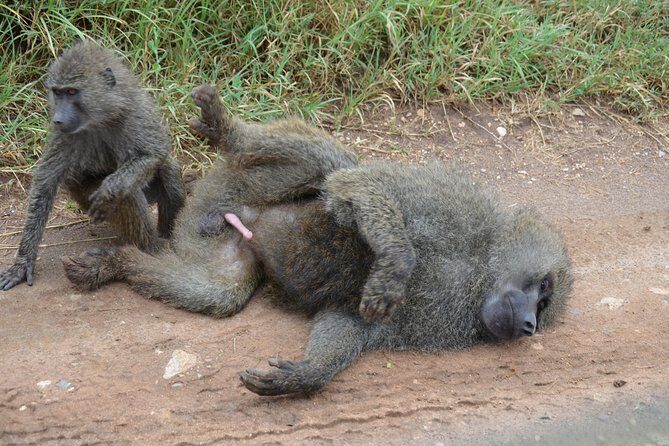
Your final day is Lake Manyara National Park. After breakfast, you drive a short distance and then start game driving after formalities.
What makes Lake Manyara interesting is the variety of habitats stacked together. You can find underground water forest, acacia woodlands, swamps, baobab-strewn cliffs, algae-streaked hot springs, and the lake itself. That kind of mix often means different animal patterns in the same general park area.
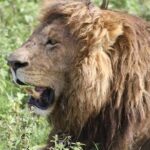
The itinerary highlights a few “big names.” Baboons are a major feature, with the tour noting the largest concentration found anywhere in the world. You’ll also have a chance at flamingos, especially when flocks show up along the lake edges. And yes, the famous tree-climbing lion is specifically mentioned as a highlighted feature—so if that’s on your wishlist, this is your day.
Other animals are noted generally, but the standout here is the habitat variety and that baboon/flamingo spotlight. It’s a good closing day because it feels different from Serengeti and Ngorongoro—less crater bowl, more habitat mash-up.
Camping and lodge time: what to expect from the comfort side
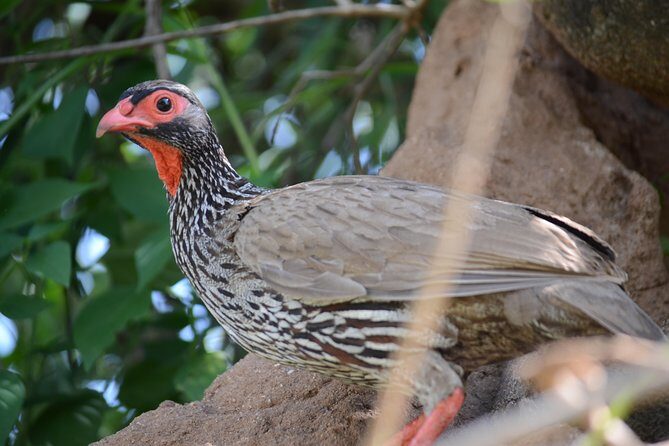
This tour is described as a 6-day lodge & camping experience, with lodge time for two nights and camping site nights otherwise. That mix is smart. Camping gives you the safari atmosphere at night. Lodge time helps you reset if you’re the type who needs a bit more comfort to stay happy during early mornings.
I’d plan your packing around the reality of camping: bring layers for early starts and cooler evenings, and plan for basic outdoor conditions. A headlamp can be a lifesaver once the sun goes down, and a small supply kit (hand sanitizer, wipes, sunscreen) keeps things smooth on dusty days.
Also, since you’re moving park to park, the less you rely on complicated routines, the better. This kind of safari runs on quick transitions and flexible timing.
Price and logistics: is $1,600 good value for this wildlife route?
At $1,600 per person, you’re paying for a serious northern Tanzania highlights circuit: Tarangire, Serengeti, Ngorongoro Crater, and Lake Manyara over about 6 days. The best value angle here is the combination of major parks plus long driving days that actually connect them in a logical loop.
A few items that affect value based on the tour details provided:
- Small group size (max 6): often translates into less crowding on game drives.
- Pickup offered and a mobile ticket: reduces pre-safari hassle.
- Park admissions look covered for multiple days (listed as admission ticket free) and included on Ngorongoro Crater day.
- The itinerary includes classic timing moments: early drives and the 600-meter Ngorongoro descent.
What isn’t spelled out in the provided info is meal inclusions beyond what’s mentioned as packed breakfast and packed lunch boxes during game drives. So when you compare this price to other safari options, you’ll want to ask the operator what’s covered day-to-day and what’s not.
One more angle: the tour is commonly booked well ahead (an average of 168 days). When an itinerary sells consistently, it’s often because the route and timing work.
Guides and organization: why names like Elias, Sam, Hassan matter
Even when an itinerary reads perfectly on paper, your guide can make it feel easy or exhausting. The feedback you provided keeps pointing to the same kind of strength: drivers who are friendly, professional, and good at spotting.
Names that come up in the reviews include Elias, Sam, and Hassan, with multiple mentions of Elias as a standout for driving skill and overall care. Other feedback highlights responsive trip planning support from Faith and David. One review even mentions a longer multi-country dream trip planned through the same company, which suggests they can handle complex itineraries—not just a single safari week.
For you, the takeaway is simple: ask who your guide will be and what their style is. A good guide helps you enjoy the ride, not just endure it.
Who should book this safari, and who should think twice
This safari fits best if you’re the kind of traveler who likes wildlife with early mornings and steady movement. It’s also described as suitable for most travelers, and there’s specific positive feedback tied to a family trip with 11 and 13 year old kids, which hints that the pace can work for attentive children if they’re okay with game-drive time.
You might want to think twice if:
- you’re strongly uncomfortable with camping nights,
- you hate early starts (you’ll see timing around 06:30),
- you want a slower, fully lounge-based vacation.
If your priority is hitting the big parks and maximizing game-drive time—without jumping between too many hotels—that’s the sweet spot.
Should you book this 6-day northern circuit with Simbaland Magic Tours?
I’d say this is a solid choice when you want a tight set of Tanzania icons in one trip: Tarangire elephants and birds, Serengeti predator and migration timing, Ngorongoro’s crater density, and Lake Manyara’s baboons and flamingos. The small-group setup and the repeated praise for guides like Elias makes it feel grounded in real-world safari competence, not just marketing.
The decision comes down to comfort expectations. If you can handle early mornings and the camping rhythm, you’ll likely love how the days stack animal chances. If you need lots of downtime and a very soft schedule, you may find the pace demanding.
FAQ
FAQ
Which parks are included in this 6-day tour?
The itinerary includes Tarangire National Park, Serengeti National Park, Ngorongoro Conservation Area / Ngorongoro Crater, and Lake Manyara National Park.
Does the tour include pickup from Arusha?
Yes. The tour summary lists pickup offered.
How many people are in a group for this safari?
The tour lists a maximum of 6 travelers.
Are admission tickets included?
The tour details show admission ticket free for multiple days and admission ticket included for Ngorongoro Crater day.
What is the cancellation policy?
Free cancellation is offered up to 24 hours in advance for a full refund. If you cancel less than 24 hours before the start time, the amount paid is not refunded.
What happens if weather is poor?
The tour states it requires good weather. If it’s canceled due to poor weather, you’ll be offered a different date or a full refund.