REVIEW · MOSHI
6-Day Mount Meru Climb through Momella Route Guided Tour
Book on Viator →Operated by Altezza Travel · Bookable on Viator
Mt Meru delivers big mountain drama fast. This 6-day climb from Moshi through the Momella route feels raw and wild, but still well-run, with licensed mountain guides and a crew that handles the details. Two things I really like are the midnight summit experience with sunrise potential and the way the team stacks safety support (GPS tracking, medical kits, oximeters, and even unlimited oxygen). One consideration: this is a serious altitude effort—even though it’s not as high as Kilimanjaro, you’ll still feel the climb on summit night.
What makes this trip stand out is that it’s not just “walk up, walk down.” You’ll spend real time in Arusha National Park ecosystems, you’ll pass wildlife areas early on, and you get an extra descent segment compared with the shorter versions. If you want a practical warm-up for Kilimanjaro—or just want a less crowded Tanzanian volcano—this hits the sweet spot.
In This Review
- Quick take: what matters most on this Momella climb
- Why Mount Meru still feels wilder than Kilimanjaro
- Moshi comfort: Aishi Machame Lodge before and after the climb
- Day 2: Momella Gate in Arusha National Park and wildlife on your first day
- Day 3: Saddle ridge ascents, Meru crater views, and Little Meru acclimatization
- Day 4: Midnight summit push to Socialist Peak (4,562 m) from Rhino and Cobra Points
- Day 5: The extra descent segment back toward Momella Gate
- Safety, oxygen, and why the crew details matter
- Meals, gear, and what “included” actually means for your budget
- Group vibe: private tour, but expect real shared mountain life
- Who should book this 6-day Mount Meru climb on the Momella route?
- Should you book Altezza’s 6-day Mt Meru climb?
- FAQ
- What is the duration of the Mount Meru climb?
- Where do I start the trip?
- What airport transfers are included?
- Do I need a ranger for this route?
- How does summit day work and when do you start?
- Is oxygen provided?
- What kind of accommodation is provided on the mountain?
- What meals are included?
- What is included in the price, and what is not?
- What happens if weather is bad?
Quick take: what matters most on this Momella climb
- Ranger required for wildlife: an armed ranger hikes with the team because the area can be active with animals.
- Midnight summit start: you’ll climb steeply from Rhino Point to Cobra Point and onward to Socialist Peak.
- Safety tools that aren’t just marketing: GPS tracking, medical check-ups at least twice a day, oximeters, and unlimited oxygen.
- Moshi comfort before and after: you stay at Aishi Machame (hot water, pool, good restaurant, internet).
- Optional acclimatization add-on: you can hike Little Meru with your guide from camp.
- Value that shows up in logistics: porters, cooks, mats, meals, camping gear, and transfers are included.
Why Mount Meru still feels wilder than Kilimanjaro
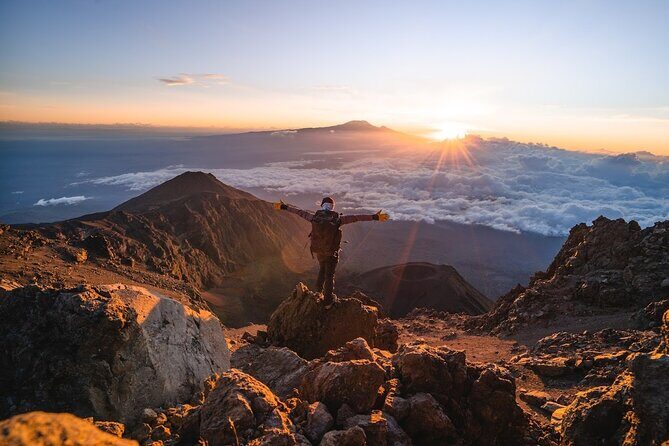
Mount Meru is the kind of mountain people treat as a warm-up. That’s a mistake. Yes, it’s Tanzania’s second highest peak and a smart preparation for Kilimanjaro, but it also has its own personality—volcanic, remote, and full of wildlife energy in Arusha National Park.
Geology fans will have fun here. Meru is a dormant volcano that’s still considered active, with its last eruption in 1910. It formed around 500,000 years ago, and the earliest big eruption essentially exploded its eastern side, creating the mountain’s distinctive look. The crater is famously deep (over 1,500 meters), and the view from the crater rim makes you feel like you’re standing on the edge of something ancient.
You can also read our reviews of more guided tours in Moshi
Moshi comfort: Aishi Machame Lodge before and after the climb
Your trip starts with a fly-in to Kilimanjaro International Airport (JRO) and a transfer to Moshi. You’ll stay at Aishi Machame (or the same branded property) for two nights total—one before the hike and one after.
This part matters more than you think. A climb like this demands sleep and meal quality, not just a place to dump your bag. Aishi Machame is positioned to get you set: hot water, polite service, a swimming pool, a nice restaurant, and internet access. The transfer vehicles also include complimentary Wi-Fi and bottled water, so you can settle quickly when you arrive.
Day 2: Momella Gate in Arusha National Park and wildlife on your first day
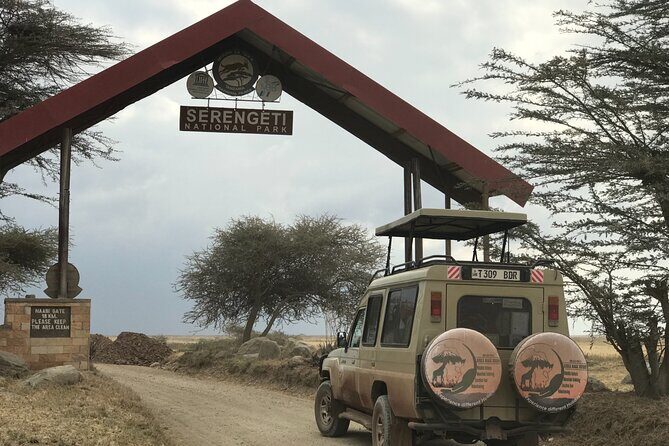
The second day is your gateway into the Arusha National Park feel. You’ll leave early from Moshi and head to Momella Gate. Porters handle the packing setup for your belongings, while you and your guide register with Tanzania National Parks (TANAPA).
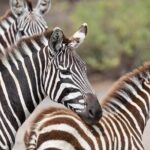
The “walk” portion of Day 2 is also a safari-style introduction. Expect a mix of open-country sightings such as giraffes, zebras, antelope, buffalo, and possibly elephants near the trail. Because wildlife activity can be high, you’ll hike with an armed ranger hired through the National Park for the duration of the trek.
Why I like this start for first-timers: it breaks the psychological spell of summit fever. You’re not immediately thinking about steep altitude. You’re busy watching animals, learning the pace, and getting your hiking rhythm down before things get harder.
Day 3: Saddle ridge ascents, Meru crater views, and Little Meru acclimatization
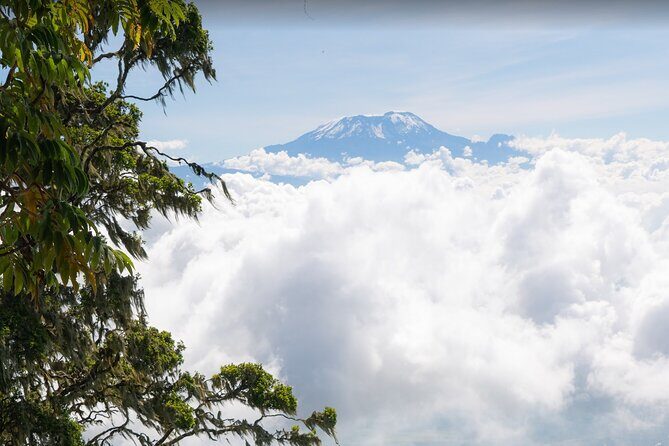
After breakfast, you’ll start ascending via a steep trail that climbs along the ridge of the saddle. One of the best parts of this day is the payoff: you may spot wildlife again, and you’ll get strong views toward Meru Crater and the Ash Cone.
When you reach camp, you’re given an option that I consider a smart move—hiking Little Meru (3,820 m) with your guide. Not everyone wants the extra effort, but if you’re feeling cautious about summit night, this can help your body adapt while you still have daylight and a clearer sense of footing.
Dinner comes early so you can rest before the midnight summit attempt. That timing is not accidental. In altitude trips, the best summit plans are the ones built on sleep, not heroics.
Day 4: Midnight summit push to Socialist Peak (4,562 m) from Rhino and Cobra Points
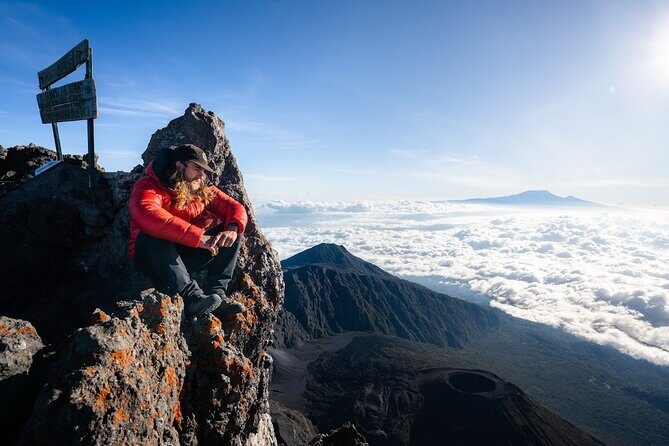
This is the day you’ll talk about for a long time. Summit starts around 00:00, which means you’ll likely be in motion while your brain is still pretending it’s night at home.
The climb goes in major segments:
- First, a steep one-hour push to Rhino Point (3,800 m)
- Then you keep moving along a ridge of ash and rock toward Cobra Point (4,350 m)
- From there, you continue to the summit area at Socialist Peak (4,562 m), with another steep stretch
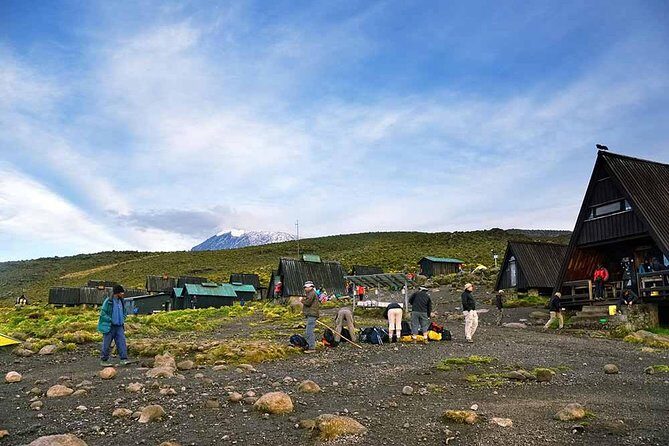
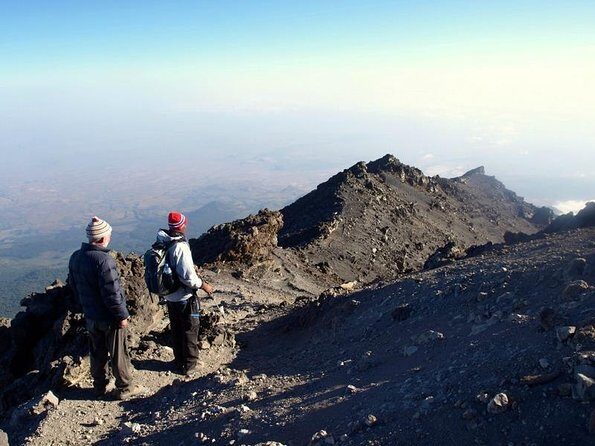
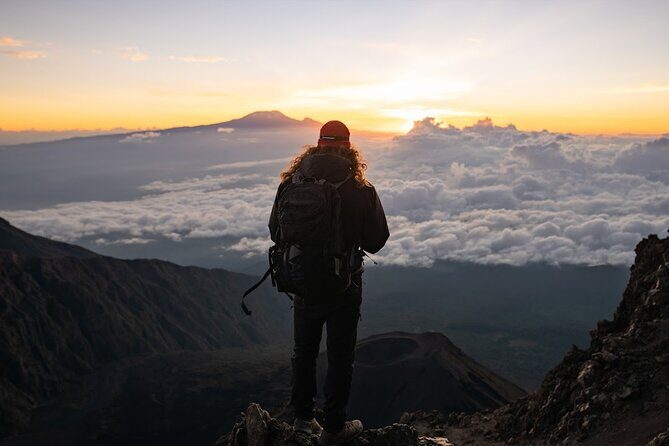
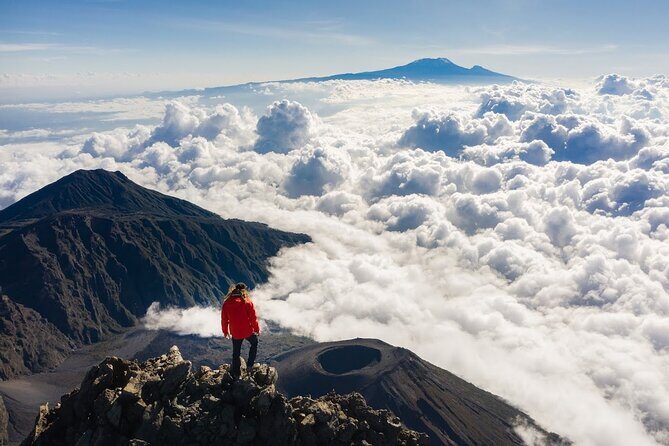
Depending on your pace, you may catch sunrise from around Cobra Point or reach it at the summit. Either way, the view is the reason to sign up. You’ll see crater rim cliffs, the Ash Cone rising from the crater floor, Kilimanjaro sitting in morning clouds, and the Rift Valley far off in the distance.
On the descent, you’ll return toward Rhino Point in morning light. That’s when the mountain makes you pay attention: the ridge between the inner and outer crater walls can feel narrow, with sloping sections dropping away on one side and cliffs on the other.
Practical note: this is not a stroll. Even if you feel strong, you’ll likely feel your breathing change during the steep sections. That’s normal. The way you manage effort—slow, steady, no sprinting—matters as much as your fitness.
A few more Moshi tours and experiences worth a look
Day 5: The extra descent segment back toward Momella Gate
Day 5 starts after breakfast with your final push down. You’ll take what’s described as a northern route back toward Momella Gate, and it lasts about 2 to 3 hours.
This is shorter than summit day, but it still gives you chances to see wildlife again—giraffes, buffaloes, and elephants can reappear around the trail. There’s also a callout for black-and-white colobus monkeys, which you might spot as the vegetation changes along the route. In other words, you don’t just survive the climb—you still get scenery and animal life while you wrap it up.
At the end, the whole group gathers for a congratulations moment, and then you’re transferred to Moshi or Arusha for the night.
Safety, oxygen, and why the crew details matter
I love it when a mountain operator treats safety like a system, not a slogan. This climb includes a lot of support tools, and they’re the kind that make a real difference when conditions get tough or headaches kick in.
Here’s what’s included that you should care about:
- Unlimited oxygen and oximeters
- Complete medical kits and medical check-ups at least twice a day
- GPS-tracking service
- Guides licensed by the Tanzania National Park Authority
- Guides described as Wilderness First Responder-certified (the key idea: trained for real-world medical response in remote settings)
On top of that, you’re working with a full climbing crew: porters and cooks handling food and setup, plus the mountain crew that keeps camp moving. That’s why people talk about feeling safe with this operator. One of the guides mentioned in firsthand accounts includes Emmanuel, and others include John and Peter—names that show up when the communication is smooth and the leadership feels steady.
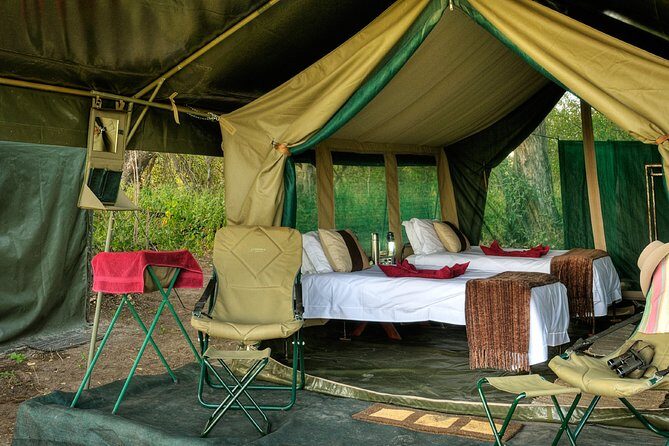
Also worth noting: you get 8 cm (3-inch) sleeping mats and all group camping gear (tables, cutlery, crockery, chairs). Small things, yes—but they affect how much you recover. On altitude days, recovery is everything.
Meals, gear, and what “included” actually means for your budget
On a climb, the cheap version is usually cheap in the wrong places. This price point includes a lot of what would otherwise hit your wallet later.
The tour costs $1,892 per person for about 6 days. That sounds steep until you look at what’s bundled:
- Two nights in Moshi at Aishi Machame (hotel before/after)
- Transfers: pickup/drop-off at JRO plus transfer to the trailhead and pickup at the end
- Huts on Mt Meru, shared according to Arusha National Park regulations
- Three meals a day on the mountain (breakfast, lunch, dinner)
- Porters/cooks, tents/camp essentials, camping mats
- Medical and tracking systems like oxygen, oximeters, and GPS
Not included costs to plan for:
- Personal gear rentals
- Airline tickets to Tanzania
- Visa fees
- Meals at the Moshi hotel before and after the hike (if you want them separately)
- Mountaineering insurance
- Tips for the mountain crew (not required, but guided by satisfaction)
One more practical detail: the hotel setup tends to land well with travelers who care about comfort between long trek days. One account I’ve seen specifically called out welcoming staff and food that included cookies—yes, cookies. On a summit day, little comforts matter.
Group vibe: private tour, but expect real shared mountain life
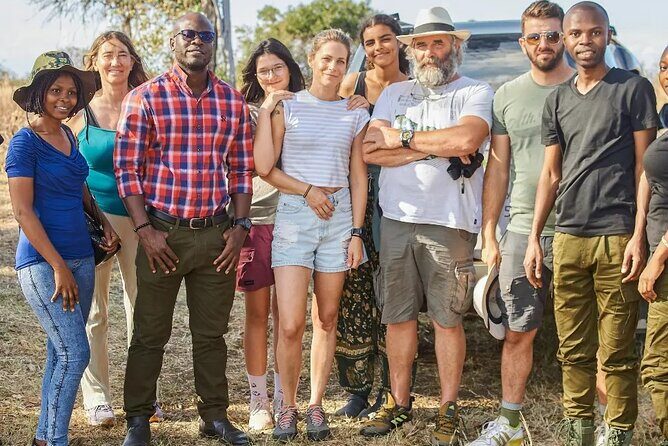
This is listed as a private tour/activity, meaning it’s only your group. That reduces the “random crowd” feeling that can make early-morning departures stressful.
On the mountain, though, sleeping arrangements follow park rules. Huts are shared only as required by Arusha National Park regulations. So you’ll feel the difference between your Moshi hotel bubble and the practical shared-camp reality up high.
The trip includes “group discounts” and a “mobile ticket” option. Those are nice for admin. What matters more is what you’ll notice daily: steady guiding, consistent check-ins, and the crew running camp smoothly.
Who should book this 6-day Mount Meru climb on the Momella route?
You’ll probably be a great fit if:
- You want a true volcano trekking experience, not just a sightseeing day
- You’re training for Kilimanjaro or you want a shorter altitude challenge with a real summit night
- You like structured guiding and strong safety systems
- You prefer guided logistics—meals, camping setup, equipment handling—taken care of
You might want to think twice if:
- You’re not ready for steep, night-time effort (summit starts around 00:00 and includes sharp ascents)
- You struggle with altitude reliably—this trip does help with oxygen and monitoring, but it’s still high country
One cool detail: this trek has been done by a family group in the past (with teens aged 15 and 17). That doesn’t mean it’s automatically right for every family, but it does show the operator can handle mixed ages when the group comes prepared and motivated.
Should you book Altezza’s 6-day Mt Meru climb?
If you want value in the ways that count—safety gear, medical attention, oxygen support, and logistics handled well—this is a strong choice. The route feels like a proper wilderness experience in Arusha National Park rather than a “check the box” mountain. And the combination of wildlife early on plus a midnight summit makes the whole thing feel like a single story, not separate days.
My advice: book it if you’re serious about being on time for summit day, staying calm on steep ridges, and paying attention to your body. If you want a mellow hike with no night summit push, look at something else.
If you do book, bring your best hiking pace skills: slow steps, steady breath, and a willingness to follow the guide’s rhythm. That’s how you get the views—and still feel good enough to enjoy the descent.
FAQ
What is the duration of the Mount Meru climb?
It runs for about 6 days, including arrival, the trekking days, and your departure day.
Where do I start the trip?
You’ll meet at the designated start point with a start time of 9:00 am, then you’ll be transferred to the trailhead in Arusha National Park for the climb.
What airport transfers are included?
Pickup and drop-off at Kilimanjaro International Airport (JRO) are included, along with transfers to the trailhead and back after the trek.
Do I need a ranger for this route?
Yes. Because of the high possibility of spotting wildlife, an armed ranger hired through Arusha National Park is required and hikes with the team.
How does summit day work and when do you start?
Summiting starts around midnight (00:00). You’ll climb to Rhino Point (3,800 m), continue to Cobra Point (4,350 m), and then head to Socialist Peak (4,562 m).
Is oxygen provided?
Yes. Unlimited oxygen and oximeters are included as part of the expedition support.
What kind of accommodation is provided on the mountain?
You’ll sleep in huts on Mt Meru, shared only as required by Arusha National Park regulations.
What meals are included?
You get three meals a day while on the mountain: breakfast, lunch, and dinner.
What is included in the price, and what is not?
Included: guides licensed by the Tanzania National Park Authority, the climbing crew (porters and cooks), camping arrangements and equipment, mats, medical kits and check-ups, GPS tracking, hotel nights before/after, and transfers. Not included: airline tickets, visa fees, personal gear rentals, hotel meals before/after, mountaineering insurance, and crew tips.
What happens if weather is bad?
This experience requires good weather. If it’s canceled due to poor weather, you’ll be offered a different date or a full refund. Cancellation is free up to 24 hours in advance for a full refund.