REVIEW · ARUSHA
5 Days_Haking_Mount_Kilimanjaro by_Using_Marangu Route
Book on Viator →Operated by Three Peaks Tanzania Safari ltd · Bookable on Viator
Huts make Kilimanjaro feel almost civilized. On the Marangu route, you climb an easier, shorter path with sleeping huts at each camp, communal meals, and lots of structure for your body and head. I love the comfort of hut bunks with sponge mattresses, plus solar lighting that makes camp life less chaotic. I also love the energy of shared dining huts with other international groups, so you’re never totally alone on an altitude day. The trade-off is the crowd-and-communal setup: the huts are shared, and the last-camp bathrooms are very basic.
This is a 5-day, private trek starting from Arusha with pickup and a drive to the Kilimanjaro park gate, then hut-to-hut hiking to Uhuru Peak (Africa’s highest point). You’ll pay a premium price (it’s not a bargain), but a big chunk of what matters is included: park and rescue fees, guides, transfers, and meals. If you want the simplest route with the most support, it’s a solid choice—just don’t confuse easiest with easy.
In This Review
- Key Things I’d Bet on With This Marangu Climb
- Marangu Route Basics: huts, the Coca Cola nickname, and shared camp life
- Price and What Makes It Worth Paying: $1,809.50 with the heavy stuff included
- Before You Go: fitness, altitude reality, and what to bring
- Day 1 to Mandara: rainforest hiking, eucalyptus, and Maundi Crater views
- Day 2 to Horombo: moorlands, Mawenzi views, and the first altitude pinch
- Day 3 to Kibo: saddle walking, moonscape, and summit-night prep
- Day 4 to Uhuru Peak: 2:00am start, heavy scree, and Gilman’s Point
- Day 5 Descent to Marangu Village: muddy forest, gaiters, and the drive home
- Huts, bathrooms, and bottled drinks: the practical camp details that matter
- Food, guides, and the human touch that makes or breaks a summit
- Who This Trek Fits Best (and who should think twice)
- Should You Book This 5-Day Marangu Climb? My decision checklist
- FAQ
- Where does the climb start, and where do you finish?
- Do you sleep in huts or tents on the Marangu route?
- Are park fees and rescue fees included?
- What meals and water are included?
- When do you start the summit climb, and how do you reach Uhuru Peak?
- Can you add an extra day or hike a peak during the trek?
- Is free cancellation available, and are tips or international flights included?
Key Things I’d Bet on With This Marangu Climb
- Hut sleeping at every camp with solar lights, beds, and sponge mattresses (no tent setup)
- A classic summit schedule starting at 2:00am for Uhuru Peak
- Big scenery shifts in just a few days: rainforest → moorlands → moonscape
- Park and rescue fees included, so you’re not doing surprise add-ons mid-climb
- Purified drinking water and structured meals built into the trek days
Marangu Route Basics: huts, the Coca Cola nickname, and shared camp life
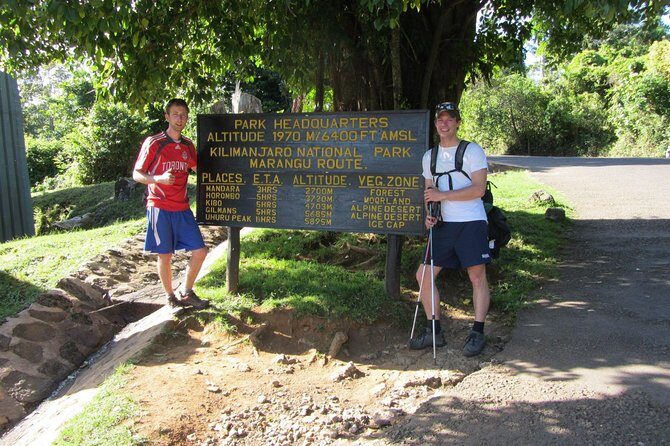
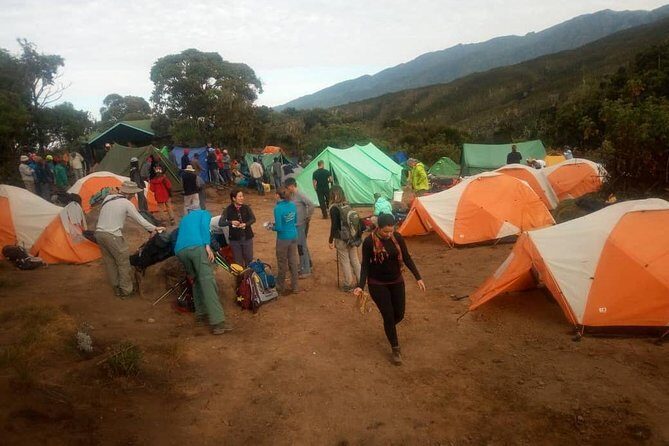
The Marangu Route is often called the Coca Cola route because it’s considered the most straightforward, most “tourist-friendly” way up Kilimanjaro. You get hut sleeping at Mandara, Horombo, and Kibo—so you’re not living in a tent on a windy, rocky shelf. Each hut is communal, with bunks lined up and basic bedding: a sponge mattress and a pillow, plus solar lights for nighttime navigation.
One of the biggest benefits for you is friction reduction. When you’re tired, cold, or altitude-limited, you want simple routines. Huts help because you spend less energy on shelter logistics and more energy on breathing, pacing, and staying warm.
There’s also a social rhythm. Meals are shared in dining huts, and that usually means a lively vibe—talk, laughter, and the occasional nervous joke before summit day. If you’re the type who gets quiet when stressed, this can be comforting.
The drawback is simple: communal huts mean you’re sharing space and basic facilities. Bathrooms and running water are available at the two lower huts, but the last-camp latrines are very basic. If you’re someone who needs clean, private comfort, plan your expectations early.
You can also read our reviews of more tours and experiences in Arusha.
Price and What Makes It Worth Paying: $1,809.50 with the heavy stuff included
At $1,809.50 per person, this isn’t a budget trek. But the value comes from what’s included—especially items that are expensive or stressful when left out.
You’re covered for:
- All park fees and rescue fees
- Guides
- Arrival and departure transfers
- Meals (breakfasts, lunches, and dinners are built into the 5-day plan)
- Clean, purified drinking water
- Two nights of hotel accommodations
- Professional mountain guide support (not just a driver)
You’re not covered for tips, and international flights aren’t included. In practice, that means your “real total” should account for tipping porters and guides. It’s not optional in spirit; it’s part of how these climbs stay respectful and safe for the people doing the heavy lifting.
So is it worth it? For me, the answer is yes if you want structure and fewer surprises. You pay for planning, safety coverage, and a staff-led summit push—not just for the view.
Before You Go: fitness, altitude reality, and what to bring
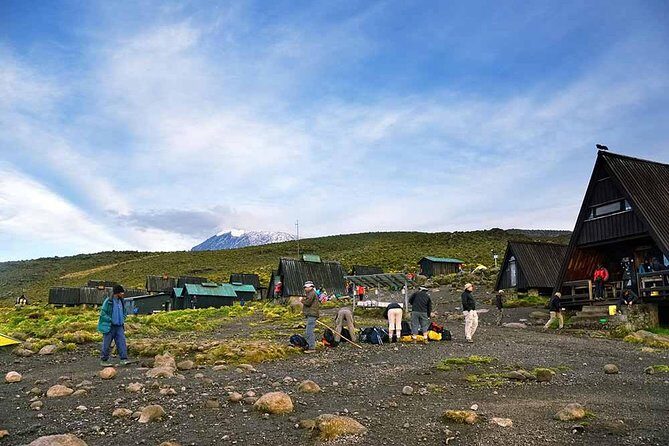
This trek suits travelers with moderate physical fitness. That said, Kilimanjaro doesn’t care about your gym routine. Altitude is the boss, and you’ll feel it starting to show up around day two as you move away from the rainforest and into open moorlands.
Here’s what to respect:
- The route is easier and shorter than many alternatives, but the summit day is still steep and long.
- Day two is where altitude begins to make itself known, so pacing matters from the start.
What to pack based on the climb’s conditions:
- Trekking poles and gaiters are helpful, especially because lower elevations can be wet and muddy on the descent.
- Plan on shorts and t-shirts for at least part of the hike, but keep rain gear and warmer clothing ready. Even if you start warm, nights and summit hours can swing cold fast.
The Marangu huts do provide basic bedding and solar lights, but you’ll still need to manage your own warmth. You’re sleeping in altitude conditions, not a hotel.
Day 1 to Mandara: rainforest hiking, eucalyptus, and Maundi Crater views
Your first day starts with breakfast, then a drive to the Kilimanjaro park gate—about 45 minutes. After registration, you begin the climb through forest to Mandara campsite at about 9,000 feet (2,740 m).
This part is more than just walking to altitude. The forest section has a different pace and a different kind of reward. Look up at towering eucalyptus trees, keep an eye out for bird life, and you may spot Colobus monkeys. It’s a good mental warm-up because the terrain feels more grounded than later moorlands.
There’s also a side trip option: Maundi Crater. It’s a strong add-on if you want a wider sense of the region—Northern Tanzania and Kenya can be visible when conditions are right. Think of this as your first “geography lesson” without needing to be an expert.
Day one is also where you learn how your team handles you: briefing, registration, and getting into rhythm. If your guide team includes people like Mary (who is specifically mentioned as doing airport welcome support), you’ll likely start the trip with a calm, organized tone.
Day 2 to Horombo: moorlands, Mawenzi views, and the first altitude pinch
On day two, the hike shifts from forest glades to open moorlands. You’ll leave the rainforest feel behind and move onto an ascending path with big sky and wide visibility.
The horombo section matters because it’s where altitude starts pressing back. The description is clear: this is where you begin to feel the effects. That doesn’t mean panic. It means you should trust slow steps, steady breathing, and plenty of time to adjust.
The views here are the highlight for many people:
- Mawenzi and the peak of Kibo come into view in a serious, “now we’re really climbing” way.
You’ll also notice plant life that looks like it belongs on another planet—giant lobelias and groundsel plants are the iconic picks on this stretch. It’s one of those times when your pace slows naturally because your brain is focused on breathing and the world outside the trail looks different.
If you want extra margin, the trek offers an option to prolong your hike at Horombo—either resting or hiking Mawenzi’s small peak. That can be a smart move if you’re arriving at Horombo feeling strong and want a little buffer before summit night.
Day 3 to Kibo: saddle walking, moonscape, and summit-night prep
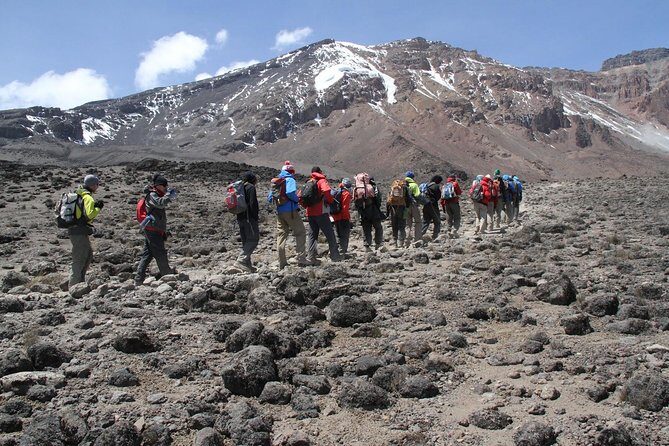
Day three is the runway to the summit climb. You start “mounting the last water point” and hike onto the saddle between Kibo and Mawenzi. This is where the vegetation changes fast: upper heathland first, then it starts to vanish into a moonscape.
That moonscape look is not just for drama. It’s a clue that you’re getting higher and closer to the environment where breathing gets harder and where temperatures can drop quickly.
You’ll reach Kibo Huts, sleep, eat dinner, and prepare for the summit hike. This night is about logistics as much as fitness. You’ll want to get your gear ready before fatigue hits so you’re not scrambling in the dark later. The description is simple: dinner, rest, then preparation.
It’s also the day where your guide’s style becomes important. On many summit pushes, chief Gabriel is specifically credited for being professional during the hardest hours. If you’re connected with his crew, expect steady guidance during the steep grind.
Day 4 to Uhuru Peak: 2:00am start, heavy scree, and Gilman’s Point
Day four begins at 2:00am. You’ll start climbing in steep, heavy scree or snow conditions (depending on what the mountain decides to give you). This is the long midnight climb portion, not a quick hop.
The schedule is built around two key waypoints:
- Gilman’s point on the crater rim at 18,640 ft / 5,861 m
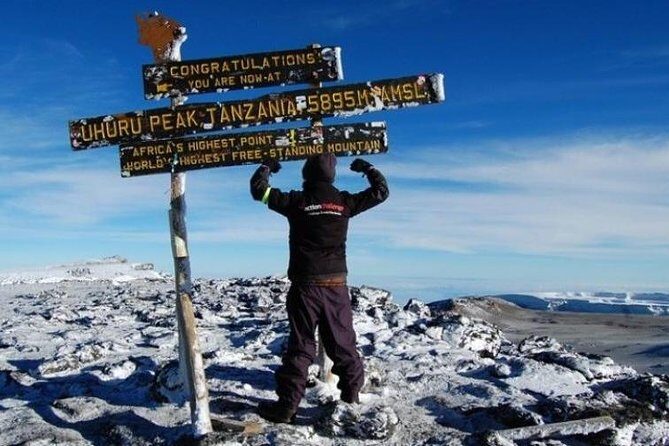
- Uhuru Peak at 19,340 ft / 5,895 m
Reaching Gilman’s point can take about 4–7 hours, then the final push to Uhuru Peak can take 1–2 hours. Those numbers matter because it sets your expectations. This is why you start in the dark: you need daylight-ready time blocks to manage effort and safety.
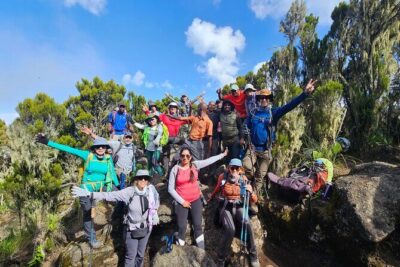
Once you reach the summit, the views are described as incredible at every turn. The simple but meaningful ritual is getting your image taken at the summit—so you can share the moment later and remember how long you worked to get there.
Then you descend. The plan is downhill back to Kibo for lunch and rest, and then continuing down to Horombo for dinner and an overnight. Summit day is physically big, but the descent is also where you can feel relief—and where you still need to watch your footing.
Day 5 Descent to Marangu Village: muddy forest, gaiters, and the drive home
After breakfast, you start a steady descent through moorland to Mandara Hut (2,700 m / 8,858 ft), then continue down through lush forest on a good path. The goal is the National Park gate at Marangu (1,830 m / 6,004 ft).
At lower elevations, the conditions can turn wet and muddy. This is where your gear makes a real difference. Gaiters help keep grit and water off your legs, and trekking poles reduce strain when footing gets slick.
At this point, your clothing strategy usually becomes simple: shorts and t-shirts may be enough, but keep rain gear handy. You’ll also want warmer layers accessible in case the weather cools as you drop.
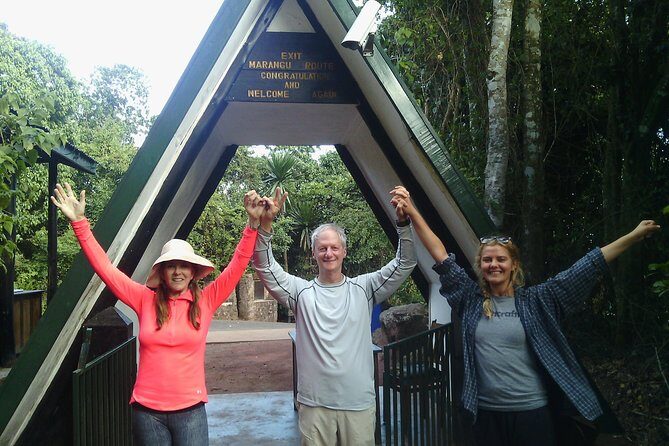
Once you reach Marangu village, a vehicle meets you to drive you back to your hotel in Moshi or Arusha. Then it’s time to celebrate. Also plan to tip your porters and guides—this is part of the team culture that keeps these climbs human.
Huts, bathrooms, and bottled drinks: the practical camp details that matter
Camp life on Marangu is defined by huts with communal sleeping areas. Here’s what you can expect, and why it matters for your comfort level.
- Mandara and Kibo huts each have 60 beds.
- Horombo hut has 120 beds.
- The bunks have sponge mattresses and pillows.
- There are solar lights, which makes a big difference when you’re packing, changing, or finding your shoes before dawn.
Bathrooms and running water are available at the two lower huts. At the last camp, men’s and ladies’ latrines are available, but they’re very basic. That’s the main reason to bring your own sense of hygiene and manage what you can control.
Food is served in dining huts where multiple climbing groups share meals. The vibe is energetic and upbeat, with a real sense of people pushing through the same challenge.
You might be able to buy soft drinks, bottled water, or beer at the huts. The important practical tip: bring small Tanzanian bills because prices increase with elevation.
Food, guides, and the human touch that makes or breaks a summit
You’re not left guessing about food. The package includes nutritious meals, and it also includes clean, purified drinking water. That matters because on altitude days, dehydration can creep in fast, and having water logistics handled lowers stress.
Meals are included across the 5 days (breakfast, lunch, and dinners are part of the plan), so you’re not hunting for snacks while your body is trying to adjust.
On the people side, this climb leans on guided professionalism. In the stories tied to this operator, names like Rafael show up for being kind, patient, funny, and positive—plus good food and porters who keep a smile going. Another name, chief Gabriel, is highlighted specifically for summit professionalism.
Even if your exact staff lineup differs, you can look for the same traits: calm coaching, steady pace guidance, and a team that keeps morale up when the climb gets steep. Summit day at 2:00am is not the time for confusion, so this kind of support is worth real money.
Who This Trek Fits Best (and who should think twice)
This Marangu route is a strong match if you want:
- Hut sleeping instead of tent camping
- A structured 5-day schedule
- An easier, shorter path to the summit compared to harsher routes
- A guided team approach with planned meals and transfers
It’s also a fit for people who have moderate fitness but want a clear progression: rainforest day one, moorlands day two, moonscape day three, summit night day four, and a full descent day five.
You might think twice if you:
- Need private, quiet sleeping arrangements and high-end bathroom comfort at every stage
- Are sensitive to communal facilities (shared huts, basic last-camp latrines)
- Expect that an easier route means a gentle climb on summit day
Remember: the summit push is still steep, with scree or snow. The Marangu route reduces some friction, not all difficulty.
Should You Book This 5-Day Marangu Climb? My decision checklist
I’d book this trek if your priorities are comfort where possible, safety coverage, and a guided summit plan that keeps things organized. The biggest “green flags” for value are that park fees and rescue fees are included, plus meals and purified water. That combination protects your budget and reduces last-minute stress.
I wouldn’t book it if you’re chasing solitude, or if communal huts and very basic last-camp bathrooms would ruin your trip. Also, if you’re the type who melts when plans feel tight, note that day four starts at 2:00am and the summit climb is time-pressured by design.
Before you say yes, do one simple thing: plan your clothing and gear for wet-muddy conditions on the way down and cold summit hours on the way up. If you can handle that, Marangu gives you a straightforward shot at Uhuru Peak with the comfort of hut sleeping.
If you want to do Kilimanjaro with less chaos, this is one of the most practical ways to try.
FAQ
Where does the climb start, and where do you finish?
You drive to the Kilimanjaro park gate for registration and then start the hike to Mandara campsite. After descending through moorland and forest to the Marangu village gate area, a vehicle meets you and drives you back to your hotel in Moshi or Arusha.
Do you sleep in huts or tents on the Marangu route?
You sleep in huts at every camp site along the Marangu route. The huts have solar lights and communal beds with sponge mattresses and pillows.
Are park fees and rescue fees included?
Yes. All park fees and rescue fees are included in the tour price.
What meals and water are included?
The tour includes nutritious food plus clean, purified drinking water. Breakfast, lunch, and dinner are included across the 5 days as listed in the package.
When do you start the summit climb, and how do you reach Uhuru Peak?
The summit climb starts at 2:00am. You climb to Gilman’s point on the crater rim and then continue to Uhuru Peak, with the plan describing 4–7 hours to Gilman’s point and 1–2 hours from there to the summit.
Can you add an extra day or hike a peak during the trek?
At Horombo, you can spend an extra day resting or hike the small peak of Mawenzi if you want to prolong your hike.
Is free cancellation available, and are tips or international flights included?
Free cancellation is available up to 24 hours before the experience starts for a full refund. Tips are not included, and international flight costs are not included in the tour price.