REVIEW · MOSHI
7 Days Safari. Serengeti, Tarangire, Lake Manyara & Ngorongoro Crater.
Book on Viator →Operated by Habari Adventure · Bookable on Viator
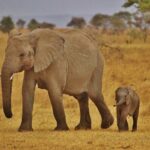
Elephants at Tarangire set the tone. This 7-day safari is built for big-park days with a private vehicle, hotel pickup in Moshi, and the kind of wildlife searching that turns morning coffee into real excitement. I like how the route balances classic hot spots with enough time to actually watch animal behavior, not just rush through photos. I also like the human side: guides tied to this operator include names like Michael and Hillary, and that matters because they help you read what you’re seeing in the grass, trees, and shade.
One thing to plan for: you’ll have early mornings and long drives. And the Ngorongoro area sits high enough that it can feel cold and windy, especially near the rim the night before you descend.
In This Review
- Key things that make this safari feel worth your money
- The 7-day route that hits the main wildlife targets
- Day 1: Tarangire National Park for elephants, giraffes, and baobabs
- Days 2–4 in Serengeti: how to make the long drives pay off
- Day 5: back out toward the Ngorongoro Conservation Area for the crater lead-in
- Day 6: the Ngorongoro Crater descent (and why sleeping near the rim matters)
- Day 7: Lake Manyara for birds and the tree-climbing-lion chance
- Comfort and logistics that actually matter in a safari
- Guides: the difference between seeing animals and understanding them
- Price and value: what $1,850 really buys
- Should you book this 7-day Tanzania safari?
- FAQ
- What parks are included on this 7-day safari?
- Where does the safari start?
- Is hotel pickup included?
- Is this tour private?
- Are meals included?
- Are park admission fees included?
- What is not included in the price?
- Is WiFi included during the safari drive?
- What should I pack for Ngorongoro?
- What if the safari is canceled due to poor weather?
Key things that make this safari feel worth your money
- Private experience: only your group travels together, so you’re not stuck with random timing.
- Big-park rhythm: Tarangire, then serious Serengeti time, then the crater descent, then Lake Manyara.
- Serengeti full-day options: you get long game-drive blocks, including a lunch-box style day.
- Ngorongoro mechanics: you sleep outside the crater, then descend the 600m to the crater floor early.
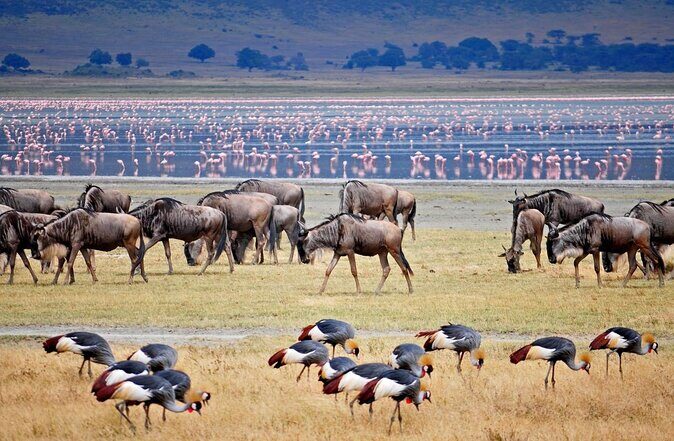
- Birdlife payoff at Lake Manyara: flamingos and strong bird spotting potential around the lake.
- Comfort details included: air-conditioned vehicle and onboard WiFi are listed as part of the ride.
The 7-day route that hits the main wildlife targets
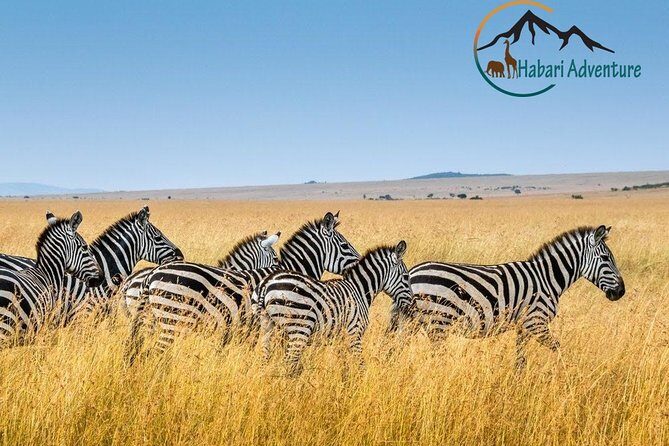
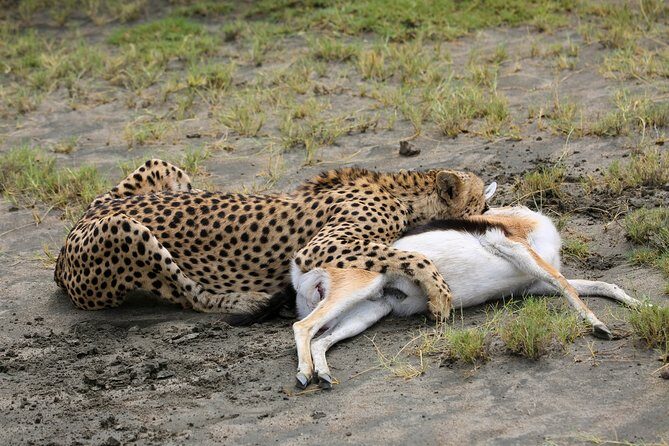
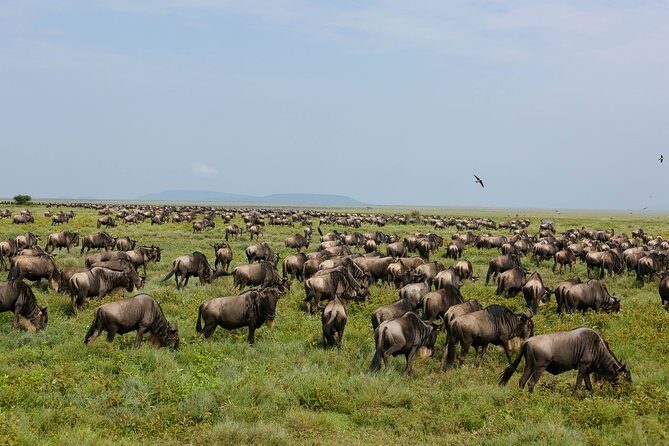
This circuit works because it groups parks by what they do best. Tarangire is great for elephants and tall-stand giraffes. Serengeti is where you spend time learning how predation plays out—who hunts, who hides, and who waits. Then Ngorongoro Crater gives you a concentrated wildlife stage, including a real chance to spot rhino. Finally, Lake Manyara adds a different feel, with tree-climbing lions and big birdlife energy along the Rift Valley setting.
You’re also traveling from Moshi, which is handy. You’re not shifting hotels every few hours, and the plan keeps you in Tanzania’s northern safari lane long enough to actually settle into the rhythm.
A few more Moshi tours and experiences worth a look

Day 1: Tarangire National Park for elephants, giraffes, and baobabs
Tarangire starts early—pickup is around 6:00 am—and you drive about 3–4 hours into the park area. You’ll have roughly 3 hours in Tarangire for your first game drive, plus lunch and dinner included.
What I like here is that Tarangire is scenic in a practical way. The Tarangire River runs through the park and draws wildlife together, so your chances improve even before you start hunting for the “perfect” sighting. It’s also a park where elephants feel common rather than rare. Add in giraffes and the memorable look of baobab trees, and it’s a strong “warm-up” day that doesn’t pretend to be the only act.
Possible drawback: day one is a long travel day before your first real driving time in the bush. If you hate early starts, this is still a safari, so you’ll want to go in rested.
Days 2–4 in Serengeti: how to make the long drives pay off
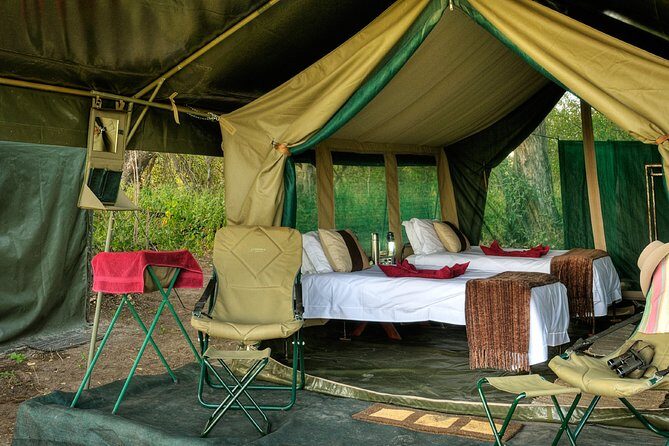
Serengeti is where your schedule earns its keep. On Day 2 you drive about 3–4 hours, with a route through the Ngorongoro Conservation Area in the highlands (not inside the crater). Then you do a game drive that runs into evening, with dinner and overnight in a campsite/lodge/tented camp inside Serengeti.
Day 3 is the full-day style day: you’re out for about 10 hours with breakfast, lunch, and dinner included. There’s also a lunch-box approach, plus time to stop, relax, and continue exploring farther from camp. That matters. Serengeti is huge, and a long day lets you catch different animal patterns—morning energy versus late-afternoon movement—without the sense that you’re being constantly herded.
Day 4 keeps you in central Serengeti for another long run (again about 10 hours). The plan includes that morning game-drive feel, when predators are active and you might catch lions and other hunters during their hunt. You also get breakfast, plus lunch and dinner (or brunch and dinner).
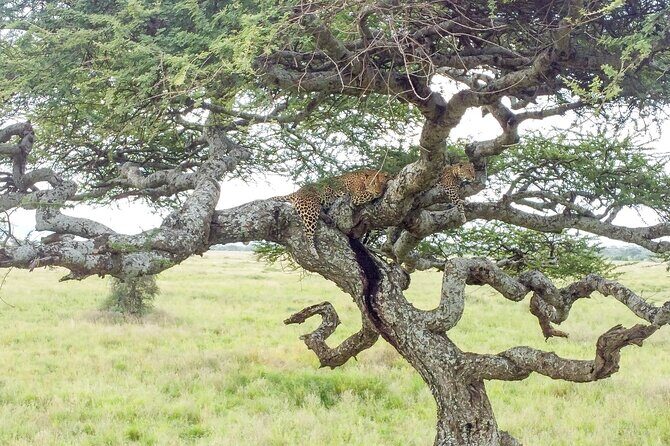
Here’s the practical takeaway: these long Serengeti blocks are the part of the trip that gives you the most “real safari” moments. It’s not just the Big Five pitch. It’s your chance to see how animals use shade lines, water points, and open grass like a map.
Day 5: back out toward the Ngorongoro Conservation Area for the crater lead-in
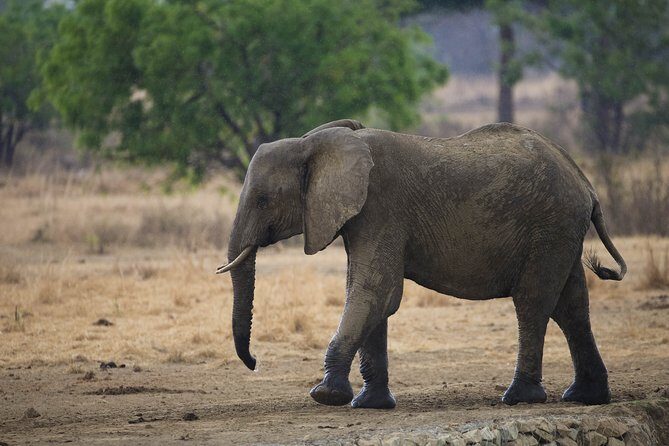
After the Serengeti days, Day 5 shifts gears. You spend about 4 hours in the Ngorongoro Conservation Area and you drive about 1 hour to reach it. Meals stay covered (breakfast, lunch, dinner included).
This part is valuable because it transitions you toward the crater without trying to cram everything into one day. It also sets expectations: the crater is special, but it works as a “descent day,” not a sleep-in-the-crater day. Overnight inside the crater is not permitted, so you’ll be based outside.
If you’re traveling with kids or anyone who hates constant motion, this is still a driving day—but compared to the big jump into the crater, it feels gentler.
Day 6: the Ngorongoro Crater descent (and why sleeping near the rim matters)
Day 6 is the star moment for many first-timers. You rise early to descend the 600m high walls to the crater floor. You spend around 6 hours down there, with breakfast, lunch, and dinner included. You’ll also stay overnight at Heaven nature Campsite.
This is also where the trip’s warning turns into usefulness: Ngorongoro is cold because of altitude—listed at about 7,500 ft / 2,286m—and it tends to be windy. Even if the weather is nice above, the rim area can feel sharper. I’d pack for chill: a knit cap and light gloves were specifically called out for comfort.
Why does this day work? The crater is a concentrated ecosystem, and the plan highlights wildlife waiting for you, including the possibility of seeing endangered rhino. Even when you don’t get rhino, the crater’s closed-in feel makes every sighting feel closer and more immediate.
A few more Moshi tours and experiences worth a look
Day 7: Lake Manyara for birds and the tree-climbing-lion chance
On your final day, you drive to Lake Manyara National Park, which sits in the Great Rift Valley. You’ll have about 4–5 hours in the park, then drive back to Moshi (around 4 hours). Breakfast and lunch are included.
Lake Manyara adds variety to what you’ve already done. The plan points to tree-climbing lions, a soda-ash lake setting, and a birdlife focus. You’ve got a clear bird target too: pink flamingos, plus the lake shores attracting more than 400 bird species. That’s a fun way to end, because it gives you something different to look for beyond the Big Cats rhythm.
One note: this day is still game-drive time, but it can feel more relaxed than Serengeti. If you’ve got safari fatigue building, Lake Manyara is a good closer because you can enjoy birds, scenery, and wildlife at a different pace.
Comfort and logistics that actually matter in a safari
This tour lists transportation with an air-conditioned vehicle and onboard WiFi, plus hotel pickup and a private setup. That’s not just convenience. In safari terms, comfort affects attention span. If you’re stuck battling a rough ride or heat for hours, you miss the small action that makes wildlife watching great.
You’ll also eat well for a safari. Meals are included across most days—lunch and dinner on Day 1, breakfast/lunch/dinner on Days 2, 3, 5, and most of Day 6, and breakfast/lunch on Day 7. On the long Serengeti day, the plan specifically includes a lunch-box style approach.
What I’d plan for personally:
- Start early without fighting it. Early game drives are built into the schedule.
- Bring layers. The Ngorongoro rim can feel cold and windy.
- Keep a close eye on the timing of drives. You’re moving between ecosystems, and that affects what you can spot.
Guides: the difference between seeing animals and understanding them
From the names tied to this operator’s safari experiences—Michael, Steve, Shirima, and Hillary—you can infer a key strength: guiding that focuses on animal identification and what’s happening in the environment. In practical terms, that’s the difference between a sighting that lasts 10 seconds and one you can actually follow for 20 minutes.
If you want to maximize your odds, ask your driver-guide what they expect in each park. Then listen for the reasoning: why that animal is there, what direction they’re likely to move next, and what to scan for while you wait. That’s how safari days become memorable stories instead of scattered photos.
Price and value: what $1,850 really buys
At $1,850 per person, this isn’t a budget safari, but it also isn’t priced like a luxury bubble. The main value lever here is that the plan lists fees, transportation, and meals as included. It also includes gratuities and parking among the covered items, which reduces the usual safari headache of surprise add-ons.
The big exclusions are clear:
- Entry visa is not included.
- Flights are not included.
So the value question is simple: if you’d rather spend your energy on wildlife and not on logistics math, this kind of bundled package tends to pay off. You also get a private group experience, which can be a big deal for families or couples who want a smoother pace and fewer stop-and-start interruptions.
Should you book this 7-day Tanzania safari?
I’d recommend booking it if you want a straightforward route through Tanzania’s most famous northern wildlife areas and you care about spending real time in the parks. The Serengeti days are long enough to matter, and the Ngorongoro descent is scheduled as the early-morning highlight it’s known to be. Lake Manyara is a smart closer because it gives you birds and different wildlife behavior—plus the tree-climbing lion possibility.
Skip this one if you dislike early starts and long drives. Also, if cold weather makes you miserable, take Ngorongoro seriously—bring warm layers and plan for wind.
If you’re deciding between “one big safari” and “a bunch of short stops,” this is the kind of single, focused trip that helps the days feel connected. The parks are far apart, but the pacing is set up so you’re not constantly arriving, leaving, and wondering what you missed.
FAQ
What parks are included on this 7-day safari?
Tarangire National Park, Serengeti National Park, Ngorongoro Conservation Area, Ngorongoro Crater, and Lake Manyara National Park.
Where does the safari start?
It starts in the Moshi area. The listed meeting point includes Kilimanjaro Airport, with a start time shown as 8:00 am.
Is hotel pickup included?
Yes. Pickup is offered.
Is this tour private?
Yes. It’s described as private, with only your group participating.
Are meals included?
Yes. Meals are included throughout the trip: lunch and dinner on Day 1; breakfast, lunch, and dinner on multiple days; and breakfast and lunch on Day 7.
Are park admission fees included?
Park admission is listed as free or included on the relevant days, including the Ngorongoro Crater day as admission included.
What is not included in the price?
Entry visa and flights are not included.
Is WiFi included during the safari drive?
Yes. On-board WiFi is listed as part of transportation.
What should I pack for Ngorongoro?
Ngorongoro is cold and tends to be windy due to altitude, so a knit cap and light gloves were specifically mentioned as helpful.
What if the safari is canceled due to poor weather?
The experience requires good weather. If it’s canceled due to poor weather, you’ll be offered a different date or a full refund.