REVIEW · ARUSHA
4-Day Tanzania Camping Safari
Book on Viator →Operated by Cubs Expeditions Limited · Bookable on Viator
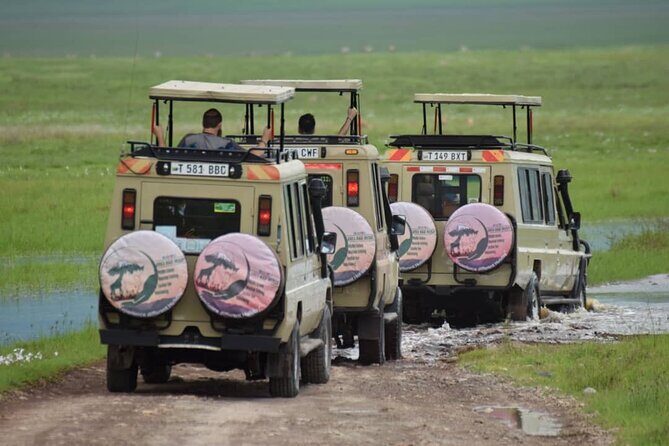
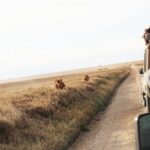
One ticket, four days, and you’re in Tanzania’s headline parks. What makes this safari work is the custom safari jeep with a pop-up roof plus tight guiding across Tarangire, Serengeti (Seronera), and Ngorongoro—a route built for big animal sightings and classic scenery. You’ll also get airport pickup, included park fees, and full meals so your day plans don’t get derailed by logistics.
I also like the pace: you get early drives when animals are most active, and you sleep close to the action instead of bouncing back to Arusha every night. The guides in this operation are often praised by name (people like Humphrey, Omari, David, Amos, Arnold Francis, and Freddy), and that support shows in how the trip is explained and run. The one drawback to think about up front is that this is a camping-style experience on parts of the itinerary, so you should be comfortable with basic camp life (even if it’s described as clean and well-run).
In This Review
- Highlights At A Glance
- How This 4-Day North Circuit Runs From Arusha
- Tarangire National Park: Elephants, Acacia Country, and River Energy
- Serengeti (Seronera Focus): Why Two Drives Beat One
- Ngorongoro Conservation Area: Dawn Descent and Rhino-Spotting Reality
- Camping Setup, Meals, and the Comfort Details That Matter
- Price and Value: What $915 Really Buys
- Timing, Group Size, and What to Expect Day-To-Day
- Should You Book This Camping Safari?
- FAQ
- What parks are included in this 4-day safari?
- Does the tour include airport pickup in Arusha?
- What time does the safari start?
- Is this tour true camping, or are there lodges?
- What’s included in the price?
- What’s not included?
- What if weather is poor or the minimum number of travelers isn’t met?
- Is there free cancellation?
Highlights At A Glance
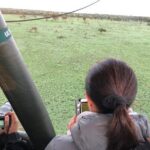
- Pop-up roof safari jeeps help you see animals clearly during game drives
- Tarangire’s elephant concentrations and river/swamp wildlife make Day 1 special
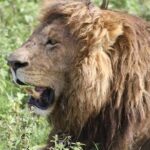
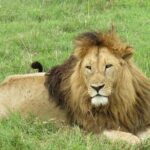
- Two Serengeti days focused on Seronera gives you repeated chances for lion, cheetah, and migrating-herd moments
- Ngorongoro at dawn (6:15 am descent) is timed for the best odds at crater wildlife, including black rhino
- Food and camp comfort are repeatedly praised, including clean bathrooms and even electricity and hot water at camp
How This 4-Day North Circuit Runs From Arusha
This trip is built around the “north circuit” idea: you start in Arusha, then work your way through Tarangire, Serengeti, and Ngorongoro. The driving is real, but it’s organized so each day has a clear goal. Mornings start early—your start time is listed as 6:00 am—and that matters on safari, because wildlife tends to be most visible when the air is cooler.
On Day 0, you’re picked up from the airport and taken to your Arusha hotel (Tulia spa & boutique). You get a tour briefing later, which helps you know what to pack and what to expect before the first drive. That night-to-safari handoff is one of the biggest “quiet” benefits of the package: you’re not trying to figure out schedules after landing.
The tour operates with a custom safari jeep and a guide/driver, which is the right kind of setup for game viewing. One practical note: the group size is capped at 36 travelers, so even though it’s a group trip, it shouldn’t feel like a huge circus.
If you care about where you sleep inside the parks, you should note that lodge stays inside protected areas are described as comfort-level. There’s also an option to upgrade to lodges you choose (the tour specifically recommends Serena or Sopa properties in Serengeti or Ngorongoro for extra cost).
A few more Arusha tours and experiences worth a look
Tarangire National Park: Elephants, Acacia Country, and River Energy
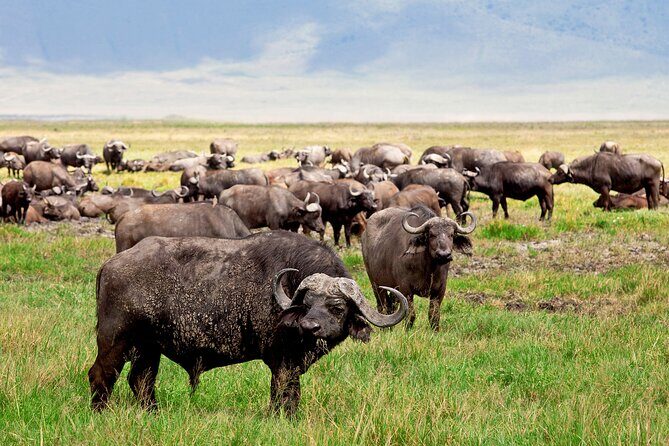
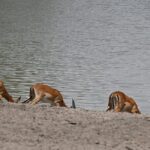
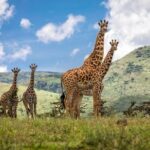
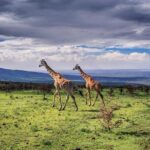
Day 1 takes you to Tarangire National Park, which is famous for elephants and for the way the park mixes habitat types. Expect grass areas plus acacia woodlands and forests, with animals clustering around water sources. That’s where Tarangire earns its reputation: elephants, giraffes, and other species gather at river and swamp areas, and predators (like lions and leopards) show up when prey is moving.
Wildlife here isn’t only about the big mammals. Tarangire is also known for birdlife—one example in the description is yellow-breasted lovebirds—plus species like kudus, buffaloes, elands, and the weirdly named gerenuk. That variety is a good sign for a first day, because it gets you into safari rhythm fast.
You’ll get a short briefing in the morning, then head into the park. In the late afternoon, you arrive at a campsite inside the park and spend the night in tents. Based on what’s been praised, the camping side is not treated like roughing it without support: camp bathrooms are described as clean, and guests mention conveniences like electricity and hot water in camping setups.
The tradeoff is obvious: it’s not a hotel bed. If you know you can sleep in a tent and handle basic camp routines, you’ll likely love this first night because it puts you inside the ecosystem instead of outside it.
Serengeti (Seronera Focus): Why Two Drives Beat One
After breakfast, Day 2 transitions toward Serengeti National Park. The drive is described as about 6 hours, and it transits through the Ngorongoro conservation area. There’s also a gate and viewpoint stop to see the crater area from above briefly—short, but it’s a great mental warm-up.
Once in Serengeti, the focus is Seronera, the central zone. This matters because Serengeti is huge (the trip states 14,750 square kilometers / 5,700 sq mi). When an itinerary names a target zone like Seronera, it usually means more time spent where sightings are likely, not just driving until something happens.
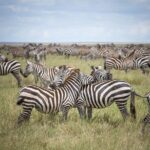
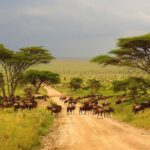
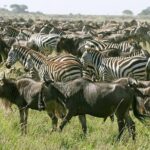
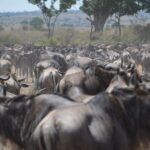
The big Serengeti story is the migration. The tour description highlights over a million wildebeest (listed as more than 1.5 million in the Serengeti migration context) alongside 250,000 zebras, and you’ll be hoping to see the rhythm of that system—often grazing herds, predators moving with them, and birds using the same loops of activity.
On Day 2, you arrive late afternoon, have lunch, and then go on a game drive in Seronera into the late evening. That’s a smart schedule. The light changes and animals shift behavior, and it’s one of those “you never regret extra minutes in the bush” safari truths.
Day 3 starts even earlier. You’ll do an early morning game drive, with more driving time until afternoon, then head toward camp and pack. After that, you exit Serengeti and drive about 2 hours to the Ngorongoro rim area, specifically described as Ngorongoro rhino lodge.
If you’re chasing big-cat sightings, the best habit is repetition. A single Serengeti afternoon can be wonderful, but two drives—especially one early and one later—gives you more chances to hit different animal patterns.
Ngorongoro Conservation Area: Dawn Descent and Rhino-Spotting Reality
Day 4 is the one you plan for in your head the whole trip: Ngorongoro at dawn. After an early breakfast, you descend the crater at 6:15 am. This timing is not random. It lines up with cooler temperatures and the kind of light that helps you spot animals against the crater floor.
Ngorongoro is described as the highlight park with surreal views, and it’s also singled out as the key place for black rhino. The trip is honest about the challenge: black rhinos are the hardest to spot here, even though many other animals are easier once you’re on the crater floor because the terrain naturally concentrates wildlife.
After your crater time, you’ll have lunch, then do a game drive and ascend for the return trip. If you have a late flight, you’re taken to the airport on that schedule; otherwise, the plan is to return to your Arusha hotel or the airport the next day(s) if needed.
In practical terms, the crater day is a test of how patient you can be when nothing happens for a few minutes. The guides on this route are repeatedly praised for spotting, explaining, and keeping the drives productive. If you pick this safari, you’re buying both the scenery and the search effort.
Camping Setup, Meals, and the Comfort Details That Matter
A camping safari lives or dies on comfort details. You don’t need five-star linens; you do need clean basics and food that keeps you going.
Here’s what’s included: meals and water are part of the package, including breakfast, lunch, and dinner across the days, plus bottled water (3 liters or more per day) and soft drinks. The tour also includes accommodation and camp nights where listed.
Food gets strong praise in the feedback, and specific chef names show up—Chef Emanuel and Chef Halid. That’s useful because it implies meal quality is taken seriously, not treated as an afterthought. If you’ve ever done a long drive day on an empty stomach, you’ll appreciate that this trip plans for energy.
Comfort and cleanliness show up too. One theme in the comments is clean bathrooms at campsites, and in at least some camping setups, guests mention electricity and hot water. That doesn’t mean it’s a resort. But it does mean you won’t feel like you’re living in a logistics black hole.
Also, the guide/driver team is described as responsive and hands-on. People mention being able to ask questions, get explanations about species, and have staff available when needs come up. That’s important because safari days are full of small decisions—when to stop, where to look, what to prioritize.
A few more Arusha tours and experiences worth a look

Price and Value: What $915 Really Buys
At $915 per person, this safari sits in the “budget-to-mid” zone, but it doesn’t feel stripped down because a lot of the big costs are packaged.
Included items that drive real value:
- All park entrances and taxes
- Accommodation
- Meals and water plus soft drinks
- Transfers to and from the airport
- Game driving
Not included:
- Tips
- Visas
- Items of personal nature
That’s the key cost math. On a DIY safari, park fees, meals, and transport add up quickly. Here, you’re paying for the full machine: entry fees, driving, sleeping, and meals. You’re still responsible for your visa and tipping, but the major safari cost drivers are covered.
You should also factor in that this is a group safari with a vehicle designed for viewing. The pop-up roof is not a tiny perk; it can make a difference in how easy it is to spot wildlife without constantly moving or leaning.
Finally, the itinerary includes optional upgrades for lodge quality inside parks. If you want to keep the price where it is, you can stick with comfort-level lodges. If you’re willing to pay extra, the tour suggests Serena or Sopa upgrades in Serengeti or Ngorongoro.
One more practical note: the experience requires good weather, and it also notes a minimum number of travelers for the tour to run. If weather is poor, you’re offered a different date or a full refund.
Timing, Group Size, and What to Expect Day-To-Day
Safari days have a rhythm, and this itinerary follows it: early departure, morning drive time, midday activity, then extended drives when possible. That matters for animal sightings because many species shift behavior by time of day.
The start time is listed as 6:00 am, and the crater descent is specifically 6:15 am, so plan to be ready early. That can feel intense if you’re arriving from a long flight. The Day 0 hotel night in Arusha helps, because it gives you one buffer night for sleep and prep.
Because the max group size is 36 travelers, you’ll likely be in a multi-vehicle day at peak moments depending on how the operator schedules. But the emphasis is still on custom safari jeeps and a guide/driver, so you should expect purposeful driving rather than random wandering.
Also, this tour includes a mobile ticket and offers pickup, which reduces the chance you get stuck chasing confirmations right when you land.
If you want a smooth experience, pack for variable conditions: mornings can feel cooler in the bush, and you’ll spend long hours sitting. Bring your own comfort items for camp nights too, because basic routines can still vary by weather and campsite setup.
Should You Book This Camping Safari?
I think you should book this tour if you want a classic north circuit route—Tarangire elephants, Serengeti Seronera game drives, and Ngorongoro at dawn—without micromanaging logistics. The structure makes sense: you get repeated safari time, included park fees and meals, and guiding that’s repeatedly praised for competence and explanations.
You might look at other options if you strongly prefer lodge-only stays the whole way, because Day 1 includes a campsite inside Tarangire with tents. Even if camps are described as clean and more comfortable than many people expect, it’s still a camping experience.
Here’s my quick checklist for deciding:
- You’re happy with early starts and long drives
- You want three headline areas in 4 days without extra planning
- You’re okay with camping at least part of the trip
- You care about having meals and park fees handled
If that sounds like you, this safari is a solid value at $915, and the route gives you a realistic shot at the crater moment that many people dream about.
FAQ
What parks are included in this 4-day safari?
You visit Tarangire National Park, Serengeti National Park (with focus on Seronera), and the Ngorongoro Conservation Area, including a crater descent.
Does the tour include airport pickup in Arusha?
Yes. Day 0 includes pickup from the airport and transfer to the Tulia spa & boutique hotel, with a later tour briefing.
What time does the safari start?
The start time is listed as 6:00 am. The Ngorongoro crater descent on Day 4 is scheduled for 6:15 am.
Is this tour true camping, or are there lodges?
It’s mixed. The trip includes camping with tents at the Tarangire campsite inside the park. Other parts include accommodation described as comfort-level lodges inside parks, with an option to upgrade to lodges of your choice (the tour mentions Serena or Sopa).
What’s included in the price?
Included are park entrances and taxes, accommodation, meals and water (including bottled water 3 liters or more per day), soft drinks, and game driving, plus airport transfers.
What’s not included?
The tour lists tips, visas, and items of personal nature as not included.
What if weather is poor or the minimum number of travelers isn’t met?
The experience requires good weather. If it’s canceled due to poor weather, you’re offered a different date or a full refund. If the minimum number of travelers isn’t met, you’re also offered a different date/experience or a full refund.
Is there free cancellation?
Yes. You can cancel up to 24 hours in advance for a full refund. If you cancel less than 24 hours before the start time, the amount paid isn’t refunded.