REVIEW · MOSHI
4 Days Tanzania Budget Safari
Book on Viator →Operated by Kiwoito Africa Safaris · Bookable on Viator
Four days can feel ridiculously close to wildlife. You’ll do elephant-heavy Tarangire game drives and then work your way into Ngorongoro crater for serious wildlife odds, all while sleeping in a tent under open skies. I also like the simple setup: your guide and driver handle the route, and your cook takes care of meals. One consideration: this is a camping safari, so comfort is basic and the long drive days are part of the deal.
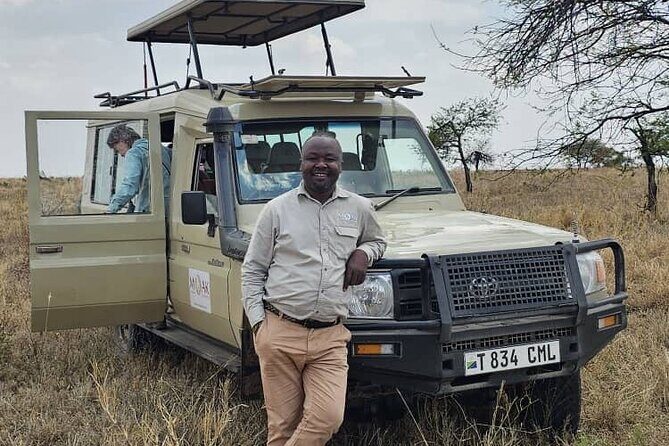
What makes this trip especially interesting is the tight focus on Tanzania’s “greatest hits” without bloating the schedule. With a small group (max seven), you spend more time watching and less time waiting. You also get practical vehicle extras like WiFi on board, which helps when you’re swapping photos between game drives.
In This Review
- Key highlights I think you’ll care about most
- Tarangire, Lake Manyara, Ngorongoro in 4 days: the value of a tight loop
- Day 1 in Tarangire National Park: elephants, river focus, and camp inside the action
- Day 2 at Lake Manyara: birds, flamingos, and the comedy of baboons
- Day 3 at Ngorongoro: the crater descent, dense animal chances, and a picnic lunch
- Day 4: Mto wa Mbu to Arusha, and why midday arrival helps
- What $1,320 gets you (and where the value really shows)
- Camping under the stars: the good parts and what to plan for
- Getting the most from game drives without burning out
- Guides and leadership: the names that kept showing up in feedback
- Who should book this 4-day budget safari?
- Should you book? My practical take
- FAQ
- Where is the meeting point for this safari?
- How many people are in the group?
- Which parks and areas will you visit during the 4 days?
- What meals are included?
- Is WiFi available during the safari?
- What is the cancellation policy if plans change?
Key highlights I think you’ll care about most
- Small group pace (max seven) means fewer people on each game drive and a calmer feel in camp
- Tent camping at real campsites keeps you close to the rhythm of the parks
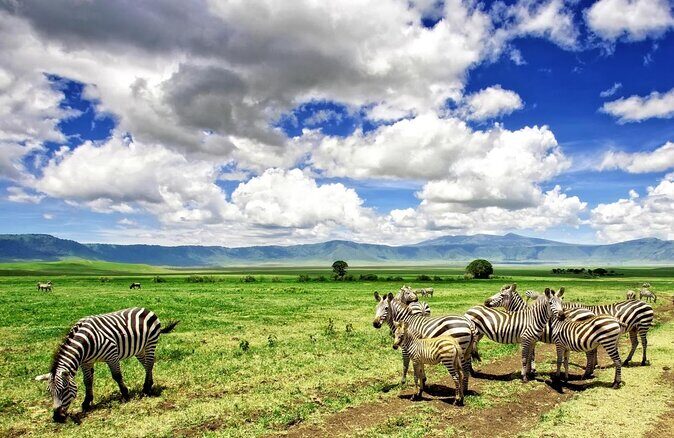
- Big wildlife targets, packed in: Tarangire elephants, Lake Manyara birds and baboons, Ngorongoro crater’s dense safari energy
- Meals are built in with a professional cook who makes the days feel smoother
- On-road conveniences like WiFi on board help during transfers
Tarangire, Lake Manyara, Ngorongoro in 4 days: the value of a tight loop
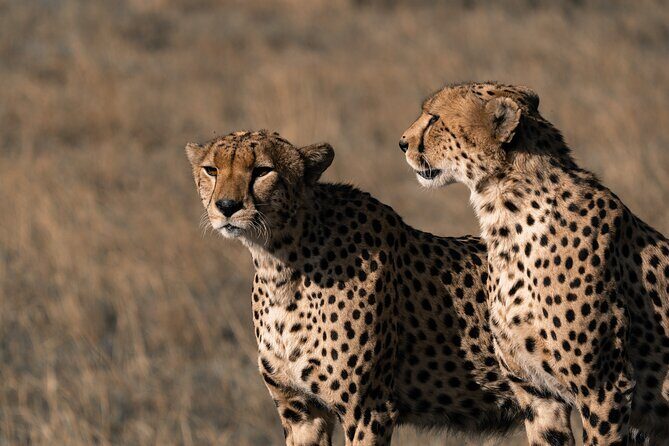
This kind of “budget” safari works when you want big experiences without turning your trip into a moving circus. In four days, you get three major wildlife areas and two nights of tent camping. That’s the key tradeoff: you’re not slowing down for extra stops, so you’ll spend more hours in the vehicle and fewer hours hanging out in town.
The route also makes sense geographically. You start at Tarangire for elephant numbers and scenery variety, then head toward the Rift Valley area (Lake Manyara sits right along that dramatic escarpment zone). Finally, you drop down into Ngorongoro, where the crater’s walls help concentrate animals in a way that feels almost unreal.
For me, the best part of this style of trip is how it keeps your attention where it should be: spotting wildlife, watching behavior, and learning what to look for as the light changes. The guide and driver structure the days so you’re not figuring logistics while also trying to spot a leopard.
A few more Moshi tours and experiences worth a look

Day 1 in Tarangire National Park: elephants, river focus, and camp inside the action
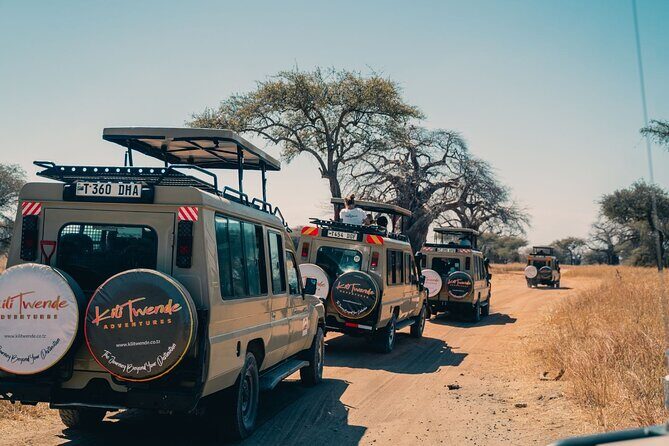
Tarangire is one of those parks that rewards patience fast. After a short morning briefing, you drive into the park and settle into the rhythm of a classic game drive: stop, scan, reposition, repeat. Tarangire’s habitats run from grass areas to acacia woodlands and forests, which means the wildlife isn’t all packed into one kind of view.
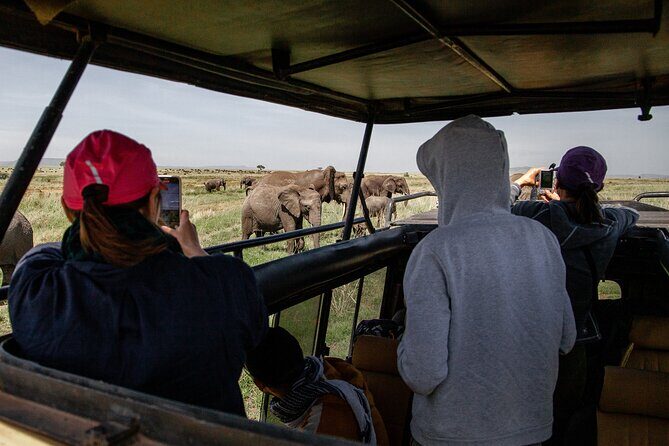
What I’d put at the top of your “watch for” list here is elephants. The park is especially known for huge elephant herds gathering around rivers and swamps, so you often get the feeling that the whole landscape is built around water. That water pull tends to bring in other animals too, from giraffes and buffaloes to smaller birds that can be surprisingly fun to spot.
Your game drive energy usually peaks again in the afternoon, and then you shift gears. Instead of sleeping far away, you arrive at a campsite inside the park and set up in tents for the night. That’s a big part of why camping safaris feel different: the park is still “on” around you after the last vehicle leaves.
Practical expectation: night in the bush is not a hotel. Plan on basic tent living and give yourself permission to be tired. When you wake up, though, you’re already in safari mode.
Day 2 at Lake Manyara: birds, flamingos, and the comedy of baboons
Lake Manyara is a different vibe from Tarangire. The lake sits along the Rift Valley escarpment base, and the park’s setup is tightly linked to the shallow, alkaline water. That matters for animals. It also matters for birds.
The headline here is birdlife, including huge flocks of flamingos. If you like spotting wildlife but also enjoy the “smaller” action—birds moving in clusters, wings catching light, calls bouncing across the area—Lake Manyara can feel like a whole extra dimension to your safari.
Game drive targets usually include buffaloes, elephants, hippos, and Masai giraffes. And then there are the baboons and monkeys in the forest edges. This is where the day can get funny fast. Baboons have a way of acting like they run the place.
In between drives, you pass through the town of Mto wa Mbu, which helps break up the day. When you’re doing a compact safari like this, those small transition moments matter because they give your brain time to reset between animal-heavy stops.
By the end of the day, you’ll head onward for your next night camping setup. This is also a day where your timing benefits from the guide’s judgment. If the animals are where the food and water are, the best strategy is usually to be positioned early rather than chase late.
Day 3 at Ngorongoro: the crater descent, dense animal chances, and a picnic lunch
Ngorongoro is the day that makes a lot of people book this exact circuit. You wake up early, eat breakfast at camp, and then travel down a steep path into the crater. That descent is more than dramatic scenery. It also changes the whole safari feel because the crater’s grass plains and acacia forests often support animals in tight proximity.
This is where you get the best “big safari day” odds. In a few hours, you might see all of the Big Five—lion, elephant, buffalo, rhino, and leopard. Realistically, wildlife sightings can’t be guaranteed, but Ngorongoro’s reputation comes from how much wildlife it can hold in a relatively short time window.
Even beyond the Big Five, there are other interesting targets like eland and mountain reedbucks. Hyenas can show up, and wild dogs are rare but possible. When something rare happens here, it tends to feel extra meaningful because the crater funnels attention and movement.
You’ll also have a picnic lunch inside the crater. That’s a practical win. Eating there saves time and keeps you from losing momentum to travel back and forth. It’s also a memorable moment because you’re not just driving through wildlife—you’re taking a break while watching the crater ecosystem around you.
After the crater game drive, you head back out and spend the night in a tent on a campsite in Mto wa Mbu. This stop is useful because it gives you a change of scenery and a more relaxed night compared to being in the crater area all day.
Day 4: Mto wa Mbu to Arusha, and why midday arrival helps
Your final day starts with a leisurely breakfast. Then you head back toward Arusha, with an arrival around midday. You’ll be dropped off in the city center or at the airport.
That midday timing is more than a line item. It can be helpful if your flight isn’t the first thing in the morning. If you’re planning onward travel, you’ll usually appreciate having a buffer instead of racing to make a tight departure window.
Also, Mto wa Mbu is a practical final stop. It’s close enough to reset after Ngorongoro’s intense crater day, but it’s still part of the safari loop rather than a sudden city jump.
A few more Moshi tours and experiences worth a look
What $1,320 gets you (and where the value really shows)
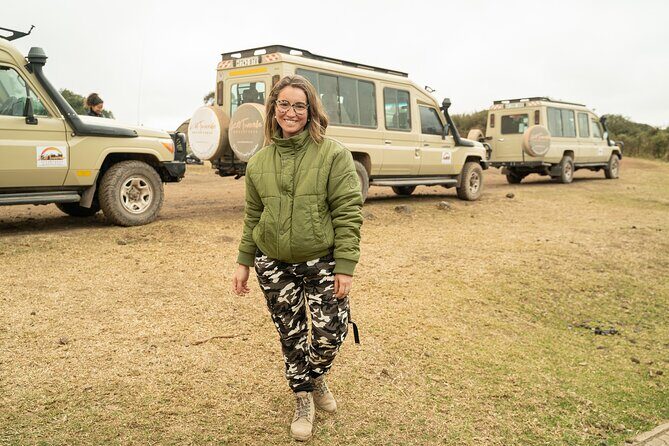
At $1,320 per person for a 4-day safari, you’re paying for a lot more than a few park entrances. You’re covering park access fees and taxes, vehicle transport in a 4×4, tent camping according to the schedule, and meals with a professional English-speaking safari cook.
A few “value tells” stand out:
- Three major wildlife areas in four days. You’re stacking Tarangire, Lake Manyara, and Ngorongoro without adding extra transit-heavy detours.
- Meals are included (breakfast 3 times, lunch 4 times, dinner 3 times). That matters because it removes one of the biggest headaches of safari travel: hunting down food while trying to stay flexible.
- Camping is included, which keeps the trip in the “budget safari” lane while still delivering the under-the-stars experience.
The extras you’ll appreciate are also practical: the included WiFi on board helps you handle photos, messages, and small planning tasks during transfers. In the feedback I read, people also praised vehicle amenities like WiFi, AC, and a small fridge. Even if those aren’t identical across every vehicle assignment, the core idea is the same: the ride isn’t just bare-bones.
What’s not included is also important for planning your total budget: flights, visa fees, tips, and alcohol or soft drinks. If you’re the type who tips regularly for good service, it’s smart to budget for that ahead of time so you don’t feel rushed at the end.
Camping under the stars: the good parts and what to plan for
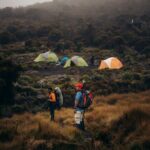
This safari centers on tent camping. You’ll sleep at campsites—one night is at a campsite inside Tarangire, and another night is on a campsite in Mto wa Mbu. The “public campsite” style also comes up in the trip description.
Here’s what that means in real-life terms: you’ll be close to nature and the sounds of the bush, but you’re not booking into a private luxury lodge bubble. The value is in the atmosphere and the fact that you’re waking up near wildlife areas, not driving for hours just to sleep.
Pack with comfort in mind for tent life. Think warm layers for evenings, and gear that makes bathroom routines less annoying. If you’re expecting hotel-level showers, you’ll be disappointed. If you’re ready for real safari living, you’ll probably love it.
Also, camping makes early mornings easier. A short breakfast and you’re ready to go again, which is exactly what you want when your day includes a crater descent.
Getting the most from game drives without burning out
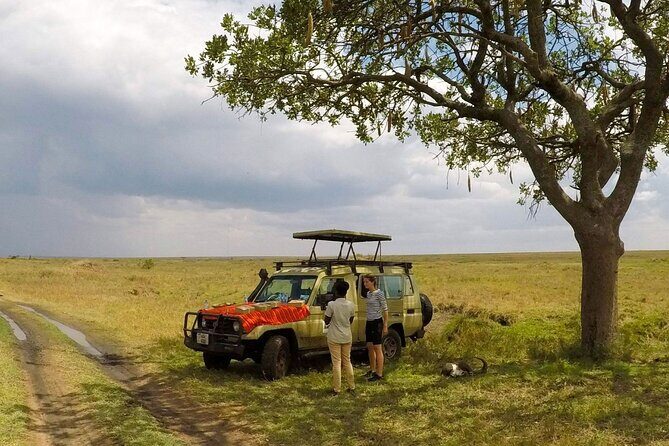
In a compact safari like this, the biggest danger isn’t missing wildlife. It’s losing energy. The schedule is packed with drives, so you’ll want to pace yourself.
A few practical tactics:
- Bring sunglasses and a hat. Light and dust can be constant.
- Keep your camera battery habits tight. Cold evenings can drain power faster than you expect.
- Listen to your guide’s spotting strategy. The best viewing often comes from being patient at the right moment, not from always moving.
Since the group max is seven, you generally have room to spread out your attention. Still, you’ll want to keep your items organized so you can move quickly when everyone stops for a sighting. It’s amazing how often a short stop turns into the best moment of the day.
The safari cook experience also matters for energy. Included meals keep you from “hangry safari syndrome,” which is real. When food is reliable, you can focus on the drive and the animals instead of worrying about what comes next.
Guides and leadership: the names that kept showing up in feedback
One of the strongest patterns in the feedback I read is the role of leadership and guide personality. Charles, the director, comes up again and again for responsiveness and organization. If you like feeling that someone has your back when plans shift, that detail matters.
Individual guides also get praised by name. People talk about guides like Noel and Frank as standout, and Emmanuel also gets frequent high marks for competence and for doing what it takes to see a lot of animals. Another name that pops up is Oredi, who was appreciated for making the safari feel smooth from airport pickup through the driving days.
Why this matters for you: in a safari, the guide isn’t just narrating. They’re choosing where to stop, when to move, and how to read behavior. When the guide is sharp and responsive, your “chance of a great day” goes up even when wildlife sightings are unpredictable.
Who should book this 4-day budget safari?
This one fits best if you want:
- A short Tanzania safari that hits major parks rather than a slow road trip
- Tent camping and the romance of sleeping under stars
- A small-group feel (max seven) with less waiting around
- Included meals and a cooked-in routine so you’re not constantly managing logistics
It may not be ideal if:
- You need hotel-level comfort every night
- You hate long drive days or you get motion sick easily
- You want a super relaxed pace with lots of free time in towns
If you’re traveling as a couple, a small group of friends, or solo and you want an organized route, this setup is a good match.
Should you book? My practical take
If your dream is to see real Tanzania wildlife fast—Tarangire elephants, Lake Manyara’s bird and forest action, and Ngorongoro’s crater intensity—this 4-day safari makes sense. The combination of park diversity + camping + included meals gives you a lot of safari time per dollar spent.
My main “yes, but” is the camping reality. If you’re comfortable with tent living and you pack smart for dust and evenings, you’ll likely enjoy the experience more than a more comfortable trip because you’ll feel closer to the parks.
If you want to be maximally efficient, tell yourself the goal is wildlife watching, not luxury. When you match your expectations to that goal, the trip delivers.
FAQ
Where is the meeting point for this safari?
The tour starts at Kilimanjaro Airport.
How many people are in the group?
This experience is limited to a maximum of seven travelers.
Which parks and areas will you visit during the 4 days?
You’ll visit Tarangire National Park, Lake Manyara National Park, Ngorongoro Conservation Area (including the crater game drive), and you’ll also spend time around Mto wa Mbu during the overnight stop and on the final day.
What meals are included?
Breakfast is included three times, lunch is included four times, and dinner is included three times.
Is WiFi available during the safari?
Yes. WiFi is included on board the vehicle.
What is the cancellation policy if plans change?
You can cancel up to 24 hours in advance for a full refund.