REVIEW · MOSHI
4 days adventure camping safari
Book on Viator →Operated by safari soles tours · Bookable on Viator
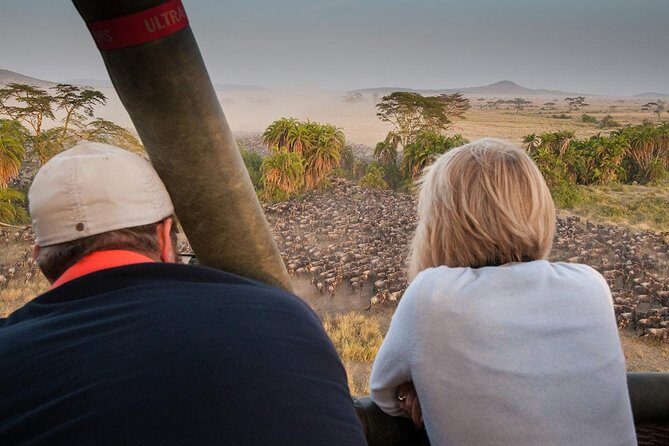
Wild mornings start this safari. From Moshi, you’ll sleep in mobile tents under the stars and chase wildlife across Tanzania’s Northern Circuit, with sunrise and sunset game drives built in. It’s an adventure-style trip that aims at real sightings, not just check-the-box photos.
I especially like that so much of the trip is handled for you: camping equipment is supplied, and meals plus bottled water run throughout the journey. I also like the mix of parks and timing, with Serengeti drives that can run through sunset and the crater day that’s all about spotting the hard-to-find animals.
One consideration: this is camping. If you want hotel-level comfort or quiet nights, you’ll need to adjust expectations, because you’ll be living outdoors and waking up early to chase animal activity.
In This Review
- Key highlights you should care about
- Moshi base to Northern Circuit big-game country
- The 4×4 safari jeep details that actually matter
- Day-by-day: Tarangire’s lion and cheetah odds
- Ngorongoro Crater viewpoint to Maasai village add-on
- Serengeti Seronera: sunset drives and camp-area sightings
- Day 3: early Serengeti drives to maximize animal activity
- Day 4: descending for black rhinos in the crater
- Camping setup and what “rough it” really means here
- Meals, water, and the small comforts that keep you going
- Park fees, add-ons, and what can change your total cost
- Group size, private booking feel, and who this suits best
- Should you book this 4-day camping safari from Moshi?
- FAQ
- Where does the safari take place?
- Is pickup offered?
- How long is the safari?
- What camping setup is included?
- What meals and drinks are included?
- Which parts include park admissions, and what’s extra?
- Are game drives included at sunrise and sunset?
- What vehicle will you use?
- Is there free cancellation?
Key highlights you should care about
- Mobile tents under the stars keep the safari feeling raw and real
- Sunrise and sunset game drives give you the most dramatic wildlife light
- Tarangire delivers a strong predator-and-herbivore combo day
- Ngorongoro Crater means big habitat variety in a compact space, plus a serious black rhino hunt
- Serengeti’s Seronera area is a go-to zone for wide-ranging sightings
- Meals + bottled water + a 4×4 jeep reduce the usual safari hassle
Moshi base to Northern Circuit big-game country
Most people start this safari out of Moshi, and that matters. It’s close to the routes that feed into Tarangire, Ngorongoro, and the Serengeti, so you spend more time in national parks and less time just passing through towns. Pickup is offered, which is a huge help if you’re arriving by flight and don’t want to figure out local transport after a long travel day.
The “camping adventure” angle also shapes the whole feel. You’re not just visiting parks in a day. You’re staying in the ecosystem, so mornings and evenings happen around the animals’ schedule, not yours. That change in pace is a big part of why this kind of safari feels different.
The tour price is $1,650 per person for about four days. At this level, value comes from what’s bundled: a guide, a 4×4 vehicle with practical extras, camping setup, meals across multiple days, bottled water, and park entry for key segments (with a couple of clearly stated add-ons). If you’re comparing to “cheaper” safaris, the hidden costs usually show up in park fees, meals, and gear. Here, those pieces are already accounted for.
A few more Moshi tours and experiences worth a look

The 4×4 safari jeep details that actually matter
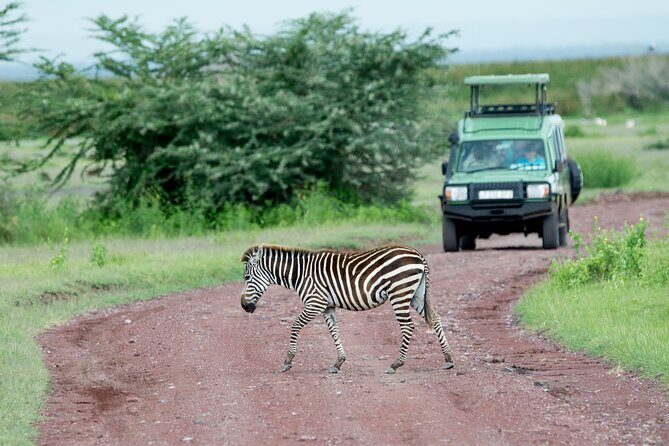
You’ll ride in a 4*4 safari jeep with a pop-up roof. That roof is not a luxury gimmick. It helps you keep an upright viewing position when animals are near roads, which improves spotting and keeps the group moving together without everyone craning sideways.
This vehicle also includes a cooler fridge and charging ports, plus bottled water is supplied during the trip. On long drives, the cooler fridge is what keeps drinks usable instead of turning everything into a warm, sad science experiment. Charging ports matter too, because you’ll want your phone/camera ready for long days in the field.
And yes, you’re not going solo in a random car. You’re traveling with a professional safari guide, and the names that come up in past trips include people like Simon, Jeff, Chedy, and Chadi. You might also meet a team with cooks such as Action or Geoffrey. The common thread in these roles is practical animal-finding skills plus local context.
Day-by-day: Tarangire’s lion and cheetah odds
Tarangire National Park is your first full day game drive, and it’s built around high probability sightings. The park is known in this context for close predator and big-herbivore action, and your schedule reflects that: about 9 hours out on the road with park admission included.
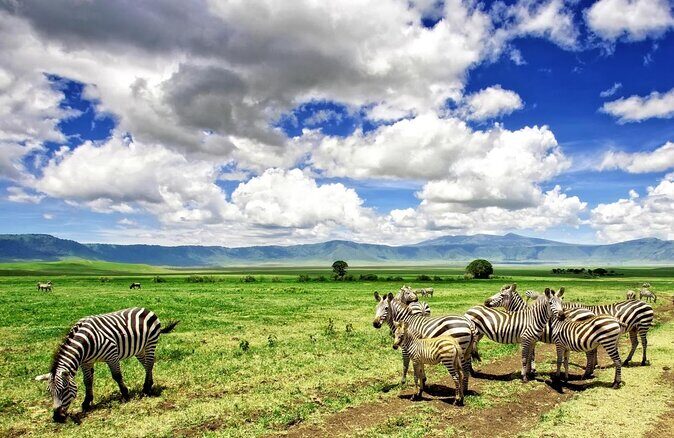
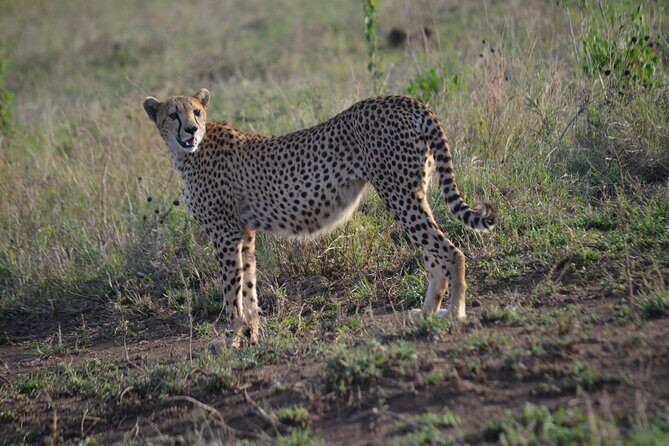
Why Tarangire works so well at the start: you’re fresh, the light is usually good, and the park gives you a mix of big animals and smaller grazers. The day is set up to increase your chances of seeing lions, cheetahs, and leopards, while also spotting the “main cast” of elephants, wildebeest, buffaloes, zebras, and gazelles.
A full-day drive also helps you adjust to safari rhythm. You’ll learn how the guide watches movement, how quickly animals can disappear behind brush, and why patience beats frantic scanning. Even when the big cat you hoped for stays out of sight, the day rarely feels empty. Predators leave a trail of behavior everywhere else: startled herds, vigilant birds, and sudden stops across the track.
What to watch for personally: Tarangire’s best moments often come when you stop for long enough. Short, frequent “oops, we missed it” moves waste time. When your guide commits to a location, your odds go up.
Ngorongoro Crater viewpoint to Maasai village add-on
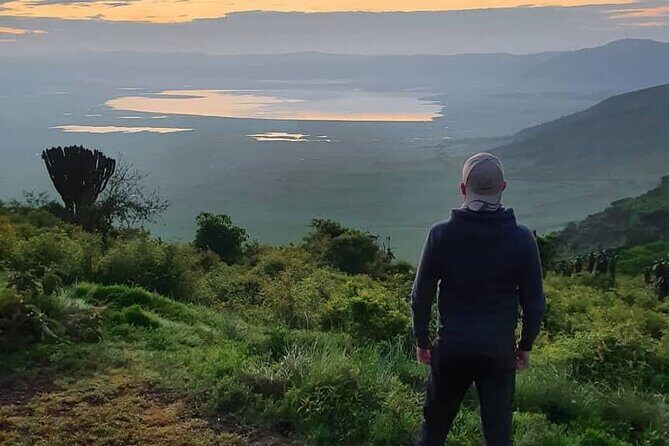
On Day 2, you shift into Ngorongoro Crater territory, which is a totally different experience than Tarangire. You start with a viewpoint visit—around 20 minutes—where the crater view is described as surreal. That checkpoint matters because it frames what you’re about to do: this is a world inside a world, with the animals living in a floor-crater environment.
From there, you have an optional cultural stop: a Maasai village visit. It’s listed as optional, around 45 minutes, and it comes with a $20 entrance fee not included in the tour price. The point here is less about a scripted show and more about understanding how Maasai culture is presented today. You’ll hear about warrior traditions and older practices like the lion-chasing story and hunting mythology, plus references to drinking raw animal blood—though the description also notes that this tradition is largely gone, with blood drinking only in limited modern contexts.
My practical advice: if you’re curious about culture, go. If you’re worried about the experience feeling staged, treat it as a quick learning stop, not the main event. Either way, you’re still doing serious wildlife time right after.
Serengeti Seronera: sunset drives and camp-area sightings
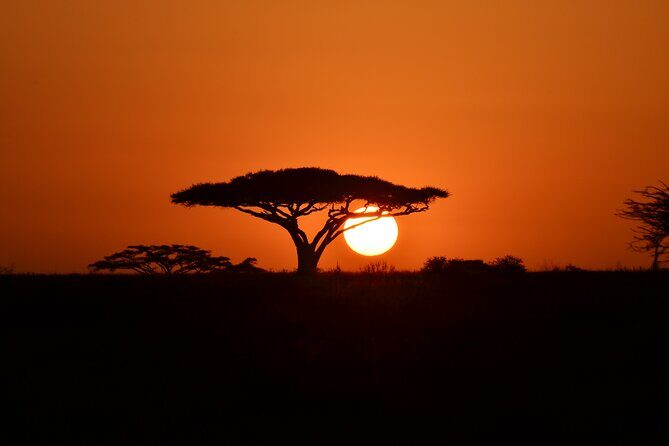
Then it’s off to Serengeti National Park, specifically the Seronera area, with a late-afternoon arrival. The timing is key. You do a game drive into the evening and get the sunset in Serengeti, with a chance of predator action, including hunts or kills, depending on what’s happening that day.
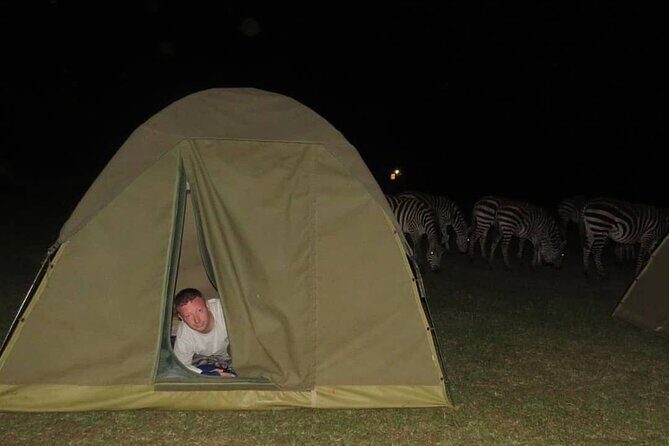
This Serengeti segment is listed as 12 hours, and it’s marked as admission-free for the park portion in the plan. You’ll head to a Seronera camp site after the late drive, where you can still see animals from camp. The description notes that hyenas are the most common camp-area sighting, and rangers provide close protection so you’re not walking around alone worrying about what might be nearby.
Why I like this approach: it reduces that awkward “what now” feeling after sunset. Some safaris drop you at camp and you wait until morning. Here, the park keeps happening around you. If you’ve ever been on a night when you couldn’t tell if the noise was harmless or not, you’ll appreciate the fact that active ranger protection is part of the plan.
A few more Moshi tours and experiences worth a look
Day 3: early Serengeti drives to maximize animal activity
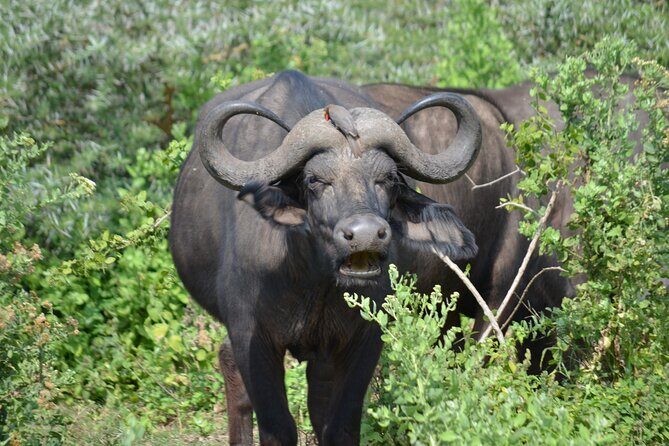
Day 3 starts early. After breakfast, you head out on a game drive designed to catch the animals when they’re most active. The schedule again is about 12 hours, and you’re doing a full day of wildlife time before heading to the next campsite area.
The plan also notes that animals can be spotted on or near campsites. That sounds simple, but it changes your whole mindset. You stop treating wildlife sightings as rare events that happen only while driving. You start watching for “quiet” moments too—tracks, movement in the distance, and animals using the same roads you’re using.
At some point, you’ll head toward the Simba campsite area as you exit. You’re not just moving along; you’re keeping the day focused on wildlife until you switch back to camp routines. That balance is part of what makes the safari feel efficient without feeling rushed.
Day 4: descending for black rhinos in the crater
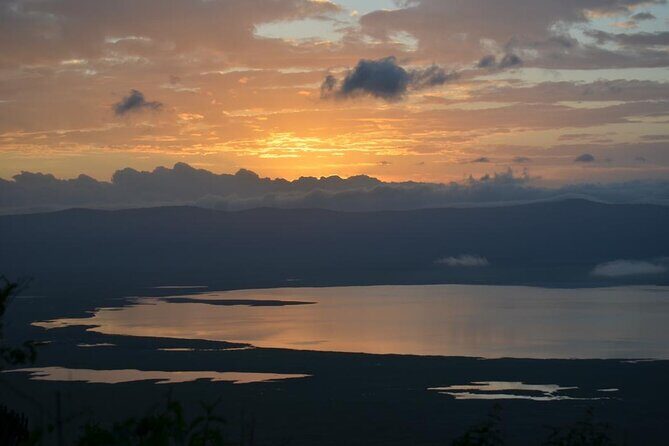
The final day centers on Ngorongoro Crater again, but this time you go lower. After an early breakfast, you descend into the crater for a journey focused on black rhinos. It’s described as difficult to spot—black rhinos are harder to see than many other animals—but that’s exactly why you do this crater day. The crater environment can increase the odds of seeing rhinos when conditions line up.
After the rhino search, you’ll have lunch and then do a game drive inside the crater, followed by ascending back toward camp. You’ll also pack for the return to Arusha town after the crater day wraps up. The day is listed as about 7 hours, with admission included.
Here’s what you should know psychologically: even with the best crater plan, rhino sightings are not guaranteed. The value is in the concentrated effort—your time is spent in the right habitat, with the right vehicle and guidance, instead of wasting hours chasing rhinos somewhere else.
Camping setup and what “rough it” really means here
The tour description calls it rough-it camping, but it’s not a “no support” situation. You’re supplied with the camping equipment, and meals are handled. That’s a big difference from true backcountry camping where you ration and cook everything yourself.
Still, you should plan for outdoors living. Mobile tents under the stars means temperature swings, and morning starts will come fast. Even if you’re excited for the adventure, bring a calm, flexible attitude. This kind of safari runs on schedules and wildlife timing, not convenience.
The good news is that the operation includes a cook (names like Action and Geoffrey come up) and clear meal structure. You get 3 breakfasts, 4 lunches, and 3 dinners, plus bottled water throughout the trip. That matters because the biggest safari pain isn’t the drive. It’s trying to stay fed and hydrated in remote areas. This plan handles that for you.
Meals, water, and the small comforts that keep you going
Safari days can chew through energy. That’s why meal coverage is a real selling point here.
You’ll have:
- Breakfast (3)
- Lunch (4)
- Dinner (3)
- Bottled water throughout the trip
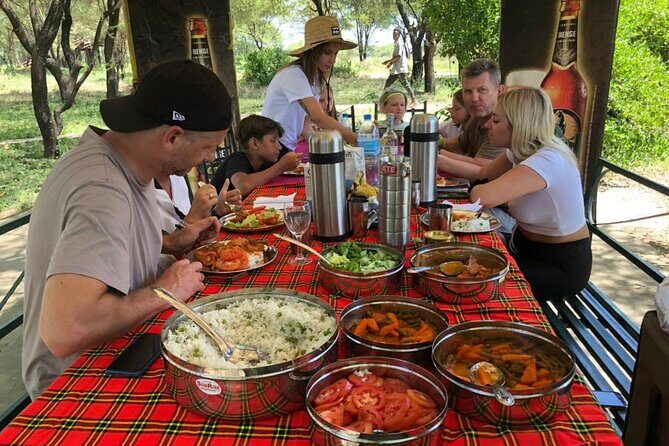
Between early drives, long drives, and sunset time, it’s easy to get hungry at the exact wrong moment. Having lunches and dinners scheduled means you’re not stuck snacking on the road or waiting until you’re desperate. And bottled water included takes one whole category of stress off your plate.
Also, the 4×4 jeep setup includes practical comfort: a cooler fridge plus charging ports. That’s not just “nice.” It helps your phone battery last for photos and maps, and it keeps you functioning instead of running on low power and low morale.
Park fees, add-ons, and what can change your total cost
One of the easiest ways to ruin safari value is surprise add-ons. This tour is fairly clear about what’s included and what isn’t.
Included park admission is stated for:
- Tarangire National Park (admission ticket included)
- Ngorongoro Crater viewpoint (admission ticket included)
- Ngorongoro Crater day (admission included on the final day)
For Serengeti, the plan indicates the admission portion is free for the park segments listed in the schedule. That said, always confirm what your exact booking covers for your exact dates.
The clear extra cost inside the plan:
- Maasai village entrance: $20 USD (not included)
And there’s one other cost you should assume even if you don’t love thinking about it: tipping is not included. That’s common in safari operations, but it’s still your responsibility.
Group size, private booking feel, and who this suits best
The operator describes the activity as private, meaning only your group participates. At the same time, some safari groups can still feel social in practice, because people chat while waiting out sightings and share the same vehicle time. Either way, you’re not being shuffled around mid-trip.
Reviews also reference groups of five and six on certain departures, which gives you a sense of the typical on-the-ground group feel. You’ll want a setting where you can trust the guide to manage everyone’s position and keep the group moving for sightings.
Who I think this suits best:
- People who like the idea of adventure camping and early mornings
- First-time safari folks who want a strong “Northern Circuit” hit without planning the logistics
- Wildlife lovers who care about timing: dawn, midday, and sunset drives
If you’re traveling with kids, it’s not automatically off-limits. One past family included two children aged 12 and 14, and they were able to take part in the same 4-day camping structure. That said, camping and long drives are not for every kid. Choose based on your group’s stamina.
Should you book this 4-day camping safari from Moshi?
Book it if you want a safari that leans into the real experience: mobile tents, park time that starts early, and sunrise/sunset drives that put you where wildlife activity tends to show up. The $1,650 price starts making sense when you look at what’s included: camping setup, guide service, a 4×4 with pop-up roof, bottled water, and full meal coverage.
Skip it or reconsider if your top priority is comfort. Camping means basic living. Early starts and long game drives mean you’re signing up for a schedule. If that sounds fun, you’ll likely love it. If it sounds exhausting, you might prefer a more lodge-based safari.
My final practical check before you commit: ask your operator exactly who your guide and cook are for your departure, and confirm what your booking includes for any optional stops like the Maasai village fee. Then pack with camping and dawn drives in mind, and get ready for the best kind of vacation problem: trying to choose which sighting was better than the last.
FAQ
Where does the safari take place?
The safari is based in Moshi, Tanzania, and it visits Tarangire National Park, Ngorongoro Crater, and Serengeti National Park.
Is pickup offered?
Yes. Pickup is offered, and transfers are supported.
How long is the safari?
It runs for 4 days (approx.).
What camping setup is included?
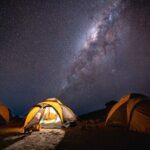
You get camping equipment included, and you’ll stay in mobile tents under the stars.
What meals and drinks are included?
The tour includes 3 dinners, 4 lunches, and 3 breakfasts, plus bottled water throughout the trip.
Which parts include park admissions, and what’s extra?
Park admission tickets are included for Tarangire and key parts of Ngorongoro (including the crater viewpoint and crater day). Serengeti is marked as free in the schedule, while the Maasai village entrance fee is $20 USD and is not included.
Are game drives included at sunrise and sunset?
Yes. Sunrise and sunset game drives are part of the experience and add to the viewing conditions.
What vehicle will you use?
You’ll travel in a 4×4 safari jeep with a pop-up roof, plus a cooler fridge and charging ports.
Is there free cancellation?
Yes. Free cancellation is offered if you cancel at least 24 hours in advance for a full refund.