REVIEW · MOSHI
4-day Tanzania Safari
Book on Viator →Operated by Altezza Travel · Bookable on Viator
Four days of safari, three icons, big-animal odds. I like how this itinerary hits Tarangire, Ngorongoro Crater, and Serengeti in a tight schedule, with an English-speaking safari guide and good lodge comfort in the middle of the action. If you’re short on time but still want that classic Northern Tanzania feeling, this is a smart way to do it.
The main trade-off is how efficient it is: expect long driving days and early starts so you can fit in the best game-viewing windows.
In This Review
- Key things that make this safari work
- Why this itinerary is a smart match for short trips
- The value behind the price tag (and what can surprise you)
- Day-by-day: what you’ll actually do
- Day 1: JRO arrival and your Arusha base at Mount Meru Hotel
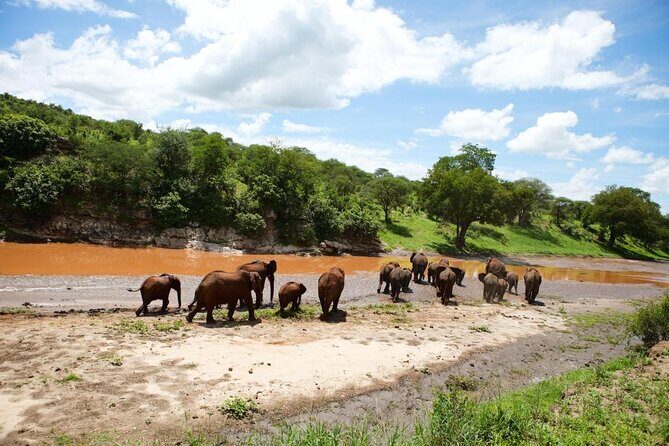
- Day 2: Tarangire National Park and the elephant concentration trick
- Day 3: Ngorongoro Crater day, with the Lake Magadi pause
- Day 4: Serengeti at Seronera, visitor centre option, and sunset light
- Day 5: Another Serengeti day to change the “picture”
- Day 6: Return to JRO via Mount Meru Hotel
- What the vehicle and lodge comfort change for you
- What’s especially praised by people who took this trip
- Who should book this safari
- Should you book it?
- FAQ
- What parks are included on this Tanzania safari?
- How do airport transfers work?
- What meals are included?
- Is Wi-Fi included?
- Are park entrance fees included?
- What’s the cancellation policy for a full refund?
Key things that make this safari work
- Big-park hit list in 4 safari days with Tarangire, Ngorongoro, and Serengeti on repeat-quality routes
- New Land Cruiser 4×4 with pop-up roof makes spotting easier and keeps rides practical
- Picnic break at Lake Magadi during Ngorongoro day to reset before the next round of crater viewing
- Seronera-based Serengeti time with an option for the visitor centre and hyrax spotting
- Free Wi-Fi, but not everywhere (signal only in about 60–75% of areas)
- Safety and medical extras included, including an AMREF air ambulance service and a medical kit
Why this itinerary is a smart match for short trips
This is a safari built for people who want the headline parks without turning your calendar into a full-time project. Your “4-day safari” feeling comes from moving through three different ecosystems: Tarangire’s elephant country, Ngorongoro’s crater density, and Serengeti’s long-horizon plains. It’s not just variety for variety’s sake. Different parks reward different skills—elephant herds come from timing and season, while crater viewing is about compact animal concentration.
You also get a real guide component. A certified, experienced English-speaking safari guide is included, and that matters more than most people expect. Wildlife is often there but hard to find. A good guide turns a slow scan into targeted searching, based on the animals and the terrain that day.
And you’ll sleep well enough to enjoy the next morning. The trip calls for comfortable 3–4 lodges in Serengeti National Park, plus an Arusha base before and after. For many people, that balance—then-and-now comfort—adds up to a better safari mood.
A few more Moshi tours and experiences worth a look

The value behind the price tag (and what can surprise you)
The listed price is $3,296.40 per person for roughly 6 days total. On paper, that’s serious money. In practice, it’s easier to judge because the trip includes a lot of the costs that usually stack up in Tanzania.
What’s included that helps justify the total:
- Airport pickup and drop-off at Kilimanjaro International Airport (JRO)
- Park fees for the entire tour, including park entry and concession fees
- Your safari vehicle: a new Land Cruiser 4×4 (2016–2022) with a pop-up roof, ergonomic seats, a refrigerator, and power sockets
- Meals during the safari stretch: breakfast (5), lunch (4), and dinner (5)
- On-jeep comforts: bottled water, soft drinks, and hot coffee/tea while you’re out in the vehicle
- Binoculars (1 per car)
- Medical and safety support, including a medical kit and AMREF Flying Doctors air ambulance service
- Wi-Fi (free, but signal only in about 60–75% of traveled territories)
What is not included, and you should plan for:
- Air tickets (your flights to Tanzania)
- Travel insurance
- Visa fee
- Tips to your safari guide
- Alcohol at lodges and while on safari
- Some lodge beverage details may vary (the trip notes tea/coffee/soft drinks at some lodges may not be included)
So the “value” question becomes: does the package reduce decision-fatigue and cost surprises? For many first-time safari planners, the answer is yes—especially because park fees and a properly equipped safari vehicle are already baked in.
Day-by-day: what you’ll actually do
Day 1: JRO arrival and your Arusha base at Mount Meru Hotel
You’ll fly into Kilimanjaro International Airport (JRO), then meet a representative and transfer to a hotel in Arusha—Mount Meru Hotel is the named stop. The point of this day is to get you rested and close to the safari start.
Two practical notes that help you avoid stress:
- Check-in starts at 2:00 PM. Earlier check-in is possible but costs extra and needs prior notice.
- The hotel cost here includes breakfast. If you arrive early, you may be paying for any extra meals yourself.
This base night also matters because it sets your pace for the next morning. Safari days start early, and having a real bed in Arusha makes those starts easier.
Day 2: Tarangire National Park and the elephant concentration trick
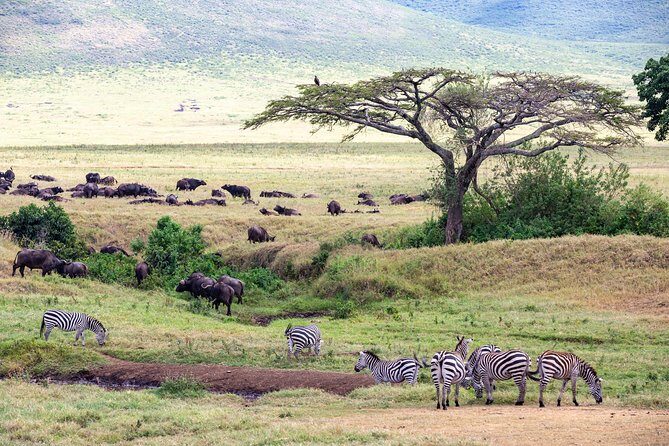
Tarangire day starts after breakfast, around 7:30 AM, with pickup from your hotel and arrival at the park by about 10:00 AM. Then you’re in Tarangire for roughly 7 hours of game viewing.
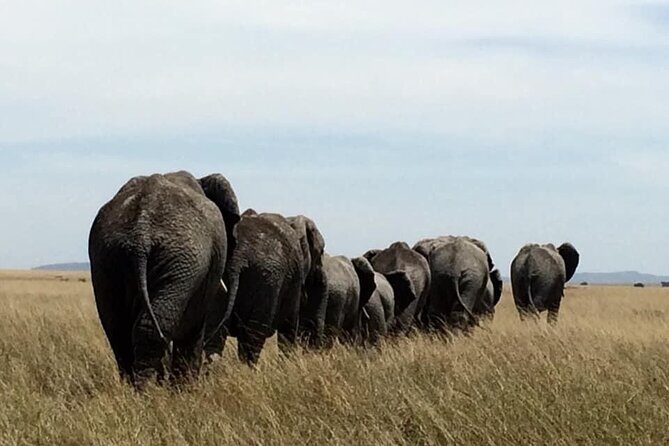
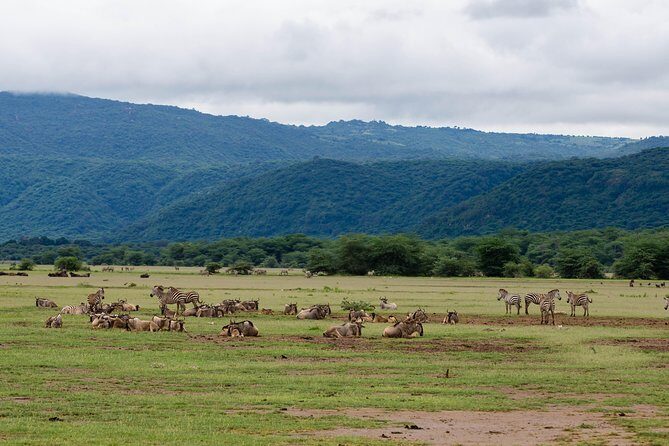
Here’s what makes Tarangire worth your time: in the dry season, the Tarangire River becomes a major water source for animals over long distances. That pulls in large herds of elephants. The trip specifically notes Tarangire as a top place in Northern Tanzania for elephants during much of the year—especially June–October and December–March.
A key comfort point: the itinerary states elephants are not intimidated by visitors and often come close to cars, and that this is considered safe in the park context. Still, do your part—stay calm, follow your guide’s distance and instructions, and enjoy the moment without trying to “make it happen.”
What I like about this day:
- It’s a strong “first safari” day. Animals feel close, and the rhythm of the day comes into focus fast.
- It sets expectations for what kind of encounters you’ll get later—more than one park, more than one animal style.
Potential drawback:
- Tarangire is all about season and water. If you’re traveling in a different time window than the dry-season pattern described, the elephant “pull” might feel less dramatic than you hoped. Your guide can still find plenty, but the timing affects intensity.
A few more Moshi tours and experiences worth a look
Day 3: Ngorongoro Crater day, with the Lake Magadi pause
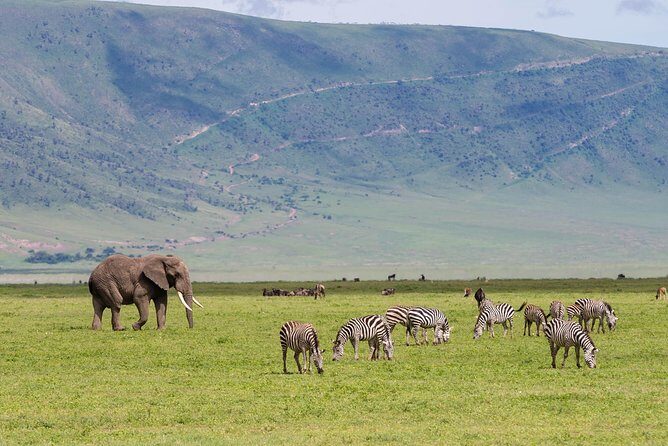
This is the day people call legendary, and it earns the hype because of how concentrated it feels. You drive down into the Ngorongoro Conservation Area, with the crater descent taking about 30 minutes. Along the way, you pass lush forests and scenery before you hit the crater floor.
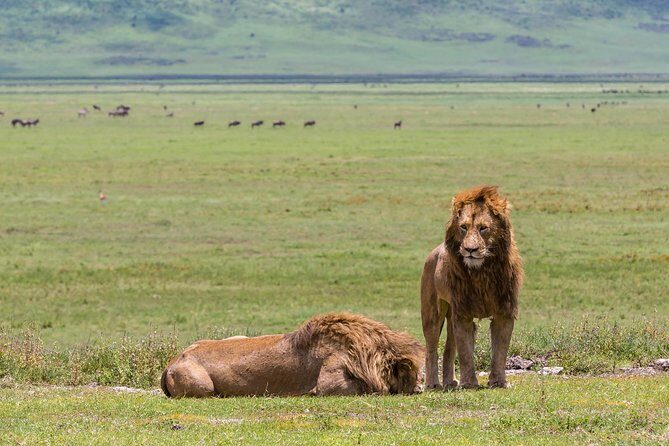
The crater itself is smaller than you might picture, but the trip emphasizes the reason people rave about it: a very high variety of animals per square meter. In plain terms, you’re more likely to see many different species close together in a shorter period.
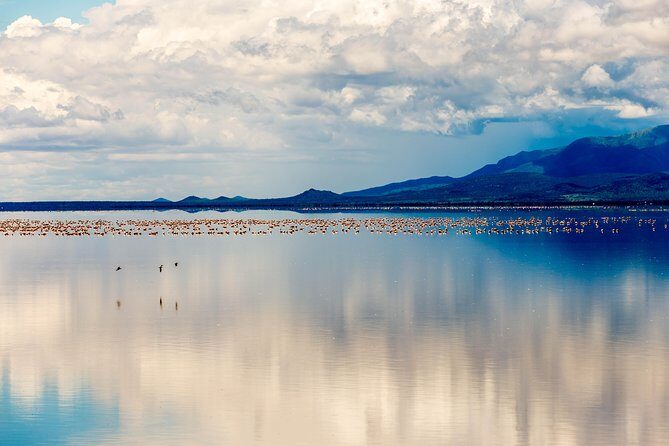
Once you reach the crater, you start with a morning game drive, then later stop at the picnic area next to Lake Magadi for snack and rest. That break matters. Ngorongoro viewing can be intense, and you don’t want to be “behind” yourself by lunchtime.
What makes this day memorable in real-life terms:
- It’s one of the easiest days to get that wow-feeling fast because animals can be clustered.
- The drive-in and drive-out is part of the experience. You see changes in vegetation and mood, not just a flat parking-lot game drive.
One consideration:
- Your time is tight. You’re descending, driving, and watching all day, so if you hate long sit time, this is where you’ll feel it most.
Day 4: Serengeti at Seronera, visitor centre option, and sunset light
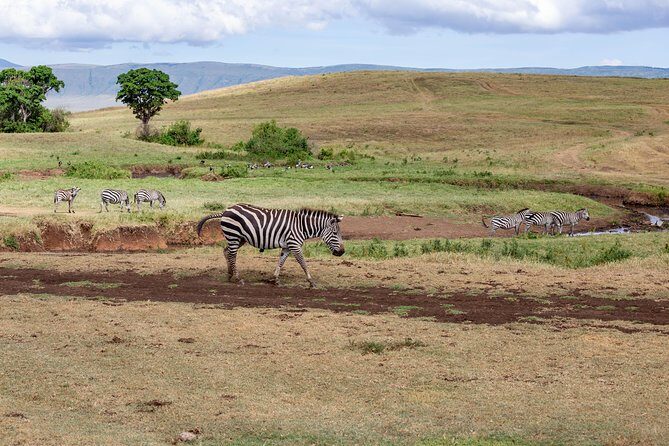
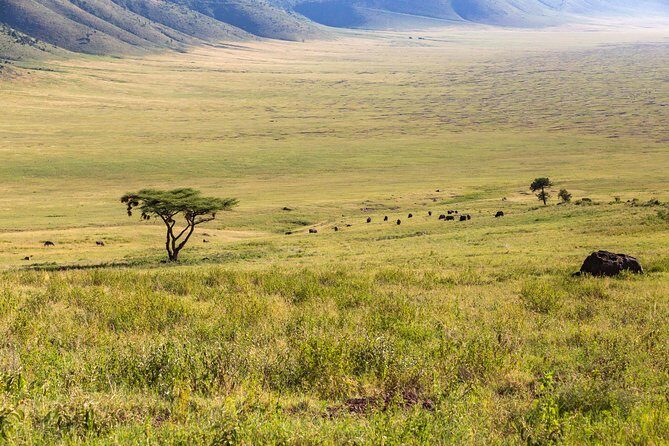
After breakfast, you transfer to the central part of Serengeti, known as Seronera. Then the driver aims to find animals based on what you’re most interested in. This day is about getting your first real “Serengeti baseline”—the wide plains feeling that you just can’t get from a shorter stop.
Closer to lunchtime, you can choose between two approaches:
- Visit the Serengeti Visitor Centre for information and a lunchbox
- Or go back to your camp for lunch and a nap, then restart before sunset for that golden-hour style viewing
You’ll also have a chance to spot hyraxes, which the trip notes as the elephant’s closest relatives. That’s the kind of small detail you can miss without a guide. When you notice them, it’s a fun “I learned something” win that doesn’t require homework.
What I think you’ll enjoy most here is the mood shift:
- Tarangire can feel dramatic with water and elephants.
- Ngorongoro can feel dense and intense.
- Serengeti feels open, with animals spread out across distance, where patience pays.
Practical tip: if you’re the type who gets tired sitting in the jeep, take the camp option for lunch when offered. It can keep your energy up for the sunset game drive, and the golden light is one of the best rewards of Serengeti timing.
Day 5: Another Serengeti day to change the “picture”
This is your second Serengeti day, and it matters more than many people assume. Serengeti is huge. The itinerary’s message is clear: you can’t see it all in one day, so your guide will show new places and animals to give you a fuller perspective.
You’ll also learn the bigger context while you’re there. Serengeti is a UNESCO World Heritage Site, and the itinerary points to the ecosystem importance and the annual Great Migration. It also notes Serengeti as inspiration for Disney’s Lion King, though the real-life version is far less cartoon and far more wild.
This day ends with a transfer back to Arusha for dinner—your time on the plains winds down, and you can process what you saw before heading home.
A note on “Big Five” expectations:
The trip positions these parks as increasing your chances of spotting the Big Five. That’s realistic, but don’t treat it like a guarantee. Even in successful safaris, people can miss one animal depending on location and timing. The value here isn’t just a checklist—it’s the overall abundance of life and the quality of guiding.
Day 6: Return to JRO via Mount Meru Hotel
On your final day, you relax at the Mount Meru Hotel, then transfer to the airport. Checkout is at 10:00 AM.
If you have an evening flight, the trip notes you can extend your hotel stay for an extra fee. That’s worth considering. Ending a safari with luggage and stress at the wrong time can ruin the wrap-up feeling.
What the vehicle and lodge comfort change for you
Safari success isn’t only about animals. It’s about comfort and efficiency while you’re out there.
The Land Cruiser included here is described as new (2016–2022) with a pop-up roof, ergonomic seats, a refrigerator, and power sockets. That combo helps you stay present:
- Pop-up roof gives better sightlines without twisting constantly
- Ergonomic seating reduces the “pain tax” on long drives
- Water, soft drinks, and hot drinks while in the jeep reduce the temptation to ration your energy
Then there’s the lodge comfort. The trip calls for 3–4 lodges in Serengeti National Park. That’s not luxury-movie glamour, but it’s enough comfort to help you sleep, eat well, and reset between drives.
And yes, Wi-Fi can be useful for simple things, but the trip sets expectations: free Wi-Fi is available in only 60–75% of territories. In other words, don’t plan your day around uploading photos. Plan your day around scanning for movement.
What’s especially praised by people who took this trip
The overall feedback is very positive, with 100% recommendation and a 5-star rating across 53 reviews. The most common praise points map closely to what matters on safari: logistics, guiding, and smooth transitions.
Here are the highlights I’d put weight on:
- Guides who spot wildlife fast and explain what you’re seeing. Names that come up include Fidelis, Allan, Cathbert, Noel, Harris, Aaron, Sophia, and others.
- Good logistics when timing changes. One theme in feedback is that the company handled accommodation adjustments and kept communication strong.
- A strong transition for people coming off Kilimanjaro. Several reviews mention a smooth move from a Kilimanjaro climb into safari, which is a real-life stress test—different gear, different pace, different emotions.
What that means for you: if you care about not wasting time trying to fix problems, this itinerary seems designed to keep the machine running. When a safari goes well, you feel it in the quiet moments too—when you’re not wondering where to be next.
Who should book this safari
This trip fits you best if:
- You want Northern Tanzania’s top parks without spending weeks on the road
- You’re okay with an efficient schedule and long driving days
- You want an English-speaking guide who helps you interpret what you’re seeing
- You care about having comfort between game drives (rather than roughing it)
It may not fit you as well if:
- You hate early starts and want a slower pace
- You expect flawless wildlife viewing every day
- You’re chasing one specific animal and need a guaranteed sighting
Safaris are wild. This one is structured to boost your odds, not to promise a perfect photo. That’s the honest way to look at it—and the best way to enjoy it.
Should you book it?
If your goal is a classic Northern Tanzania hit—Tarangire for elephants, Ngorongoro for crater density, and Serengeti for that big-plains feeling—this itinerary makes a lot of sense. The included value is strong: park fees, meals, a solid safari vehicle, binoculars, and safety support are all part of the package, so you’re not piecing together the trip like a part-time accountant.
My final advice is simple: book if you want a well-run, high-efficiency safari with guide-led animal spotting and decent lodge comfort. Don’t book if you need a laid-back schedule or you want to optimize for a single guaranteed Big Five sighting. For most people, though, this strikes a good balance—enough structure to reduce stress, enough variety to keep every day interesting.
FAQ
What parks are included on this Tanzania safari?
You’ll visit Tarangire National Park, the Ngorongoro Conservation Area (for Ngorongoro Crater), and Serengeti National Park.
How do airport transfers work?
You’re picked up at Kilimanjaro International Airport (JRO) and transferred to your Arusha hotel before the safari. After the tour, you get drop-off back at JRO.
What meals are included?
The trip includes breakfast (5), lunch (4), and dinner (5) as listed in the program.
Is Wi-Fi included?
Yes. Free Wi-Fi is included, but the signal is available in only about 60–75% of the traveled territories.
Are park entrance fees included?
Yes. National park fees are included for the entire tour, including park entry fees and concession fees.
What’s the cancellation policy for a full refund?
You can cancel up to 6 days in advance for a full refund. For a full refund, you must cancel at least 6 full days before the experience’s start time.