REVIEW · MOSHI
Safari in Tanzania 5 days: Manyara, Ngorongoro, Serengeti
Book on Viator →Operated by Safari Crew Tanzania · Bookable on Viator
Safari days can feel like a blur. This one has a clean, classic route through Tanzania’s best wildlife settings. From Lake Manyara’s bird-and-forest mix to the Ngorongoro Crater’s dense wildlife and then two full days on the Serengeti, the flow makes sense and keeps you out of “drive all day” mode.
What I like most is that you get real safari time in each place, not just quick stops. I also like that it’s set up for comfort and focus: full board meals, park fees handled, and water on board so you can spend your energy looking, not budgeting. One thing to consider up front: you’ll be in a 4×4 for long stretches on safari days, so if you’re sensitive to bumpy roads or motion, plan for a slower pace in the evenings.
In This Review
- Key points that matter on this Manyara–Ngorongoro–Serengeti safari
- Getting started from Moshi and Arusha: why this route feels efficient
- Lake Manyara’s mix of habitats and birds: where the photos get messy (in a good way)
- Ngorongoro Crater: the day that compresses the food chain
- Serengeti on two different days: more chances, less pressure
- The last day’s Arusha transfer: Rift wall views and a reality check
- Price and what $3,050 actually buys you
- Guides and the small details that change your day
- Who this safari suits best (and who might want a different plan)
- FAQ
- FAQ
- What parks are included in this 5-day Tanzania safari?
- Is this tour private or shared?
- What’s included in the price?
- What’s not included?
- What meals are included?
- How soon do I get confirmation after booking?
- Can I get a full refund if plans change?
- Should you book this 5-day Manyara–Ngorongoro–Serengeti safari?
Key points that matter on this Manyara–Ngorongoro–Serengeti safari
- Two Serengeti days means you’re not betting everything on one sighting window.
- Ngorongoro is a different world: a crater caldera where land predators and herbivores share a much tighter stage.
- Lake Manyara’s variety is the point—forest, savannah, marsh, and birds in a small area.
- Private transport keeps your schedule smoother, especially when roads and animal sightings slow things down.
- Italian-speaking guide options show up in past experiences, which can make wildlife explanations click faster.
- AMREF insurance + water on board are small details that add up when you’re far from services.
Getting started from Moshi and Arusha: why this route feels efficient
This safari is based in the Moshi area, with the first big day starting from Arusha. Expect a typical “early start” rhythm: the best wildlife viewing usually belongs to the morning hours, and this plan is built around that reality.
The smart part is the park sequence. You don’t jump randomly. You move from Lake Manyara to Ngorongoro (both are very different, both have strong animal viewing), then you land on Serengeti for two days. That kind of pacing matters because Tanzania isn’t just about seeing animals. It’s also about being in the right place at the right time of day, with enough hours to adjust when the day’s sightings change.
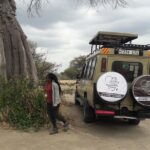
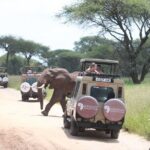
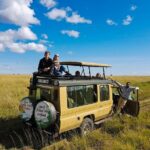
You’ll travel in a 4×4 safari circuit vehicle, and the trip is set up as private transportation, meaning only your group participates. That’s not just a comfort perk. It usually means fewer handoffs, fewer “wait for others” delays, and more time actually on the ground scanning for movement.
A few more Moshi tours and experiences worth a look
Lake Manyara’s mix of habitats and birds: where the photos get messy (in a good way)
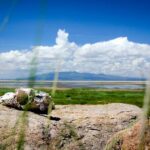
Lake Manyara National Park is small on paper, but it behaves like it’s much bigger. Under the Rift Valley escarpment, the park includes dense forest zones, open savannah, marshy lake areas, and bird-heavy shorelines. That variety is what makes this stop feel active even when the big cats are quiet.
What to look for here:
- Monkeys and baboons are a common feature around the park areas, so keep an eye on tree lines and rocky edges.
- Elephants and giraffes show up in the broader habitat zones, especially when you’re moving between vegetation types.
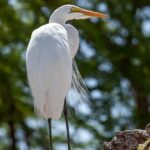
- Birdlife is a headline. The park is known for huge bird numbers, including the dramatic winter-to-summer patterns when pink flamingos may be present (seasonal timing matters).
Timing-wise, this day is designed as a morning departure from Arusha, with a photosafari session tied to admission. In practice, that means you’re not wasting the first day on logistics. You’re rolling into habitat fast, which helps you settle your eyes.
One practical note: Manyara can create a “camera overload” problem. There’s so much happening—birds, primates, small details in the vegetation—that you’ll want to pace yourself. If you only chase the biggest animals, you might miss some of the best moments.
Ngorongoro Crater: the day that compresses the food chain
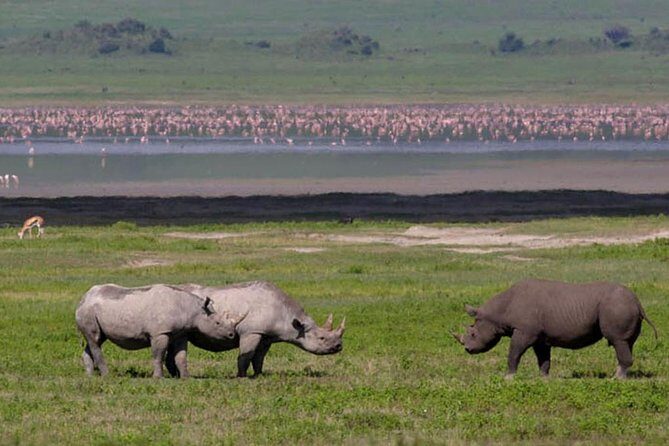
Ngorongoro Crater is a unique kind of safari stage. This isn’t just a scenic bowl. It’s the caldera left from an ancient volcanic cone collapse, with high edges and a large internal basin where a big ecosystem supports wildlife year-round.
Here’s what makes it special for your day:
- Wildlife density. The crater supports over 25,000 large animals, which changes the safari math. You’re not always searching as hard, because there’s simply more life concentrated in one area.
- Predators and prey in close proximity. In a setting like this, predators don’t need as long a chase to find a meal.
- Altitude and ecology quirks. You’re at about 2,300 meters at the crater’s rim. Dress for temperature swings. Also, the crater ecosystem supports most typical species of the region, but giraffes don’t find nourishment here—so don’t be surprised if giraffe sightings are limited compared to other parks.
The photosafari format is important. Ngorongoro rewards patience: you’ll likely move between vantage points, watch herds settle, and wait for behavior changes. That’s when you get the good shots—animals pausing, interacting, and using the terrain instead of just “walking through.”
A possible drawback here is also the crater’s strength: it can feel like everything is happening at once. Your plan should be to watch first, then photograph. In places like Ngorongoro, you’ll get better results by letting your eyes lead.
Serengeti on two different days: more chances, less pressure
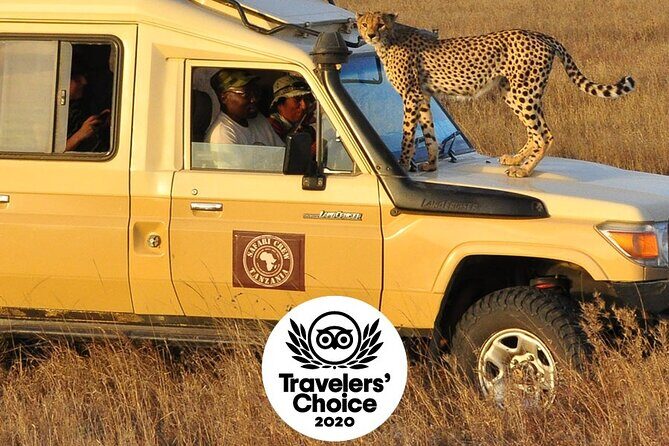
The Serengeti is the big name for a reason. This route gives you two Serengeti-focused days, and that’s one of the best value decisions you can make. When you only have one day, the schedule depends heavily on luck and timing. Two days let you “reset” your search—different herds move, predators hunt differently, and light changes.
In this specific plan, day three is dedicated to Serengeti time. You’ll be dealing with one of the densest wildlife systems on earth, including:
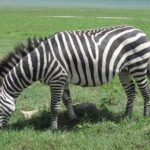
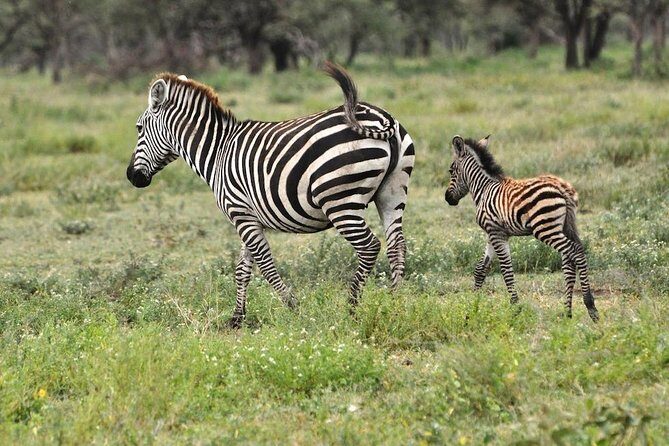
- Wildebeest, zebras, and gazelles as the core herds
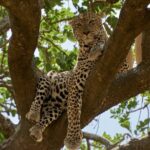
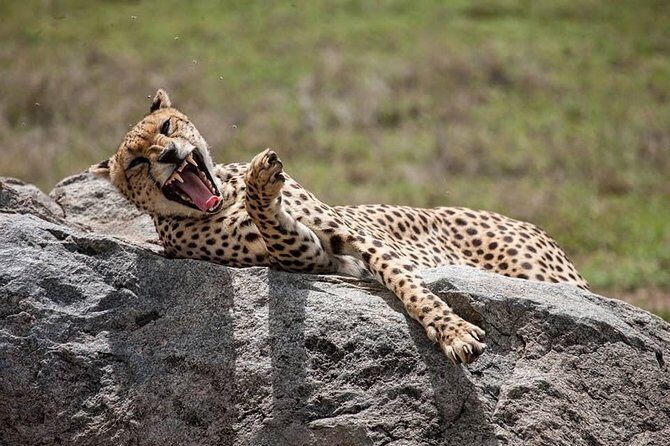
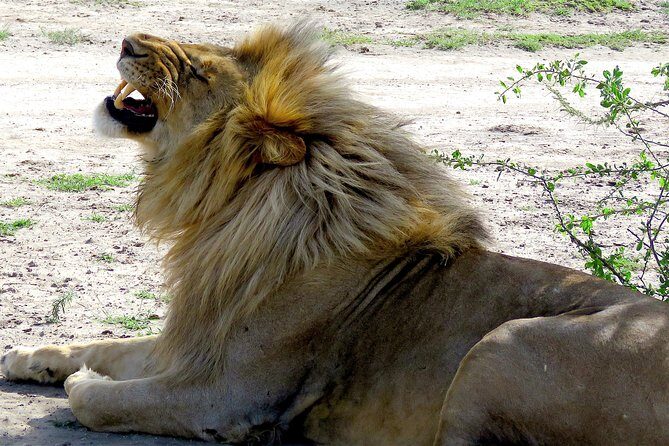
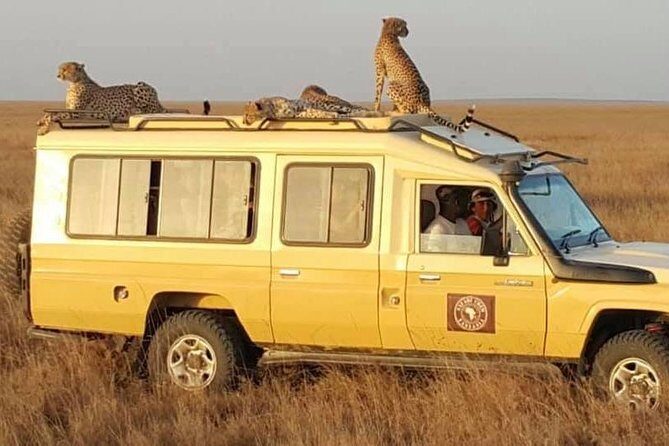
- Big cats like lions, leopards, and cheetahs
- Elephants and other grazers in the mix
- Crocodiles and hippos in water areas
- A large bird list that makes dawn and late-day especially interesting
Day four continues with a Serengeti photosafari, then transitions toward Karatu in the evening. That matters because the Serengeti is so large that a single “morning to evening” day can still feel like you’re only scratching the surface. Here, you get two structured viewing blocks, plus the chance to end day four by repositioning for the calmer last travel day.
If you care about predators, focus on behavior rather than just sightings. In open plains, animals can look small and far away, but predator activity often becomes obvious once you notice the herd reactions: bunching, sudden direction changes, and repeated pauses in the same area.
The last day’s Arusha transfer: Rift wall views and a reality check
On day five, you head from Karatu back to Arusha by a scenic road that winds along the Rift wall, with lunch in the city and then transfer to Kilimanjaro/Arusha airport.
This day is intentionally lighter than the earlier wildlife-heavy days. After several long safari hours, that’s a smart way to end. You also get a visual change of pace. You’re not looking for animals at every turn. You’re taking in the Rift Valley setting as you reposition for departure.
A small piece of practical advice: even on a travel day, keep your camera stuff protected. You might get brief scenic moments where the light is perfect and you’ll want to be ready.
A few more Moshi tours and experiences worth a look

Price and what $3,050 actually buys you
At $3,050 per person, this safari isn’t cheap. So the real question isn’t the sticker price. It’s what’s covered and how that changes your stress level.
Based on the details provided, your cost includes:
- Safari circuit in 4×4
- Full board (breakfast, lunch, dinners listed across days)
- Transfers
- Park fees
- AMREF insurance
- Water on board
- All fees and taxes
- Private transportation
Not included:
- International and local flights
- Entry visa
- Drinks at lodges or during meals
- Lodge extras/personal items
- Tips (listed as mance)
That mix is usually what you want on safari. Park fees and vehicle time are the big, non-negotiable costs. When those are handled for you, you’re not hunting for last-minute payments while you’re trying to enjoy the day.
To compare value fairly, ask yourself this: would you rather pay more and remove friction, or pay less and manage the uncertainty? This package leans toward the first option. It’s for travelers who want their money to buy time, logistics, and a smooth experience rather than extra planning.
Guides and the small details that change your day
This kind of safari lives and dies on your guide. In the experiences connected to Safari Crew Tanzania, multiple named guides show up with strong mentions of preparation and wildlife knowledge. Names you’ll see associated with excellent guiding include Jerimiah, Hassan, Naftal, and Emmanuel, and Italian language support is a recurring theme.
Why that matters to you:
- When a guide knows where animals tend to move and how to read behavior, you spend less time guessing.
- When they explain what you’re seeing in your language (Italian support comes up often), you understand the “why,” not just the “what.”
Also, the operation seems built around handholding: organization is mentioned repeatedly, including a contact who follows you from start to finish. You don’t need to be a safari expert to get a good result.
The one thing I’d watch for is general safaris reality: wildlife isn’t a vending machine. Even with a great guide, animals can choose to be distant or quiet. The best measure of a good safari isn’t the promise of a list. It’s how well your day adapts to what shows up.
Who this safari suits best (and who might want a different plan)
This route is a strong fit if you:
- Want a classic Tanzania combo: Manyara + Ngorongoro + Serengeti
- Prefer private scheduling rather than shared-group logistics
- Care about wildlife viewing across multiple settings, not one park only
- Like photosafari pacing—time for looking, moving, and re-framing
It might be less ideal if you:
- Hate long car days. The safari blocks run roughly 6–8 hours most days, and Tanzania roads can be slow.
- Are strictly budget-first. With drinks, visa, and flights excluded, you’ll still need a realistic add-on budget.
FAQ
FAQ
What parks are included in this 5-day Tanzania safari?
The safari covers Lake Manyara, Ngorongoro Crater, and the Serengeti National Park across the five days.
Is this tour private or shared?
It’s listed as a private tour/activity, and only your group will participate.
What’s included in the price?
Included items are 4×4 safari circuit, full board, transfers, park fees, AMREF insurance, water on board, private transportation, and all fees and taxes. Admission tickets are included for the park days listed.
What’s not included?
Not included are international and local flights, entry visa, drinks (at lodges), personal extras, and tips (listed as mance).
What meals are included?
Breakfast, lunch, and dinner are included on the listed days (breakfast: 4 times; lunch: 5 times; dinner: 4 times).
How soon do I get confirmation after booking?
Confirmation is stated to be received within 48 hours of booking, subject to availability.
Can I get a full refund if plans change?
You can cancel up to 6 days in advance for a full refund. If you cancel between 2–6 days before, the refund is 50%. Less than 2 days before start time isn’t refundable.
Should you book this 5-day Manyara–Ngorongoro–Serengeti safari?
If your goal is a classic Tanzania wildlife route with solid time in each place, I’d say yes—especially because you get two Serengeti days and a smooth, private setup with park fees handled. It’s the kind of trip where the money usually goes where it matters: vehicle time, access, meals, and the chance to stay flexible while wildlife behaves like wildlife.
Book this one if you want:
- A no-surprises package (fees and logistics mostly covered)
- Serengeti time that isn’t rushed
- Guides who can explain what you’re seeing, often with Italian language support
Think twice if you’re extremely price-sensitive or you’re prone to motion discomfort, because safari days are long and you’ll be on the road more than you might expect.