REVIEW · DAR ES SALAAM
Explore Dar es Salaam: Full-Day Private City Tour
Book on Viator →Operated by Envoyage Tanzania · Bookable on Viator
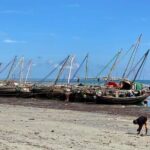
A morning at the docks sets the tone. This full-day Dar es Salaam tour strings together everyday life and big landmarks, from Kivukoni Fish Market to German-built churches and the coast at Coco Beach. I like that the day has clear structure—major stops, meaningful photo breaks, and included admissions at several key sites—so you come away with real bearings fast. I also like the human touch: your guide is a local pro, and names you might meet on these departures include Maselino, Erick, Thomas, and Marselino.
One thing to think about: it’s a long, active day (about 6 to 8 hours, traffic-dependent) with multiple stops back-to-back. If you don’t love crowds—especially around the market scenes—or if heat and walking wear you out, plan your pace and wear comfortable shoes. It also isn’t advised for women in advanced stages of pregnancy.
Key highlights at a glance
- Kivukoni Fish Market gets you close to the seafood trade and fishermen at work, with an admission ticket included
- Gothic church architecture: Azania Front Lutheran Cathedral and St. Joseph’s Cathedral, both built by German missionaries in the late 1800s
- National Museum of Tanzania brings in human evolution and rock art alongside art and history (admission included)
- World War I memory stops: War Cemetery screen walls and memorials, plus the Uhuru Torch at Mnazi Mmoja
- Markets for real variety: Kariakoo for everyday commerce and Mwenge for woodcarving and Tinga Tinga art
- Finish by the Indian Ocean at Coco Beach, with time to relax and grab food on your own
In This Review
- What $165 Buys in Dar es Salaam
- 9:00 am Pickup and a Plan That Actually Works
- Kivukoni Fish Market: Where the Morning Smells Like Work
- Azania Front Lutheran Cathedral: Gothic Lines and Harbor Views
- DARCH and the Old Boma: Dar’s Oldest Building by City Hall
- St. Joseph’s Cathedral: A Quick Photo Break Before the Ferry Plans
- Askari Monument at the Roundabout: WWI Memory in Bronze
- National Museum of Tanzania: Fossils, Rock Art, and Human Evolution
- Kariakoo Market and Coffee: Everyday Trade with Real Variety
- Mnazi Mmoja and the Uhuru Torch: Independence in One Landmark
- Dar Es Salaam War Cemetery: A Quiet Stop That Hits Hard
- Tanzanite Bridge: Ocean Views and a Modern Photo Angle
- Mwenge Woodcarvers Market: Makonde Carvings and Tinga Tinga Color
- University of Dar es Salaam: A Photo Option for History and Alma Mater Pride
- Village Museum: Tribal Homes, Artifacts, and a Cultural Map of Tanzania
- Coco Beach: Finish With Salt Air and Your Own Seafood Plan
- Who This Tour Is Best For
- Should You Book This Dar es Salaam Full-Day Private Tour?
- FAQ
- What time does the tour start?
- How long will the full-day tour take?
- Is pickup included?
- Is lunch included in the price?
- Are admission tickets included for the stops?
- Is this a private tour?
What $165 Buys in Dar es Salaam
At $165 per person, this isn’t a cheap “hop-on-hop-off” style outing. You’re paying for a private full-day format, air-conditioned transport, and a route that includes multiple paid sights plus lunch.
Here’s where the value adds up for your day:
- Pickup is offered and you get door-to-door private transportation in an air-conditioned vehicle.
- Lunch is included, plus unlimited bottled water during the tour.
- Several stops include admission tickets (so you’re not constantly scanning prices and queueing on your own).
- You also get parking fees and GST covered, and the day runs on a realistic timeline (start at 9:00 am).
A nice extra: alcoholic beverages are complimentary for those who want them. That can make the long day feel smoother, especially after walking markets and museums.
9:00 am Pickup and a Plan That Actually Works
The tour starts at 9:00 am and you’re picked up from your hotel. The total time is listed as 6 to 8 hours, and it can stretch based on traffic, which is normal in a city—so build in patience.
The route is built for a full picture of Dar es Salaam:
- Morning markets and historic churches near the harbor
- Museum and central-city institutions
- Busy trading areas and independence-era landmarks
- A late-day coastal finish at Coco Beach
If you’re trying to fit this city into a short stay (or you’re also considering the ferry from Dar to Zanzibar), the schedule helps you see what matters without feeling like you’re just collecting checkmarks.
You can also read our reviews of more city tours in Dar es Salaam

Kivukoni Fish Market: Where the Morning Smells Like Work

Your day typically kicks off at Kivukoni Fish Market, Tanzania’s largest seafood market. This is the kind of stop that changes how you understand a place: you don’t just see fish, you see a working system—fishermen doing their daily rounds, traders handling stock, and the whole marketplace energy humming.
What you’ll enjoy here:
- You’ll observe fishermen at work and learn how the seafood trade supports the community.
- You’ll have time to explore the market area and, if you choose, sample fresh seafood.
- Admission is included.
The possible drawback is obvious once you’re there: it’s active, crowded, and a bit intense. If you’re sensitive to smells or you don’t like close-up scenes of labor, keep your expectations realistic. Bring a camera you can handle in dusty conditions, and consider light layers so you can cope with morning heat.
Azania Front Lutheran Cathedral: Gothic Lines and Harbor Views
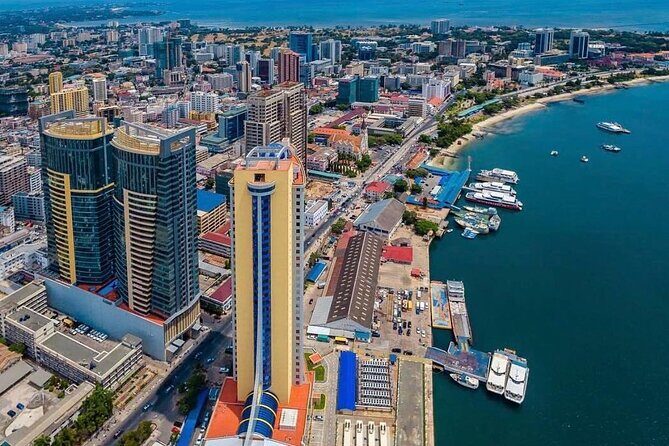
Next up is the Azania Front Lutheran Cathedral. It’s a Gothic-style church built by German missionaries between 1899 and 1902. Even if you’re not into architecture, the setting helps: the stop comes with a chance to look out over the Dar es Salaam City harbor area.
This is where context matters. The name Azania comes from the Greek word for the East African coast, so the building ties a local identity to a wider historical story.
You also get time to take photos, and admission is included. This is a good stop if you like quiet moments inside a day that otherwise runs busy.
DARCH and the Old Boma: Dar’s Oldest Building by City Hall
From the church you move to the Dar es Salaam Centre for Architectural Heritage (DARCH), centered on the Old Boma. The Old Boma was built in 1866–67 by Sultan Majid bin Said of Zanzibar and is described as the oldest structure in Dar es Salaam City. It’s positioned beside City Hall and near the waterfront, so you get both a building story and harbor views.
What makes this stop valuable:
- You’ll learn about the old structure’s history and how it has been transformed into a center for architectural heritage.
- You can look around with a clearer sense of how colonial-era governance shaped this part of the city.
This isn’t a “grand museum hall” experience. It’s more like a historical checkpoint that helps you connect the dots between churches, harbor life, and the way the city was run.
St. Joseph’s Cathedral: A Quick Photo Break Before the Ferry Plans

Near the ferry routes from Dar es Salaam to Zanzibar, you’ll have a short stop at St. Joseph’s Cathedral, across from Azam Marine and Zan Fast Ferries. Built by German missionaries between 1897 and 1902, it’s Gothic-style with a vaulted ceiling and original German stained glass windows.
The tour frames this as a quick, meaningful break—about five minutes is enough to notice details and feel the colonial-era religious imprint. It’s also practical: if you’re planning to move on to Zanzibar, this stop gives you a sense of where the ferry terminals sit and how this city links to the coast-to-coast trip.
If you want photos, do it confidently but respectfully. Churches are working spaces as much as they are sights.
You can also read our reviews of more private tours in Dar es Salaam




Askari Monument at the Roundabout: WWI Memory in Bronze

Then you reach Askari Monument, located at the roundabout joining Maktaba Street and Samora Avenue. This bronze statue was erected in 1927 to memorialize African soldiers who fought in World War I during the British regime.
You’ll have about a five-minute photo window. Even in a quick stop, this monument works because it puts a less-talked-about layer of history in front of you: not just European battles, but African soldiers and imperial-era consequences.
National Museum of Tanzania: Fossils, Rock Art, and Human Evolution
If you want one indoor stop that gives you the big picture of Tanzania, it’s the National Museum of Tanzania. It was constructed between 1938 and 1939 and is described as the largest and oldest museum in Tanzania. The museum has four permanent exhibitions: Art, History, Human Evolution, and Rock Art.
What you can expect to see:
- Early human fossils from the Olduvai Gorge area
- Cultural art and historical displays
- Rock art linked to the region’s cultural significance
Admission is included, and you’ll have about 40 minutes. That time is tight for a museum, so aim to pick your favorites first. If you’re the kind of person who can get lost in details, you might want to treat this as a “see what’s here” visit, then save a deeper museum day for later.
Also, don’t forget your camera. The museum’s exhibits are made for people to look closely.
Kariakoo Market and Coffee: Everyday Trade with Real Variety

Next comes Kariakoo Market, an intense, everyday trading hub. The market’s modern structure is linked to architect B.J. Amuli, and it opened in December 1975 with Julius Nyerere in attendance. The name Kariakoo also ties back to a British Carrier Corps campsite.
This stop is a practical choice because it shows you how Dar’s people shop and trade daily. You’ll have time to move through stalls that can range from produce to electronics. There’s also time to enjoy local brewed coffee if you want it.
Admission is free here, which helps keep the day from feeling like a string of paid add-ons. The trade-off: it’s crowded and loud, so keep your phone secure and expect people to move around you.
Mnazi Mmoja and the Uhuru Torch: Independence in One Landmark
After Kariakoo, the tour heads to Mnazi Mmoja, where you’ll see the Uhuru Torch. It was ceremoniously placed in 1961 to commemorate Tanzania’s liberation from British colonial rule.
This is a short stop, but it anchors the day. You’re not only looking at colonial-era buildings; you’re also seeing the point when the country marked independence publicly in a lasting way.
If you like photo stops with meaning (not just scenery), this one fits.
Dar Es Salaam War Cemetery: A Quiet Stop That Hits Hard
Then you visit the Dar Es Salaam War Cemetery, a First World War memorial site. Screen walls were erected in 1968 to honor 1,844 individuals from World War I. That total includes 404 who were initially buried in Dar es Salaam Seaview Cemetery, plus Muslim individuals who weren’t individually marked.
You’ll also find the Dar-es-Salaam Hindu Cremation Memorial, commemorating 14 Indian servicemen.
Admission is included and the time is about 25 minutes. This part of the tour is less about looking around and more about paying respects and understanding how memory is maintained after wartime disruptions—especially once older burial grounds were closed.
Keep your voice low, dress respectfully, and take a moment before you start photographing.
Tanzanite Bridge: Ocean Views and a Modern Photo Angle
After the solemnity of the cemetery, the day pivots to a scenic photo stop at Tanzanite Bridge. It’s described as an ultramodern bridge crossing the Indian Ocean area, stretching over Coco Beach in Oysterbay and toward Aga Khan Hospital.
You’ll have the option to take photos here, and the tour uses it as a visual reset after the memorial stop. If you like dramatic city-to-coast views, this is the kind of short stop that makes the whole day feel less heavy.
Mwenge Woodcarvers Market: Makonde Carvings and Tinga Tinga Color
Another favorite in this itinerary is Mwenge Woodcarvers Market. This market isn’t just for shopping. It’s a cultural stop where you see creativity and identity in materials you can touch and take home.
You’ll notice two major art influences:
- Makonde woodwork, connected to ancestral stories, spiritual symbolism, and everyday life in East Africa
- Tinga Tinga paintings, known for bold colors and whimsical scenes
Admission is free, and the time is about 40 minutes. It’s a good place to buy souvenirs that feel connected to place, not just mass-produced items.
A practical note: if you plan to shop, bring some small bills and decide your budget early. Market bargaining can be part of the experience, but you’ll enjoy it more if you feel in control.
University of Dar es Salaam: A Photo Option for History and Alma Mater Pride
This part of the schedule gives you a chance for a quick look and photos around the University of Dar es Salaam area. The university is described as the biggest in East Africa, established in 1961 as an affiliate college of the University of London and officially becoming the University of Dar es Salaam in 1970.
The tour info also notes notable alumni, including former presidents Dr. Jakaya Mrisho Kikwete and Dr. John Pombe Magufuli, plus other public leaders and figures.
The key word here is optional: if you want photos, you might get a few minutes. If not, you can keep moving without losing the day’s momentum.
Village Museum: Tribal Homes, Artifacts, and a Cultural Map of Tanzania
As the day winds down, you’ll visit the Village Museum. Founded in 1967, it’s a place that keeps Tanzania’s cultural heritage through tribal homes, artifacts, handicrafts, and musical instruments.
Important context: it can’t represent all of Tanzania’s 130+ tribes, but it still gives a clear view of how different communities build, live, and create.
You can expect:
- Faithfully recreated traditional homes
- A display of artifacts and handmade goods
- Time to look around without being rushed
Admission is included, and you’ll have about 1 hour. There’s also an optional visit to nearby First World War cemeteries if you want to connect this cultural stop back to the memorial theme you saw earlier.
Coco Beach: Finish With Salt Air and Your Own Seafood Plan
You wrap up at Coco Beach in Oyster Bay. It’s a calm end point with Indian Ocean air and beachside options like restaurants, food vendors, and shops.
The tour gives you about 30 minutes, and this is your time to:
- Walk the sand
- Take a last set of photos
- Grab local seafood or a drink using your own money (personal expenses apply)
- Browse small stalls for souvenirs
It’s also a smart “cool down” stop after markets. You’ll feel the difference instantly: fewer crowds, more breathing room.
Who This Tour Is Best For
This tour is a strong fit if you:
- Want one day that covers harbor life, colonial architecture, major museums, markets, and a beach finish
- Like history that shows up in everyday places (not only plaques in museums)
- Prefer a private guide who can pace photo stops and keep explanations clear
- Are pairing Dar es Salaam with a ferry onward plan to Zanzibar (this route helps you see where the ferry area sits)
It may not be the best match if you:
- Want a relaxed day with very few stops
- Dislike crowds and market intensity, especially around the fish market and Kariakoo
- Have mobility limitations that make multiple vehicle transfers and short walks difficult
Should You Book This Dar es Salaam Full-Day Private Tour?
If you want to get your bearings quickly and see Dar es Salaam in a way that mixes daily life with major landmarks, I’d say this is worth booking. The big win for value is that you get a private full day with air-conditioned transport, lunch, unlimited bottled water, and multiple included admissions—so your day stays smooth and predictable.
Book it if you like structure, photo stops with context, and you’re comfortable with a full schedule. Skip it only if you need a slower pace, are very sensitive to busy market environments, or want a more beach-only or museum-only itinerary.
If you do book, send your guide your priorities early—architecture, markets, history, or simply where to eat. That customization is the difference between a good sightseeing day and a Dar es Salaam day that actually fits you.
FAQ
What time does the tour start?
The tour starts at 9:00 am.
How long will the full-day tour take?
The duration is listed as 6 to 8 hours, and it can vary depending on traffic conditions.
Is pickup included?
Yes, pickup is offered from your hotel.
Is lunch included in the price?
Yes, lunch is included.
Are admission tickets included for the stops?
Admission tickets are included for several sites such as Kivukoni Fish Market, Azania Front Lutheran Cathedral, DARCH/Old Boma, the National Museum of Tanzania, the War Cemetery, and the Village Museum. Kariakoo Market and Mwenge Woodcarvers Market are free, and Coco Beach is free.
Is this a private tour?
Yes. It’s a private tour/activity, meaning only your group participates.