REVIEW · MOSHI
5-Day Lake Manyara, Serengeti, Ngorongoro Crater and Tarangire
Book on Viator →Operated by king solomon safaris · Bookable on Viator
Four parks in five days. That’s the hook. This safari strings together Lake Manyara, Serengeti, Ngorongoro Crater, and Tarangire, starting and ending in Arusha, with a pickup and daily game drives in a 4×4 Land Cruiser. I like how the days feel full—picnic lunches, long drives, and proper time on the ground—so you’re not just passing through. I also like the specific wildlife drama this route is known for, from Lake Manyara’s tree-climbing lions (when luck is on your side) to Ngorongoro’s dense concentration of animals. One heads-up: you’ll spend a lot of time on the road, and sightings can swing with season and timing.
What makes this easier is the human factor. The operator behind this trip, king solomon safaris, is repeatedly praised for keeping things smooth, and multiple guides show up in the mix—Solomon, Danny, Godson, and Samuel. That matters on safari because good spotting is part science, part driving skill, and part patience with other vehicles. If you want a calmer experience, remember the group is capped at up to 14 travelers, but you’re still doing a classic circuit with early starts.
In This Review
- Key points to know before you go
- Four parks in five days: what this safari really offers
- Day 1 at Lake Manyara: forest edges and the tree-climbing lion lottery
- Serengeti in the Seronera area: why the river matters
- Ngorongoro Crater: the descent, the density, and the hippo pool lunch
- Tarangire National Park: baobabs, the river, and strong elephant odds
- Vehicle time, driver skill, and why timing feels intense
- Money talk: $1,250 for this route—what you’re paying for
- What to pack (and what to expect) for a safari built on long days
- Who should book this safari circuit
- Should you book this 5-day Lake Manyara–Serengeti–Ngorongoro–Tarangire tour?
- FAQ
- Where does the safari start and end?
- How long is the safari?
- What time does the tour start?
- Do you get picked up from your hotel?
- How many travelers are on the tour?
- Are park fees and game drives included?
- Are meals included?
- Is admission ticketing included?
- Is tipping included in the price?
- FAQ
- Is free cancellation available?
- How is ticketing handled?
- What vehicle will you use?
Key points to know before you go
- Lake Manyara’s oddball wildlife: acacia/mahogany forest edges, baboons and blue monkeys, and a real chance at tree-climbing lions.
- Serengeti’s Seronera focus: time in the central park area where the Seronera River draws animals.
- Ngorongoro’s big crater day: a descent for roughly a 5-hour game drive plus a picnic at the hippo pool.
- You get two Serengeti game drives: morning and afternoon sessions instead of only one.
- Tarangire’s baobab scenery: huge baobab trees and strong elephant sightings around the Tarangire River.
- Practical inclusion list: park fees (for non-residents), daily game drives, meals, and a professional driver/guide in a Land Cruiser.
Four parks in five days: what this safari really offers
This is a Tanzania “greatest-hits” route, built for people who want variety without adding extra travel days. You’ll work your way from the forests of Lake Manyara into the open Serengeti plains, then down into Ngorongoro’s crater ecosystem, and finish with Tarangire’s baobab-studded river country. It’s ambitious, but it’s also efficient.
The value piece is not just the sights. It’s that you’re paying for the core machinery—park fees for non-residents, concession/camping fees, and daily game drives—along with the driver/guide and the vehicle. In plain terms, you’re less likely to get hit with “surprise line items” for the parts that make a safari a safari.
Group size is capped at 14, which tends to keep the safari atmosphere from turning into a parking lot circus. Still, expect that you’ll be sharing viewing spots with other safari vehicles now and then—especially in Serengeti and Ngorongoro, where animals gather.
A few more Moshi tours and experiences worth a look
Day 1 at Lake Manyara: forest edges and the tree-climbing lion lottery
You start the safari from your Arusha hotel around 8:30 AM. Then it’s straight to Lake Manyara National Park for a full day of driving, with a picnic lunch built in. The first thing you’ll notice is the change in mood: lush forest edges with acacia and mahogany trees, and a steady sense that the park is alive even before you see your first big animal.
Lake Manyara’s wildlife list is always fun to read out loud on day one. You might spot buffalo, giraffes, impalas, baboons, and blue monkeys as the road winds through different habitats. If you catch it at the right time of day, you often get repeated chances at the same animals because they feed and move predictably in their home range.
Now for the headline act: tree-climbing lions. This is the type of thing you shouldn’t treat like a guarantee. The park is famous for it, but whether you see it is a bit of a coin flip based on timing and season. Still, this park is one of the best places in Tanzania to even hope for it, so it makes sense to start here.
If you travel during the season when conditions line up, Lake Manyara can also put on a pink show along the shoreline with flamingos. Even if you don’t time it perfectly, the park’s forest-and-lake contrast is a good reminder that not all safari scenery is open grassland.
You end the day back at your lodge/camp for dinner. After a long first drive, that full evening reset matters. Safari days add up fast, and day one is usually where you feel the vehicle time the most.
Serengeti in the Seronera area: why the river matters
On Day 2, after breakfast, you head into Serengeti National Park. The drive route takes you through Karatu farmlands and the Ngorongoro Conservation Area, then drops you into the wide-open feel of the Serengeti. You’ll arrive around lunch, then do an afternoon game drive.
This tour aims for the central Serengeti (Seronera area), which is known for a water source: the Seronera River. That detail is more than trivia. When wildlife concentrates around reliable water, you tend to get better odds of seeing multiple species on the same day, instead of waiting for long-distance wandering.
Serengeti is famous for endless plains, but what you’re really buying is time. With an afternoon drive on Day 2 and a morning drive on Day 3, you’re not just taking one look at the landscape and calling it a win. Early light can change animal behavior, and the chances of spotting are better when you spread your viewing window.
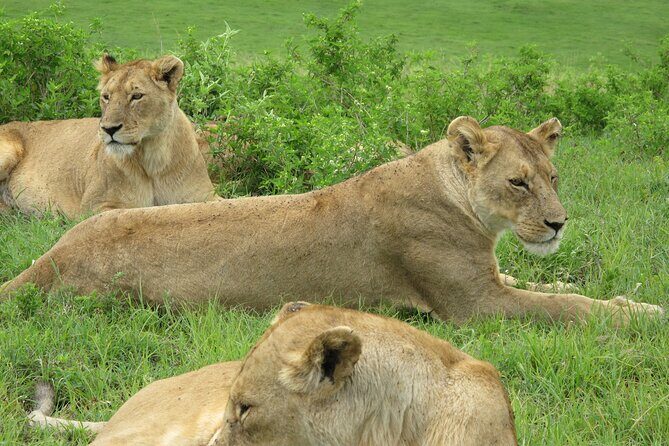
Expect typical Serengeti variety: large herbivores on the move, predators working the landscape, and birds doing their own busy routines. Exact sightings are never 100%—but the driving style and positioning tend to matter a lot here. A skilled driver/guide gets you into view fast and keeps you there long enough to see the action unfold, not just pass by.
One practical tip for Serengeti: plan to be a little patient with “almost moments.” You’ll stop, scan, and sometimes wait. That’s not wasted time. It’s how you turn a random sighting into a proper story.
Ngorongoro Crater: the descent, the density, and the hippo pool lunch
Day 3 brings you from Serengeti to the Ngorongoro Conservation Area with a picnic lunch. Then you keep moving into the crater day, and you’ll reach the crater environment as the day goes on. Ngorongoro is described as the largest collapsed volcanic crater in the world, a ringed bowl of extinct volcanoes that creates a self-contained ecosystem.
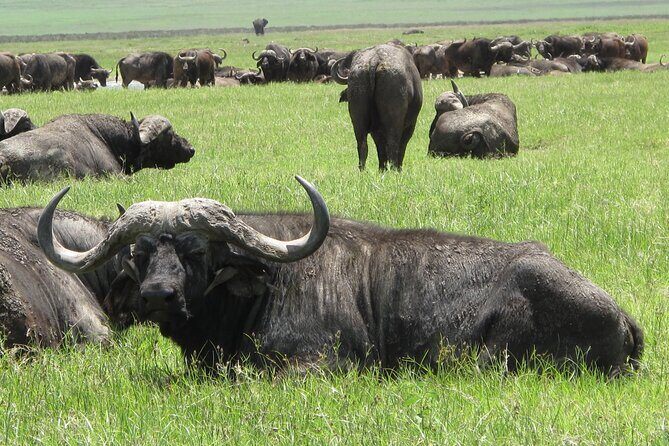
Inside the crater floor, you get dramatic wildlife density: around 30,000 animals live across watering holes and grazing areas. That matters because it changes your safari math. Instead of searching a huge space, you’re driving through a contained zone where animals are more likely to appear near key habitat.
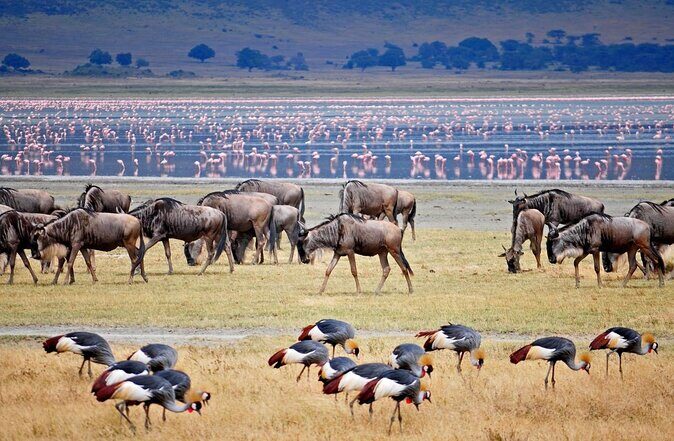
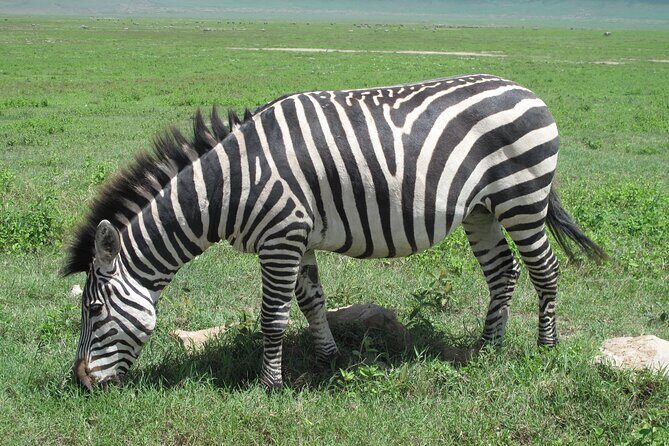
Day 4 is the big crater day. You’ll start with an early breakfast, then descend to the crater floor for about a 5-hour game drive. The animal list you might see here is long and varied: lions, elephants, zebras, hippos, flamingos, jackals, rhino antelopes, and plenty of birds.
Birdlife is a strong reason to take Ngorongoro seriously, and this itinerary leans into that. You can see eagles and vultures, plus flamingos in the crater lake. Other birds mentioned include storks, bats, giant vultures, sacred ibis, kori bustard, blacksmith plover, long-necked heron, and cattle eagle. That’s a lot of bird names, but the practical takeaway is simple: you’ll spend real time scanning more than just for the big cats.
Lunch gets a special setting: a picnic at the hippo pool. Then it’s time to exit the crater, which includes a steep climb back to the top. Even if you love safari adrenaline, plan for that physical reality—your body will notice the switch from “cruising” to “climbing.”
You end the day with dinner ready at your chosen accommodation in Karatu, giving you a decent recovery window before Tarangire.
Tarangire National Park: baobabs, the river, and strong elephant odds

The final day starts again early, around 8:00 AM. You’ll drive from Karatu/Arusha area to Tarangire National Park and do a half-day game drive, then head back to Arusha for drop-off by around 6:00 PM.
Tarangire is Tanzania’s third-largest national park, and it has a signature look: baobab trees standing tall over the savanna. These trees aren’t just scenic props. They create feeding and shelter areas, and they help you spot wildlife patterns from a distance.
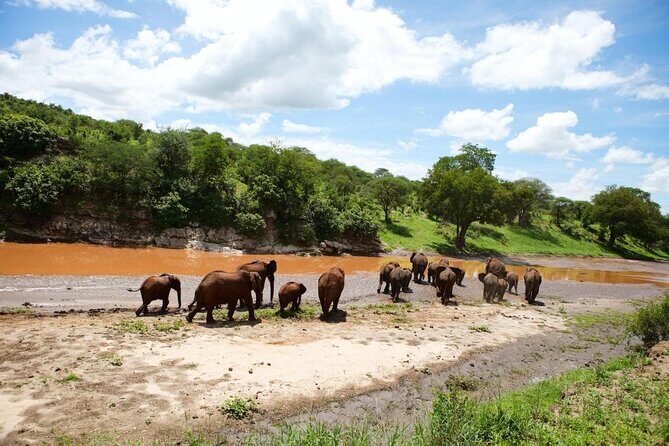
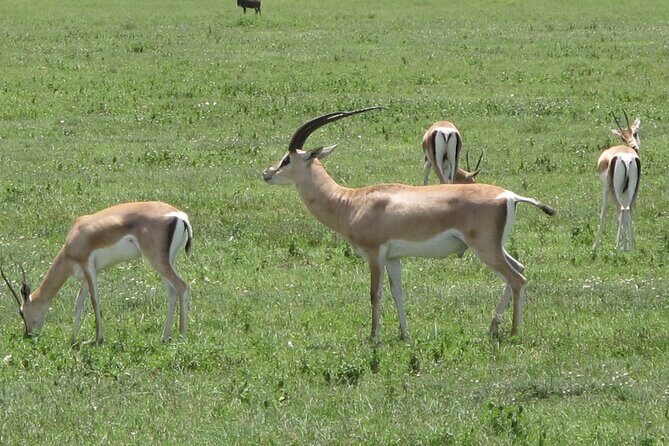
The Tarangire River is the centerpiece, and that’s why elephant sightings are such a highlight. The park is known for some of the largest herds of elephants in Africa. You might also see lion, leopard, cheetah, lesser kudu, buffalo, oryx, eland, giraffe, and zebra depending on the day’s conditions.
Because this is a half-day, the driver/guide positioning matters even more. You’ll want to stay alert, keep your eyes moving, and be ready when the animals decide to show up. It’s the kind of drive where the best moments can come quickly, then vanish just as fast.
If you’re feeling safari fatigue, Tarangire can still refresh you. The baobabs bring variety to your photos, and the river-centered wildlife gives the drive a different rhythm than open Serengeti plains.

Vehicle time, driver skill, and why timing feels intense

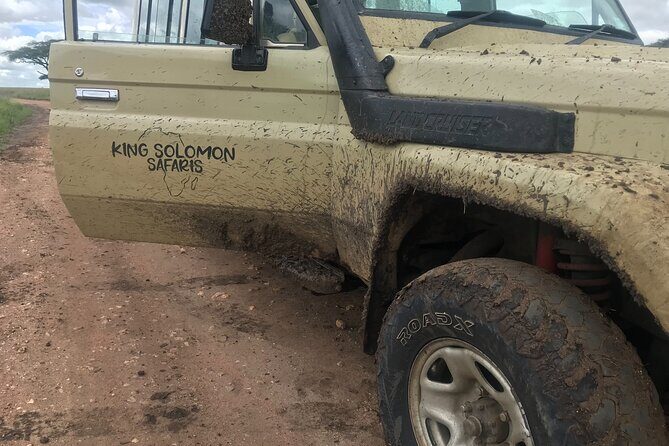
This safari is built around daily game drives in a 4×4 Land Cruiser with a professional driver/guide. That vehicle choice matters in Tanzania because roads and terrain vary a lot, and you want a driver who can move at the right speed without turning the ride into a roller coaster.
You’ll also feel the schedule. Transfers happen between parks, and the days run long—especially around Serengeti and Ngorongoro. If you’re someone who needs downtime every afternoon, you’ll have to adjust your expectations. The upside is that you’re spending most of your waking hours looking for animals, not sitting around.
The strongest theme in the feedback is confidence in the crew. People repeatedly mention smooth organization, helpful service, and guides who can spot wildlife. That’s not a small thing. In a park like Serengeti or on Ngorongoro’s crater floor, seeing the animal is only half the goal. Getting close enough to watch behavior for a few minutes is the other half, and that takes experience.
Also, don’t ignore the group cap at 14 travelers. Smaller groups can mean fewer disruptions at stops and more flexibility when the guide needs to position the vehicle for a better view.
Money talk: $1,250 for this route—what you’re paying for
The price is $1,250 per person for an approximately 5-day circuit. What makes it feel like a value is what’s included beyond just the vehicle.
You have park fees (for non-residents), concession/camping fees, and the daily game drives covered. You also have meals included as per the itinerary: 5 lunches, 4 dinners, and 4 breakfasts. Add in all taxes and VAT, plus a professional driver/guide, and you’re getting the big-ticket logistics bundled together.
What’s not included is tips. That’s normal in the region, but it’s still something you should budget. If you’re used to paying everything up front, do a quick mental adjustment.
Is it worth it? If you were to try to assemble this route yourself—vehicle, driver, park access, and meal stops—you’d likely end up spending time and money negotiating pieces. Here, the structure is already done, and you get a compact “four parks” plan for one set of payments.
What to pack (and what to expect) for a safari built on long days
This tour runs on early mornings and full or half-day drives. Pack for sun and dust more than for comfort at home. Think hat, sunscreen, sunglasses, and a layer for cooler mornings in the highlands.
For wildlife viewing, binoculars help a lot, especially for birdlife in Ngorongoro. The itinerary includes a heavy bird focus in the crater area, so having the right gear changes the experience from seeing shapes to actually recognizing species.
Hydration is also on you. The tour includes meals and organized picnic lunches, but you’ll still want a refill strategy for water while you’re out on drives.
Finally, keep your expectations flexible. Tree-climbing lions on Lake Manyara and specific predator sightings in the wider parks are always conditional. You’re going for the odds, not a movie script.
Who should book this safari circuit
This fits best if you:
- Want a classic four-park sampler in a short time.
- Prefer a structured plan with park fees and game drives included.
- Don’t mind long driving days in exchange for more time on safari roads.
- Like the idea of two Serengeti drives rather than just one.
It may be less ideal if you’re traveling for a super-relaxing pace or you strongly dislike early starts. This itinerary runs like a wildlife schedule, not a beach schedule.
Should you book this 5-day Lake Manyara–Serengeti–Ngorongoro–Tarangire tour?
I’d book it if your goal is to see multiple Tanzania “faces” without stretching your trip longer than 5 days. The route makes sense geographically, and the inclusion list covers the expensive parts that normally turn a safari into a checklist of separate payments.
I’d pause if you want guaranteed lion sightings or you’re worried about vehicle time. This safari gives you strong chances at the headliners, but nature decides the final seating chart.
If you can handle a full itinerary and you’re excited by the idea of Lake Manyara’s oddities, Serengeti’s river-and-plains rhythm, Ngorongoro’s crater density and birdlife, and Tarangire’s baobabs and elephants, this is a solid pick.
FAQ
Where does the safari start and end?
This tour starts and ends in Arusha.
How long is the safari?
It’s listed as approximately 5 days.
What time does the tour start?
The start time is listed as 8:00 AM.
Do you get picked up from your hotel?
Pickup is offered.
How many travelers are on the tour?
The group size is limited to a maximum of 14 travelers.
Are park fees and game drives included?
Yes. Park fees (for non-residents), concession/camping fees, and daily game drives are included.
Are meals included?
Yes. Lunch, dinner, and breakfast are included as outlined in the itinerary.
Is admission ticketing included?
Admission ticket details are shown as free, and park fees are listed as included.
Is tipping included in the price?
No. Tips are not included.
FAQ
Is free cancellation available?
Yes, you can cancel up to 24 hours in advance for a full refund.
How is ticketing handled?
A mobile ticket is mentioned as part of the experience.
What vehicle will you use?
The tour includes a 4×4 Land Cruiser with a professional driver/guide.