REVIEW · MOSHI
5 Days Camping Tarangire, Serengeti & Ngorongoro crater & Visiting Maasai
Book on Viator →Operated by MERU SLOPES TOURS AND SAFARIS · Bookable on Viator
Wild Africa, close enough to feel. This 5-day camping safari from Moshi strings together Tarangire, Serengeti, and Ngorongoro Crater with real sunrise and sunset game drives, so the big moments hit at the right times of day. I especially like that the circuit is packed with different ecosystems—baobabs and elephant herds in Tarangire, then the wide-open Serengeti plains—plus you get guided spotting focused on the Serengeti migration window. The main drawback to plan for is how early and full-on it is: you’ll have long drive days and start before the sun often enough to test your morning mood.
If you want classic Tanzania, this is a strong, value-focused way to do it without bouncing between too many hotels. You’re also traveling in a small group (max 6), in a safari jeep with unlimited drinking water and free Wi-Fi onboard, which helps when you’re trying to share photos fast.
In This Review
- Key things I’d mark on your calendar
- Tarangire National Park: baobabs, elephants, and a full day of animal time
- Serengeti in daylight: Seronera plains, sunset timing, and why water matters
- Chasing the Great Migration: early starts, Mara River logic, and flexible expectations
- Ngorongoro Crater at sunrise: the rim view, then the descent into 25,000 animals
- Mto wa Mbu village stop: seeing Tanzania beyond the wildlife gates
- Camping details that affect real comfort (toilet paper included)
- Price and value: $1,280 per person and what you’re actually buying
- Guides and the small things that change your sightings
- Who should book this 5-day camping circuit from Moshi
- Should you book this tour or keep searching?
- FAQ
- How much does the safari cost?
- How long is the tour?
- Where does the safari start?
- Is pickup and transportation included?
- What parks and areas are included?
- Are park fees and admission tickets included?
- What meals are included?
- Is Wi-Fi available during the safari?
- What should I budget for that is not included?
- Do I need to bring anything for camping comfort?
- Is there a Maasai visit included?
Key things I’d mark on your calendar
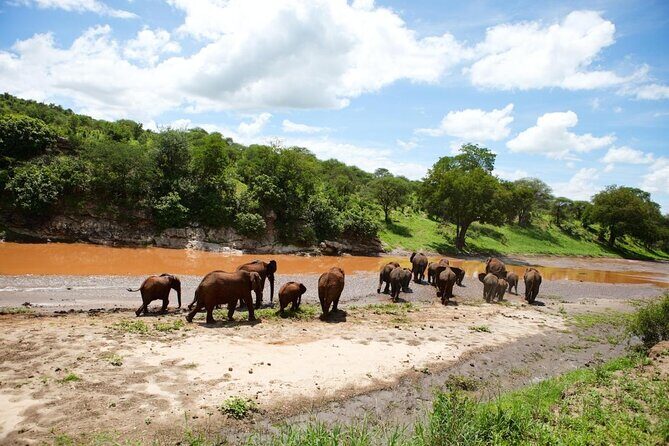
- Tarangire’s Tree of Life: baobab time plus elephant-rich game drives, all in one full day.
- Seronera area in Serengeti: a solid wildlife zone with water nearby, so animals show up.
- Migration-focused timing: your drives are set up to chase the Great Migration movements during the most likely months.
- Ngorongoro crater descent at sunrise: views from the rim, then a track down into one dense ecosystem.
- Camping pace with meals handled: breakfast, lunch, and dinner are included throughout the route.
- A community visit beyond the parks: a village stop at Mto wa Mbu for local context.
Tarangire National Park: baobabs, elephants, and a full day of animal time
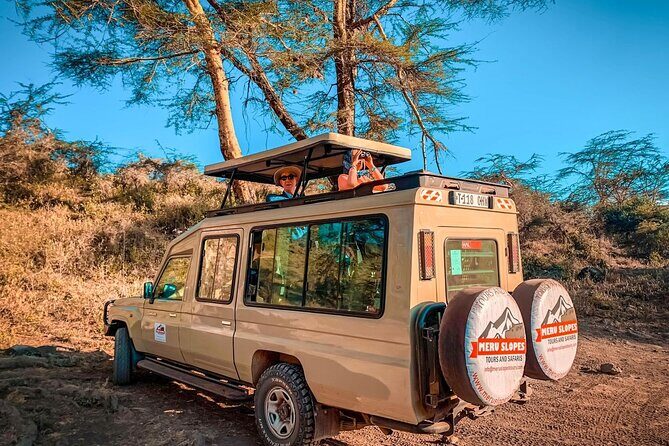
Your safari starts with a morning pickup from the Arusha side (the day begins around 8:00 am in the plan) and then it’s a drive toward Tarangire. The distance is manageable for a first day—roughly a 3-hour push from Arusha—and that’s a good thing because you’ll get a full game drive once you arrive.
Tarangire is a great opener because it feels different fast. The park is tied to the Tarangire River, which pulls animals in and gives you more consistent sightings during dry periods. You’re likely to see elephants here in numbers, and the habitat is the kind that rewards patient scanning—baobabs, rocky pockets, and the trademark “climbing trees” feel.
One detail that helps you enjoy the day more: Tarangire’s baobabs aren’t just scenery. They’re described as a survival tool. The trunk can store 300 to 1,000 litres of water, and the tree is said to live for hundreds of years (the notes give a range up to 600, with 300 also mentioned). That’s the kind of fact that turns a photo-op into real appreciation while you’re watching animals move under those thick trunks.
What I like: a whole-day game drive means you aren’t rushing. If you’re unlucky with one sighting window, you have time to reset.
What to consider: Tarangire is not always about “instant drama.” It can be long stretches of calm watching, then suddenly everything happens.
A few more Moshi tours and experiences worth a look
Serengeti in daylight: Seronera plains, sunset timing, and why water matters
After breakfast, you head into the Serengeti. The route takes you through the Ngorongoro Conservation Area and agricultural hills around Karatu before you drop into the big plains world. You’ll aim for the central Serengeti area called Seronera, which matters because it sits near the Seronera River. That’s a key detail: wildlife concentrates where water concentrates.
In this part of the safari, you’ll arrive in time for lunch and then go for an afternoon game drive that runs until sunset. That timing is practical. Late afternoon is when shadows stretch out and animals get moving for evening feeding, so your odds improve without needing a super early wake-up every day.
If you want to understand what makes Serengeti special, think less about “one big moment” and more about an ecosystem that keeps cycling. You’re driving through wide-open visibility, where you can spot movement long before the animal is close. It’s one of those parks where your brain starts to feel like a camera: scan, wait, then snap when you see motion.
What I like: Seronera as a base is a smart choice for a short safari because it’s a wildlife-rich zone rather than a remote shot in the dark.
What to consider: with sunset included, you’ll go later in the day than some people expect. If you hate being out past dinner time, that’s something to plan for mentally.
Chasing the Great Migration: early starts, Mara River logic, and flexible expectations
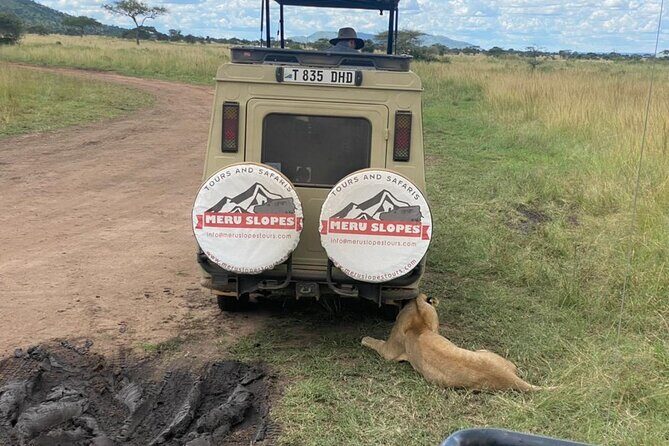
The most intense wildlife day in the circuit is the next Serengeti morning. You’ll wake early, eat breakfast, and head out for a full day of game drives. This is where the safari leans hard into the Great Migration idea.
The plan explains the migration varies year to year, with the best general chance of seeing it between June and September, and with calving generally said to be January to March. For the July to September window, the route notes that your driver can take you toward the northern Serengeti to look for crossings over the Mara River.
Here’s the practical value: even when the big migration isn’t exactly where a guide wants it, a migration-focused strategy helps you spend time in the right regions rather than randomly circling. It’s also honest to keep expectations flexible. Animals move. Roads and sightings change day to day. But your safari is structured so you’re not missing your best odds window.
What I like: a full day gives you time to react. When an opportunity pops up, you can follow it instead of having to bail at lunch.
What to consider: this day rewards stamina. You’ll spend a lot of time on bumpy roads, and early starts add up over five days.
Ngorongoro Crater at sunrise: the rim view, then the descent into 25,000 animals
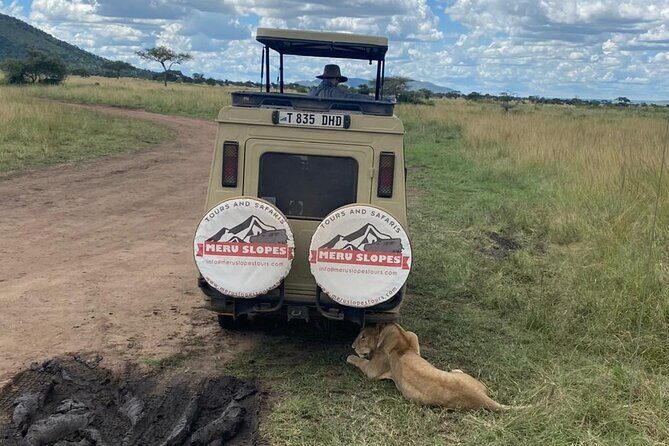
The Ngorongoro day starts with an early morning wake-up plan designed for sunrise views from the crater edge. After a quick breakfast, you’ll do an early game drive and then head toward Ngorongoro, arriving in time for dinner and overnight at Simba campsite (as listed in the route plan).
Then comes the next morning: early risers get the sunrise over the crater’s edge, followed by breakfast and a drive down into the crater itself. This part of the experience is different because the crater is its own world—formed by an ancient volcanic explosion—and the numbers help you picture why it’s so concentrated. The crater is described as 610 meters deep, covering roughly 260 square kilometres, and it’s listed as having about 25,000 animals. Bird life is also emphasized: more than 500 bird species are mentioned.
When you drive down, your “zoom” instinct kicks in. The crater walls trap sightlines and hold animals closer to the roads. Even if you don’t see every species on your personal checklist, the density often makes each sighting feel bigger.
What I like: sunrise + crater descent is the combination that turns a famous place into a lived-in one. The light is dramatic, and animals often move in the cooler hours.
What to consider: it’s a demanding day schedule. You’re up early, out on the crater track, and then you still have the rest of the loop afterward.
Mto wa Mbu village stop: seeing Tanzania beyond the wildlife gates
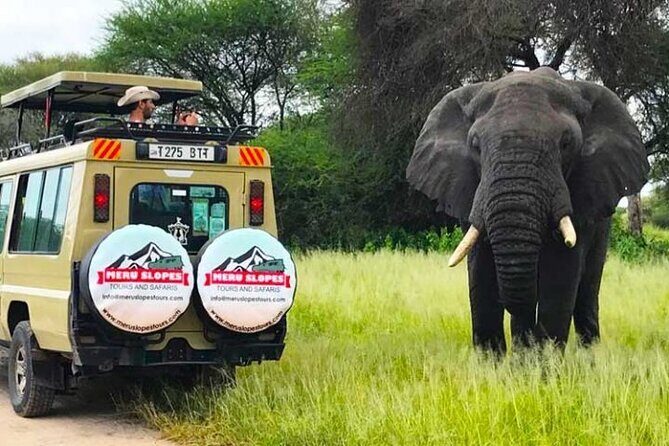
After Ngorongoro, you’ll finish with a community visit at Mto wa Mbu. This is led by a local guide, and the point here is context: how people live alongside the tourism economy.
The plan highlights starting in banana plantations, with more than 30 species of bananas mentioned as part of the crops grown by the community. You’ll also have options for activities during the visit, and the guide is expected to explain the social and economic side of community life.
This portion is valuable because it breaks the “only wildlife” rhythm. You get to ask questions, take photos, and shift your focus from spotting animals to understanding people’s everyday landscapes.
What to consider: this isn’t a long museum-style stop. It’s an active village visit, so bring your camera, wear comfortable shoes, and be ready to talk.
Camping details that affect real comfort (toilet paper included)
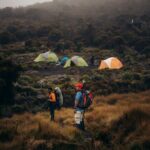
A camping safari can be either charming or annoying, depending on expectations—and what you pack. The included meals (breakfast, lunch, and dinner counts are listed for the days in the route) mean you’re not hunting food, which is a big stress reducer.
One practical tip stands out from recent experiences: bring toilet paper for the campsite. That’s the kind of thing that seems small until you need it.
Also plan for the realities of time outdoors:
- You’ll be waking early for sunrise drives and game drives.
- You’ll spend a lot of time in the vehicle, so pack for comfort on long sits.
- Even with free Wi-Fi in the jeep, your connection may not matter when you’re busy watching animals.
The safari company also lists AMREF Flying Doctors emergency rescue as part of the inclusions. That doesn’t predict anything bad, but it gives peace of mind when you’re far from hospitals.
Price and value: $1,280 per person and what you’re actually buying
At $1,280 per person for about 5 days, the key value question is what’s covered. Here, the inclusions look strong:
- All fees and taxes are included.
- Private transportation is included.
- Admission tickets are shown as free in the daily drive plan.
- Meals are handled: breakfast (4), lunch (5), dinner (5) are listed.
- You get unlimited drinking water and free Wi-Fi inside the safari jeep.
- AMREF emergency rescue is included.
- Max group size is 6, which usually helps the jeep vibe stay calmer.
What’s not included is also clearly listed: tips, flights, and visa.
So the value isn’t just “you pay one number.” It’s that you’re paying for a set amount of driving time, park access, and meals—things that can quickly balloon in separate add-ons on your own.
The main budgeting advice: set aside money for tips and any personal expenses, and make sure your visa and flights are sorted before you go.
Guides and the small things that change your sightings
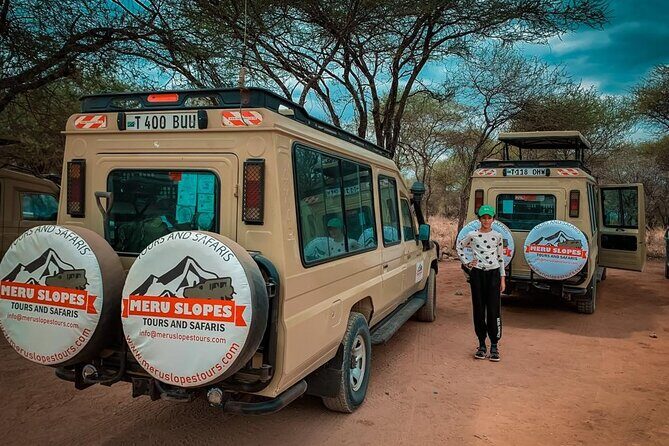
A safari can look the same on paper, but the day feels different based on the guide. In recent experiences with this operator, guides and drivers named such as Asanteali, Jerome, Jacob, Saleh, Nuru, Lobulu, Patrick, Mohammed, Douglas, and Tembo show up repeatedly, often alongside chefs like Dula and Gideon.
That pattern matters. You want someone who spots movement early, keeps the vehicle moving when an opportunity appears, and explains what you’re seeing without making it feel scripted. The notes also mention strong communication from planners like Jerome and smooth pickup coordination around Arusha with people named Geoffrey in at least one case.
One more small win: the safari is set up so you can get a lot of animal time across Tarangire, Serengeti, and Ngorongoro, and some recent trips report impressive variety, including big-cat sightings like leopard and cheetah during the same day.
Who should book this 5-day camping circuit from Moshi
This safari is a great match if you want:
- Classic northern Tanzania highlights in a tight schedule.
- Sunrise drives in Serengeti and Ngorongoro.
- A small-group feel (max 6) with private transportation.
- A camping style that’s organized enough to keep meals covered and logistics simple.
It may be less ideal if you:
- Hate early mornings.
- Need a very relaxed pace with lots of downtime.
- Are looking for guaranteed migration sightings, since the migration route changes year to year and even week to week.
One note to confirm before booking: the tour overview mentions a Maasai visit, but the provided route details list a village stop in Mto wa Mbu instead. Ask the operator what the Maasai component looks like and when it happens, so you get exactly the cultural visit you’re expecting.
Should you book this tour or keep searching?
I’d book if you want a well-rounded Tanzania sweep—Tarangire + Serengeti + Ngorongoro—with sunrise timing and a setup that includes most big costs (park access, meals, and fees). At $1,280, the value feels solid because you’re not paying separately for the things that normally inflate a safari budget.
Before you click confirm, ask two questions:
- What exactly is included for the Maasai visit, since the detailed day plan you’ll receive may emphasize Mto wa Mbu instead?
- What time and location is your pickup on day one (there’s a start time around 7:30 am listed, plus an Arusha pickup time around 8:00 am in the route notes).
If those answers line up with what you want, this is the kind of safari loop that gives you big wildlife views without making your planning feel like a second job.
FAQ
How much does the safari cost?
The price is listed as $1,280.00 per person.
How long is the tour?
It’s listed as approximately 5 days.
Where does the safari start?
The meeting point is listed as Kilimanjaro Airport, and a start time of 7:30 am is provided. The route plan also mentions pickup from an Arusha hotel.
Is pickup and transportation included?
Yes. Pickup is offered, and private transportation is included.
What parks and areas are included?
The route focuses on Tarangire National Park, Serengeti National Park (with sunrise and sunset drives), Ngorongoro Conservation Area/Crater, plus a village visit at Mto wa Mbu.
Are park fees and admission tickets included?
Yes. All fees and taxes are included, and admission is shown as free in the day plan.
What meals are included?
Breakfast is included for 4 days, and lunch and dinner are included as listed for the route (lunch 5 times, dinner 5 times).
Is Wi-Fi available during the safari?
Yes. Free Wi-Fi inside the safari jeep is listed as included.
What should I budget for that is not included?
Tips, flights, and visa are not included.
Do I need to bring anything for camping comfort?
A practical tip from recent safari experiences is to bring toilet paper for the campsite.
Is there a Maasai visit included?
The tour overview says visiting Maasai is part of the experience. The day-by-day plan you receive may also include a village stop in Mto wa Mbu, so confirm the details of the Maasai component when booking.