REVIEW · MOSHI
5 days Tanzania Camping Safari
Book on Viator →Operated by Nyange Adventures. · Bookable on Viator
A safari like this gives you a quick hit of Tanzania’s top wildlife zones. You start in Tarangire for baobab-lined elephant country, then push into the Serengeti for the big plains energy, with Ngorongoro and Lake Manyara capping it off. It’s a tight 5 days that’s built around multiple game drives plus overnight stays right in park areas.
I love that the setup keeps you moving without feeling like a checklist: you get a pop-top 4×4 for better sightlines, plus picnic lunches outdoors. I also like the practical bonus items included for wildlife time—binoculars and a field guide—because that turns every spotting into something you can actually track. One consideration: you’ll be sleeping on park-designated camping sites, so this is not a luxury-lodge vibe, and you should be ready for early starts and basic comfort.
In This Review
- Key Things That Make This Safari Work
- Moshi Start: Tarangire’s Baobabs, Elephants, and Dry-River Magic
- Serengeti Drives: Migration Drama and Predator Hunting Timing
- Ngorongoro Crater Descent: The UNESCO Site You Feel in Your Legs
- Lake Manyara Finish: Flamingos, Tree-Climbing Lions, and Bird Time
- Camping Nights Inside the Park: What You Gain (and What You Give Up)
- Price and Value: What Your $1,990 Includes (and Why It Matters)
- Vehicle, Gear, and Guide Power: How Sightings Become Real
- When This Safari Fits Best (and When It Won’t)
- Small Practical Tips to Make Your Days Easier
- Should You Book It? My Take
- FAQ
- What parks are included in this 5-day camping safari?
- Do you get picked up from Moshi?
- Where do you stay overnight during the safari?
- Are meals included, and is there a picnic lunch?
- Is vegetarian food available?
- What wildlife-viewing setup do you use?
- What’s included for wildlife learning and viewing gear?
- Are park fees included in the price?
- Do I need a visa for Tanzania?
- Is there free cancellation if plans change?
Key Things That Make This Safari Work
- Park-to-park routing that hits Tarangire, Serengeti, Ngorongoro Conservation Area, and Lake Manyara in 5 days
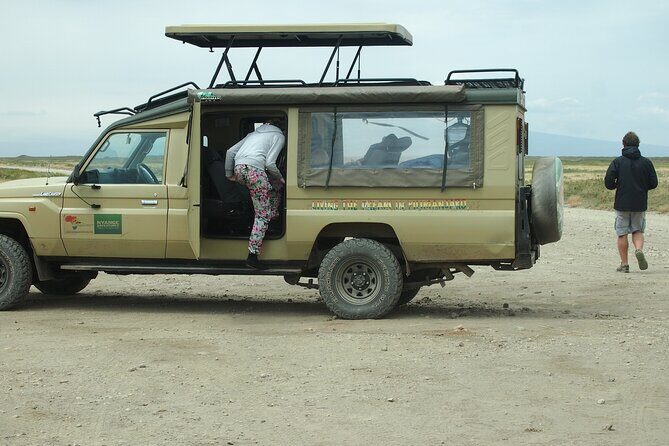
- 4×4 with pop-up roof and unlimited mileage, designed for long wildlife drives
- Picnic lunches eaten in the wild instead of rushing through meals
- Camping overnight inside the park zone, including a Serengeti night at Pimbi Campsite
- Big focus on animal viewing gear, with binoculars and a birds/animal field guide book included
- Language options (German, English, French, Spanish) so you can learn while you spot
Moshi Start: Tarangire’s Baobabs, Elephants, and Dry-River Magic
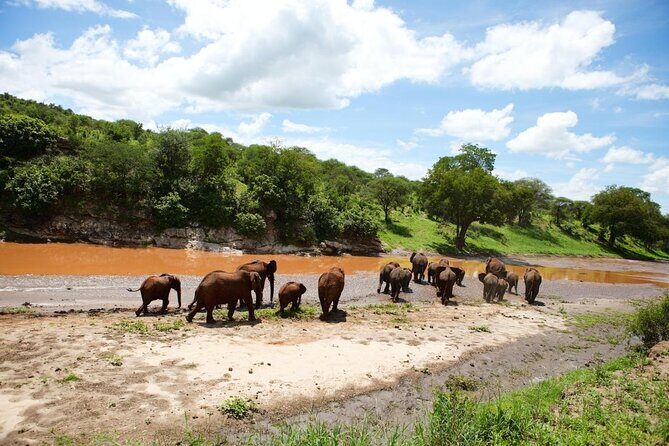
Your day begins with pickup from your hotel in Moshi and a drive into Tarangire National Park, a place where the scenery looks spare, almost sculpted. That sparse vegetation matters because it helps wildlife stand out. Tarangire is famous for huge baobab trees and for elephants that travel the dry riverbeds, sometimes following underground water in shrinking channels.
Game viewing here tends to feel grounded and close. You’re in an environment where up to about 300 elephants can gather, and you also have a real chance at other dry-season regulars like zebra, buffalo, and migratory wildebeest crowding temporary water points. Expect an afternoon game drive built around a picnic lunch—one of those meals that tastes better because you’re already in “spotting mode.”
One practical note: the itinerary doesn’t promise every species every day, but Tarangire’s elephant density gives you a strong baseline for wildlife success early in the trip. If you’re hoping to get that first “we’re really in it now” moment, this is a smart place to start.
A few more Moshi tours and experiences worth a look

Serengeti Drives: Migration Drama and Predator Hunting Timing
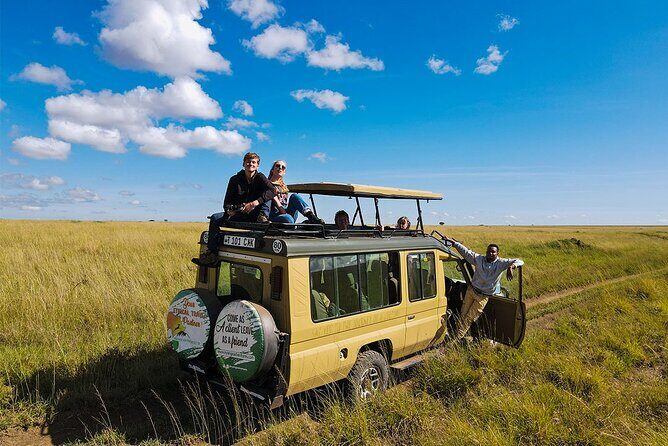
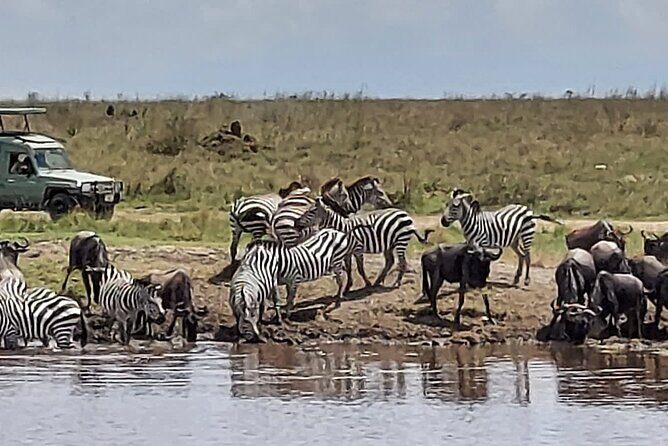
After Tarangire, you head to the Serengeti National Park, the big-name safari destination for a reason. This is where the great migration of wildebeest and zebra becomes the main stage—huge numbers moving across open plains in search of what they need.
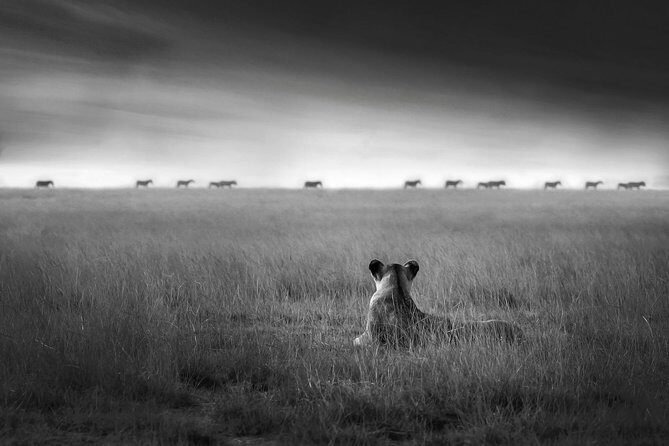
The best part about Serengeti in this format is the rhythm. You’re not just driving through light traffic hours; you’re scheduled for wildlife time on two different parts of the day. Daytime viewing gives you the chance to track migration energy and other species across the plains. Then on the next morning drive, the safari pattern shifts toward predator behavior, including the idea of catching lions and other hunters during morning activity.
Overnight stays are handled inside the park zone, with a specific mention of Pimbi Campsite for the Serengeti night. That detail matters. When you stay inside the protected area, you lose less time to travel, and the park feels like a “living” place rather than a photo stop.
If you’re traveling as a group, this kind of schedule also helps everyone adjust. You’ll still spend a lot of time in the truck, but the day structure keeps the long drives from feeling like one long slog.
Ngorongoro Crater Descent: The UNESCO Site You Feel in Your Legs
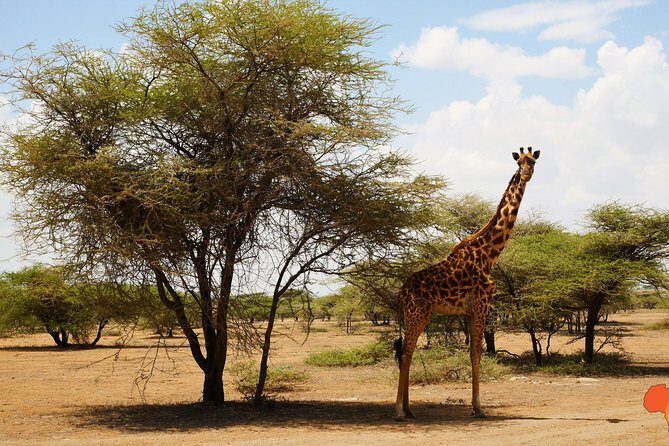
Next comes Ngorongoro Conservation Area, with the centerpiece being Ngorongoro Crater, a UNESCO World Heritage Site. The headline here is the descent: you rise early and then go down roughly 600 meters to the crater floor. That single detail changes the entire viewing experience. The crater is like a natural amphitheater, which can make the wildlife feel concentrated once you’re down there.
Ngorongoro is also one of Africa’s standout wildlife stages because different habitats stack close together. You’re dealing with a crater floor that can host animals in places where you might not expect them, which is why it’s often singled out as a must-see.
Your time here includes views before dinner and, most importantly, the morning crater viewing. The itinerary notes you might also be lucky enough to see an endangered rhino, which is exactly the kind of “maybe you’ll hit it” wildlife moment that makes Ngorongoro so addictive to safari fans. Just keep your expectations honest: you’re going for a strong chance, not a guarantee.
What I like about this pacing is that the crater is treated like the main event, not a rushed stop. You’re there when wildlife activity tends to be at its best, and you get crater views that help you understand why this place is such a big deal.
Lake Manyara Finish: Flamingos, Tree-Climbing Lions, and Bird Time
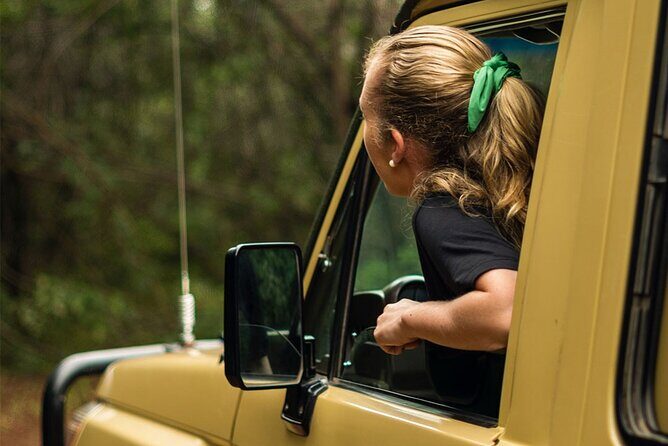
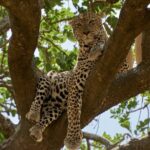
To wrap up, you head to Lake Manyara National Park, located within the Great Rift Valley region. Here the safari tone shifts from big-migration drama to something more varied and often calmer. Lake Manyara is known for tree-climbing lions and a soda-ash lake setting, but it’s also a major bird destination.
This is the day for birdwatching energy. The shoreline, described as attractive to pink flamingos, can draw more than 400 species of birds, including waterfowl and migrants. So even if big mammals are quieter on a given drive, you still have plenty to watch.
In the afternoon, you drive back to Arusha or Kilimanjaro Airport, depending on your needs. That matters for your trip planning. You’re not stuck in a late-night scramble after a long safari; you get a defined finish location so you can connect to the rest of your Tanzanian plans.
Camping Nights Inside the Park: What You Gain (and What You Give Up)
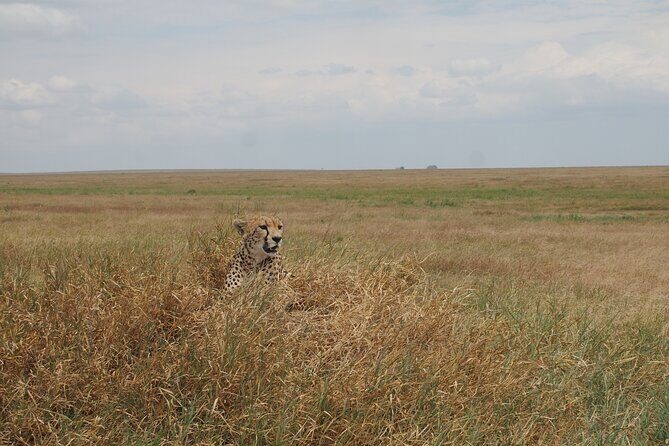
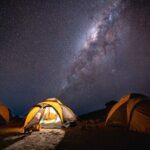
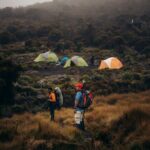
This safari is built around overnight stays in park-designated campsites rather than lodge-based luxury. That choice is part of why the trip feels efficient: you spend less time transferring and more time in the wildlife window.
You’ll have 4 nights of accommodation across the days. Meals are also included in a way that supports camping life: breakfast (4), lunch (5), and dinner (4). Lunches include picnic options on wildlife days, which is exactly how you want to eat when you’re trying to maximize sightings without turning the day into a constant break schedule.
What you give up is comfort level. Camping means you’ll need to pack smart and keep expectations realistic. But if you’re the kind of traveler who likes being “inside” the wild, it’s a huge win. Plus, you’ll be working with the people who handle the camp and cooking, which helps the experience feel smoother than you might expect.
A few more Moshi tours and experiences worth a look

Price and Value: What Your $1,990 Includes (and Why It Matters)
At $1,990 per person (for the roughly 5-day, 4-night format), the smart question isn’t just if it’s expensive. It’s whether the cost covers the big, unavoidable safari expenses—and it largely does here.
Inclusions worth calling out:
- National park fees (so you’re not paying at the gate)
- Professional guide
- 4×4 vehicle with pop-up roof plus unlimited mileage
- Emergency evacuation insurance
- A pair of binoculars and a birds and animal field guide book
- Meals: breakfast, lunch, dinner across the trip
- Government taxes
That package is why the price can feel more balanced than “cheap safari” offers that quietly add on park fees later. You’re paying for the vehicle time, guide time, and access, not just the driving.
Two things to factor for your budget:
- Alcoholic drinks are not included
- Gratuities are expected: $15 per day to the cook and $20 per day to your guide, divided by everyone in the vehicle
Also, you’ll want to plan for your own visa process, because the itinerary notes your visa must be obtained at the border or airport.
Vehicle, Gear, and Guide Power: How Sightings Become Real
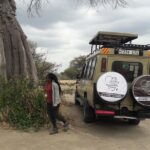
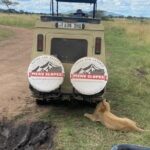
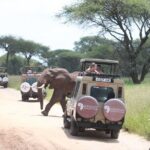
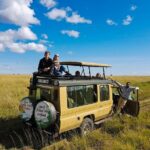
This is the kind of safari where the vehicle setup matters. You’ll ride in a 4×4 with a pop-up roof, which gives you better views for spotting wildlife and taking photos from a more stable angle. You’re also getting unlimited mileage, which generally means you’re not constantly being told you’ve used up the day’s driving allowance.
Then there’s the wildlife-reading support: you receive binoculars plus a birds and animal field guide. That’s one of those small inclusions that changes everything. When you see movement but don’t know what it is, you can start learning on the spot instead of waiting until you’re home.
About guides and the human side: multiple past experiences with Nyange Adventures highlight guides known for being friendly, prompt, and strong on park and animal knowledge. Names that show up across different safaris include guides like Joshua, William, Roger, Dennis, Francis, Edwin, and Allan, and chefs such as Ely, Godfrey, and Mody. Even if you’re not guaranteed any specific person, the repeated theme is consistent: the team aims to run a smooth day while sharing what they know.
When This Safari Fits Best (and When It Won’t)
This 5-day camping safari makes the most sense if you want:
- A northern circuit highlights hit without needing weeks to get there
- Lots of game drive time in multiple parks
- A more active, outdoors-first style, with camping inside the park zone
- Help with spotting through binoculars and a field guide
It’s also a good match for people who want a private-group feel. The tour format is described as private, meaning only your group participates.
It might not be your best choice if you:
- Need luxury bedding and nonstop comfort
- Don’t like early mornings or long days in a vehicle
- Want a trip with zero uncertainty in wildlife sightings (even with strong planning, nature controls the outcome)
Small Practical Tips to Make Your Days Easier
Here are the “makes it smoother” points based on how safaris like this usually run and what this one includes:
- Plan around the start time: the experience begins at 8:30 am. Early mornings are normal here.
- Bring a camera mindset, not just a photo mission. Wildlife moves fast, and the pop-top viewing helps, but your best shots often happen when you’re relaxed and watching.
- If you eat vegetarian, request it ahead of time. A vegetarian option is available if you advise during booking.
- Budget for gratuities and alcohol separately. Drinks aren’t included, and tipping is noted for the cook and guide.
If you’re the type who likes learning while you watch animals, you’ll get extra value from the included field guide. It helps you turn random sightings into names, behaviors, and patterns.
Should You Book It? My Take
I’d book this safari if you want a well-paced hit of Tanzania’s top parks in a short window and you’re comfortable with camping inside park zones. The strongest value is the bundle: guide + vehicle + park fees + meals + wildlife gear. That combination usually cuts down on surprise costs and keeps your days focused on the fun parts.
I’d think twice if you want a high-end lodge experience or you hate the idea of basic camp nights. Also, if you’re chasing one specific animal like rhino, go for it with optimism—but accept that sightings depend on timing and luck.
If you like your safaris practical, outdoors-forward, and packed with real game drive time, this 5-day circuit from Moshi is a very sensible way to do it.
FAQ
What parks are included in this 5-day camping safari?
The route covers Tarangire National Park, Serengeti National Park, Ngorongoro Conservation Area (with Ngorongoro Crater), and Lake Manyara National Park.
Do you get picked up from Moshi?
Yes. Pickup is offered, and you’re picked up from your hotel in Moshi on the first day.
Where do you stay overnight during the safari?
You stay for the nights in park-designated campsites, including an overnight at Pimbi Campsite in the Serengeti.
Are meals included, and is there a picnic lunch?
Breakfast and dinner are included for the days stated, and lunch is included each day of the safari. The itinerary also includes picnic lunches during wildlife time.
Is vegetarian food available?
Yes. A vegetarian option is available if you request it at booking.
What wildlife-viewing setup do you use?
You travel in a 4×4 vehicle with a pop-up roof for game viewing. Unlimited mileage is included.
What’s included for wildlife learning and viewing gear?
You’ll receive a birds and animal field guide book and a pair of binoculars.
Are park fees included in the price?
Yes. National park fees are included.
Do I need a visa for Tanzania?
Yes. The information states that your visa must be obtained at the border or airport.
Is there free cancellation if plans change?
Yes. Free cancellation is available up to 24 hours in advance for a full refund, based on the experience’s local start time.