REVIEW · MOSHI
2 Days Africa Safari
Book on Viator →Operated by Tanzania Joy Tours · Bookable on Viator
Two days can still feel epic. This short Northern Circuit safari packs major sights into one tight rhythm, with Lake Manyara National Park for rift-valley spectacle and Ngorongoro Crater for big-game concentration. If you’re short on time, it’s the kind of itinerary that turns your camera time into actual wildlife time.
I love how the day-to-day flow is built around real safari priorities: getting you to Lake Manyara with lunch waiting, then moving straight into park time after. I also like the private setup and professional driver-guide approach, which matters when the schedule is intense and you want smooth communication.
The main thing to consider is the pace. You’ll have a decent chunk of transfer time before you’re in the action, including about 2 1/2 hours of non game-viewing travel (around 130 km), so pack for comfort and be ready for an early start mindset.
In This Review
- Key highlights for a 2-day Moshi safari
- Moshi to the Northern Circuit in 2 days: what the short format really means
- Meeting your driver-guide and getting to Lake Manyara (130 km, about 2.5 hours)
- Lake Manyara National Park: the soda lake, elephants, and tree-climbing lions
- What to focus on during your Lake Manyara drive
- Lunch at the lodge and the overnight that keeps you sane
- Ngorongoro Crater on day two: why this place is built for wildlife density
- What you’re really hoping to catch at Ngorongoro
- Safari photography and timing: how to make the most of “intense” days
- Value check: does $1,035.26 per person make sense for this 2-day plan?
- Service quality and what to look for in your guide-driver
- Who this 2-day safari from Moshi is best for
- Should you book this 2-day safari? My straight advice
- FAQ
- Where does this safari start and end?
- Which national parks are included in the 2-day safari?
- How long is the safari?
- Is pickup included?
- Is this tour private?
- Can I cancel for a full refund?
Key highlights for a 2-day Moshi safari
- Two iconic parks in 48 hours: Lake Manyara + Ngorongoro Crater, chosen specifically for short safari timing
- Lake Manyara’s soda lake drama: a huge shallow lake covering much of the park, with algae-fueled birdlife
- Wildlife variety in one park: elephants, flamingos, and the famous tree-climbing lions
- Ngorongoro Crater as a game “world”: very high animal density in a self-contained setting
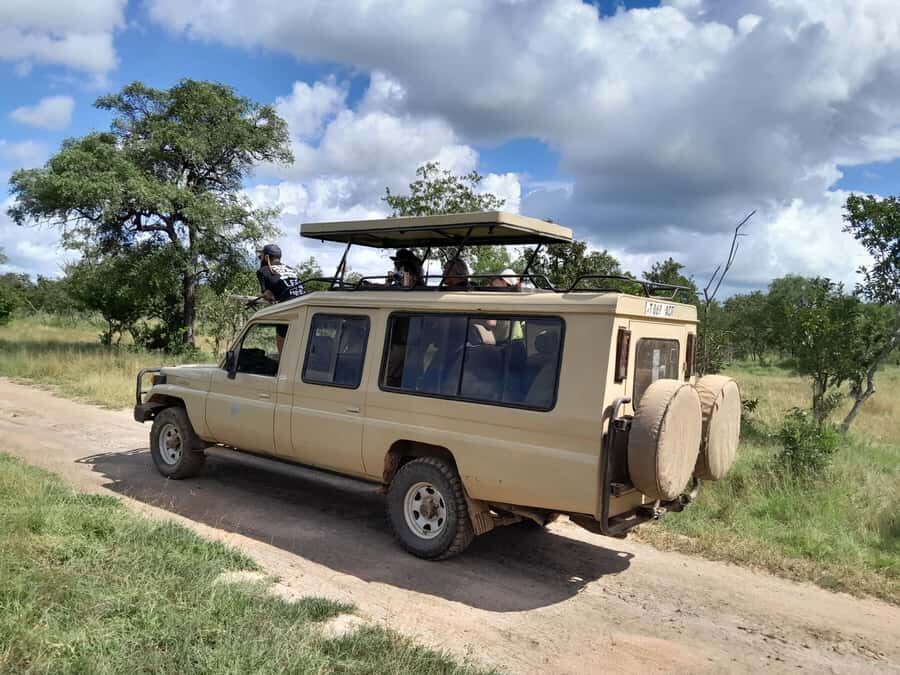
- Private tour just for your group: easier coordination when you have limited time
- Lunch at the lodge, then park time: a smarter break than doing everything back-to-back
Moshi to the Northern Circuit in 2 days: what the short format really means
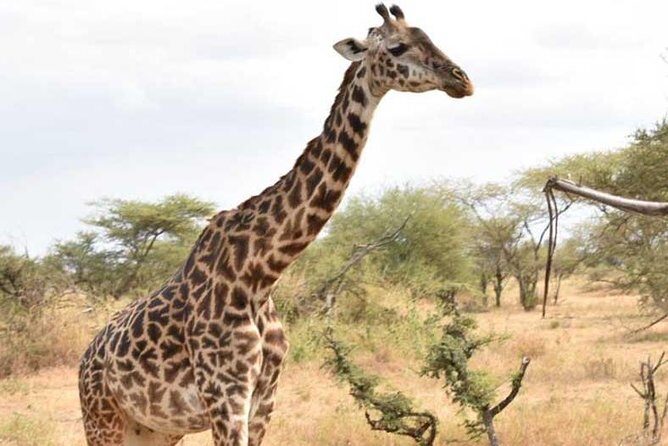
This is a classic problem-solver itinerary: you want Tanzania safari energy, but you don’t have a week to get there. The solution here is simple—focus on two parks that work especially well for shorter trips. Lake Manyara gives you variety and scenery driven by the Great Rift Valley, while Ngorongoro Crater delivers the kind of dense wildlife viewing that makes many people plan their whole trip around just one crater day.
In practical terms, the short format changes how you should think about your expectations. You’re not trying to “see everything.” You’re trying to see the right things well: the soda-lake birdlife and elephant zones at Manyara, and then the high-concentration grazing and predator chances of Ngorongoro. It’s also a photographic safari style route—short enough to keep you moving, focused enough to keep you shooting without wasting hours in transit.
And since the experience is private, you should get more flexibility than with big mixed groups. That matters when your group’s interests lean toward birds, elephants, or dramatic crater panoramas. When time is tight, small choices in routing and pacing can make the difference between a good day and a great day.
A few more Moshi tours and experiences worth a look

Meeting your driver-guide and getting to Lake Manyara (130 km, about 2.5 hours)
Your day starts with a meeting and briefing, with the professional driver-guide setup designed to get you oriented quickly. The package is described as starting from Moshi Urban, with pickup offered and a guide-led transfer phase before you reach Lake Manyara.
Here’s the key detail for your planning: you’re looking at about 2 1/2 hours of non game-viewing travel and roughly 130 km to cover before you’re actually in the park for your first real wildlife time. So don’t treat the transfer as wasted time—use it to set your body clock for safari pace. Bring water, protect yourself from sun and dust, and have your camera gear ready so you’re not scrambling when the car finally turns into park roads.
The briefing itself is where you can get your game-viewing expectations aligned. In a short safari, that quick prep helps you notice what you’re seeing—tracks, habitat clues, and the kinds of wildlife that tend to appear in different parts of a park. Good guidance also helps with the practical side: when to move, when to pause, and how to keep everyone comfortable during viewing.
Lake Manyara National Park: the soda lake, elephants, and tree-climbing lions
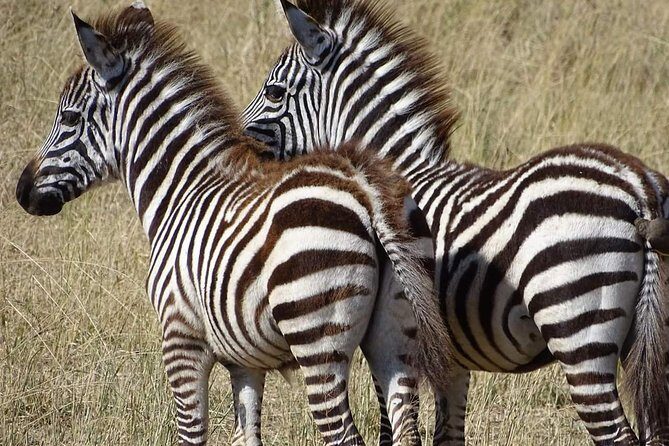
Lake Manyara is one of those parks where the setting does half the job. A massive but shallow soda lake spreads across about two-thirds of the park, sitting at the foot of the western escarpment of the Great Rift Valley. That geography creates a visible contrast: open lake areas draw birds, while surrounding habitats support animals that use different types of cover and feeding ground.
This is the point where the safari becomes more than just seeing animals—you start seeing relationships. The algae in the lake is what pulls in large flocks of flamingos, and the park’s varied habitat helps explain why you can find everything from big mammals to birdlife in one compact time window.
What to focus on during your Lake Manyara drive
You’ll likely spend your afternoon after lunch in the park, and the most practical way to enjoy Manyara is to rotate your attention between three “targets”:
- Birdlife around the lake: Keep an eye on flamingo areas—this is where the soda lake ecology shows up fast.
- Elephants: Manyara is known for one of Africa’s larger concentrations of elephants, and elephant activity often shifts with water and vegetation patterns.
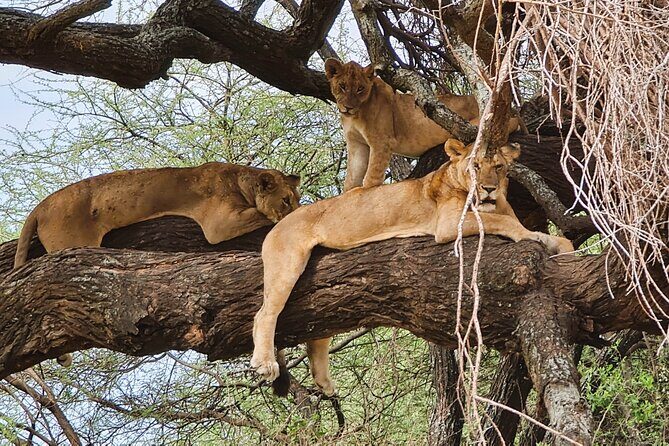
- The tree-climbing lions: This is Manyara’s signature rumor that’s worth treating seriously. If conditions and timing line up, seeing lions behaving in unusual ways is exactly the kind of story people remember.
A quick note on expectations: Manyara can be dramatic, but it’s also a park where wildlife viewing can be episodic. That’s why having a guide matters—so you’re not just driving randomly while the best activity moves through the habitat.
Lunch at the lodge and the overnight that keeps you sane
The itinerary includes lunch at the lodge after your transfer. This may sound like a small detail, but on a tight 2-day safari, it’s a big deal. A proper lunch break helps you reset before the afternoon game drive, and it reduces the chance that everyone gets cranky or rushed.
Then dinner and overnight are handled based on the accommodation option you request. While the exact property isn’t specified here, the structure is: you get an overnight in the middle of the safari plan, not a nonstop marathon. That’s a value win for two reasons. First, you protect energy for Ngorongoro the next day. Second, you give yourself time to wash off dust, charge devices, and get sleep rather than just pass out on a vehicle.
If you’re the kind of traveler who likes comfort, aim for an accommodation option that makes you actually want to return at night. You’re paying for a safari experience; sleeping well makes it easier to enjoy early-day viewing.
A few more Moshi tours and experiences worth a look


Ngorongoro Crater on day two: why this place is built for wildlife density
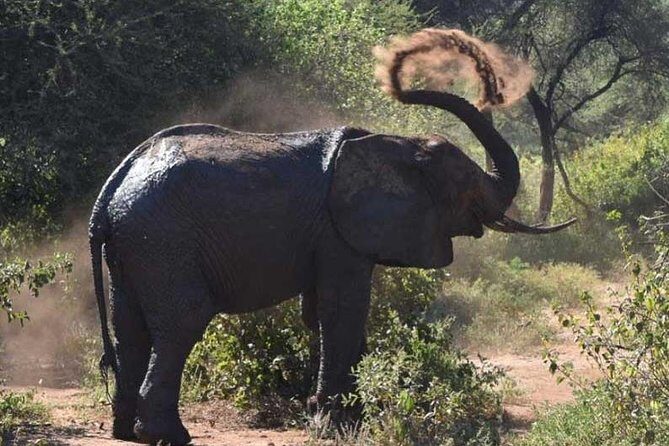
Ngorongoro Crater is where this safari plan earns its weight. The crater is described as having one of the highest concentrations of game in Africa, and it’s often treated like a self-contained world—animals living within a defined setting rather than constantly spreading out across huge areas.
For you, that matters because it changes the odds of seeing something meaningful on a tight schedule. When wildlife density is high, a short time window can still produce strong sightings. It’s the difference between searching for animals versus encountering them as part of the environment.
What you’re really hoping to catch at Ngorongoro
While specific sightings aren’t guaranteed, the park’s reputation is built on a mix of grazing animals and predator opportunities within a defined crater bowl. That combination is why many photographers love it: you can photograph animals with a dramatic sense of place, not just a distant silhouette.
Also, the crater’s layout can make wildlife viewing feel more structured. You’re not constantly adjusting to brand-new habitats every few minutes. Instead, you can settle into scanning, waiting for movement, and capturing the moment when animals cross open views or gather near feeding spots.
If you’re serious about photography, this is the day to treat your camera like a working tool: lenses ready, settings organized, and patience switched on. Ngorongoro tends to reward steady looking more than sprinting from one spot to another.
Safari photography and timing: how to make the most of “intense” days
This is an intense 2-day safari by design. That doesn’t mean it’s hectic in a bad way—it means you’ll be shifting between driving time, lodge time, and park time quickly.
Here’s how I’d manage it as a photo-focused traveler:
- Use the lodge and lunch break as a workflow reset
Don’t just eat—check gear, wipe lenses, and plan how you’ll shoot next.
- Treat transfer time as mental prep
You’re driving roughly 130 km and about 2.5 hours before Manyara game viewing starts. Use that time to confirm where you want to stand once you’re in park roads.
- Ask your guide what to watch for at each stop
Manyara is about soda lake birdlife and elephants; Ngorongoro is about density and the crater setting. If you know the “why,” you’ll notice more of the “what.”
- Be flexible if your group wants different things
Since it’s private, it’s easier to match pace to your group—more bird focus, more elephant focus, or more crater panoramas.
One other practical point: a short safari is not the right match if you want long, slow drives and no schedule stress. It is the right match if you want maximum safari payoff per day.
Value check: does $1,035.26 per person make sense for this 2-day plan?
The price is $1,035.26 per person for a 2-day safari, and the package includes meaningful components: pickup offered, mobile ticket, professional driver-guide, lunch at the lodge, and dinner plus overnight based on your selected accommodation option.
So the real value question is: are you buying enough actual safari time and service quality to justify the cost?
Here’s what points toward good value:
- Two major parks instead of just one, which matters when you only have 48 hours
- Private tour for your group, which usually adds comfort and responsiveness
- On-the-ground support from a professional guide/driver, which is essential for wildlife spotting and keeping you on schedule
- Lodge-based pacing with lunch and overnight, so you’re not living in the vehicle
What you should consider when weighing price:
- You’re paying for efficiency. If you’re the type who wants a slower pace or more parks, the short format may feel like you’re rushing.
- The itinerary includes driving time before park viewing—so the experience depends partly on how well you personally handle early starts and quick transitions.
My straight take: if you’re time-limited and you want Lake Manyara plus Ngorongoro without turning the trip into a planning nightmare, the package is priced like an efficient, full-service safari rather than a bare-bones transfer. That’s usually the sweet spot.
Service quality and what to look for in your guide-driver
The safari experience here is described as well organized, with teams focused on clients’ needs and wellbeing. In particular, guides and team members have been praised for being personable, polite, and professional—names like Rogers, Moses, and Victoire show up in customer feedback, along with a team associated with Mndeme for safe, smooth experience.
Even if you don’t know who your specific guide will be, you can use this as a checklist. On a short safari, you want someone who:
- keeps timing tight but not stressful
- stays responsive to what your group wants to see
- communicates clearly during briefing and transit
- treats comfort and safety as part of the job, not an afterthought
That’s the kind of service that makes two days feel rewarding instead of exhausting.
Who this 2-day safari from Moshi is best for
This is a strong fit if:
- you want a short but intense Northern Circuit safari
- you care about both Lake Manyara’s standout traits (soda lake birdlife, elephants, tree-climbing lions) and Ngorongoro’s dense wildlife viewing
- you prefer a private setup so your group can set the rhythm
- you’re traveling with at least a moderate interest in wildlife photography
It may not be the best fit if:
- you want multiple parks beyond just two, or lots of downtime
- you strongly dislike long stretches of driving between viewpoints
- you need a very slow pace with frequent stops and extended walking (this plan is focused on vehicles and park drives)
Should you book this 2-day safari? My straight advice
Book it if your goal is simple: maximum wildlife payoff in two days, with expert support, and a route that hits Lake Manyara and Ngorongoro Crater for big-hitting viewing. The combination of lodge meals, overnight, and guided park time makes the plan feel like a real safari—just compressed.
Skip it if you’re hoping for a relaxed trip with lots of extra exploration. This one is built for efficiency. If that matches your travel style, you’ll likely enjoy it for exactly the reason it exists: turning limited time into serious safari moments.
FAQ
Where does this safari start and end?
The tour starts at Moshi Urban, Tanzania, and ends back at the meeting point.
Which national parks are included in the 2-day safari?
The safari includes Lake Manyara National Park and Ngorongoro Crater.
How long is the safari?
It runs for about 2 days (approx.).
Is pickup included?
Pickup is offered.
Is this tour private?
Yes. This is a private tour/activity, and only your group will participate.
Can I cancel for a full refund?
Yes. You can cancel for a full refund up to 24 hours in advance of the experience’s start time. If you cancel less than 24 hours before, the amount paid is not refunded.