REVIEW · MOSHI
Private Cycle to Kilimanjaro Bike Park Safari
Book on Viator →Operated by Oclaa Adventures Tanzania · Bookable on Viator
A bike safari in Tanzania is a different kind of day. This private cycle ride around West Kilimanjaro blends game-park sightings with Maasai culture and big views of Kilimanjaro and Meru. I like that it’s set up for people who want to ride a real route, not just park-and-pose, and that you get a professional English-speaking guide to keep the day moving and make sense of what you’re seeing.
Two more things I’d flag: the ride includes lunch, 2 liters of water per person, and a mountain bike with a helmet, so you’re not scrambling in the heat. The one drawback to think about is fitness and pacing: it’s listed for moderate fitness, and one of the riding sections includes a longer stretch with a gradual ascent on gravel before you end at Sanya juu.
In This Review
- Key highlights worth getting excited about
- A Private Cycle to Kilimanjaro Bike Park Safari: What It Feels Like on the Ground
- Price and What You Actually Get for $250 in Moshi
- Getting Ready: Fitness, Riding Surfaces, and Comfort
- Entering West Kilimanjaro Plains: Stop 1 Tingatinga (Views + Maasai Life)
- Kilimanjaro National Park on the Way In: Stop 2 and the Color of Everyday Life
- Osiligilai Masai Lodge and Ngabobo Village: Stop 3 for Wildlife, Arid Ground, and the Big Contrast
- The Guide and the Support Car Factor (Why It Matters)
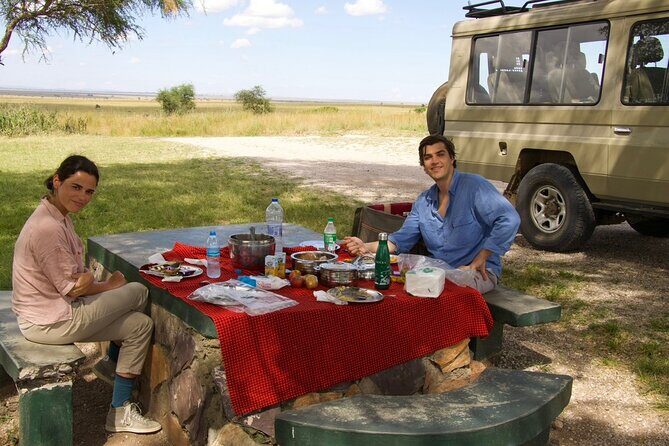
- Lunch, Water, and Staying Sane in the Tanzania Sun
- Timing and Duration: How to Plan Your Day in Moshi
- Who This Tour Suits Best (And Who Might Want a Different Plan)
- Should You Book This Private Kilimanjaro Bike Park Safari?
- FAQ
- What is included in the Private Cycle to Kilimanjaro Bike Park Safari?
- How long does the tour last?
- Is pickup offered, and is it private?
- What should I pay for separately?
- What level of fitness do I need?
- What happens at the end of the ride?
Key highlights worth getting excited about
- Private outing from Moshi with just your group, plus private transportation for the transfers
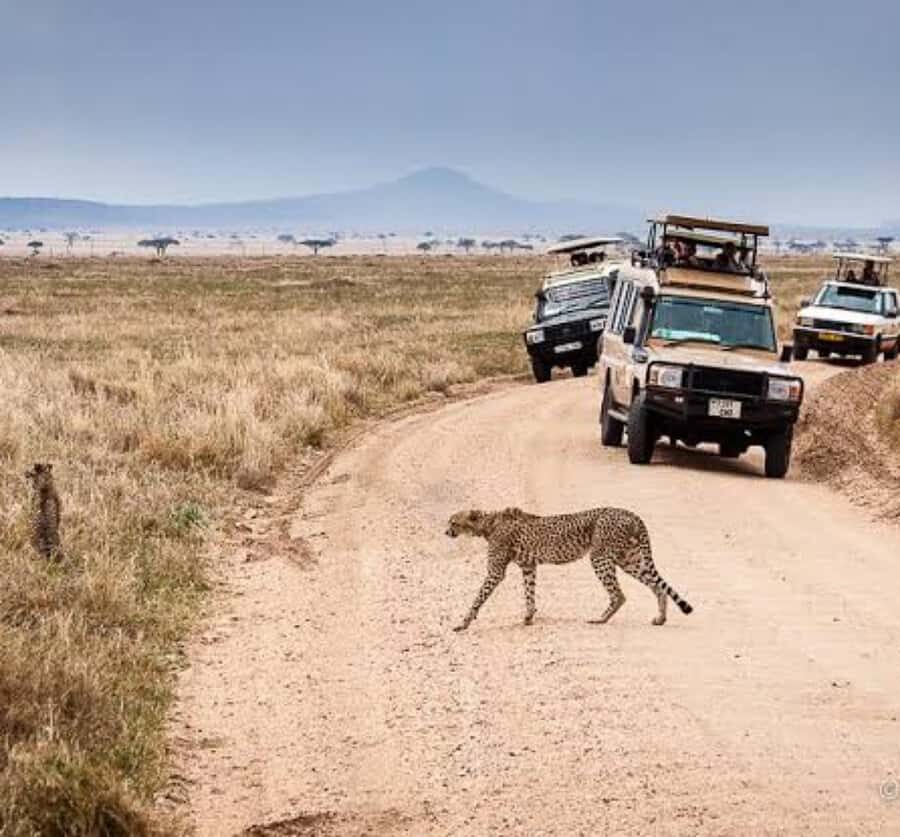
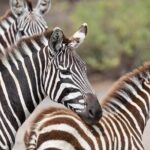
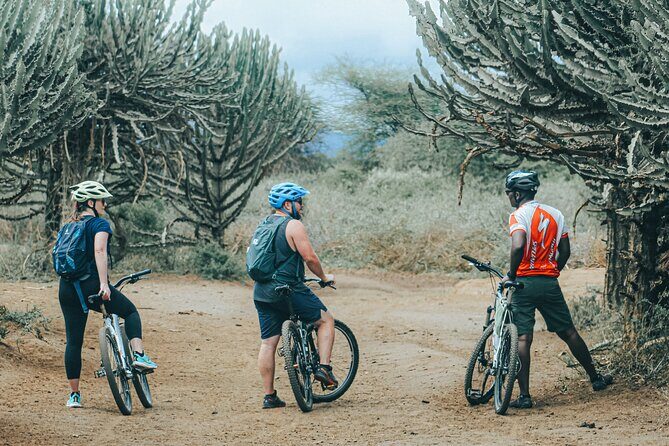
- West Kilimanjaro plains riding with chances to spot zebra, impala, wildebeest, giraffes, and elands
- Culture stops at Tingatinga and around Ngabobo village themes tied to Maasai life
- Bike + helmet + 2L water + lunch included so you can focus on the ride, not logistics
- Guiding that’s meant to be practical thanks to an English-speaking guide and structured stops
- A long, full day on the bike (about 8–9 hours) that rewards stamina and comfort riding rough ground
A Private Cycle to Kilimanjaro Bike Park Safari: What It Feels Like on the Ground
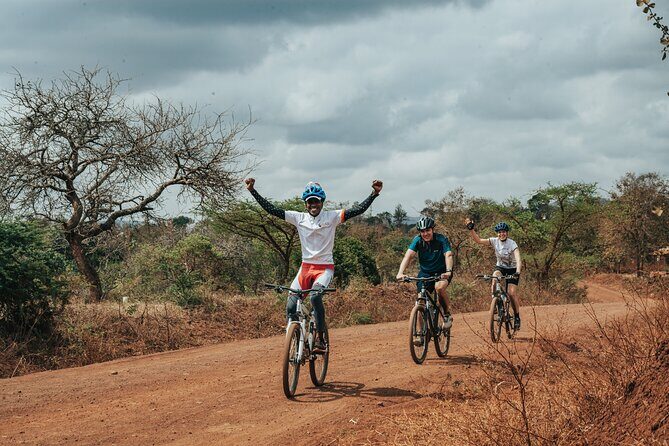
This is the kind of day that stays useful long after you’re back home. You start in Moshi and spend the day cycling through West Kilimanjaro’s open plains where the weather can change fast and the space around you feels endless. On paper, it’s “mountain biking in game reserve areas.” In practice, you’re riding dirt roads, watching for animals, and getting small cultural snapshots along the way.
What makes it especially appealing is that it’s structured like a safari, not a casual ride. You get stops with meaning, then you ride long enough to feel the scenery move past you rather than just crossing it. You also have the advantage of a private setup. That matters because the pace, breaks, and animal-spotting timing can be more flexible when it’s just your group.
You can also read our reviews of more cycling tours in Moshi
Price and What You Actually Get for $250 in Moshi
At $250 per person, this isn’t a budget “rent a bike and pedal around town” outing. But it does price itself more like an all-day guided safari activity.
Here’s the value math that matters:
- Mountain bike and helmet are included, so you’re not hunting gear on arrival.
- Lunch and 2 liters of water per person are included, which is not a small deal in Tanzania heat.
- You get professional English-speaking guiding and private transportation, meaning less time lost to transfers and meeting points.
- The trip is designed for a full 8 to 9 hours, which is long enough to feel like an experience rather than a quick excursion.
What’s not included is also important for planning: tips and personal items are on you, and there’s Osiligilai Masai Lodge admission not included. That means your true out-of-pocket cost could climb slightly depending on how the lodge fee is handled on the day.
If you’re the type who likes a clear plan, the combination of included food, water, gear, and transport makes this one easier to say yes to. If you dislike paying add-ons mid-tour, just budget for that lodge admission piece.
Getting Ready: Fitness, Riding Surfaces, and Comfort
This tour asks for moderate physical fitness and basic bike confidence. “Moderate” here is believable: the itinerary includes multiple hours of riding, and one segment is described as a gradual ascent on a gravel road. Gravel can be tiring because it demands steady balance and constant pedaling effort.
To make the day feel good (instead of just “survivable”), I’d pack and prepare like you’re riding in rougher-than-city conditions:
- Wear shoes you’re comfortable riding in for hours.
- Expect dust and sun. Bring sun protection even if the morning looks mild.
- If you’re unsure about gravel, focus on keeping a smooth cadence and relaxed arms. Tense hands get you nowhere fast.
Also remember this is a private tour/activity. That’s great for tailoring breaks, but it also means you should show up ready to ride rather than hoping someone else carries the workload.
Entering West Kilimanjaro Plains: Stop 1 Tingatinga (Views + Maasai Life)
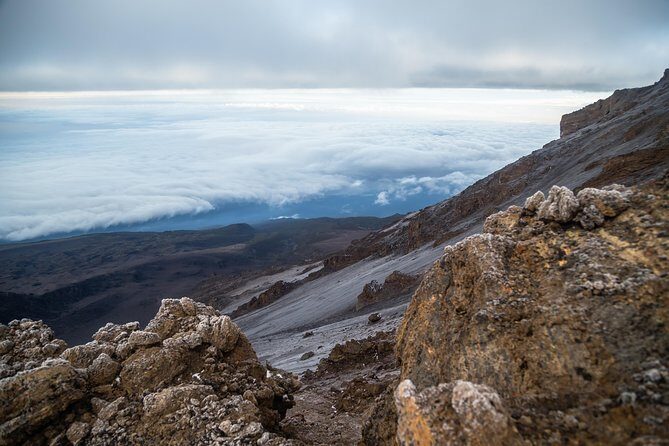
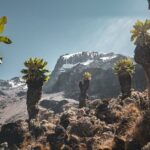
Your day starts at Tingatinga, and this stop is built to get you oriented fast. You’ll move through scenery on the Western Kilimanjaro plains, with views of Mount Kilimanjaro and Mount Meru as part of the atmosphere. That’s not just decoration. When you can see the mountains, the rest of the day makes more sense because you’re riding “around” major landmarks.
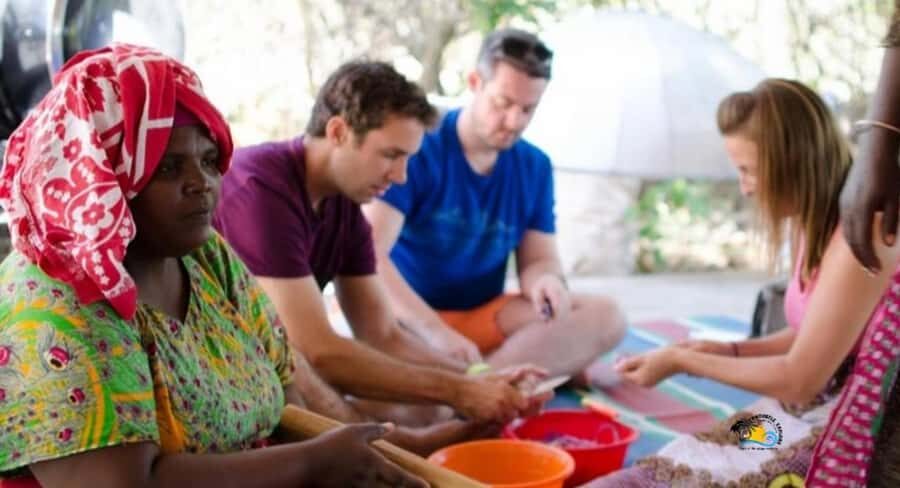
The other half of Tingatinga is culture. You’ll get the history of Maasai people living off the plains with their cattle. This is one of those moments that can become a highlight if you go in curious. Even if you only learn a few details, it changes how you see the open ground you’re riding across.
Practical note: this stop is listed as about 1 hour, and admission is free for this stop. That keeps the schedule from turning into a long waiting game.
Kilimanjaro National Park on the Way In: Stop 2 and the Color of Everyday Life
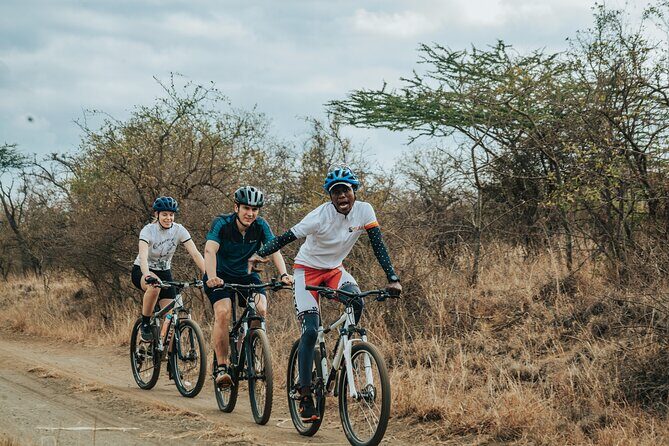
After Tingatinga, the route pushes toward Kilimanjaro National Park. You’ll drive toward the West Kilimanjaro plains first, then start the bike ride. That drive is worth paying attention to. You’ll see locals with colorful dress living on the slopes of Kilimanjaro.
Then the riding begins with an advantage: this segment happens in the lead-up to more wildlife-focused areas. Even if you don’t see animals instantly, the whole day is timed so you’re in the right region when you might spot movement at distance.
This stop is listed at about 2 hours, and admission is free here too. The schedule is designed to keep you active, but you still get a “transitions” window where the day shifts from viewpoint sightseeing to real riding rhythm.
You can also read our reviews of more private tours in Moshi
Osiligilai Masai Lodge and Ngabobo Village: Stop 3 for Wildlife, Arid Ground, and the Big Contrast
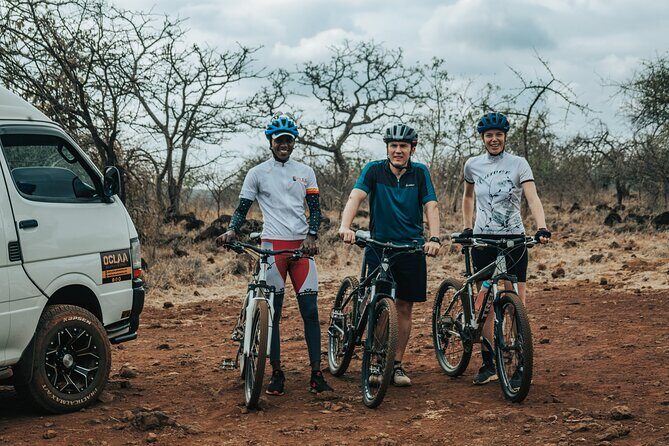
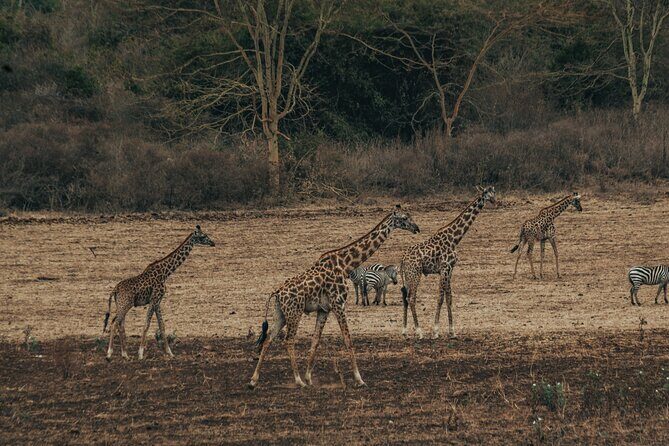
Stop 3 is where the day stretches. You cycle south toward the Ngabobo Village, and the ride changes character quickly. The description calls out the shift from greener Kilimanjaro slopes into dry, arid open grasslands. That contrast is a big part of why this tour feels worth doing. Your eyes adjust, your sense of distance changes, and the types of animals you might notice become different.
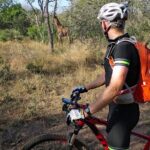
Wildlife you might spot during this section includes wildebeest, giraffes, zebra, and elands. Even if sightings are brief, this is the kind of wildlife setup where you’re looking longer, scanning more carefully, and watching the scene as it unfolds rather than checking a single “must-see” spot.
Later in the route, there’s a gradual ascent on a gravel road as you cycle through Ngabobo village toward Sanya juu, where the tour ends. That final riding piece is the time to keep your energy steady. Gravel climbing tends to punish sloppy pedaling and sloppy breathing, so pacing matters.
About logistics: Stop 3 includes Osiligilai Masai Lodge, and the admission is not included. If you’re trying to avoid surprises, ask your guide how lodge time and any fees are handled in practice before you get too committed to the schedule.
Finally, you’ll be transferred back to your hotel in Moshi. After hours of sun and dust, the return transfer is part of the value. It stops the day from turning into more waiting.
The Guide and the Support Car Factor (Why It Matters)
This kind of safari bike day works because someone understands two things at once: how to guide the riding and how to guide the safari element.
A professional English-speaking guide helps with:
- finding the best moments for animal viewing
- keeping the route moving without turning it into a slow grind
- managing timing across long stretches
In the feedback associated with this company, I’ve seen praise for guides like Roger and Rashid, and also Octavian and Herman for biking and guiding on similar trips. One recurring theme is professionalism. Another is real support in the background. For example, some rides include a support vehicle following behind during cycling. That matters because it gives you a safety net if conditions change, and it also makes the day feel more controlled.
You can treat that as a good sign, even if your exact setup varies on the day.
Lunch, Water, and Staying Sane in the Tanzania Sun
If you take only one practical lesson from long cycling safari days, it’s this: hydration and food are not optional. Here, lunch is included, and you get 2 liters of water per person. That removes two big points of stress.
Still, don’t treat water as magic. Use it like a tool:
- sip regularly rather than chugging at one moment
- save energy by not letting thirst turn into fatigue
Also, cycling in this region means you’re likely dealing with dust and sun. Even if the morning feels comfortable, conditions can get stronger. Bring a hat or cover for your face and a layer for your neck if you burn easily.
Timing and Duration: How to Plan Your Day in Moshi
The ride is listed as 8 to 9 hours. That’s a full day, so plan accordingly:
- avoid scheduling anything intense immediately afterward
- give yourself time to shower, eat, and recover
Because it’s private, you’re not juggling multiple groups’ timing. On the flip side, you should arrive ready. The tour is built around riding time and short stops. If you show up late or underprepared, you’ll feel it.
Also, confirmation is received at booking, and you may get a mobile ticket. That’s helpful because you can keep everything on your phone instead of juggling paper.
Who This Tour Suits Best (And Who Might Want a Different Plan)
This is a great fit for people who:
- are reasonably fit and comfortable cycling for hours
- want wildlife chances without doing a full vehicle safari day
- like a mixed day of scenery, animals, and culture
It’s also a strong choice if you prefer your group size small. Being private means you’re not negotiating around a big crowd’s pace.
Who might hesitate:
- If gravel climbs wear you out quickly, you’ll want to judge whether moderate fitness matches your real-world stamina.
- If you hate uncertainty about added fees, remember Osiligilai Masai Lodge admission is not included.
Should You Book This Private Kilimanjaro Bike Park Safari?
I’d book it if you want a day that feels active and real, with a safari mindset and real riding time. The included bike, helmet, lunch, and 2 liters of water make it good value for an all-day guided outing, and the itinerary gives you both animal-search time and culture context.
Before you commit, check two things:
- Can you handle a longer gravel road section with a gradual ascent?
- Are you comfortable budgeting for Osiligilai Masai Lodge admission on top of the base price?
If yes, you’re likely to love the core experience: cycling through West Kilimanjaro plains, scanning for wildlife, and getting a view of how people live on the edges of the mountains.
FAQ
What is included in the Private Cycle to Kilimanjaro Bike Park Safari?
The tour includes lunch, all fees and taxes, private transportation, a mountain bike and helmet, 2 liters of water per person, and a professional English-speaking guide.
How long does the tour last?
Plan for about 8 to 9 hours.
Is pickup offered, and is it private?
Yes, pickup is offered, and it’s private, meaning only your group participates.
What should I pay for separately?
Tips and personal items are not included. Also, Osiligilai Masai Lodge admission is not included.
What level of fitness do I need?
It’s listed for travelers with moderate physical fitness. The ride includes multiple hours of cycling and includes a section with a gradual ascent on gravel.
What happens at the end of the ride?
You’ll end at Sanya juu and then be transferred back to your hotel in Moshi.