REVIEW · MOSHI
Chagga Villages in Mount Kilimanjaro Cycling Day Trip
Book on Viator →Operated by One Bike Tanzania · Bookable on Viator
Pedal through Chagga farms and village life. I love the Chagga villages stop-by-stop stories and the private guide attention, plus the mix of smooth tarmac and dirt roads. The only catch: you’ll want moderate fitness for the gradual climb toward Kibosho.
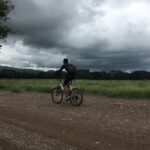
You start in Moshi at 8:30 am and ride roughly 39 km over about 5 to 7 hours, with bottled water, lunch, and bike gear included. It’s a day trip that feels practical and real—less staged, more village life—while Mt. Kilimanjaro hangs in the background like a silent co-pilot.
In This Review
- Key Things I Think You’ll Notice
- Kilimanjaro’s Base Isn’t Just a View
- From One Bike Shop to a Full Day (8:30 Start, 39 km Ride)
- Moshi’s Shanty Town Start: The Morning Reality Check
- Kibosho Village Climb: Where Moderate Difficulty Becomes Real
- Banana and Coffee Fields: Mixed Farming You Can See
- Lunch at a Local Restaurant: Fuel Without Losing the Day
- Flora, Fauna, and the Slow-Down Moments
- Gear, Helmet, and Guide Styles That Matter
- Price and Value: What $101.54 Buys You in Real Terms
- Weather, Timing, and How to Prep Without Stress
- Who This Tour Fits Best
- Should You Book the Chagga Villages Cycling Day Trip?
- FAQ
- How long is the Chagga Villages cycling day trip?
- What distance will I cycle?
- Is the ride easy or hard?
- Where does the tour start and where does it end?
- What time does the ride begin?
- What is included in the price?
- What should I budget for that is not included?
- What happens if the weather is bad?
Key Things I Think You’ll Notice
- Private guide pacing that actually matches your legs, not a fixed group tempo
- Coffee and banana farms that show how mixed farming supports families year-round
- Tarmac-to-dirt cycling so you’ll get variety without technical mountain-bike chaos
- A proper local lunch included, rather than a snack-and-go break
- Flora and fauna spotting as you slow down for the small stuff
Kilimanjaro’s Base Isn’t Just a View
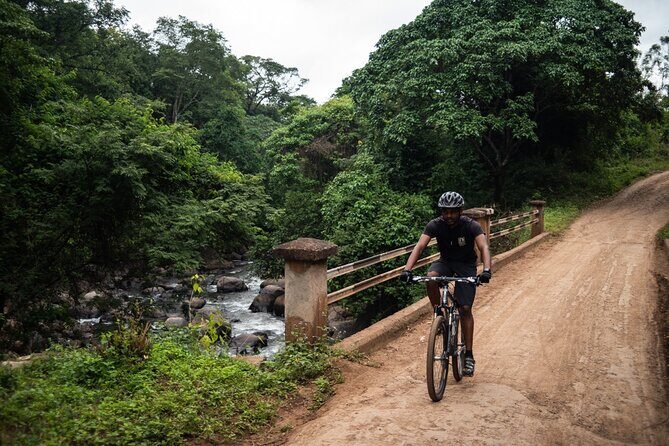
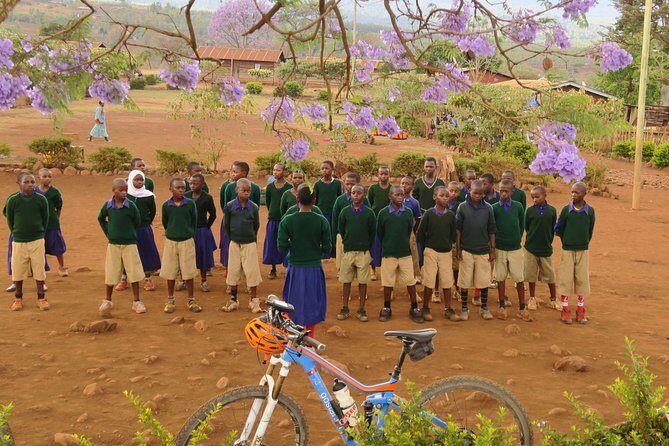
This ride is about more than scenery. You’re biking around the villages at the base of Mt. Kilimanjaro, where the Chagga way of life is tightly connected to what grows nearby. As you pedal through farming areas and village streets, you’re not just passing through—you’re seeing how land gets used, shared, and managed so food keeps coming across the seasons.
One of the best parts is how the farming looks up close. Banana plots and coffee areas aren’t abstract “tour stops.” They’re real workspaces, stitched into daily routines. Your guide explains what mixed farming means in practice—how families use a small piece of land to produce food for their households all year long.
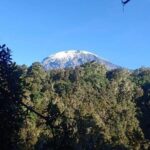
The ride also gives you a sense of scale. Mt. Kilimanjaro is right there as a backdrop, but the day is mostly about people and their work. That balance is what makes this tour click: you get outdoors time, plus genuine context about the local community.
You can also read our reviews of more cycling tours in Moshi
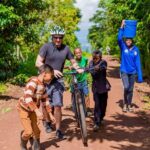
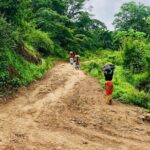
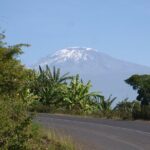
From One Bike Shop to a Full Day (8:30 Start, 39 km Ride)
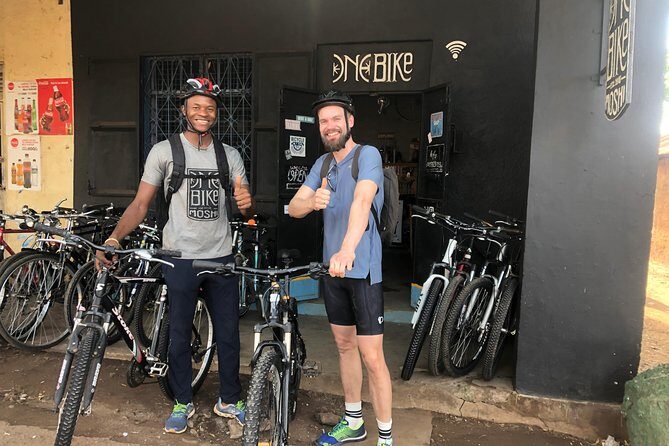
The tour begins at One Bike Shop on MoshiMailimoja Rd. You’ll meet in the morning and the activity ends right back at the same meeting point, so you don’t need to worry about transportation after you’re finished.
The timing is built around a full ride day:
- 5 to 7 hours total
- About 39 km distance
- Moderate difficulty
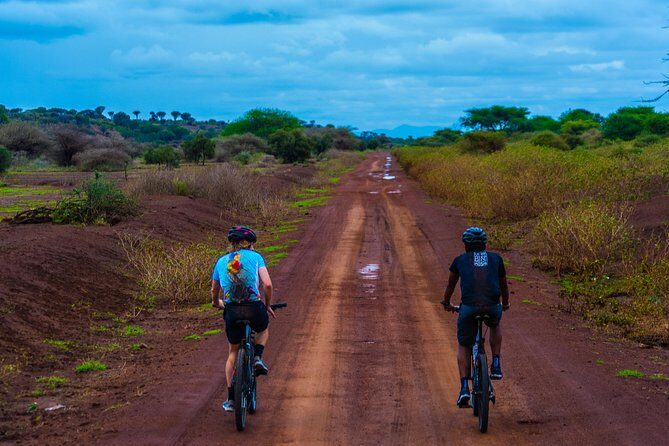
- Tarmac and dirt road mix
That “moderate” label matters. This isn’t an all-day gravel grinder, but it isn’t a flat stroll either. Expect gradual climbing and sections where the dirt road can feel less predictable under tire. It’s the kind of ride where you’ll earn your breath, then cool down with scenery and village stops.
Also, this is a private tour, meaning it’s only your group. If you want slower pacing, photo stops, or more questions about daily life, you’re not getting squeezed into a big scramble.
And yes, the small details help: bottled water is included, and you’ll also get lunch. That makes it easier to keep moving without playing the guessing game with food options later.
Moshi’s Shanty Town Start: The Morning Reality Check
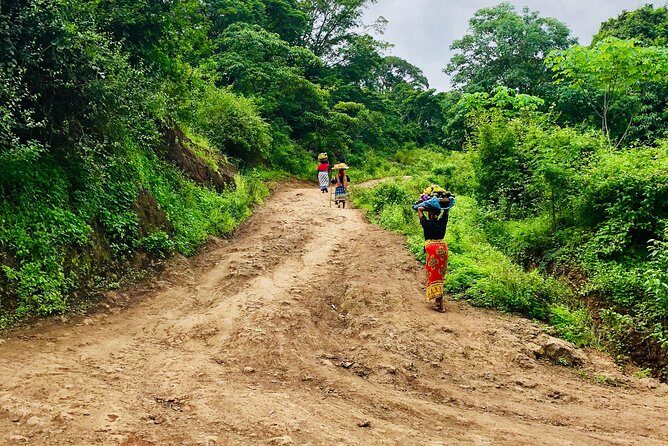
Your ride begins in Moshi and heads toward Moshi’s Shanty Town area on relatively flat terrain. This is a smart way to start. You get your legs warmed up and your bike rhythm set before the roads start asking more of you.
What I like about starting this way is that it’s not a “stage door to the countryside.” You see the town’s lived-in edges before you head north into farming country. It’s a reminder that these village routes aren’t isolated from daily city life—they’re connected.
Flat ground early on also helps your guide adjust pacing. If you’re new to biking or you’re just getting comfortable with the feel of cycling on mixed surfaces, you’ll have a chance to settle in. One reason this tour earns such a strong rating is that the guides don’t rush you through the hard parts. If you need extra time, they notice.
One practical note: since the ride begins in town, bring whatever you need for a morning start in Tanzania—comfortable cycling clothes, sunscreen, and weather-ready gear. You’ll be on the bike for hours, not just for a quick loop.
Kibosho Village Climb: Where Moderate Difficulty Becomes Real
After the flatter start, you’ll head north on a gradual climb toward Kibosho village. The road gets steeper toward the end of the climb, and that’s where the “moderate” difficulty becomes noticeable.
This is the part of the day where your technique and pacing matter more than speed. A smooth, steady effort tends to work better than pushing too hard early. Since your ride is guided, you can ask for a pace that feels sustainable. In fact, some people specifically call out how guides checked in during tougher sections and adjusted the rhythm to keep them comfortable.
If you’ve done cycling before, you’ll likely feel confident here. If you haven’t, you still can do it—but be honest about your experience. The route is long enough that a mismatch between your expectations and your fitness can turn the ride into an unintended workout.
The payoff is that the climb isn’t happening in a vacuum. You’re moving through areas tied to Chagga farming and village life. That means when the slope bites, you’re not just grinding on road. You’re on the way to more meaningful stops, with the guide shaping what you notice along the route.
Banana and Coffee Fields: Mixed Farming You Can See
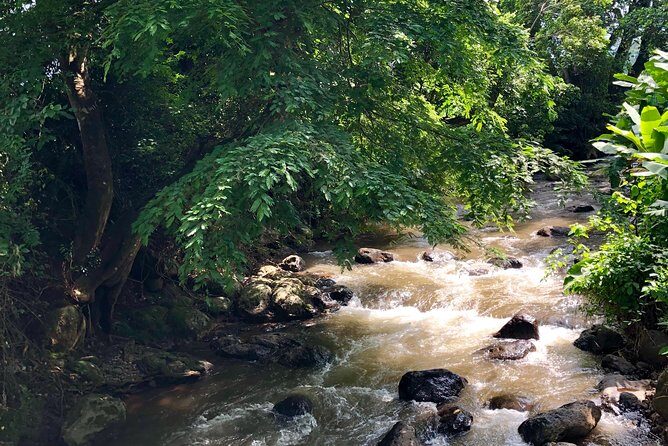
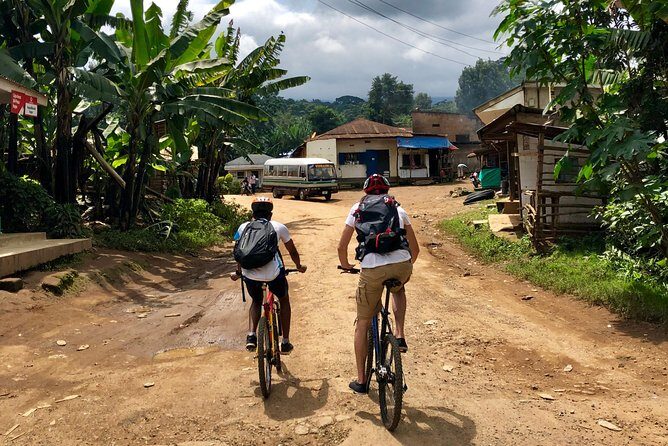
The heart of this day trip is the cycle through Chagga villages and the surrounding farming areas—especially banana and coffee. These aren’t random fields you pass by at high speed. The tour is structured so you can slow down and make sense of what you’re seeing.
Your guide explains how people manage small plots and use mixed farming to keep food available across the year. In practical terms, it’s the kind of system where more than one crop matters, and where your food supply isn’t dependent on a single harvest. That’s a big deal when you’re living close to nature’s schedule.
As you ride, look for the details your brain might otherwise skip:
- How different crops occupy space side-by-side
- How paths connect fields to homes and community areas
- Signs of ongoing care—pruning, tending, and routine work
Your guide’s explanations help you connect those details to everyday life. And if you’re interested in how people adapt to their environment, this is one of those days where the information lands because you’re seeing it firsthand.
This is also where Mt. Kilimanjaro becomes more than background. When you catch views in breaks between road segments, you understand why these villages sit where they do, and why farming around the mountain is such a central part of local life.
A few more Moshi tours and experiences worth a look
Lunch at a Local Restaurant: Fuel Without Losing the Day
A highlight built into the tour is lunch at a local restaurant. It’s included, and that changes the whole day. You aren’t hunting for food between villages or rushing through a meal just to catch the next pedal segment.
This lunch stop also supports the tour’s main goal: understanding daily life. You’ll get a break from the road, eat something locally served, and then return to the bike with better energy for the remaining ride.
Timing is typically important on cycling days. If you try to eat too early or too late, you can feel off—either heavy or under-fueled. Having lunch handled means you can focus on the ride rather than logistics.
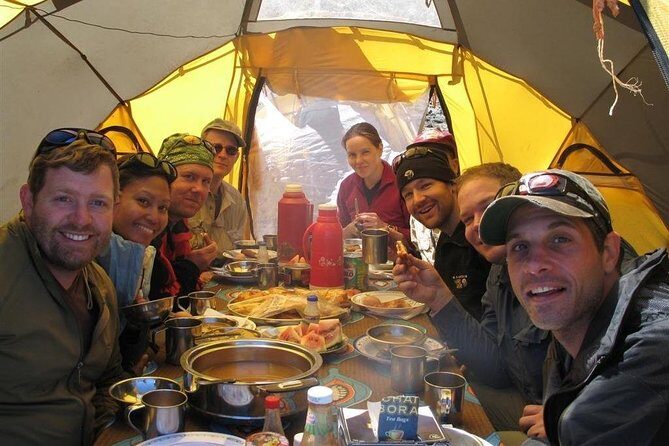
Another practical benefit: the lunch break tends to create a natural point for conversation. If you want to ask more about farming practices, village life, or what you’ve been seeing along the way, lunch is an easy moment to do that. You’re not just consuming food—you’re continuing the cultural learning in a relaxed setting.
And yes, bring water awareness too. Bottled water is included, but you’ll still want to sip consistently, especially if the day is warm.
Flora, Fauna, and the Slow-Down Moments
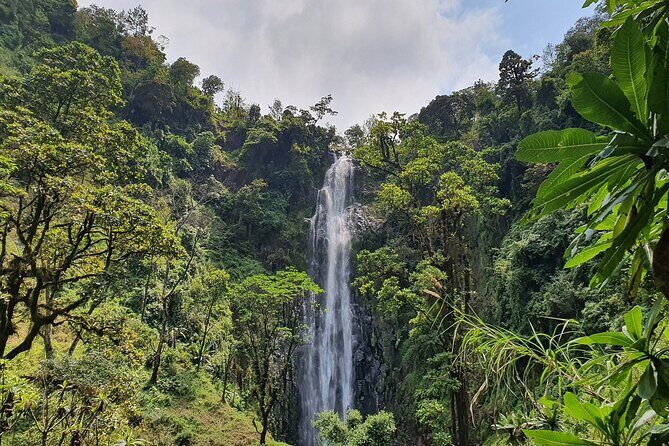
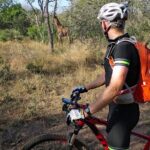
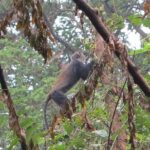
The tour isn’t framed as a wildlife safari, but it does encourage you to keep your eyes open for local flora and fauna. Cycling gives you speed, yet village routes also create those natural pauses—slow turns, stop points, and guided explanations where you can notice small things.
This is a good style of sightseeing if you don’t want constant “look here” pressure. Your guide isn’t just reciting facts. They’re guiding your attention so you actually register what’s around you.
In places like banana and coffee areas, plants are part of the story. You’ll likely notice how certain plants grow in patterned rows, how shade affects undergrowth, and how land use shapes what grows where. As for fauna, it’s more about the chance sightings—birds, insects, and the everyday movement of a living rural environment—than any guarantee of a specific animal.
If you like photography, this is also a better setup than a fast drive-by. You can stop when you need to, and you’re at the right human scale to capture faces, fields, and road textures without feeling rushed.
Gear, Helmet, and Guide Styles That Matter
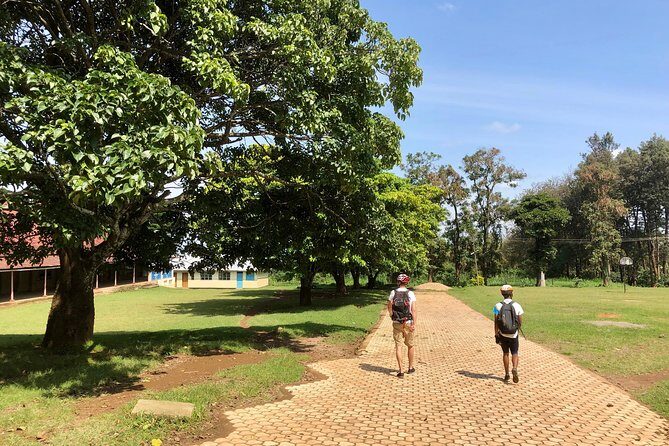
You’re provided with a mountain bike and a helmet. That’s a big value point because it removes a lot of uncertainty. You don’t need to rent gear elsewhere or wonder if the bike will fit your comfort level.
The guide matters just as much as the bike. People repeatedly mention how guides—like Roger and Dennis—were patient and made sure riders were okay when the ride turned more strenuous. That’s not just “nice customer service.” On a longer moderate route, a guide who checks on you can make the difference between enjoying the day and suffering through it.
Here’s what that personalized attention looks like in real life:
- You ride at a pace that fits your ability
- You get support during steeper or tougher segments
- You can ask questions without feeling like you’re slowing everyone down
Since this is a private tour, your experience should feel adjustable. If you want time to look at coffee plants or you’re curious about how families use land, your guide can shift the emphasis. If you’re more focused on the cycling workout, you can keep moving and still learn what you’re passing.
Also, because the tour is English speaking, you’re not left guessing. You’ll get direct explanations about what you’re seeing, not just generic signage.
Price and Value: What $101.54 Buys You in Real Terms
The price is $101.54 per person, and it’s worth evaluating what’s included rather than just the sticker number.
Included in the tour:
- Lunch
- Mountain bike and helmet
- Bottled water
- All fees and taxes
- English speaking cycling guide
Excluded:
- Alcoholic beverages and soda/pop
- Private transportation
- Tips to the guide(s)
That mix makes the tour feel like a “turnkey day.” For many people, the biggest hidden cost on bike days is gear plus food plus guide time. Here, those are bundled. You’re also protected from the common travel problem where you arrive and realize you still need to pay separately for basic essentials.
One more value angle: the tour’s strong ratings and 100% recommendation rate suggest the experience hits the mark consistently. And when a guide adjusts pace and checks comfort during tougher road stretches, that’s the kind of quality that shows up in reviews.
If you’re budgeting, I’d plan for drinks beyond bottled water, plus a tip if you feel the guide earned it. Since alcohol and soda aren’t included, decide what you want before the ride so you’re not caught short later.
Weather, Timing, and How to Prep Without Stress
This experience requires good weather. If it’s canceled due to poor weather, you’ll be offered a different date or a full refund. So keep an eye on the forecast and don’t treat the ride as an untouchable fixed event.
You’re starting at 8:30 am, so plan to be at the meeting point on time. Since the activity ends back at the same place, your day is neatly contained. That’s helpful when you’re staying in Moshi and trying to schedule other Kilimanjaro activities.
Also, the tour uses a mobile ticket, and confirmation happens at booking. It’s one of those setups that tends to reduce friction when you’re already on the move.
What to bring (basic, but important):
- Sunscreen and a hat for morning-to-midday sun
- Light layers in case temperatures shift
- Comfortable cycling clothing and closed-toe shoes
- A way to keep your phone safe and dry, since you’ll be on dirt roads
If you have moderate fitness and some cycling comfort, you’ll likely enjoy the day more. If you don’t, still consider it—but be clear with yourself about whether a moderate, 39 km ride will feel manageable.
Who This Tour Fits Best
This is a great match for you if you want:
- A day trip that mixes culture with active travel
- A guided route that shows you what you’re actually seeing
- A cycling experience that doesn’t require technical mountain-bike skills
It also works well if you’re coming to Moshi with limited time. You get a full morning and afternoon of meaningful exploring without needing a multi-day plan.
It may not be the best fit if:
- You want only flat terrain
- You prefer zero physical challenge
- You don’t enjoy cycling on mixed surfaces
But if you’re honest about your ability, and you go in with the understanding that this is moderate effort with rewarding village stops, you’ll have a day that feels grounded and human.
Should You Book the Chagga Villages Cycling Day Trip?
I’d book it if you like doing more than taking photos. This is one of those days where the activity—cycling—creates the pace for real conversation and real observation. The combination of coffee and banana farming, village storytelling, and a guide who keeps an eye on your comfort is what makes it genuinely worth your time.
If you want a quick, scenery-only pedal, you might be a little disappointed. But if you want to understand how families manage small plots, what daily work looks like, and how Kilimanjaro sits in the background of everyday life, this ride gives you that in an efficient, practical way.
FAQ
How long is the Chagga Villages cycling day trip?
It lasts about 5 to 7 hours.
What distance will I cycle?
You’ll ride approximately 39 km.
Is the ride easy or hard?
The difficulty is listed as moderate, with a route that includes both tarmac and dirt roads.
Where does the tour start and where does it end?
It starts at One Bike Shop on MoshiMailimoja Rd in Moshi and ends back at the same meeting point.
What time does the ride begin?
The start time is 8:30 am.
What is included in the price?
Lunch, mountain bike and helmet, all fees and taxes, bottled water, and an English speaking cycling guide.
What should I budget for that is not included?
Alcoholic beverages, soda/pop, private transportation, and tips to the guide(s) are not included.
What happens if the weather is bad?
The experience requires good weather. If it’s canceled due to poor weather, you’ll be offered a different date or a full refund.