REVIEW · MOSHI
Kilimanjaro climb, Northern Circuit route (8-day)
Book on Viator →Operated by Altezza Travel · Bookable on Viator
Few people climb this way.
That’s why the Northern Circuit feels more like remote wilderness than a crowded stampede. I like that this newer, longer route is built for acclimatization, with long views over Kilimanjaro’s northern slopes and a summit push that benefits from days spent gaining altitude slowly.
I especially liked two things. First, the safety setup is concrete, not vague: certified Wilderness First Responder guides, medical check-ups, and even oxygen tanks and altimeters on the mountain. Second, the pace plan makes sense: early days keep altitude gains modest (Shira 1 to Shira 2, then Lava Tower timing), and later days give you a chance to settle before the summit night.
One drawback to keep in mind: this is still high-altitude work. Even though the technical hike isn’t described as hard, the summit night starts around midnight and the biggest challenge is altitude—so you’ll need to take pacing seriously and plan for a tough long day, especially on the descent.
In This Review
- Key highlights worth knowing before you go
- Moshi base and the Aishi Machame Hotel reset
- Getting to the mountain: Londorossi Gate and the Shira start
- Acclimatization rhythm: Shira 1 to Shira 2 to Lava Tower
- Northern slope travel: Moir Hut to 3rd Cave and views toward Kenya
- Summit preparation at School Hut: pacing, rest, and fluids
- Summit night to Uhuru Peak, then descent to Millennium Camp
- Final descent to Mweka and the certificate moment
- Price and value: what $4,010 covers (and why that can matter on Kili)
- Who this Northern Circuit fit is for (and who should think twice)
- Should you book this Kilimanjaro Northern Circuit with Altezza?
- FAQ
- How many days is the Kilimanjaro Northern Circuit trek with this program?
- Where does the tour start and do you pick up from the airport?
- What is the summit elevation on this route?
- What hotel is included before and after the climb?
- Are meals included, and can you handle dietary needs?
- Is medical support included on the mountain?
- How are tents handled during the trek?
- What gear do I need to bring?
- Is tips or travel insurance included in the price?
- Is the cancellation policy flexible?
Key highlights worth knowing before you go
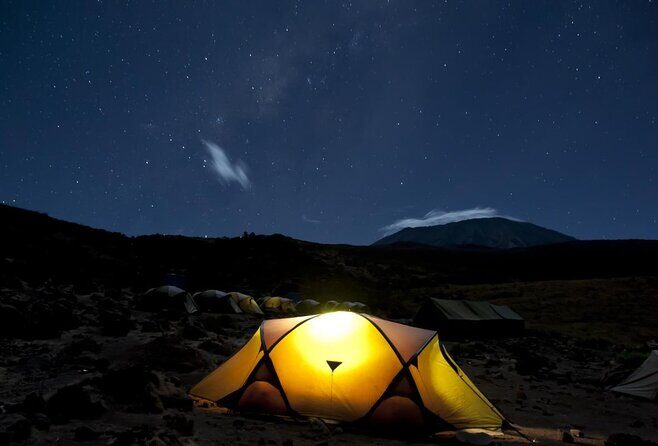
- Less crowded northern-route trekking: a newer trail that’s often quiet, great if you want space and wild-country vibes
- Acclimatization built into the route: Shira Plateau days plus deliberate time at higher points like Lava Tower
- Guides closely assigned for summit safety: one guide per every two climbers during the Uhuru Peak (5,895 m) push
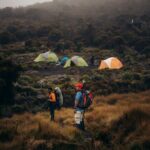
- Practical comfort included: North Face VE-25 tents, hot drinks, and three meals a day with multiple dietary options
- You’re not just dropped off: JRO pickup/drop-off, medical kits, and certificates when you exit at Mweka
Moshi base and the Aishi Machame Hotel reset
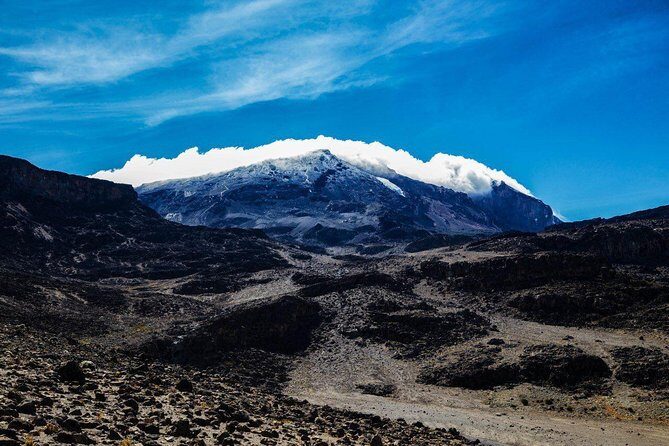
Most Kilimanjaro climbs start with a scramble. This one starts calmer. You land at Kilimanjaro International Airport (JRO), meet an Altezza Travel representative, and get transferred to the hotel for an easy check-in and briefing. Check-in starts at 2:00 PM, and you’ll get that key intro talk from the team managers so you know how your climb day will run.
A big practical win here is what the hotel does for you the night before the trek: hot water, Wi-Fi, and a swimming pool. That matters because you’re not just sleeping—you’re getting your head and body ready. You also get direct communication from the company’s managers before you drive to the park gate.
Another small but useful point: the included hotel stay is part of the package (two nights at Aishi Machame Hotel). That reduces decision fatigue, like figuring out where to sleep while your luggage is half-packed and your brain is half-on Kilimanjaro.
You can also read our reviews of more tours and experiences in Moshi.
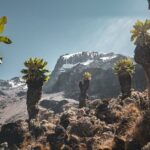
Getting to the mountain: Londorossi Gate and the Shira start
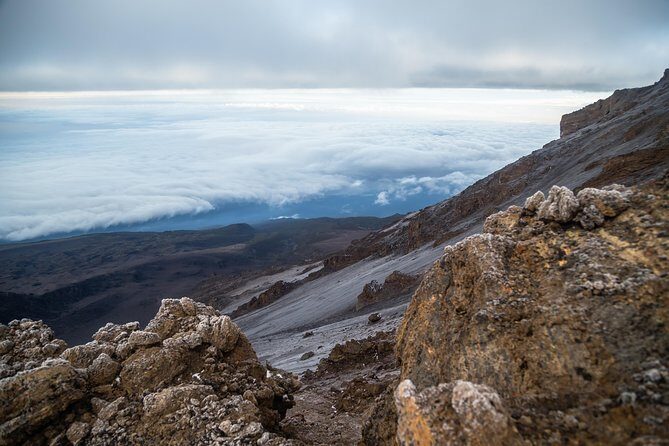
On the main trail day, you’ll meet the guide and support crew at the hotel, then drive about 3–4 hours to the national park’s western entrance: Londorossi Gate (2,200 m). You handle permits and register with search and rescue service before you start climbing for real.
Then comes the off-road vehicle transfer. You’re driven up to around 3,500 m and dropped at the route start point, which helps you begin the trek at a more appropriate altitude. And right away, you get those early “wait, this is real” views—your first glimpse of the Shira Plateau.
From there, Day 2 is described as gentle. The move from the drop-off area toward Shira 1 involves a small altitude gain and isn’t physically demanding. If you’re prone to going out too fast in the first day (most of us do), this is a route that gives you a chance to settle into the rhythm early.
Acclimatization rhythm: Shira 1 to Shira 2 to Lava Tower
Days 3 and 4 are where the Northern Circuit makes its case. You gain altitude in measured steps rather than jumping straight to the hardest terrain. From Shira 1 to Shira 2, the itinerary calls for another modest gain (about 300 m). This is the kind of pacing that helps reduce altitude stress and keeps your hike from turning into a suffering contest.
What you do with that extra time matters. You’ll have room to enjoy the flora and, when weather cooperates, you can catch views toward Mount Meru (listed as the 5th-highest mountain in Africa). Even if Meru isn’t visible, those slower hours let you learn how your breathing and energy feel at altitude—useful knowledge for what comes later.
Next up is Lava Tower. After lunch and a rest period, the route includes an acclimatization walk and another 300 m gain. Then on the following day, you move from around 3,900 m at Shira Camp toward Lava Tower (4,630 m). The trade-off is that this section has more ups and downs, and it can bring discomfort.
Here’s a detail I really respect: the plan builds in time for your body to adapt. You’ll spend one or two hours at higher altitude for proper acclimatization, and lunch happens at Lava Tower itself. Also, your guide may decide to bypass Lava Tower and take a porter trail if someone in the group needs more adjustment. In that case, the highest altitude reached could be about 4,400 m instead of 4,630 m.
That flexibility is valuable. You don’t want a rigid plan that forces everyone onward no matter how someone’s feeling.
Northern slope travel: Moir Hut to 3rd Cave and views toward Kenya
After Lava Tower, you descend to Moir Hut Camp, with afternoon terrain described as climbing slightly before dropping. This is where the walking can feel long because the day is broken into changing gradients—less “steep up” and more “work all day.”
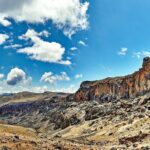
Day 5 shifts gears to a long but easier trek. You go around the northern slope of Kilimanjaro, with a pattern of highs and lows but without steep altitude gains. There’s also a geographic treat: the route passes close to the border with Kenya, and you’re treated to views toward the Tsavo and Amboseli Valleys.
If you like being outside without constantly fighting steep climbs, this is one of the best-feeling days. Also, those changing valley views help break up the monotony of staring at one ridge line.
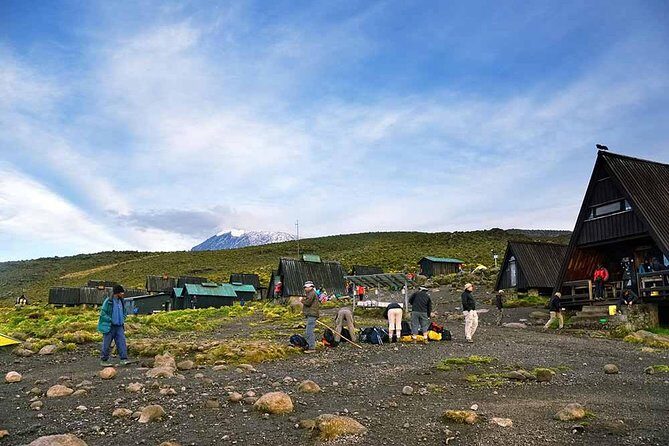
By Day 6, you stop for the night at 3rd Cave Camp, where the Northern Circuit meets the traditional Rongai route. The walk is shorter, and by this point the itinerary frames it as a body-and-mind reset: you’ve already acclimatized around 4,000 m, which should make you feel better in general.
Summit preparation at School Hut: pacing, rest, and fluids
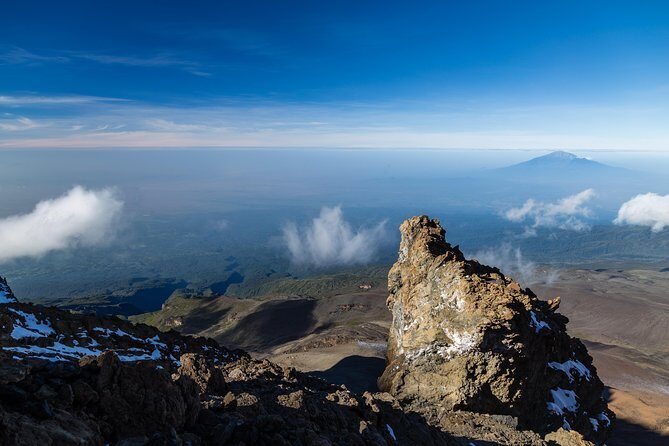
Day 7 is the setup day for the big night. You trek to School Hut Summit Camp (4,750 m). The description says the actual hike isn’t very hard, but it’s still a high-altitude move—so pacing is everything.
The best advice given for this kind of summit-window day is practical: once you reach camp, sleep well, avoid strenuous activity, and drink as many fluids as you can. That’s not motivational fluff; it’s the simplest way to improve your chances when the body is already under stress.
You’ll also notice how the logistics in this climb aim to protect you from common summit-day mistakes. A lot of climbs fail because people treat Day 7 like a victory lap. This one basically tells you to go quiet and conserve energy.
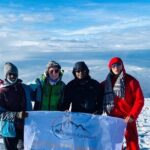
Summit night to Uhuru Peak, then descent to Millennium Camp
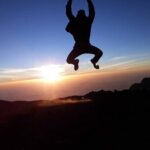
Summit night is the heart of the story. The climb starts at School Hut around midnight. Technically it’s described as relatively easy, but high altitude makes it hard in a different way—breathing, pacing, and staying calm when the effort becomes punishing.
This is also where the safety assignment becomes serious. One guide is nominated per every two climbers, focused specifically on monitoring clients’ health on the way to Uhuru Peak (5,895 m). That matters because altitude problems can escalate quickly, and you don’t want your guide juggling too many people at once.
There’s even an optional extra: a walk onto the nearest glacier is possible after successful summiting. Whether you can do it depends on conditions and how you’re feeling, but the option is built into the plan.
Then you descend. The itinerary frames descent as the risk window: it notes that 9/10 accidents occur during descent, so you’ll want to be careful with footing and avoid falls or toe injuries. After the summit, you return to Barafu Camp for a two-hour lunch and rest, then finish the day at Millennium Camp (3,820 m).
One nice detail: Millennium Camp sits in a tropical rainforest. That means less harsh-feeling conditions compared with the highest zones, and it gives you a psychological exhale after the hard part.
Final descent to Mweka and the certificate moment
Day 9 brings a hot breakfast and a steady final descent. You’ll hike down to Mweka exit gate (1,650 m) and then drive to the offices to receive your accomplishment certificates. This is a small ceremony, but it’s also a real moment to reconnect with the support team and recap how the climb went—especially if you had rough patches along the way.
After that, you transfer back to the hotel for rest. If you’re the type who needs a wrap-up ritual (I am), this part helps close the loop.
Day 10 is straightforward: rest in the hotel and transfer to the airport. Hotel check-out is at 11:00 AM, with an option for late check-out for an extra fee if you have an evening flight.
Price and value: what $4,010 covers (and why that can matter on Kili)
At $4,010 per person, this isn’t a budget gamble. The value is in what’s included and what that prevents you from having to chase last-minute.
Your package includes:
- Two nights in Aishi Machame Hotel (2 guests per room, except solo climbs)
- JRO pickup and drop-off
- All Kilimanjaro National Park fees
- Certified Wilderness First Responder guides
- Oxygen tanks and altimeters, plus medical kits and medical check-ups
- Porters, camp masters, and cooks
- North Face VE-25 tents (2 hikers per tent, except solo climbs)
- Three meals a day with meal plans for vegetarian, vegan, lactose-free, gluten-free, halal, and more
- Drinks on Kilimanjaro (tea, coffee, juices, soda, etc.)
When you’re spending long hours at extreme altitude, those items stop being “nice extras.” Oxygen tanks, oxygen monitoring tools (altimeters), and trained medical-response leadership can be the difference between a manageable setback and a bigger crisis.
The main money gaps to plan for are also clear: tips for the crew (optional), mountaineering insurance (recommended and not included), visa fee, and the costs of getting to Tanzania. You’ll also need personal gear like hiking boots and a sleeping bag; the tour notes personal gear can be hired if you don’t want to pack it all.
Who this Northern Circuit fit is for (and who should think twice)
This climb suits you if you:
- Want a longer, newer route with excellent acclimatization chances
- Prefer a less crowded trail where you can focus on the climb and the views
- Like having logistics handled: tents, meals, crew, medical setup, and airport transfers
- Are at least at moderate physical fitness and ready for long days and altitude pacing
You might think twice if you:
- Hate the idea of a summit push that starts around midnight
- Are expecting a short, relaxed hike rather than a real high-altitude trek
- Want a very social, crowded trail atmosphere (this one is described as hard to crowd)
Should you book this Kilimanjaro Northern Circuit with Altezza?
If your top priority is acclimatization quality plus a safety-first crew, I’d seriously consider it. The structure is built around gradual altitude gains, and the summit night staffing (one guide per two climbers) plus oxygen and medical resources makes the plan feel more solid than “hope and vibes.”
I’d book especially if you like the idea of spending eight days moving through remote northern-country scenery with fewer other trekkers around. If you do book, prep smart: train for long hiking days, arrange proper mountaineering insurance covering up to 6,000 m, and don’t underestimate how much care the descent will require.
FAQ
How many days is the Kilimanjaro Northern Circuit trek with this program?
The climb is at least eight days, and the full experience runs about 10 days including hotel stays and transfers.
Where does the tour start and do you pick up from the airport?
You’ll start from Moshi area with a schedule that includes a 9:00 am start time, and the program includes JRO (Kilimanjaro International Airport) pick-up and drop-off.
What is the summit elevation on this route?
The summit is Uhuru Peak at 5,895 m.
What hotel is included before and after the climb?
Two nights are included at Aishi Machame Hotel (with check-in starting at 2:00 PM on arrival day, and check-out at 11:00 AM on the final day).
Are meals included, and can you handle dietary needs?
Yes. You get three meals a day while on Kilimanjaro, with options for vegetarian, vegan, lactose-free, gluten-free, halal, and other meal plans. Drinks are also included (tea, coffee, juices, soda, etc.).
Is medical support included on the mountain?
Yes. The program includes medical kits and medical check-ups, plus oxygen tanks and altimeters. Guides are certified Wilderness First Responder.
How are tents handled during the trek?
Tents are provided: North Face VE-25 tents, with two hikers per tent (except solo climbs).
What gear do I need to bring?
You’ll need personal equipment such as your hiking outfit, boots, and a sleeping bag. Personal gear can also be hired through the program.
Is tips or travel insurance included in the price?
Tips are not included. Mountaineering insurance covering trekking up to 6,000 m/19,685 ft is not included (it’s described as highly recommended).
Is the cancellation policy flexible?
Yes. You can cancel up to 24 hours in advance for a full refund. If you cancel less than 24 hours before the start time, the amount paid is not refunded.