REVIEW · MOSHI
Moshi city bike day trip
Book on Viator →Operated by One Bike Tanzania · Bookable on Viator
Two hours on a bike beats endless waiting. This Moshi city bike day trip turns the town into your route, mixing big landmarks with everyday shopping streets and local food stops, all on two wheels. I like that it’s built for real city life, not just a checklist, with Mbuyuni Market as a tasty first move.
My favorite part is how the stops stack culture and practical sights in one sweep: markets for produce and textiles, photo-friendly spots like the Old Train Station, and religious landmarks that show how Moshi is lived-in by many communities. I also like the pace and value: for $45 you get a mountain bike, helmet, and bottled water, which means you’re not juggling rentals or hunting for basic essentials mid-ride.
One possible drawback: you are riding through active city streets for 2–3 hours. If you’re the type who hates traffic or long stretches of uneven road, you may want to go slower, take breaks when the group pauses, and keep expectations realistic.
In This Review
- Key points before you pedal off
- Why bike Moshi: streets beat any scenic viewpoint
- Price and what you actually get for $45
- One Bike Shop start: the easiest way to begin
- Mbuyuni Market first: getting the senses online early
- Main streets to the Clock Tower: Moshi in motion
- Old Train Station and the church stop: photos and places you’ll remember
- Memorial Market to Moshi Airport: textiles, then the Kilimanjaro direction
- How hard is it? What to wear for 2–3 hours
- Traffic and safety: why the route feels comfortable
- Value beyond the ride: local support and a solid reset
- Who should book this Moshi city bike day trip
- Should you book it?
- FAQ
- How long is the Moshi city bike day trip?
- What is included in the price?
- Is pickup available from my hotel or lodge?
- Where does the tour start and end?
- How big is the group?
- What happens if the weather is bad?
Key points before you pedal off
- Market-first itinerary with Mbuyuni Market right away, so you start with smells, colors, and local produce
- Photo stops built in, including the Old Train Station area
- Major landmarks on one route: a mosque, a Hindu temple, a Roman-Catholic church, plus the Clock Tower area
- City traffic treated as a real thing with vehicles generally respectful of cyclists
- Small group size (max 10) helps the ride stay manageable
- You finish back at the shop, making the whole plan simple to fit into your day
Why bike Moshi: streets beat any scenic viewpoint
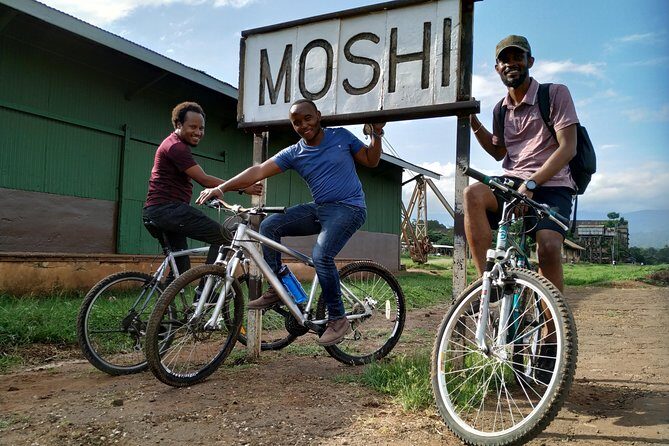
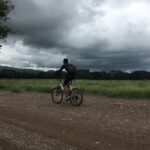
If you want Moshi to feel like a place with people in it, riding wins. Walking lets you stop when you want, sure—but a bike lets you cover more ground while still moving at street-level speed. You get the sights, but you also feel the rhythm: shop fronts, side streets, and the kind of everyday motion you’d miss when you only visit one landmark.
This tour is also smart for timing. In just 2–3 hours, you can see a cluster of key spots without burning half a day on transfers. It’s perfect if you’re planning around Kilimanjaro logistics, jet lag, or you just want a reset after a hike.
You can also read our reviews of more cycling tours in Moshi
Price and what you actually get for $45
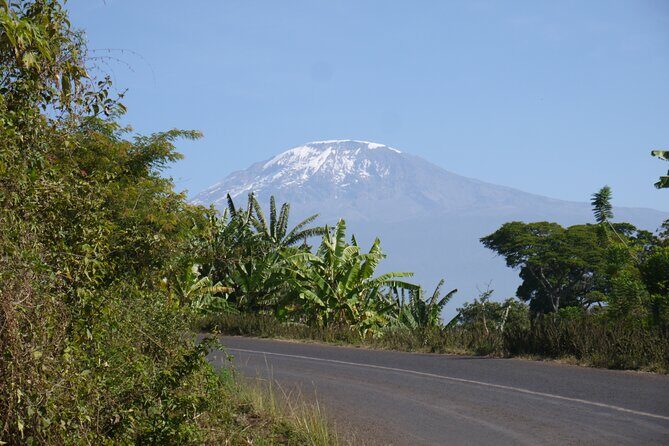
At $45 per person, the value comes from what’s included. You’re not paying for a lesson with no bike gear. You get a mountain bike, helmet, and bottled water, so the trip starts ready to ride.
That matters because Moshi can be a “figure it out” kind of place. When bike rental, helmet sourcing, and water purchases are wrapped into the price, you spend your energy on the ride—not logistics. It also helps you keep the tour simple if your schedule is tight or you’re traveling light.
You can also arrange transfers from your hotel or lodge. That’s not just convenience; it can mean less time spent figuring out where the ride begins and more time actually pedaling.
One Bike Shop start: the easiest way to begin
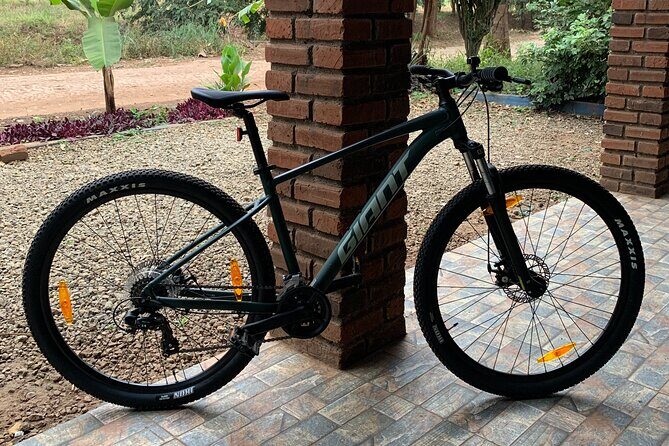
Your ride starts at One Bike Shop in the city center (MoshiMailimoja Rd). The tour ends back at the same meeting point, so you don’t end up planning a second ride or figuring out how to get home at the end.
In practice, that gives you two advantages:
- You can plan the rest of your day around a clear start and finish.
- If you’re carrying camera gear or a small bag, you’ll know where you’ll be at the end.
If you’re using public transport, the meeting point is near it, which makes this tour easier to plug into a day even without a private transfer.
Mbuyuni Market first: getting the senses online early
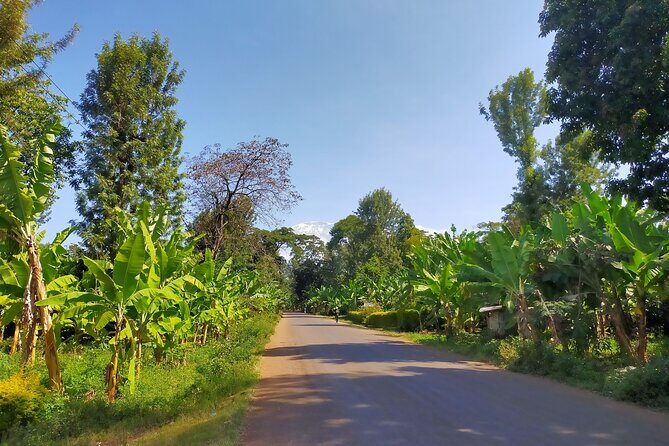
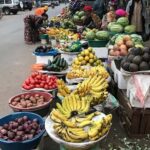
The first stop is Mbuyuni Market, and that’s a smart choice. Markets are where you see what locals buy, what’s seasonal, and how the town actually runs. The ride begins by putting you right into the sights and smells—fruits and vegetables right at the start, then you roll into the streets.
One practical benefit: market stops make the tour feel varied fast. You’re not just passing buildings. You’re pausing, looking, and taking in color and local daily rhythm before you settle into the longer street ride.
Potential drawback to note: markets can mean crowds and quick foot traffic. The bike ride is guided, but keep your head up, take your time when you dismount, and don’t expect a quiet museum vibe.
Main streets to the Clock Tower: Moshi in motion
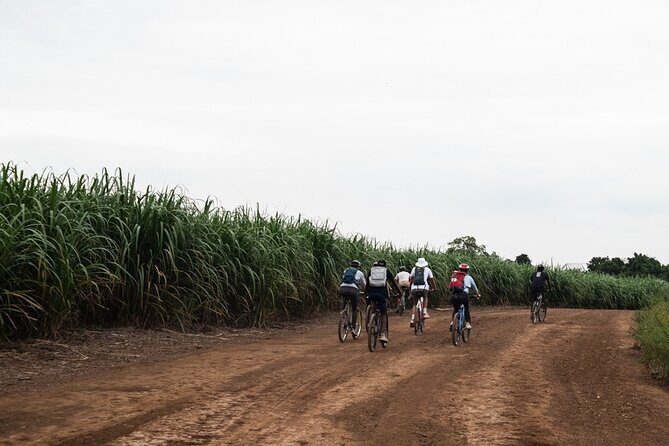
After Mbuyuni Market, the route flows through the vivid everyday streets of Moshi Town. This is the part where you feel the real advantage of biking. You can see storefronts and services without stopping every 30 seconds like you would on foot.
Along the way, you’ll pass major landmarks, including the Clock Tower area. The route also includes a mix of faith sites—like the Rihada Mosque and a Hindu Temple—which helps the tour feel like a snapshot of Moshi’s community, not just an architectural walk.
Here’s what to watch for as you ride: street crossings and junctions. You’ll be in a small group, and the guide will keep you moving, but your best strategy is simple—slow down when you need to, and don’t rush through intersections just to keep momentum.
You can also read our reviews of more city tours in Moshi

Old Train Station and the church stop: photos and places you’ll remember

Next up is the Old Train Station, a scenic spot for pictures. Even if you’re not obsessed with trains, old infrastructure has a way of telling a story. You get that “how did this town evolve?” feeling without having to read a single plaque.
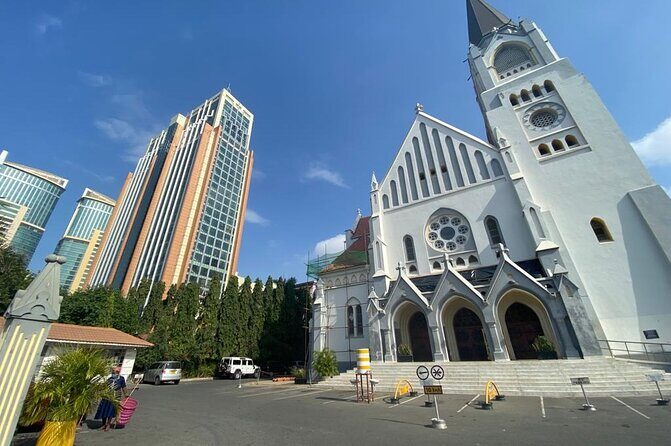
Then the tour hits a Christian landmark: the Roman-Catholic Church Christian king. Stops like this do more than fill time. They show how religious sites act like community anchors—locations where people gather, not just buildings to look at from the outside.
If you like travel that’s practical and human, this combination works well. Markets for daily life, old station for history in the physical sense, and churches/mosques/temples that show how faith maps onto streets you’ll be cycling through later.
Memorial Market to Moshi Airport: textiles, then the Kilimanjaro direction
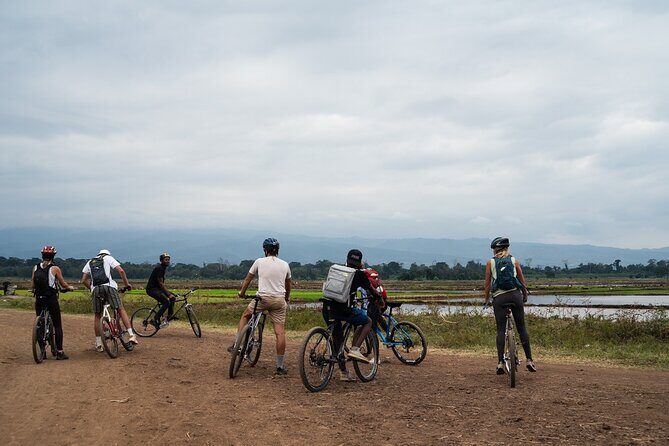
The middle-to-late portion of the ride leans toward shopping and color. At the Memorial Market, you’ll see textiles and clothing in a way that’s hard to replicate from a taxi window. This is where you can slow down and look without feeling like you’re behind schedule.
The ride then continues to Moshi Airport, a fitting finishing point because it’s tied to how travelers connect to the mountain. The route notes that you’ll be near the direction of Mount Kilimanjaro, which is exactly what many visitors want—an ending that feels connected to the reason they’re in northern Tanzania.
One consideration: by the time you reach the airport area, your legs may be ready to be done. Bring water (you’re provided bottled water, but don’t rely on adrenaline), and keep an eye on your comfort. The best rides end with you feeling good, not rushed.
How hard is it? What to wear for 2–3 hours
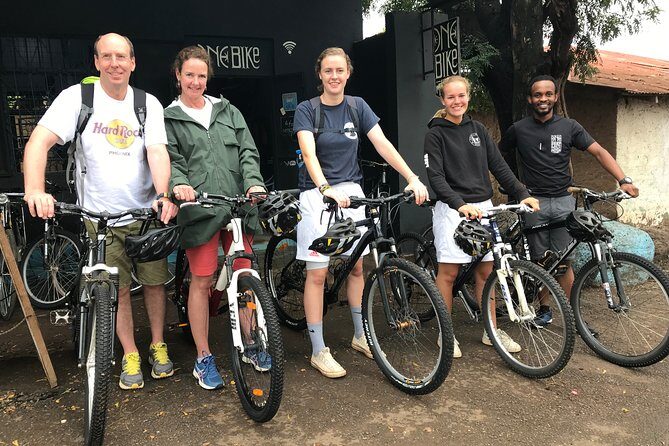
This tour is designed so that most people can participate. Still, you should plan for a few realities of city cycling:
- You’ll spend time riding, not just pausing.
- Roads can be uneven, and you’ll be navigating traffic flow.
- You’ll want your body to feel steady on a bike for a couple of hours.
Wear closed-toe shoes you can pedal in comfortably. Bring a light layer for shade because you may get sun exposure, especially between stops. If you’re carrying a phone or camera, use a small bag or secure pocket so you’re not juggling items while rolling.
Also: if you’re new to biking, take it easy. You don’t have to prove anything. The goal is to enjoy Moshi street life at a pace you can handle.
Traffic and safety: why the route feels comfortable
A standout from the experience is how the road environment is handled. The vehicles you encounter are generally respectful of cyclists, and that matters a lot. It changes the whole feel of the tour—less stress, more enjoyment.
The small group size (max 10) also helps. In a big crowd, bikes can feel like a moving obstacle. In a smaller group, your guide can manage spacing and keep the ride calm.
The guide also knows the town and cycling in general, and that shows in how you’re guided through streets and stops. You’re not just following a person with a route card—you’re moving with someone who can explain what you’re seeing and keep the ride flowing.
Value beyond the ride: local support and a solid reset
There’s one more reason I’d consider this tour even if you’ve already seen a few landmarks: it’s a good reset. If you’ve just come down from climbing Kilimanjaro, you often need something active but not brutal. A city bike ride fits that gap—movement, sights, and a sense of progress without the high-stakes physical grind.
There’s also the social-cause angle. The operator highlights social causes tied to your support, which adds a layer of meaning to the ticket. No, it won’t replace anything you do locally with your own choices—but it’s a nice extra reason to book when you can.
Who should book this Moshi city bike day trip
This tour is a strong fit if you want:
- A guided way to see Moshi’s main streets and key landmarks in a short window
- Market and local shopping stops, not just sightseeing photos
- A low-stress activity with bike + helmet + water included
- A small-group experience that’s easier to manage in the city
You might skip or adjust your plan if:
- You’re uncomfortable riding on active streets for 2–3 hours
- You need a totally quiet, car-free, slow-walk pace today
- You’re traveling with mobility constraints that make cycling difficult (even though the tour says most can participate, your personal comfort still comes first)
Should you book it?
Yes—if you want Moshi to feel real, this is one of the best ways to get there fast. The included gear makes it easy, the route has variety (markets, landmarks, old station, church, airport), and the ride feels safer because vehicles are generally respectful of cyclists and the group stays small.
Book it if you’re the kind of traveler who likes to connect places with daily life: where people shop, worship, take photos, and move around. If you prefer a purely relaxed day with minimal road riding, take a pass or look for a gentler alternative.
FAQ
How long is the Moshi city bike day trip?
It runs about 2 to 3 hours.
What is included in the price?
You get a mountain bike, a helmet, and bottled water.
Is pickup available from my hotel or lodge?
Yes, transfers from your hotel/lodge can be arranged.
Where does the tour start and end?
It starts at One Bike Shop on MoshiMailimoja Rd in the city center, and it ends back at the same meeting point.
How big is the group?
The tour has a maximum of 10 travelers.
What happens if the weather is bad?
This experience requires good weather. If it’s canceled due to poor weather, you’ll be offered a different date or a full refund.