REVIEW · ARUSHA
Arusha: 3-Day Serengeti & Ngorongoro Crater Big Five Safari
Book on GetYourGuide →Operated by Season Master Adventures · Bookable on GetYourGuide
The Big Five in three days sounds fast, because it is. You’ll do serious game drives in Serengeti, then descend into the Ngorongoro Crater, one of Africa’s most reliable wildlife stages. I love how the trip builds in early starts (sunrise drives) and the day-to-day flow keeps you out in the bush instead of stuck in transit.
I also like the practical safari setup: a 4×4 Toyota Land Cruiser with pop-up roof for better spotting and photos, plus full-board meals and bottled water while you’re out there. One thing to consider: the days are long and roads can be bumpy, and there has been at least one safety-related complaint about vehicle condition and driving style, so it’s worth paying close attention to how your vehicle looks and how your driver drives.
In This Review
- Big Five Safari: the key points that matter
- Arusha to Serengeti: the day you start seeing the real size of Africa
- Serengeti at sunrise: when predators and prey feel timed
- The Ngorongoro Crater descent: where Big Five odds get real
- Lodges vs camping in the bush: comfort choices that change the mood
- Mid-range tented lodges
- Camping safari
- The guides and food: where small details turn into big memories
- Price and what you’re really paying for
- Safety and road comfort: the part you should think about up front
- What to pack for Serengeti and Ngorongoro (so you’re not miserable)
- Who this safari suits best
- Should you book this 3-day Arusha Big Five safari?
- FAQ
- What does this safari include for meals?
- Where does the safari start and end?
- Which parks and areas do you visit?
- What accommodation options are available?
- Is transportation provided?
- Is a hot air balloon included?
Big Five Safari: the key points that matter
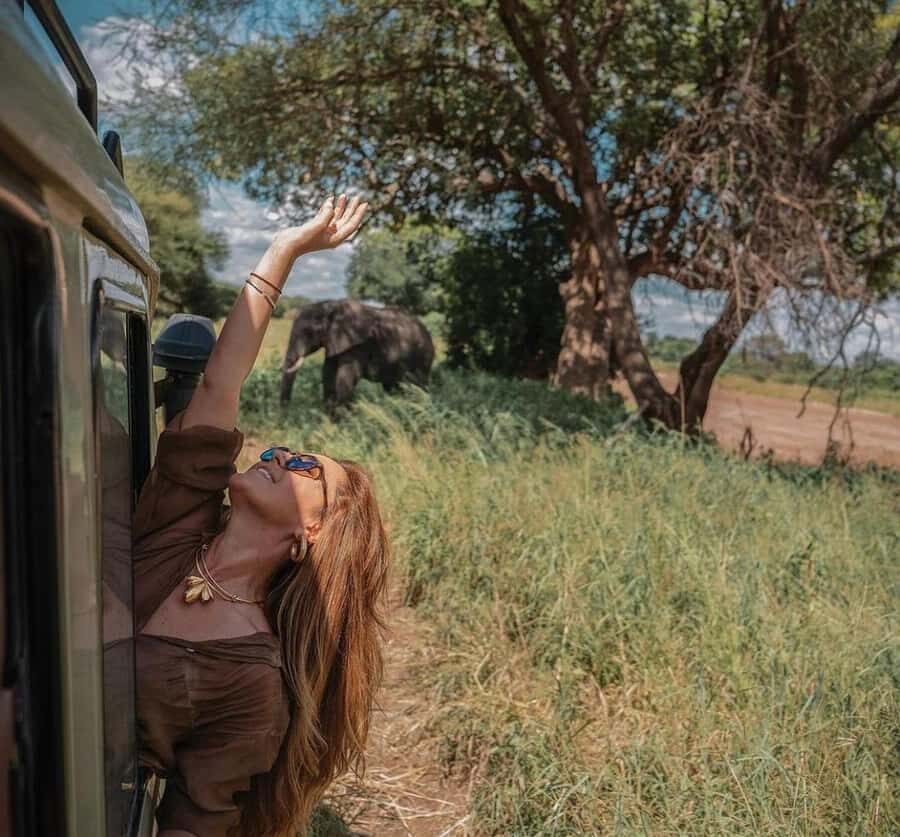
- Sunrise Serengeti drives: more action when animals are active and the light is best.
- Ngorongoro Crater descent: wildlife concentration makes it easier to tick off Big Five targets.
- Pop-up-roof 4×4 Land Cruiser: better views for spotting and photos without leaning out too much.
- Two overnight styles: mid-range tented lodges or camping with mattresses and a chef.
- Meals included every day: fewer decisions, more time watching animals.
- Bring the right clothing: mornings and nights can get cold at altitude (around 5°C at night is mentioned).
Arusha to Serengeti: the day you start seeing the real size of Africa
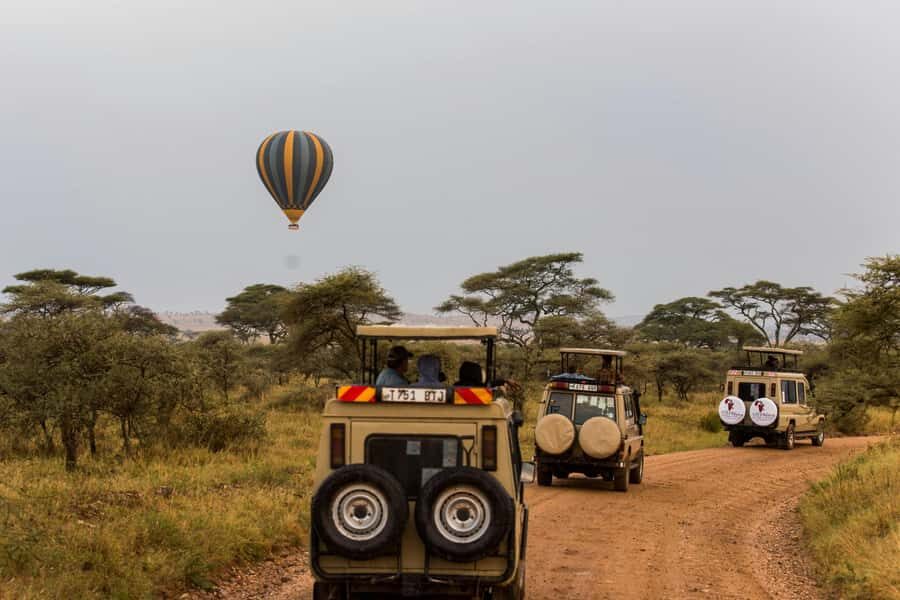
Your safari begins with an early pickup from Arusha, then you head out through the Great Rift Valley area toward the Ngorongoro Highlands. The road time matters here. You’re not just traveling between stops; you’re crossing Tanzania’s different ecosystems, and that’s part of why the trip feels like a true route, not a checklist tour.
A short break happens at Mto wa Mbu. This is a useful stop if you like context. You get a brief look at local village life and a chance to taste produce, which breaks up the pure wildlife focus and helps you remember there are people living alongside these conservation areas.
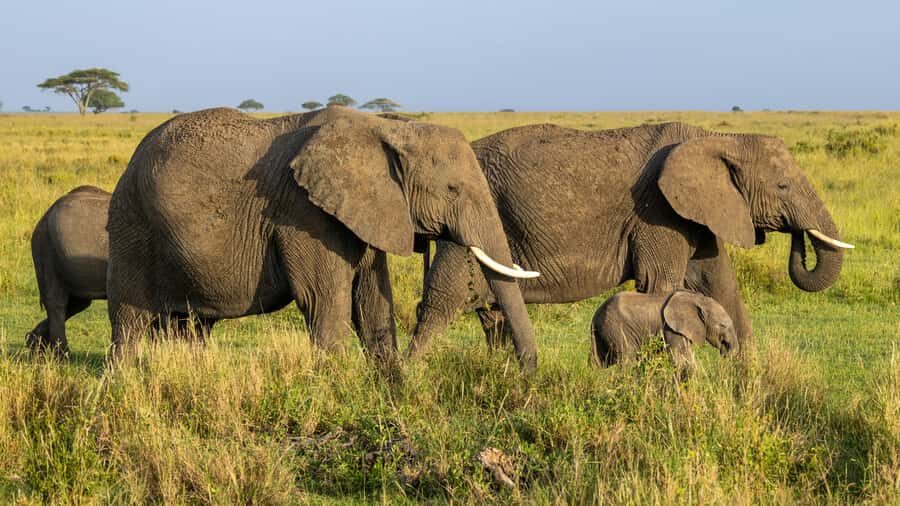
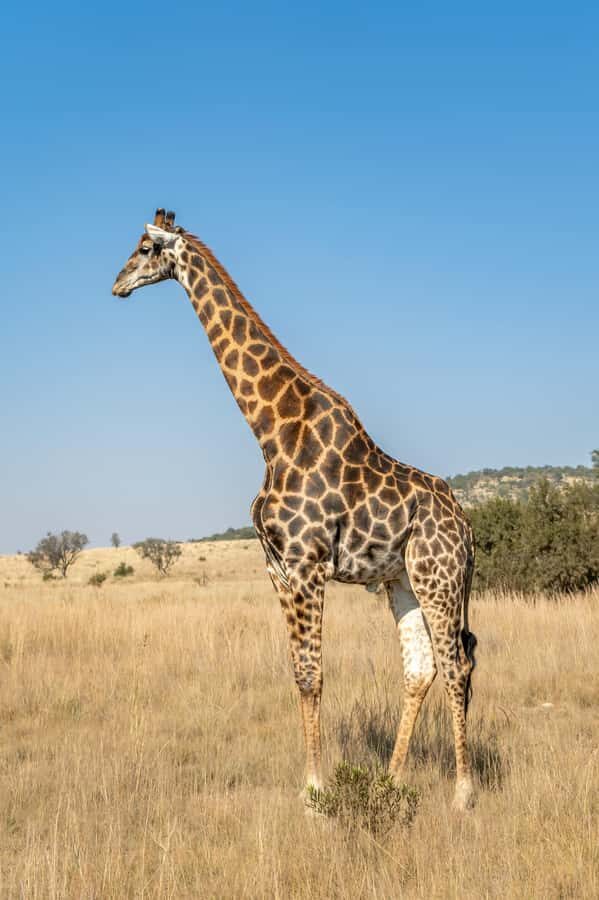
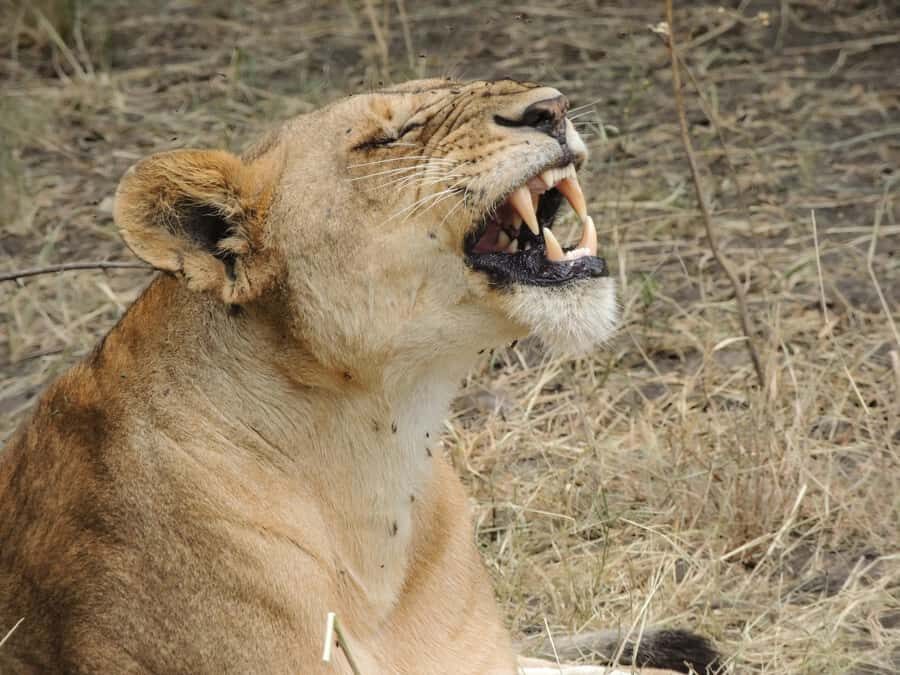
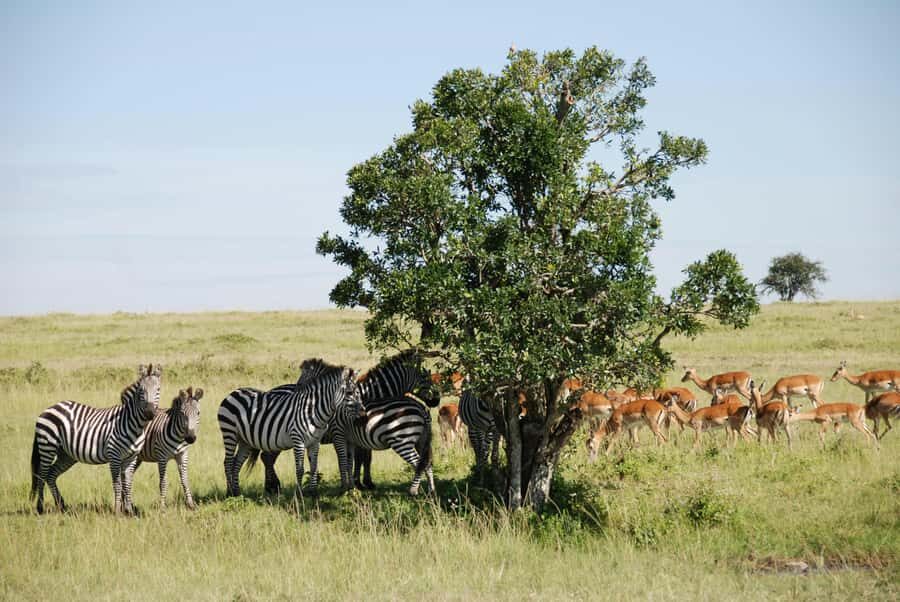
Then it’s back into the vehicle for a picnic lunch on the way to the Serengeti. The entry point you’ll use is Naabi Hill Gate. That name matters less than what it means: you’re stepping into Serengeti National Park, where visibility, wind, and open plains can make spotting feel almost unfair. Then you’re on your first game drive, and the usual stars show up fast: elephants and giraffes are commonly seen, and lions, zebras, and different antelope species tend to appear as the day heats up.
Two things I’d watch for on Day 1:
- Vehicle position: the best drivers don’t just drive fast. They read tracks, wind direction, and animal movement.
- Mood of the animals: early sightings can be spread out; later you often get more frequent clusters as animals move to drink or feed.
In the evening you’re off for dinner and sleep. If you choose mid-range, options mentioned include Shuhudia Tented Lodge or Kumbukumbu Tented Lodge (or similar). If you choose camping, Tumbili Public Campsite is the option listed, with tents and basic but practical comfort.
A couple of real-world notes from people who’ve done this: some first-time safari guests specifically praised their driver for knowing where to look and for sharing natural history and local culture. Others highlighted the thrill of camping with wildlife close to camp, which is exactly the point of sleeping in the ecosystem instead of behind walls.
A few more Arusha tours and experiences worth a look



Serengeti at sunrise: when predators and prey feel timed
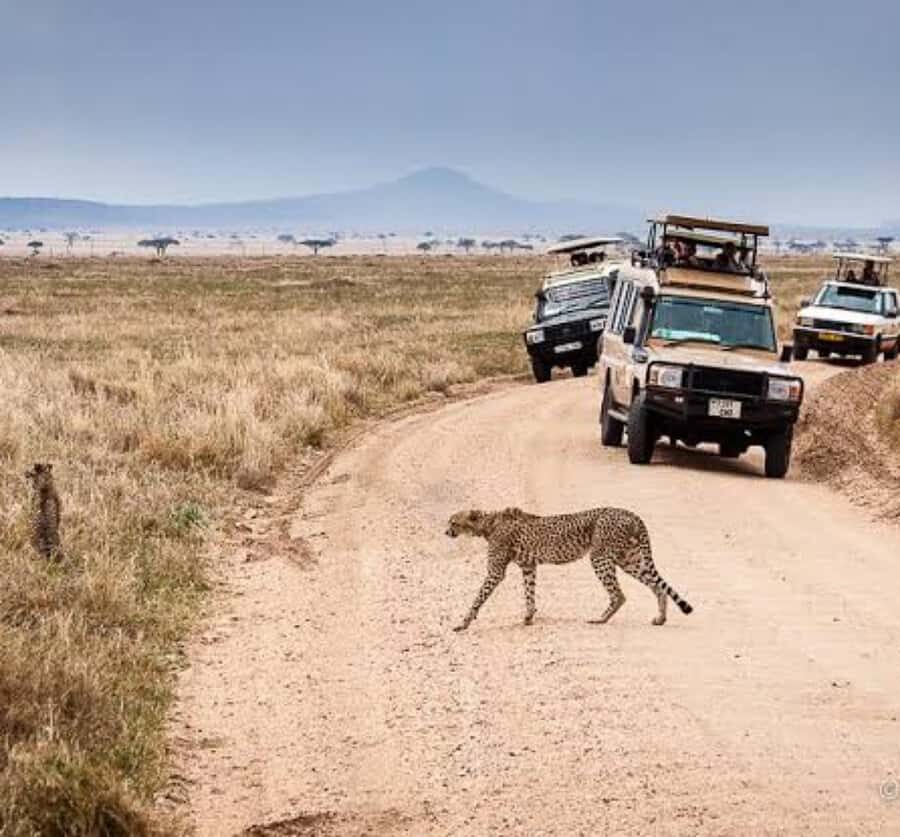
Day 2 starts with the kind of wake-up call that makes you groan, then immediately forget your phone exists. You’ll do a sunrise game drive, when the Serengeti feels most alive. Predators and prey both show up in motion. Light is softer. Shadows are longer. Tracks tell a story before you even see the animals clearly.
This is also the day you maximize time in the park. You’ll take breakfast in the park area after the sunrise drive, then go back out for another morning drive. With only three days total, this morning planning is what turns the safari from a bus ride into a real wildlife experience.
What to expect:
- More likely sightings of active grazers and those hunting alongside them.
- Better chances to see how animals use the terrain—edges of grassland, watering routes, and open sightlines.
By mid-morning you’ll depart Serengeti toward the Ngorongoro Conservation Area. The drive itself is part of the pacing: rolling hills, savannah scenery, and a picnic lunch en route. This isn’t just downtime; it’s the bridge between two of Tanzania’s most famous wildlife stages.
Overnight on Day 2 is at the crater rim area. Mid-range lodge options named include Ngorongoro Wild Tented Lodge or Ngorongoro Safari Lodge (or similar). Camping option listed: Simba Public Campsite. Either way, the vibe changes. You’re moving from endless plains to a dramatic crater environment, and that shift is why Day 3 is such a highlight.
The Ngorongoro Crater descent: where Big Five odds get real
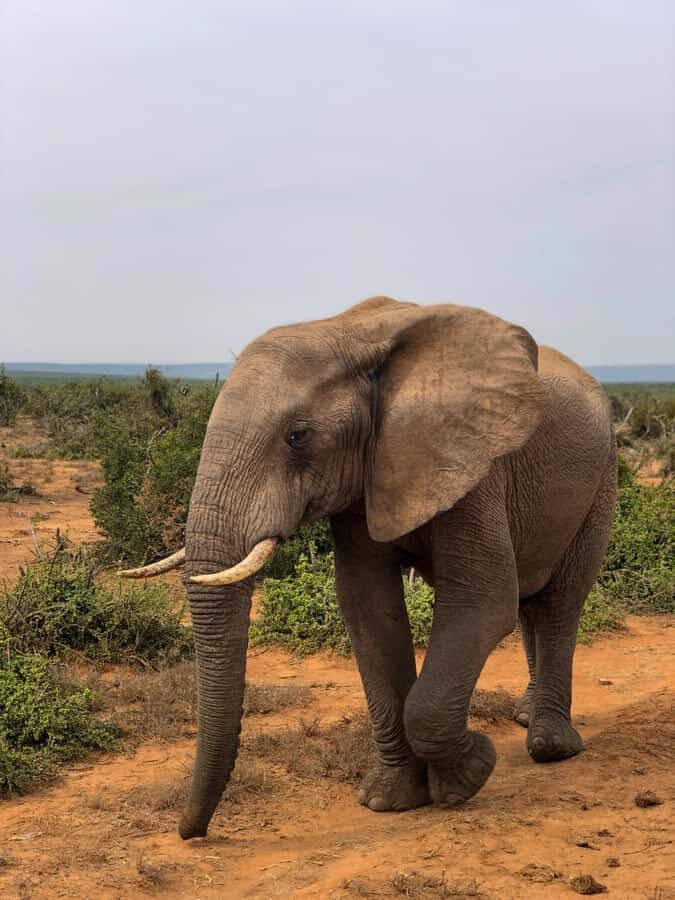
After breakfast on Day 3, the big moment arrives: you descend about 600 meters into the Ngorongoro Crater. That crater depth is not trivia. It affects everything—temperature feel, the way animals move, and why the crater is so famous for concentrated wildlife.
The crater is often described as Africa’s Eden, and the proof is in the sightings. Game drive time inside the crater typically includes rhinos, lions, elephants, zebras, hippos, and wildebeest. The key practical value for you is this: in a small number of days, the crater’s concentration gives you a stronger chance to complete your Big Five experience.
How the day usually feels:
- You start with sightings that seem almost staged—animals on the move, animals resting, and occasionally a calm scene that turns into sudden action.
- You’ll eat a scenic picnic lunch inside the crater area.
- Then you’ll ascend the crater walls and return to Arusha for late-afternoon drop-off at your hotel or the airport.
For photographers, binoculars help a lot. The tour notes mention guides share a binocular in the vehicle, and that’s a simple quality-of-life upgrade if you don’t bring your own. For clothing, plan layers. Mornings can be cold, and the crater morning doesn’t feel the same as the plains heat.
Lodges vs camping in the bush: comfort choices that change the mood
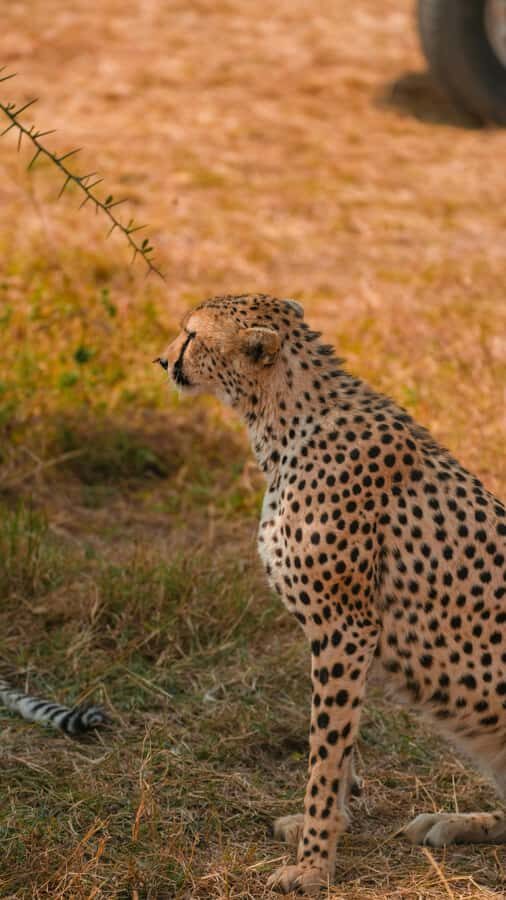
This safari offers two distinct overnight styles, and your choice affects your entire experience.
Mid-range tented lodges
Mid-range tented options (Shuhudia/Kumbukumbu, then Ngorongoro Wild/Ngorongoro Safari, or similar) are designed to give you comfort without full hotel vibes. You’ll still feel like you’re on safari, but you get better shelter and usually a calmer bedtime.
A few more Arusha tours and experiences worth a look

Camping safari
If you pick the camping option, you’re sleeping in tents with mattresses, plus camping equipment like tables, chairs, and cooking gear. A professional safari chef is included for camping. One camping review praised the chef’s meals as fresh and well-prepared, and another talked about the excitement of hearing wild sounds at night with rangers providing a sense of safety.
Here’s the trade-off for you:
- Camping can feel wilder and more connected.
- But it also means you should be prepared for basic conditions, cold nights, and being closer to the natural soundtrack.
If you’re the type who wants the most authentic feel, camping makes sense. If you want creature comforts and less worry, mid-range lodges are the safer bet.
The guides and food: where small details turn into big memories
On safari, the guide is not just driving. They are your spotting system. Reviews from people who did this route highlighted drivers by name, and the pattern is consistent: good guides don’t just find animals; they put you in position to see them well and they keep the drive smooth and safe.
Names mentioned include Mike (praised for being a perfect driver and guide who shared information about animals and even Masai topics), Nico (praised for driving to the best viewing positions), Eric (praised for being friendly and knowledgeable), and Savio (praised for calm, safe driving). One review also credited multiple support staff, including Patrick and a chef named Brightness, with cooking praised as excellent.
Food is another strong point. You get full-board meals with breakfast, lunch, and dinner during the safari, plus bottled drinking water. Lunch is frequently described as picnic-style, and camping lunches can be prepared in a way that lets you eat together like a group rather than grabbing a quick snack.
Practical tip: take your water seriously. The tour includes bottled drinking water, but you still need to keep hydrated in the savanna sun and cooler crater air.
Price and what you’re really paying for
The price is listed as $900 per person for 3 days. On paper, that can sound like a lot until you break it down.
What’s included:
- Pickup and drop-off in Arusha
- 4×4 Land Cruiser transport with pop-up roof
- Park fees and crater service fee
- Professional English-speaking driver-guide
- Full-board meals every day
- Two nights accommodation (mid-range lodges or camping setup)
- Camping cooking setup and a chef for camping options
Also included is the basic reality that makes safaris expensive: park access isn’t free, and the days are built around vehicle time, guide labor, and fuel on difficult roads.
What you should add to your mental budget:
- Optional hot air balloon is listed at $530 per person.
- Travel and medical insurance are not included, and you should plan for that.
- If your Arusha hotel is outside the city center, the tour notes say extra pickup/drop-off costs may apply.
Value judgment: if you want Serengeti plus Ngorongoro in a tight 3-day format with meals and park fees handled, this price feels in line with a guided, all-in safari structure. If you’re the type who can book and coordinate everything cheaply on your own, you might save money. But you’ll likely spend more time managing logistics than you do watching animals.
Safety and road comfort: the part you should think about up front
This safari uses a 4×4 Toyota Land Cruiser with a pop-up roof and off-road adventure. That’s exactly what you want for wildlife viewing. It also means the road experience can be bumpy.
One past booking described rougher conditions where the jeep got injured in an accident, and said the driver was driving rash. The agency provided support and refunded the amount. I’m not going to scare you. But I am telling you to treat safety like a non-negotiable.
If you book:
- Ask about vehicle condition before you roll out.
- Sit securely and follow the driver’s instructions.
- If you feel uncomfortable, say so early and do not ignore it.
Also note: the tour is marked not suitable for pregnant women. Wheelchair accessibility is listed, but you should still discuss practical movement needs with the operator before confirming, because safari vehicles and crater terrain can be challenging.
What to pack for Serengeti and Ngorongoro (so you’re not miserable)
This trip has one big theme: layers and insect protection.
Bring:
- Sunscreen
- Insect repellent
- Neutral clothing colors (white, beige, green are recommended)
- A warm sweater, socks, and a jacket (night temperatures can drop to around 5°C)
- Binoculars if you have them (guides share one in the vehicle)
- Mosquito repellent with high mint concentration is suggested
- A towel and toilet paper
Know the rules:
- Drones are not allowed
- Feeding animals is not allowed
- Bright colors are not allowed
- Touching animals is not allowed
Also watch luggage. There’s a 10kg limit per person. Extra luggage can be stored with the hotel, and duffel bags are recommended.
Who this safari suits best
This is a strong fit if:
- You want Serengeti + Ngorongoro Crater without stretching into a week-long trip
- You care about Big Five chances, especially with crater concentration
- You’re okay with early mornings and long day drives
- You want a guide who can explain what you’re seeing
It may not fit if:
- You dislike long vehicle days or bumpy roads
- You need a very cushy, low-movement style of travel
- You’re pregnant (listed as not suitable)
If you’re going for your first safari, this format makes a lot of sense. You get a taste of Serengeti plains action and then you shift to the crater’s focused, denser wildlife.
Should you book this 3-day Arusha Big Five safari?
If you want maximum wildlife time with minimal planning, I’d book it. The combination of sunrise Serengeti drives, a 600-meter crater descent, included meals, and 4×4 viewing is exactly what makes a short safari work.
I’d just go in with a smart mindset:
- Prepare for cold mornings and long days.
- Pack neutrals and insect repellent.
- Be safety-aware and pay attention to vehicle condition from the start.
- Decide early whether you want mid-range lodge comfort or the wilder camping setup with a chef and mattresses.
Do that, and you’ll come away with the kind of memories that don’t need a caption.
FAQ
What does this safari include for meals?
The tour includes full-board meals: breakfast, lunch, and dinner every day, plus bottled drinking water throughout the safari.
Where does the safari start and end?
It starts with pickup in Arusha and ends with drop-off in Arusha, either at your hotel or at the airport.
Which parks and areas do you visit?
You visit Serengeti National Park and the Ngorongoro Conservation Area, including Ngorongoro Crater.
What accommodation options are available?
You can choose mid-range safari lodges/camps (two nights) or a camping option with tents and sleeping mattresses. Camping options listed include Tumbili Public Campsite and Simba Public Campsite.
Is transportation provided?
Yes. You travel in a 4×4 Toyota Land Cruiser with a pop-up roof throughout the safari.
Is a hot air balloon included?
No. Hot air balloon safari is listed as an optional extra for USD 530 per person.