REVIEW · ZANZIBAR CITY
Zanzibar: Spice Farm Tour with Cooking lesson
Book on GetYourGuide →Operated by Zanturtle Explore Tours and Safaris · Bookable on GetYourGuide
Spices in Zanzibar aren’t just for souvenir jars. This tour starts in Darajani Market, then heads to a spice farm where you harvest what you’ll later cook, plus you get to taste spices alongside coconut, watermelon, banana, and cloves. One watch-out: it’s not a fit for people with food allergies, and while guides can speak many languages, one past booking noted a language mismatch.
What I like most is how hands-on the day is—walking the farm, smelling and tasting the real spices, and then cooking with the equipment your chef uses in everyday rhythm. You also learn how spices connect to Zanzibar food and even their medicinal uses, not just the flavors.
Key things to know before you go
- Darajani Market start to shop like locals before the cooking begins
- Harvest-and-cook flow so ingredients you pick become your meal
- Smell-and-taste spice session paired with fruits like coconut, watermelon, and banana
- Traditional Swahili cooking lesson using old-style coastal methods and cooking apparatus
- Lunch and drinks from the day’s harvest, plus tropical fruit
- Traditional music and dance as part of the experience
In This Review
- A Market-to-Farm Day in Zanzibar’s Spice World
- Darajani Market: Your First Lesson in How Zanzibar Feeds Itself
- The Public Ride to the Spice Farm (and Why It Works)
- Harvesting What You’ll Cook: The Hands-On Part That Guests Love
- Spice Tasting with Tropical Fruits: Smell, Then Match
- Swahili Cooking Lesson: Old Techniques, Real Equipment
- Lunch, Tropical Drinks, and the Music-and-Dance Pause
- Price and Value: Is $66 for 5 Hours Worth It?
- What to Bring, What to Skip, and How to Get the Most
- Who This Tour Suits Best (and Who Should Think Twice)
- Should You Book This Spice Farm and Cooking Lesson?
- FAQ
- How long is the spice farm and cooking lesson in Zanzibar?
- How much does it cost?
- Is hotel pickup and drop-off included?
- What languages are available for the live tour guide?
- What’s included for lunch and drinks?
- Do you harvest ingredients yourself?
- Is the tour wheelchair accessible?
- Is this tour suitable for people with food allergies?
- What should I bring, and what isn’t allowed?
- Can I cancel or book with pay later?
A Market-to-Farm Day in Zanzibar’s Spice World

Zanzibar’s spice story is part farming, part trade, and part kitchen. The best version of this tour is the one where you don’t just hear about spices—you handle them, smell them, and use them in a real dish. That’s what this experience is built around, with a tight 5-hour schedule that moves from town to farm to your cooking station.
The day is guided end-to-end, and it’s private for your group. That matters here because spice farming and cooking classes work best when you can ask questions and take your time with the ingredients.
The only thing to plan around is that this is active and food-focused. You’ll walk a farm route and cook, so bring comfortable shoes and keep an eye on dietary needs. If allergies are a concern, this one likely isn’t for you.
Darajani Market: Your First Lesson in How Zanzibar Feeds Itself
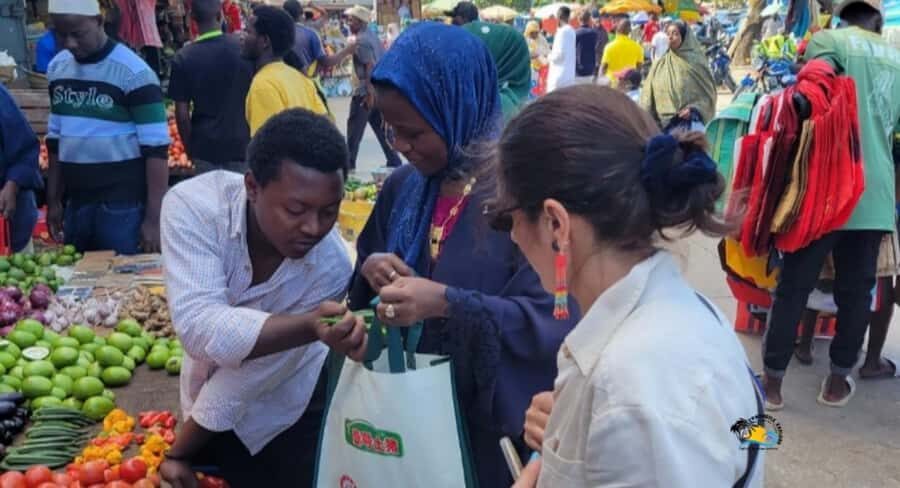
You start with a guided walk through Darajani Market. This part isn’t just “getting ingredients.” It’s your orientation to local food life—what people buy, how they choose items, and how market shopping fits into the daily rhythm.
Then you purchase ingredients for the cooking class. Having that market stop before the farm visit changes how you experience everything that follows. When you later harvest spices on-site, you’ll connect the plants and aromas to what you saw and bought in the market.
Practical note: the tour includes buying spices and fruits as well, so having cash is useful. Even if the main tour is priced clearly, you may want to take some scents and pantry items home.
You can also read our reviews of more cooking classes in Zanzibar City

The Public Ride to the Spice Farm (and Why It Works)
After shopping, you take a public vehicle to the spice farm. That’s a small detail, but it’s a real part of the day. You’re not locked in a vehicle the whole time, and you get that in-between view of how Zanzibar connects town life to countryside farming.
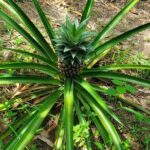
Once you arrive, you start with a walking tour around the farm. This is where the tour shifts from shopping to senses: you look at plants, you learn what they’re used for, and you build an idea of how the farm feeds Zanzibar cooking.
If you’re the type who likes context, this ride plus walk combo helps. It keeps the lesson grounded in what spices are and where they come from, not just what they taste like in a restaurant.
Harvesting What You’ll Cook: The Hands-On Part That Guests Love
At the farm, you walk the grounds with your culinary expert. The experience is built around harvesting vegetables and spices that you’ll use later.
This matters because harvesting forces you to pay attention. You start noticing differences in leaves, pods, and plant stages, and you also learn which ingredients are worth picking at that moment for flavor and cooking use.
You’ll also get a spice tour with taste, flavour, and smell. That three-part approach is smart. Smell leads, taste confirms, and “flavour” helps translate aroma into cooking reality.
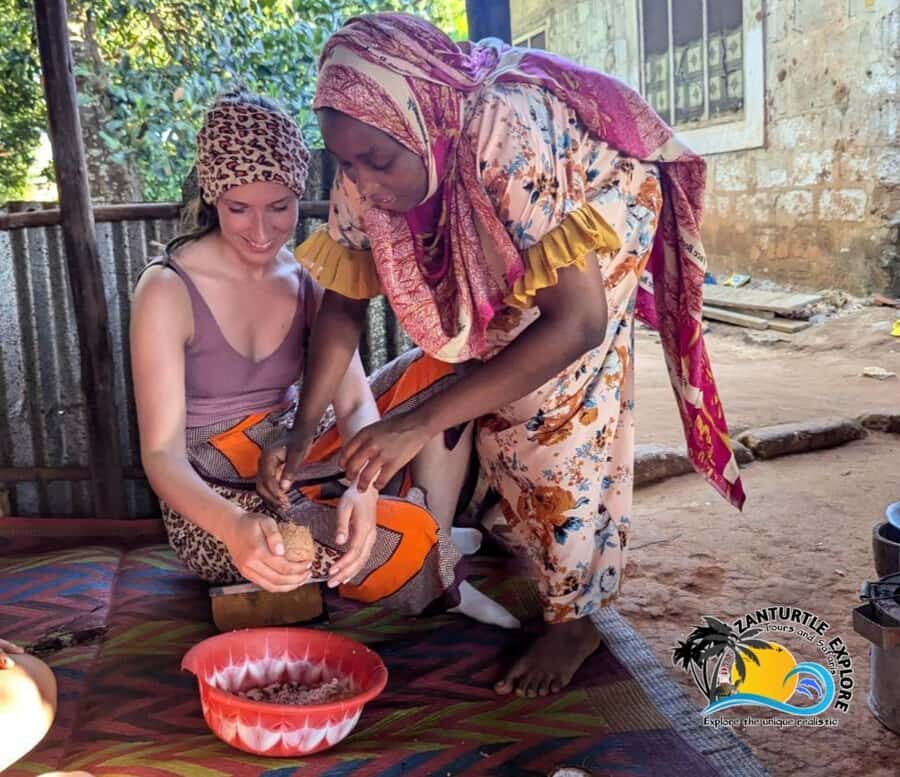
From the experience feedback, a common positive theme is that the hosts are patient and involved through the steps of the cooking class. That hands-on teaching style matters even more when you’re working with spices you’ve never bought—or handled—before.
Spice Tasting with Tropical Fruits: Smell, Then Match
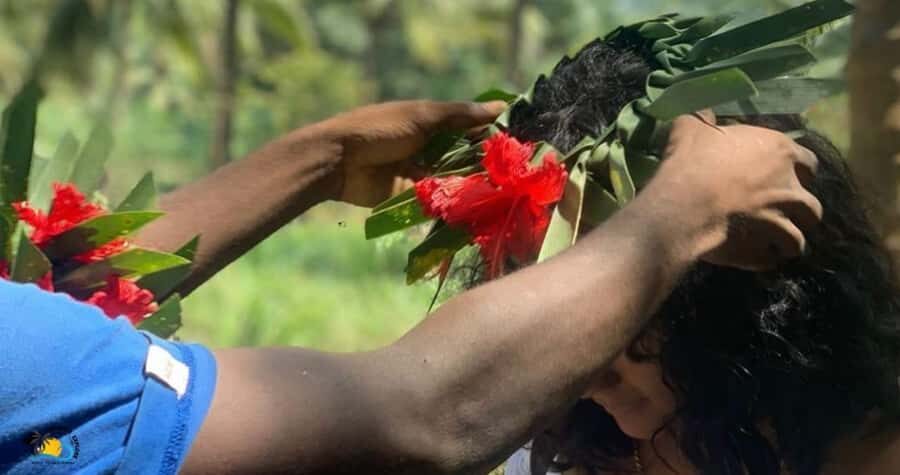
One of the most memorable parts is the tasting session. You’ll sample spices and also pair them with fruits such as coconut, watermelon, banana, and cloves.
This is more than a fun food break. It’s teaching you Zanzibar pairing logic. Spices don’t live alone here—they show up alongside sweetness, fruit aroma, and the cooling effect of tropical ingredients.
If you’re cooking at home later, this is the section that gives you usable memory. Even if you don’t recreate everything exactly, you’ll remember how cloves or other spice notes behave next to coconut or watermelon sweetness.
Also, you’ll learn about the origins of spices and why Zanzibar food treats them as core ingredients. And because the tour includes medicinal uses of spices and local herbs, it connects kitchen value to older practical value—how people historically relied on plants for more than taste.
Swahili Cooking Lesson: Old Techniques, Real Equipment

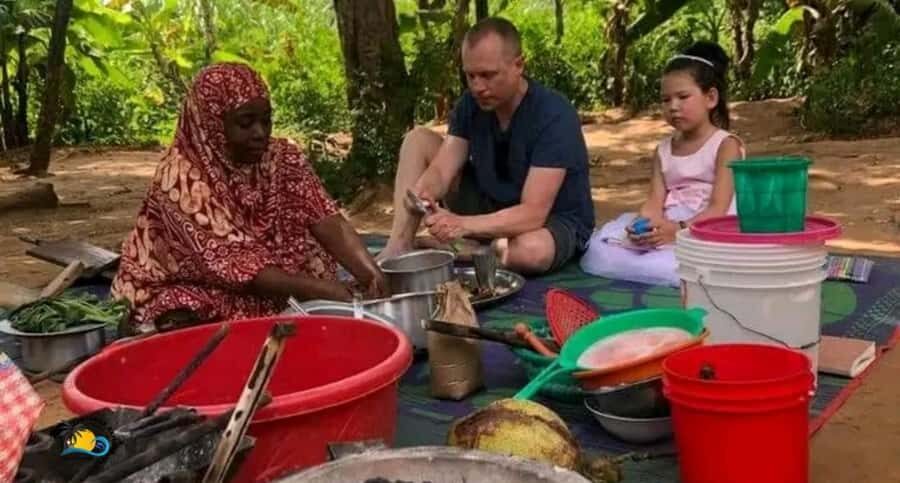
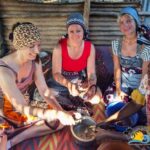
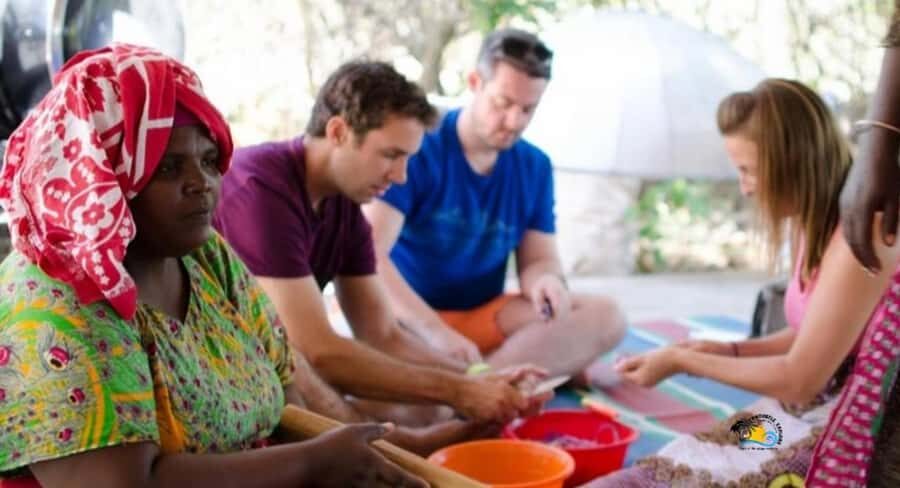
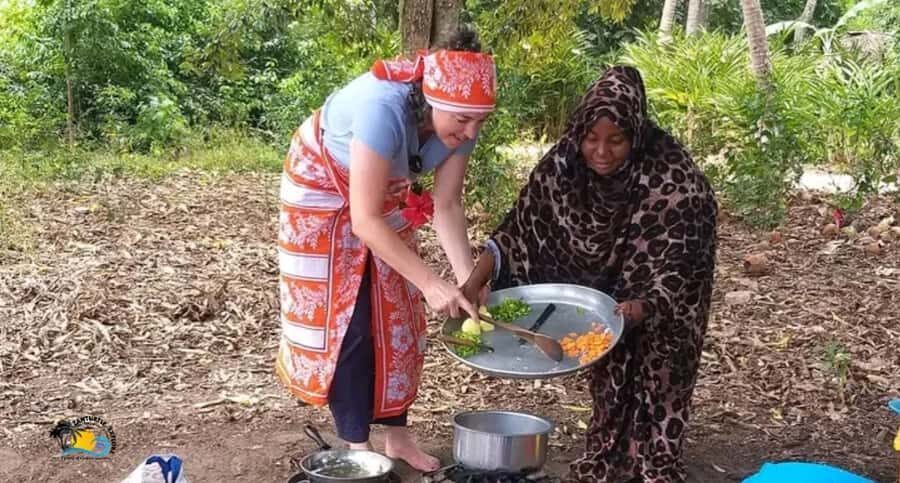
Now you move into the cooking class. You cook a traditional Swahili meal with your chef, using cooking apparatuses that are duplicated from earlier eras when coastal communities gathered around food.
That “old technique” detail is more than decoration. It signals that you’re cooking in a way that reflects Zanzibar’s coastal food culture. You’re not just making a modern version you could learn from a cookbook—you’re using traditional-style cooking tools and methods that shape the texture, aroma, and pace of the meal.
During the class, you’ll work together as you cook. The goal isn’t to watch someone else do it all. The teaching pace is designed so you can understand the steps and repeat them later if you want.
At home, the takeaway is usually the spices and the process. One of the best reasons guests say they’d do this again is because they buy spices during the tour and feel confident recreating the dish later.
A few more Zanzibar City tours and experiences worth a look



Lunch, Tropical Drinks, and the Music-and-Dance Pause
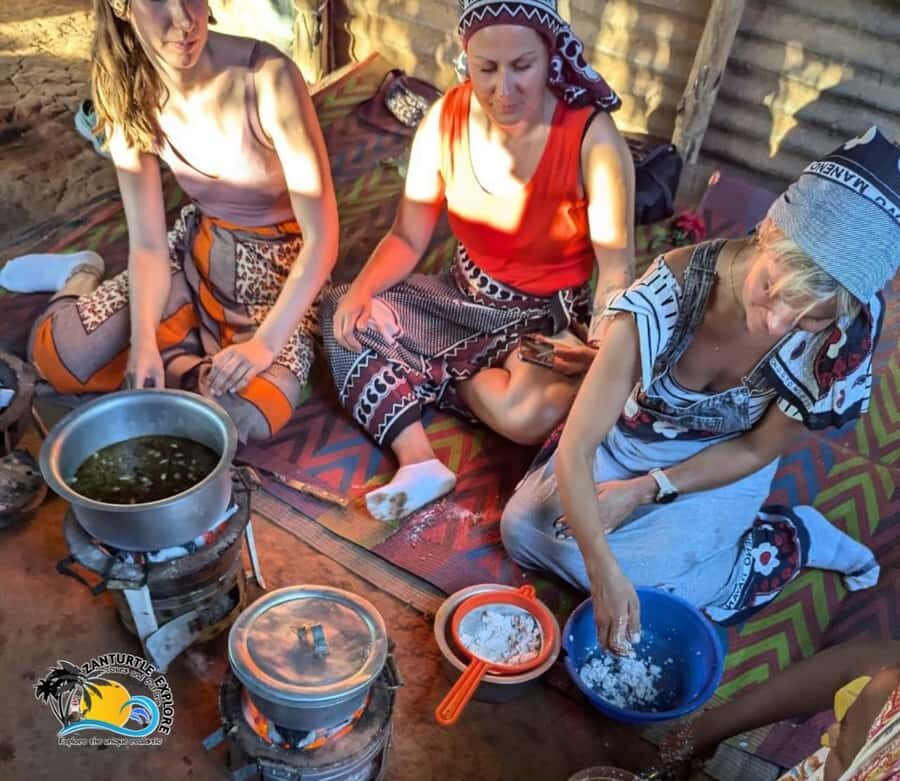
After cooking, you eat the meal you made. Lunch and drinks are included, with tropical fruits—specifically the fruits you harvest during the day.
This is a nice reward loop. You don’t finish the farm tour, taste everything, and then leave hungry. You pick, harvest, learn, cook, and then eat what you helped create. It’s also where the spice lesson clicks into a full plate.
The tour also includes traditional music and dance. It’s typically the kind of cultural moment that breaks up the day’s active pacing, and it adds a Zanzibar atmosphere beyond food alone.
If you’re thinking about timing, this is helpful: you still finish within 5 hours, so you’re not spending your entire day in transit.
Price and Value: Is $66 for 5 Hours Worth It?
At $66 per person for a 5-hour experience, this sits in the “structured but not too long” range. Here’s what you’re really paying for:
- Hotel pickup and drop-off across Zanzibar
- A guided market stop plus ingredient shopping
- A farm walk that ends with you harvesting ingredients
- A guided spice tasting focused on smell, taste, and flavor
- A full cooking lesson with equipment
- Lunch and drinks tied directly to the harvest
- Entrance and conservation fees included
- Traditional music and dance
When you price it out mentally, it’s not just a cooking class. You’re also getting the farm-side context and the shopping-to-cooking bridge.
One more value point: you have built-in opportunities to buy spices and fruits. That means the day can feed your kitchen for weeks, not just your camera roll for a day.
If your priority is only eating one dish with no farming component, you can find cheaper options. But if you want the “from plant to plate” lesson, this is strong value for the time.
What to Bring, What to Skip, and How to Get the Most
The tour gives you a lot, but you still need a few basics.
Bring:
- Comfortable shoes (you’ll be walking on a farm route)
- Camera (spices, harvest moments, and the cooking setup are photogenic)
- Cash (useful for buying spices and fruits)
The tour notes you should not bring or use:
- Alcohol and drugs
- Intoxication
If you have allergies, this is a key limitation: it’s not suitable for people with food allergies. With spice-forward cooking, ingredient uncertainty can be a problem.
Also, the experience is offered with guides who can speak Arabic, English, French, German, Italian, Polish, Spanish, Swahili, Russian, Portuguese. One past booking reported an English guide even though German was requested, so if language matters for you, write it clearly in your reservation notes.
Who This Tour Suits Best (and Who Should Think Twice)
This is a great match if you:
- Want a hands-on cooking experience, not a passive demonstration
- Like learning about where food comes from—especially spices and herbs
- Want a lesson you can recreate by buying spices afterward
- Enjoy cultural extras like traditional music and dance
It may be less ideal if you:
- Have food allergies (the tour states it’s not suitable)
- Need a strong focus for kids (one negative note said it was not good for children)
It’s also worth noting that the tour is wheelchair accessible. That said, the day includes walking through a market and a farm. If you use a wheelchair, your best move is to confirm how much walking is expected and how the route can be adjusted.
Should You Book This Spice Farm and Cooking Lesson?
Book it if you want Zanzibar through the senses—market smells, spice farm plants, and a cooking class where you actually use what you harvest. The best part is the logic chain: Darajani Market → spice farm → harvest → cooking → lunch. It’s how you learn fast and remember longer.
Skip (or choose another option) if allergies are on your list of constraints, or if you’re expecting a long, slow day with minimal movement. This is structured, active, and centered on food and spices.
One final decision tip: if you care about language, make sure your booking request is clear. That small step can make the difference between a good class and a great one.
If you’re ready for a practical, real-food Zanzibar day—this one’s hard to beat.
FAQ
How long is the spice farm and cooking lesson in Zanzibar?
The experience lasts 5 hours.
How much does it cost?
It costs $66 per person.
Is hotel pickup and drop-off included?
Yes. Pickup and drop-off are included, and you can be picked up from any hotel in Zanzibar. You’ll meet the representative in your hotel lobby or reception area.
What languages are available for the live tour guide?
The live tour guide can speak Arabic, English, French, German, Italian, Polish, Spanish, Swahili, Russian, and Portuguese.
What’s included for lunch and drinks?
Lunch and drinks are included, along with tropical fruits (the fruits you harvest during the tour).
Do you harvest ingredients yourself?
Yes. You’ll harvest vegetables and spices from the farm for your cooking class.
Is the tour wheelchair accessible?
Yes, the activity is wheelchair accessible.
Is this tour suitable for people with food allergies?
No. It’s not suitable for people with food allergies.
What should I bring, and what isn’t allowed?
Bring comfortable shoes, a camera, and cash. Intoxication is not allowed, and alcohol and drugs are not allowed.
Can I cancel or book with pay later?
Yes. You can cancel up to 24 hours in advance for a full refund. You can also reserve now and pay later.