REVIEW · MOSHI
Kilimanjaro Private Climbing in 6 Days Marangu Route
Book on Viator →Operated by ZAFS Tours · Bookable on Viator
Kilimanjaro feels more manageable with real support. This private Marangu Route trek is built around experienced guides (minimum 8 years on the mountain), Wilderness first responder certification, daily health checks, and guidance focused on getting you to the top safely. You’ll also have an emergency plan baked in: rescue fees are included and the team travels with emergency oxygen.
I also like how the trip stays practical day to day—good meals and drinking water on the mountain, plus a strong support-to-climber ratio (about 4:1) so you’re not fighting the mountain and your logistics at the same time. A possible drawback to weigh: you’ll need to bring your own trekking gear, and you must have travel insurance that covers trekking up to 6000m.
In This Review
- Key points to know before you go
- Moshi setup: airport transfers and two nights before/after
- Marangu Day 1: the rainforest push to Mandara Hut
- Marangu Day 2: heathland and moorlands toward Horombo, with Mawenzi views
- Day 3 at Horombo: that extra night is your altitude insurance
- Day 4: crossing the saddle to Kibo Hut before the summit night
- Day 5: midnight start, scree climbs, and the Gillman’s Point sunrise
- Day 6 descent to Mandara Hut and back to Moshi
- Safety and support that matter on summit days
- Price and value: what $2,000 really buys in this setup
- Gear, fitness, and insurance: the stuff the mountain expects
- Should you book this private Marangu climb?
- FAQ
- How long is the Kilimanjaro private climb on the Marangu Route?
- When does the summit ascent start?
- What does the tour include for meals and water?
- Are airport transfers and hotel nights included?
- Is travel insurance required?
- Is this climb truly private?
Key points to know before you go
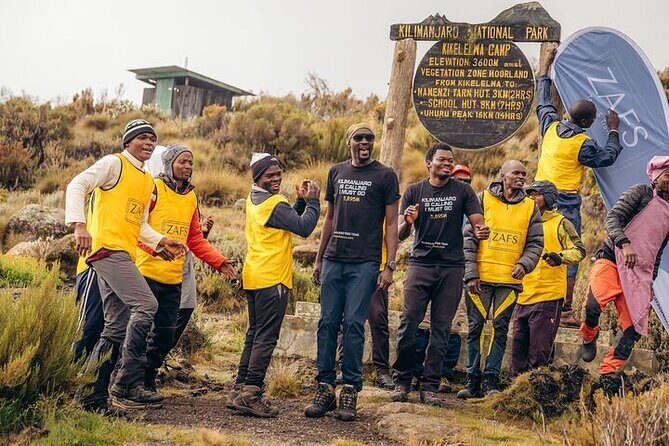
- Private group: only your group joins the trek, not a mixed crowd
- Safety kit included: first aid access plus emergency oxygen and rescue fees
- Experienced leadership: guides with at least 8 years on Kilimanjaro, Wilderness first responder certified
- Acclimatization built in: a full extra night at Horombo to help you adjust
- Support staff ratio: roughly 4:1 support for smoother hiking and comfort
- Summit timing: the hardest push starts early, between midnight and 2 a.m.
Moshi setup: airport transfers and two nights before/after
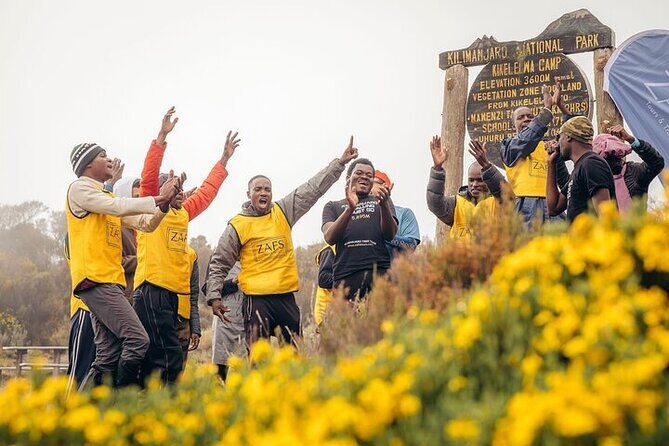
Your trip starts around Moshi, but the meeting point is Kilimanjaro Airport. If you fly in, that matters because you’re not left guessing how to get sorted the day before your first hike. This tour includes airport pick-up and drop-off and the transfers to and from the mountain, so you’re moving as a unit from day one.
You also get two hotel nights on bed & breakfast basis: one before the climb and one after. That sounds simple, but on a mountain where cold, altitude, and fatigue stack up, the “sleep you can actually control” is a real value. You’ll also want that post-trek recovery night, since Day 6 is a long, messy descent (more on that later).
This is listed as a private tour/activity, so the pace can be managed around your group rather than shaped by strangers. Also, the trek asks for moderate physical fitness—not “train for Everest,” but you shouldn’t treat this as a casual walk.
You can also read our reviews of more private tours in Moshi
Marangu Day 1: the rainforest push to Mandara Hut
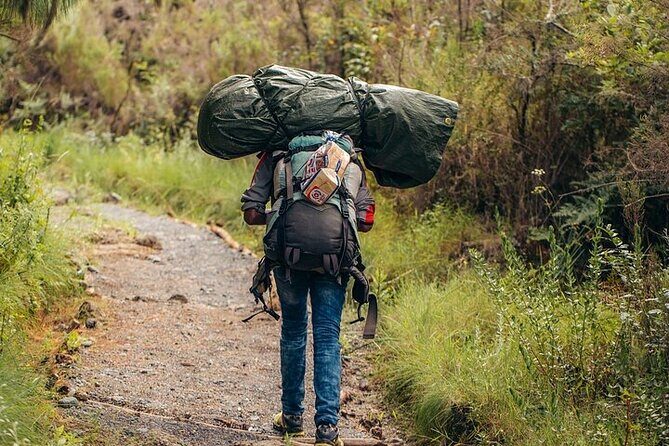
On Day 1, you’ll drive about 60 minutes from Moshi to the Marangu area and the Kilimanjaro National Park gate. At the gate, there’s a permit process, and you’ll spend time waiting while other crews prepare. It’s loud and active down there, but it’s also useful: your guide can set expectations while you’re still at lower elevation.
Then you step into rainforest hiking. This is one of the most memorable zones because the air feels different—cooler, wetter, and alive with plant life. It’s also where you need to take care immediately. The trail can be muddy and slippery, so rain gear and trekking poles are not optional in spirit. If you’ve ever had a slick boot moment, you already know why.
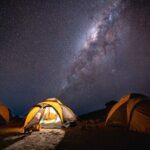
You’ll sleep at Mandara Hut, described as wooden A-framed huts in a forest clearing. Huts are not luxury hotels, but that’s exactly the point on Kilimanjaro: predictable shelter so you can focus on the climb.
Marangu Day 2: heathland and moorlands toward Horombo, with Mawenzi views
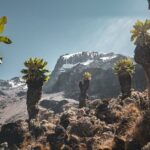
Day 2 starts with a breakfast and then moves uphill as the environment shifts. You leave the rainforest and climb into heathland, with a chance to spot giant lobelias and groundsels. As you continue higher, the vegetation becomes lower and scrubby, turning into open moorlands.
This day is a steady altitude build. There’s a halfway lunch stop with amazing views of Mawenzi, which is a great mental reward because it makes the mountain feel real instead of abstract. By the time you reach Horombo Huts in the late afternoon, temperatures begin to drop—another reminder that Kilimanjaro punishes the “I’ll be fine in a T-shirt” plan.
Again, huts are part of the experience. Expect a mountain routine: hike, eat, sleep, repeat. If you like structure and clear marching orders, you’ll probably feel less stressed than you would on an unassisted plan.
Day 3 at Horombo: that extra night is your altitude insurance
Day 3 is where this route earns its keep. You’ll have a full day and a second night at Horombo. That’s not wasted time—it’s acclimatization.
You can simply rest at the huts, which some people need more than they realize. Or you can take a stroll toward Mawenzi base camp, with a stop near the Zebra Rocks area, then return to Horombo. That hike is strongly recommended in the plan because it helps your body learn the altitude while you’re still not on the steepest final section.
What I like about this setup is that it gives you a choice without forcing you to be a hero. If you’re feeling good, you can stretch and explore. If you’re not, you can recover and still gain the acclimatization benefit of the extra night.
Day 4: crossing the saddle to Kibo Hut before the summit night
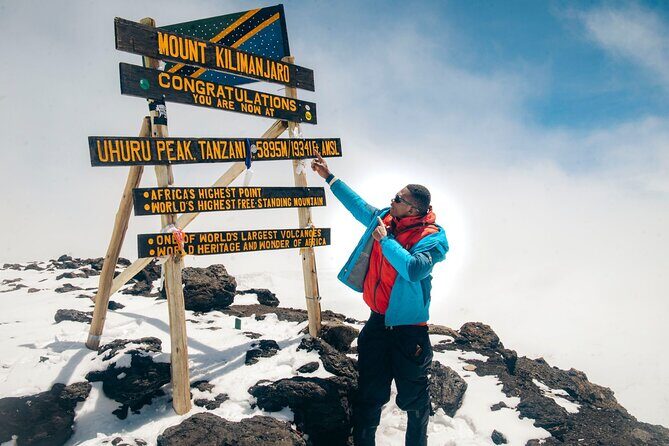
Day 4 is a turning point. After breakfast, the trail moves through dwindling heathland that gradually turns into a moonscape as you enter the saddle connecting Mawenzi and Kibo. This is one of those stretches that looks more “other planet” than “tropical hike,” and it’s a good time to remind yourself: the way you feel now is not the way you’ll feel at the top of Kibo later.
You’ll stop for lunch, then cross the saddle. The plan also notes a key practical fact: the last place where water is available is at 4130m. That means you’re meant to follow the guide’s advice on pacing and hydration. Don’t treat water like an afterthought.
From Kibo Hut, the summit is now a further 1195m of ascent. And because you’ll do the summit ascent tonight, you’ll need to go to bed early to bank rest. This is where you stop “thinking like a tourist” and start thinking like a summit climber: conserve energy, stay warm, and trust the timing.
A few more Moshi tours and experiences worth a look
Day 5: midnight start, scree climbs, and the Gillman’s Point sunrise
This is the big night, and the plan is clear that it’s the most mentally and physically challenging portion. You’ll start early, between midnight and 2 a.m., aiming to climb while conditions are stable and before daylight changes everything.
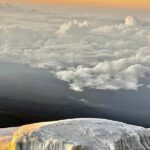
You’ll ascend in switchback formation to help you manage steep ground. Expect heavy scree and possibly snow as you work up toward Gillman’s Point on the crater rim. You’ll have a short rest there, and that’s when the plan promises what many people remember most: the most magnificent sunrise during your short break.
If you’re a faster hiker, you might be able to see sunrise from closer to the summit. But your job isn’t to race. Your job is to keep steady steps going when breathing gets weird.
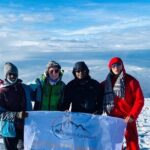
After Gillman’s Point, you have about one more hour ascent to Uhuru Peak. The plan also suggests you may encounter snow after that stage, so warmth and careful movement matter.
Also, a practical thing I appreciate: a guide-led summit plan like this reduces the “What do I do next?” stress. When you’re tired and cold, decisions hurt.
Day 6 descent to Mandara Hut and back to Moshi
After breakfast, you’ll do a ceremony of appreciation and team bonding with your crew—guides, cooks, porters. Then it’s time to descend. The plan includes a lunch stop at Mandara Huts, then you’ll return to the Marangu Park Gate and pick up a vehicle back to Moshi (about 60 minutes).
This day tends to feel longer than it should because the terrain can be wet, muddy, and steep. The plan specifically recommends gaiters and trekking poles here. If you’ve ever done a long downhill and realized your knees didn’t sign up for that, you’ll appreciate having gaiters on a muddy slope.
When you return to the gate, you’ll receive summit certificates. Also, you’re expected to tip guides, cooks, and porters since you’ll be leaving them at the mountain.
Safety and support that matter on summit days
The headline claims here are worth unpacking, because on Kilimanjaro the details are what keep things from going sideways.
This operator’s guides have a minimum of 8 years of experience on the mountain and are Wilderness first responder certified. That’s not just a badge—it usually translates into better pacing, smarter decision-making during altitude stress, and practical emergency thinking.
They also emphasize daily health checks, plus special guidance to help you reach the top successfully. If you’ve seen how summit attempts can unravel due to attitude rather than ability, you’ll understand why “health checks” and coach-like guidance matter.
One of the biggest practical inclusions is the emergency oxygen cylinder, plus access to a first aid kit. Oxygen doesn’t guarantee success, but it signals that they plan for worst-case altitude situations instead of hoping for the best.
There’s also a strong staffing model: meals and water are handled, porters carry your duffle bags, and the support staff to climbers averages about 4:1. Reviews repeatedly highlight that kind of team care—people mention being encouraged throughout, feeling comfortable, and having their stuff delivered on time. In past climbs, guides such as Alex and Moshi are specifically called out for kindness and patience.
Price and value: what $2,000 really buys in this setup
$2,000 per person is not a bargain price. But it’s also not just “a guide and a flag.” In the included list you get things that are expensive or annoying to arrange yourself:
- Airport pick-up and drop-off, plus mountain transfers
- National Park entry, huts and climbing fees, plus rescue fees
- Two hotel nights before and after on bed & breakfast
- All meals and drinking water on the mountain
- Access to first aid kit and emergency oxygen
- A summit certificate
Then there’s the private structure and support staff ratio (about 4:1). If you’re doing Marangu and you want the logistics carried so your energy goes into hiking, that’s where the value shows up.
What’s not included is also important for “is it worth it?” math: your trekking gear, snacks, and your travel insurance up to 6000m. If you already own solid gear, that part is easy. If you don’t, factor in rental costs and the time to shop. And tipping isn’t included.
So my take: if you want a guided, structured, safety-forward plan that reduces day-to-day stress, this price can feel fair. If you want to keep costs low by handling permits, food, and logistics on your own, you’ll likely find cheaper options—but not with the same built-in safety and support.
Gear, fitness, and insurance: the stuff the mountain expects
This climb is doable for people with moderate physical fitness, but Kilimanjaro still demands preparation. The itinerary includes temperatures dropping, scree, and possible snow—especially around the summit push. So you should plan for cold at night and changing conditions.
The tour information repeatedly points to specific gear needs:
- Rain gear and trekking poles for the slippery, muddy lower trails on Day 1
- Gaiters and trekking poles recommended for the muddy, steep descent on Day 6
- Bring your own personal trekking gear (it’s not included)
On insurance, the requirement is clear: you must be insured for trekking up to 6000m. That’s a non-negotiable practical item. Don’t buy a policy that only covers beach-to-hotel travel.
Finally, you’ll want to be mentally ready for the early summit start. The most challenging section begins between midnight and 2 a.m. If you know you struggle with that kind of schedule, start your training for sleep deprivation now—or choose a strategy that makes night climbing realistic for you.
Should you book this private Marangu climb?
Book it if you want:
- Private group pacing and support
- A route with built-in acclimatization time (that extra Horombo day)
- A clear safety structure: first aid access, emergency oxygen, rescue fees included
- Someone to handle the hard parts: park logistics, huts, meals, and water
Skip it or compare other options if:
- You still need to source key trekking gear and don’t have time to prepare
- You’re not ready for the summit night schedule (midnight to 2 a.m.)
- You haven’t arranged insurance up to 6000m, since that requirement is strict
If you’re the type who likes a plan you can trust—boots on, step by step, no guessing—this private Marangu option is a solid match.
FAQ
How long is the Kilimanjaro private climb on the Marangu Route?
The trek runs for about 6 days, with the itinerary structured across hut nights and a summit push, then a descent back to Moshi.
When does the summit ascent start?
The itinerary says the summit day begins with an early start between midnight and 2 a.m.
What does the tour include for meals and water?
The tour includes all meals and drinking water on the mountain. Meals and drinks off the mountain are not included, and snacks on the mountain are also not included.
Are airport transfers and hotel nights included?
Yes. You get airport pick-up and drop-off plus transfers to and from the mountain. The package also includes 2 nights of hotel accommodation before and after your climb on a bed & breakfast basis.
Is travel insurance required?
Yes. You must be insured for trekking up to 6000m. Travel insurance is listed as not included.
Is this climb truly private?
Yes. It’s a private tour/activity, meaning only your group participates.