REVIEW · ARUSHA
5 Days Group Camping Safari
Book on Viator →Operated by Suricata Safaris · Bookable on Viator
Big safari days start with small details. This 5-day camping safari from Arusha strings together Tarangire, Lake Manyara, Serengeti, and Ngorongoro for big-animal viewing, plus included meals and a private guide.
What I like most is how the driving is built around real wildlife areas, not just checkmarks. Second, I really appreciate that you get private 4×4 game drives with a guide who focuses on the ecosystem and animal behavior.
One consideration: this is camping in the bush, so it is not a hotel-style stay. If you want polished comfort all day long, this might feel rustic.
In This Review
- Key things to know before you go
- Entering The Safari World: Route, timing, and how it feels
- Price and what $1,100 buys you in the real world
- Your Arusha start point and the small-group setup (max 7)
- Day 1 Tarangire: elephants, baobabs, and an afternoon game drive
- Day 2 Lake Manyara: extended drive and flamingos depending on season
- Day 3 Serengeti Seronera area: endless plains and river-driven wildlife
- Day 4 Early safari rhythm: coffee, lunch boxes, then Ngorongoro overnight
- Day 5 Ngorongoro crater: descent over 600 meters and Lake Magadi
- Camping style, meals, and the crew effect (Max, Amiri, Salim)
- Park-to-park choices: what each stop is good for
- Who this safari suits best (and who should think twice)
- Should you book this 5-day camping safari?
- FAQ
- How many days is the 5 Days Group Camping Safari?
- What’s the starting point in Arusha for this tour?
- Is pickup offered, or do I need to make my own way to the safari?
- How big is the group?
- Which parks are included in the route?
- Are meals included?
- Are park entrance tickets included?
- Do I need any special ticket format?
- What is the cancellation policy?
Key things to know before you go
- Max 7 travelers, but private guidance and private 4×4 makes the day feel personal rather than rushed.
- Four national parks plus time in the Ngorongoro crater means nonstop variety from day to day.
- Dry-season expectations matter: Tarangire can deliver huge herds in June–November, while Lake Manyara flamingos are more hit-or-miss outside wet season.
- Serengeti Seronera area is the “water-attracts-wildlife” zone you’ll focus on.
- Ngorongoro’s descent over 600 meters is a real shift in scenery and animal density.
- Meals are included (5 breakfasts, 5 lunches, and 4 dinners), with camping tents kept described as very comfortable in past experiences.
Entering The Safari World: Route, timing, and how it feels
This safari is designed like a best-of Tanzania sampler, but with enough time in each place to actually spot animals. You’ll start in Arusha, then move park to park in a tight 5-day rhythm with early starts and long drives.
The big picture: you’re touring some of the best-known wildlife zones—elephant country in Tarangire, flamingo-and-woodland country at Lake Manyara, plains-and-river country in the Serengeti, then the crater bowl in Ngorongoro. And because it’s a small group (up to 7), you’re not fighting crowds for space when animals come close.
You should also know the pace is real. Game drives can run late morning through mid-afternoon, and you’ll swap parks on driving-heavy days, especially when moving from highlands toward Serengeti and later toward the crater.
A few more Arusha tours and experiences worth a look
Price and what $1,100 buys you in the real world
At $1,100 per person for about 5 days, the value mostly comes from what’s bundled. The trip includes accommodation (camping style), meals, and park entry tickets are listed as free under the tour’s admissions line items.
For many people, the math works because you are not just paying for drives—you’re paying for logistics done for you: pickup from Arusha, transfers between parks, and the guide planning your route around animal sighting chances. You also get the extra benefit of a guide who shares information on the ecosystem, not just a driver who points.
The flip side is that you are paying for access and time, not “free time.” If you want slow mornings, this itinerary is not built for it. You’re in the vehicles most days, scanning for motion in the grass and trees.
Your Arusha start point and the small-group setup (max 7)
You meet at Jevas Hotel Encore / Street House No. 9, Plot 163, Block F, Levolosi Area, Arusha. The trip ends back at the meeting point, so you are not dealing with a complicated end somewhere else.
Even though it’s called a group safari, the structure leans personal. The tour lists a private guide and a private 4×4 safari vehicle for your safari starts, and it caps the group size at 7 travelers. That matters when you’re trying to reposition quickly for sightings—fewer people, fewer delays.
One extra note to consider: for group tours, you may be combined with people doing different numbers of tour days. That’s not unusual in touring systems, but it can affect how your evenings feel (like timing of departures and who you share camp/space with).
Day 1 Tarangire: elephants, baobabs, and an afternoon game drive
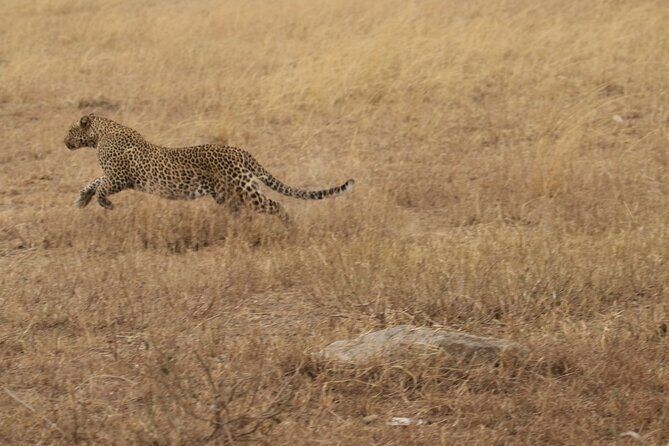
Day 1 runs after a morning departure from Arusha around 08:30–09:00. You head to Tarangire, arrive for lunch at the lodge area, then go out for an afternoon game drive.
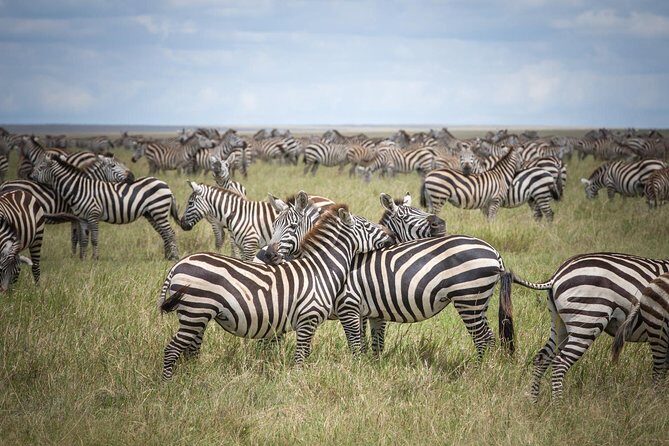
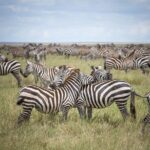
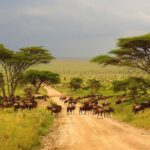
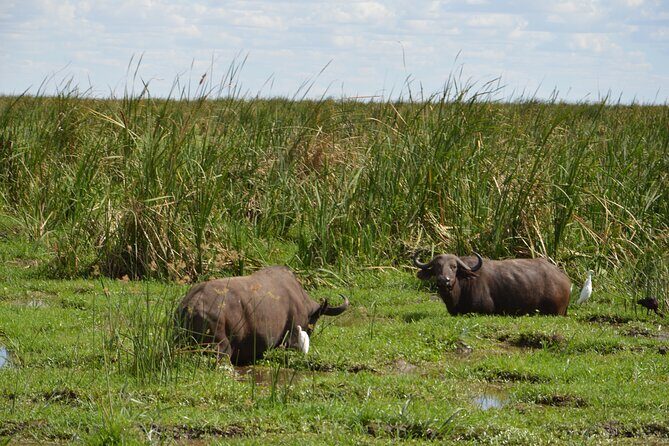
Tarangire is famous for elephant concentration and baobab trees. If you’re traveling in the June to November dry season, the description points to large herds—think zebra, wildebeest, and cape buffalo in big numbers. Dry-season timing can make a dramatic difference because animals gather around limited water.
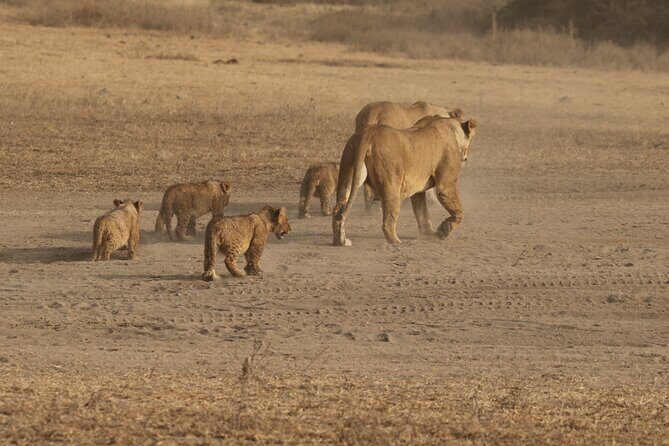
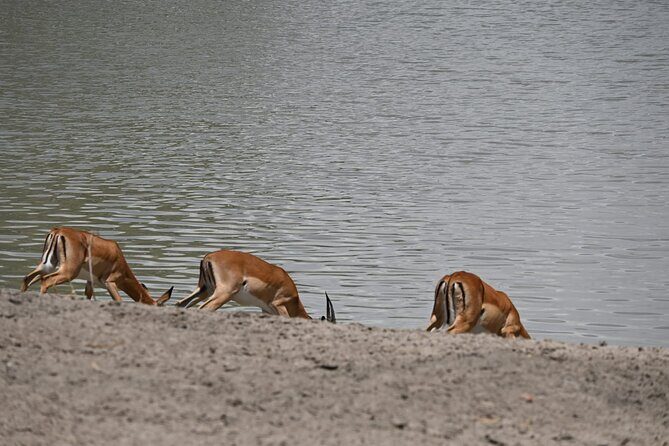
Expect a strong mix of animals: giraffe, dik-dik, impala, eland, Grant’s gazelle, vervet monkeys, banded mongoose, and olive baboons are all listed. Predators are part of the Tarangire picture too: lions, leopard, cheetah, caracal, honey badger, and African wild dog are included in the predator set your guide will be watching for.
The potential drawback of Day 1 is just practical: afternoon is when animals often start moving more, but your first day can still feel like adjusting to safari tempo. Give yourself permission to be a bit slow at first—your eyes need time to learn the terrain and spot stillness that looks like nothing.
Day 2 Lake Manyara: extended drive and flamingos depending on season
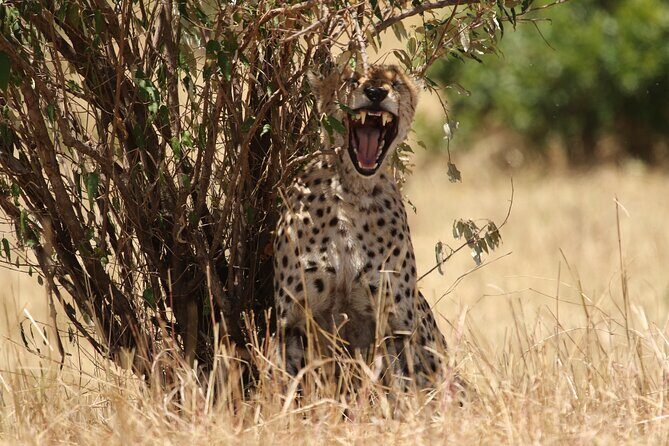
After breakfast, you depart again around 08:30–09:00 with your picnic lunch heading straight to Lake Manyara. You’ll get an extended game drive here, which is a gift—Manyara’s best sightings often come from slow scanning and being in the right area at the right time.
Lake Manyara’s claim to fame is flamingos. During the wet season, flocks can show up along the lake edges in large numbers. In the dry season, flamingos are described as much less present. So if flamingos are your top target, timing matters.
The park also offers plenty beyond birds: leopards, lions, cheetahs, elephants, blue monkeys, dik-dik, gazelles, hippos, and Masai giraffe are all listed. There’s also a hippo pond mentioned at one end of the park, where visitors can expect to spot hippos.
What you should watch for, practically: different animal types use different micro-habitats. Manyara can reward a guide who understands where to look—open areas versus wooded pockets—so this is a great day for leaning into the guide’s calls.
A few more Arusha tours and experiences worth a look

Day 3 Serengeti Seronera area: endless plains and river-driven wildlife
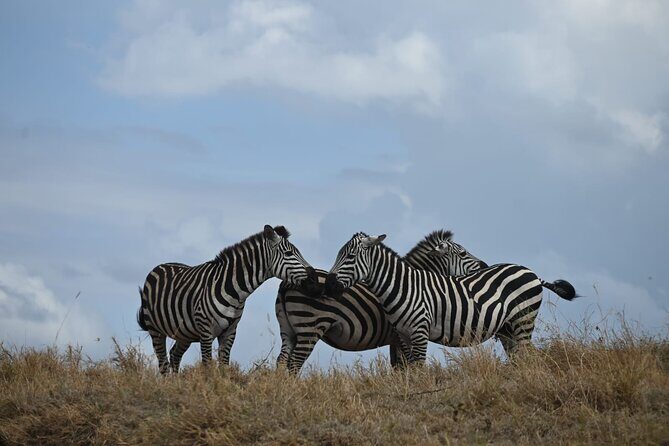
Day 3 moves you toward Serengeti after breakfast, traveling via Karatu and the Ngorongoro Conservation Area. The route crosses from higher farmland down into the Serengeti’s more open, rolling terrain.
You’ll aim for lunch and then take an afternoon game drive in the Seronera area, described as one of the richest wildlife habitats. The reason is simple: the Seronera River provides a steady water source, which pulls animals into predictable zones.
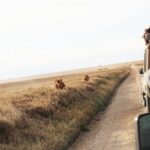
This is the day that tends to feel the most like classic safari. You get big spacing and long sight lines, so you can look for movement across the plains rather than only scanning bush edges.
Even though the description doesn’t list specific Serengeti animals one-by-one for this day, it ties the area to broad wildlife representation across Serengeti’s species. In practice, that means your guide’s job is to read the scene and decide where the day’s best chance will happen—near water, grazing routes, or predator-prey intersections.
Day 4 Early safari rhythm: coffee, lunch boxes, then Ngorongoro overnight
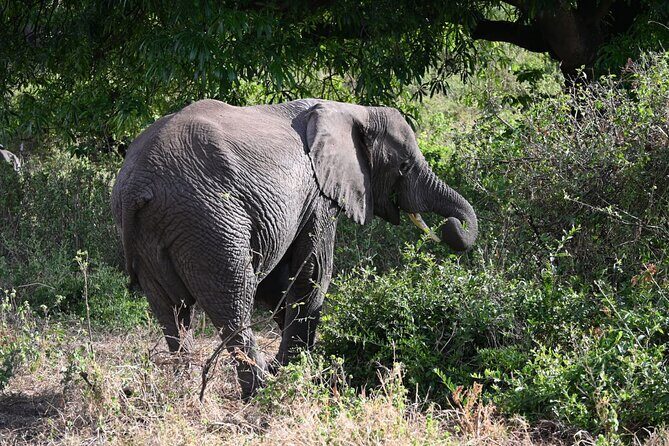
Day 4 starts with a small but meaningful rhythm shift: early coffee, tea, and biscuits, then you’ll go out with lunch boxes for an early morning game drive between 08:00–14:30.
That long morning-to-afternoon window is important. Many of the best predator and herbivore interactions don’t always fit neatly into a short block. Give yourself time to notice patterns: where animals regroup, where they avoid, and where they stop moving.
After the early drive, you depart toward the Ngorongoro Conservation Area while enjoying a game drive en route. Then you’ll have dinner and overnight at your Ngorongoro-side stop.
One thing I’d keep in mind: travel between major zones can be bumpy and time-consuming. If you’re sensitive to road motion, plan for it. It’s not a reason to avoid the safari—just something to be ready for so you don’t waste energy feeling cranky.
Day 5 Ngorongoro crater: descent over 600 meters and Lake Magadi
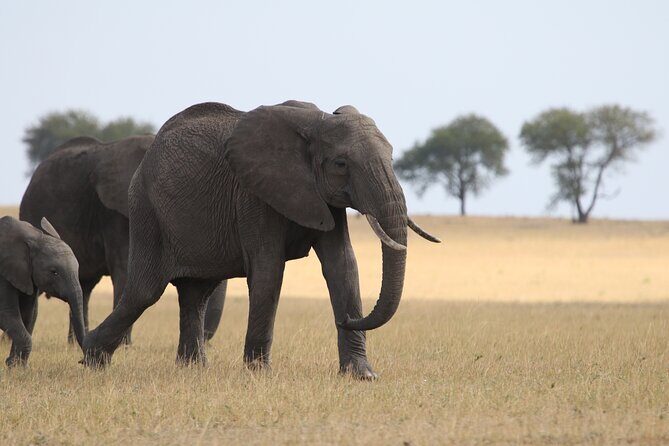
Your last day begins with an early breakfast and then the highlight moment: you descend over 600 meters into the crater to view wildlife. That drop matters because it changes altitude and habitat, plus it funnels animals into concentrated areas—exactly what makes Ngorongoro so famous.
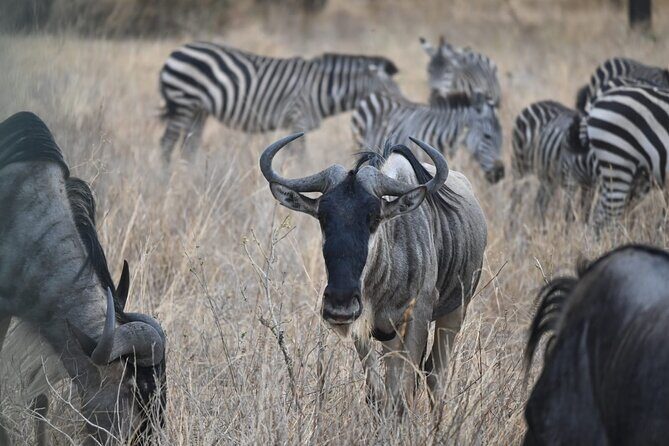
Ngorongoro is described as supported by year-round water supply and fodder, which supports a vast variety of animals. You can expect herds of wildebeest, zebra, buffalo, eland, warthog, hippo, and giant African elephants.
Predators are a big theme here. The description points to lions, hyenas, jackals, cheetahs, and an “ever-elusive” leopard that sometimes takes a trained eye to spot. That’s a polite way of saying: you can’t force leopard luck, but your guide can improve your chances by watching the right habitat edges and patience zones.
You’ll also visit Lake Magadi, a large but shallow alkaline lake in the southwestern corner of the crater. It’s one of the crater’s main features, and the water setting can influence where animals concentrate during the day.
Camping style, meals, and the crew effect (Max, Amiri, Salim)
This is a group camping safari, so the vibe is outdoors and communal—not a resort bubble. The good news is that comfort seems to be taken seriously in how people describe the tents, with one experience specifically calling out very comfortable tents.
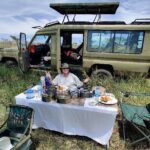
Meals are clearly part of the value. The tour lists 5 breakfasts, 5 lunches, and 4 dinners included. And you should expect real cooking, not just snacks—at least one experience specifically praises the chef, with a named chef Salim getting credit for food quality and abundant meals.
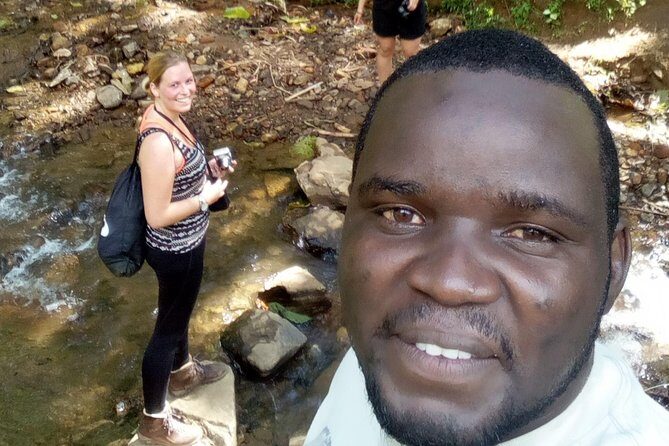
Guides matter a lot on safaris because the job isn’t just driving. It’s reading tracks, predicting movement, and explaining what you’re seeing. Past named guide mentions include Amiri and Max, both connected to being organized and going the extra step to share information about animals and birds.
If you’re someone who likes a guided explanation while you watch, this setup fits. If you prefer total silence and just blank staring, the guide’s talking time can still be useful—because it helps you spot things faster.
Park-to-park choices: what each stop is good for
I like how the itinerary spreads your chances across different ecosystems rather than repeating one “same-feel” park twice. Tarangire brings elephants and baobabs. Lake Manyara brings woodland variety plus flamingos when the season lines up.
Serengeti is your plains and river systems day, focused on the Seronera area. Ngorongoro is the predator-and-density day, with the crater funnel effect and the descent over 600 meters doing much of the work for you.
The tradeoff is time spent traveling. This kind of safari works best if you accept that seeing wildlife means you’ll also spend time in transit windows. Your payoff is the variety in habitats and animal behavior from day to day.
Who this safari suits best (and who should think twice)
This safari is a strong fit if you want the Tanzania highlights in one efficient trip, and you like a guided approach. You’ll likely enjoy it most if you’re comfortable with a small group, early mornings, and camping nights.
It also suits couples and friends who want more personalization than a big coach safari. With private guidance and a small cap at 7 travelers, you should feel like part of the day, not a passenger watching others.
Think twice if you hate camping, want lots of downtime, or are traveling as someone who needs a perfectly quiet schedule. The itinerary is packed with drives and game drives, and that leaves less room for flexible side trips.
Should you book this 5-day camping safari?
If you want a classic Tanzania combo—elephants, flamingos seasonally, Serengeti plains, and Ngorongoro crater—this is a solid package. The biggest reason to book is the blend of included meals, park entry coverage as listed, and private guide + small-group structure.
I’d book if you’re excited by the idea of spending your days scanning for predators and herds, and you’re fine with camping-style nights in exchange for big wildlife country time. I’d pause if you’re mainly after luxury lodging or you need a very relaxed pacing, because this is built around wildlife viewing blocks.
If your schedule allows, pick your travel month carefully. June to November can boost the “big herds” expectation at Tarangire, and wet-season timing affects flamingo odds at Lake Manyara.
FAQ
How many days is the 5 Days Group Camping Safari?
It runs for 5 days, approximately.
What’s the starting point in Arusha for this tour?
The tour starts at Jevas Hotel Encore / Street House No. 9, Plot 163, Block F, Levolosi Area, Arusha, Tanzania, and it ends back at the same meeting point.
Is pickup offered, or do I need to make my own way to the safari?
Pickup is offered, and you’ll also use the meeting point in Arusha as the main reference.
How big is the group?
This tour/activity has a maximum of 7 travelers.
Which parks are included in the route?
Tarangire National Park, Lake Manyara National Park, Serengeti National Park, and Ngorongoro Conservation Area are all included.
Are meals included?
Yes. Breakfast is included 5 times, lunch is included 5 times, and dinner is included 4 times.
Are park entrance tickets included?
Park admissions are listed as free for each day’s park segment.
Do I need any special ticket format?
The tour lists a mobile ticket, and you’ll receive confirmation at the time of booking.
What is the cancellation policy?
You can cancel for a full refund up to 24 hours in advance of the experience’s start time. If you cancel less than 24 hours before the start time, the amount paid is not refunded.