REVIEW · ARUSHA
4-Day Safari from Arusha: Tarangire, Serengeti and Ngorongoro
Book on Viator →Operated by Bestday Safaris · Bookable on Viator
Four days, three parks, nonstop wildlife odds. This private safari route from Arusha ties together Tarangire, Serengeti, and Ngorongoro with a pop-up roof jeep and a guide focused on what you are seeing in the moment.
What I love most is the way the trip includes real value up front: park fees, meals, accommodation, and 1.5 liters of water daily. I also like that you get multiple game-drive blocks instead of one or two quick hits, so your chances improve over time, not just on day one.
The main drawback to consider is the pace: four days packed with driving and early starts can feel long, and nights in Arusha aren’t included, so plan your arrival and departure day carefully.
In This Review
- Key Things You’ll Notice on This Safari
- A 4-Day Private Safari Route From Arusha That Hits the Big Names
- Why This Tour’s Private Jeep Setup Changes Your Odds
- Day 1: Tarangire National Park and the Elephants Around Baobabs
- Day 2: Serengeti’s Seronera Area for Classic Plains Encounters
- Day 3: Ngorongoro Conservation Area With Morning Chances and Flexible Stops
- Day 4: Ngorongoro Crater Full-Day Game Drives and Predator Country
- Price and Logistics: Is $1,753.34 Per Person Worth It?
- Hot Air Balloon Upgrade: A Different Way to See Ngorongoro
- Season, Weather, and How to Pack for Long Safari Days
- Who This Safari Fits Best
- Should You Book This 4-Day Safari From Arusha?
- FAQ
- What parks and areas are included in the safari?
- Is this safari private?
- What vehicle is used for game drives?
- Are park fees and guide services included in the price?
- Are meals and drinks included?
- Is a hot air balloon ride included?
- Where does the tour start and end?
- What time does the experience begin?
- Do I need to pay for a visa or flights?
- Is free cancellation available?
Key Things You’ll Notice on This Safari
- UNESCO World Heritage hits: Serengeti National Park and the Ngorongoro area are both UNESCO sites.
- Pop-up roof jeep viewing: easier spotting for giraffes, elephants, and big cats from a stable, high vantage point.
- Tarangire dry-season animal magnets: river and swamp areas concentrate wildlife during drier months.
- Seronera River in the Serengeti: the central park area gets consistent wildlife activity around water.
- Ngorongoro Crater density: a compact “all-in-one” wildlife zone with predators and (often) the black rhino area.
- Balloon ride upgrade available: add a hot air balloon experience when you want a top-down view.
A 4-Day Private Safari Route From Arusha That Hits the Big Names
This is the kind of Tanzania safari that makes sense if you want the famous parks without feeling like you are cramming them in for a photo and a stamp. In four days, you cover Tarangire, Serengeti, and Ngorongoro Crater, with game drives and picnic lunches built in so you can actually focus on animals and not logistics.
You will also spend real time with a private guide. That matters here because the value is not just the list of species, it is the way you understand why animals are where they are—water sources, seasonal movement, and how predator sightings follow prey.
Your day starts around 8:30 to 9:00 from the Arusha National Park meeting point, and pickup is offered. The tour ends back at the meeting point, so you are not scrambling to figure out last-day transport while you are tired.
A few more Arusha tours and experiences worth a look
Why This Tour’s Private Jeep Setup Changes Your Odds
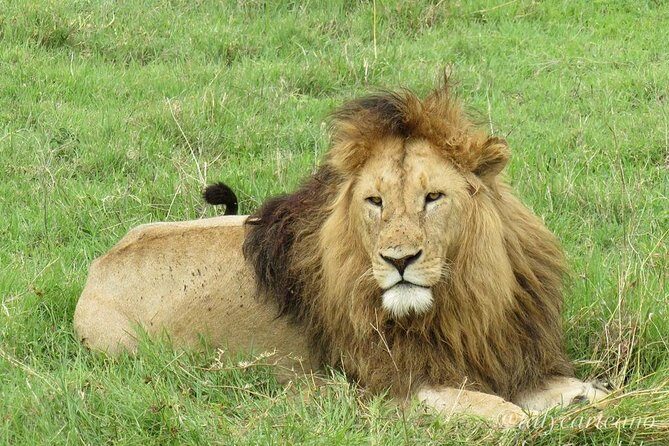
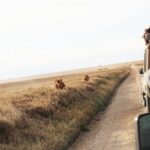
A private 4×4 safari jeep with a pop-up roof is a big practical advantage. You get a higher viewpoint for scanning, and you can move with your guide’s calls—when to slow down, where to park, and how to position for the best sightlines.
Your guide is also private, which means you can ask questions when you actually see something interesting. And in the information I reviewed, guides associated with Bestday Safaris like David and Josef were described as punctual and very experienced at reading both terrain and animal behavior. That kind of focused guiding can make a huge difference, especially for cat and rhino country.
Another small but real comfort: you get 1.5 liters of drinking water daily. On safari, hydration and basic comfort keep your energy up for longer game-drive hours and bumpy roads.
Day 1: Tarangire National Park and the Elephants Around Baobabs
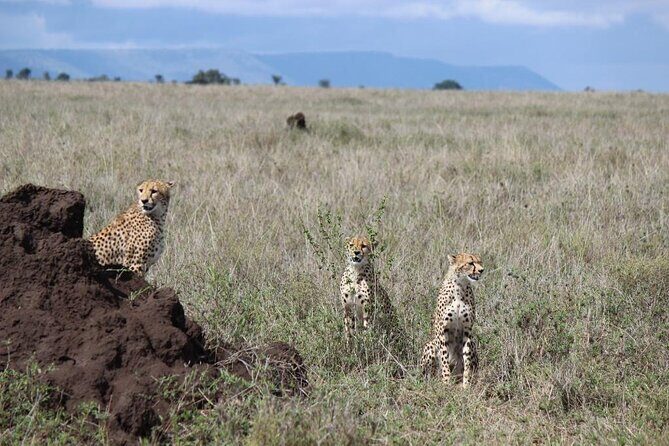
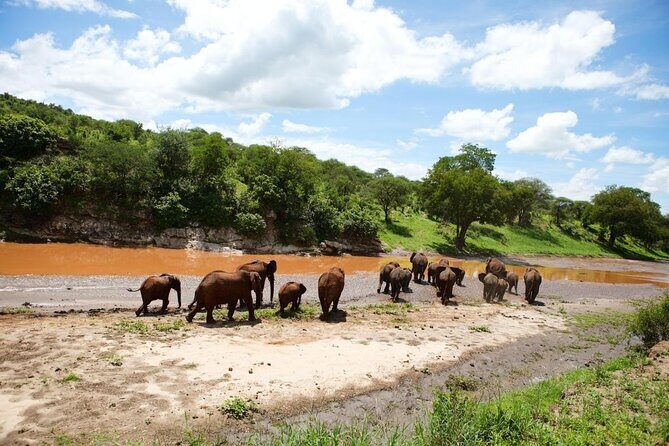
Tarangire is often a highlight because it feels different from the Serengeti’s open plains. The park is known for acacia woodland, giant African baobab trees, and big swamp areas. During the drier months, the river and swamps become a magnet, so animals cluster where water is available.
For wildlife, Tarangire has a reputation for some of the largest elephant herds in Africa. Even when you are not seeing a full parade, you typically find elephants in the same few logic-based spots—watering areas, feeding zones, and trails between them.
This day also includes a full-day game drive with a picnic lunch. That is a big deal because it keeps you from constantly leaving the search for lunch. You just stay in rhythm: drive, scan, stop, look longer, then eat and continue.
One more reason Tarangire is worth the time: it is home to rarer species such as Greater Kudu, Fringed-eared Oryx, and Ashy Starlings. You might not spot them every time, but the park is set up so your guide can work the habitat instead of guessing blindly.
Day 2: Serengeti’s Seronera Area for Classic Plains Encounters
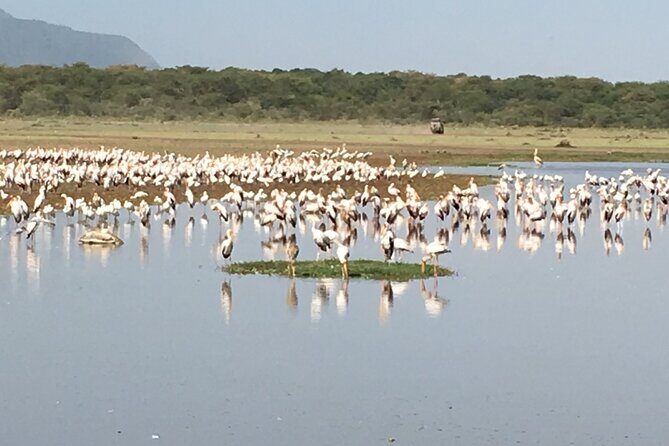
The second day is all about the Serengeti’s open scale. You drive toward the park through farmland around Karatu and the Ngorongoro Conservation Area, then you drop down from the highlands into the heart of the plains.
Once you reach the central Serengeti, the focus is the Seronera area, known for one of the park’s richest habitats. The Seronera River is the draw here, because water keeps wildlife moving and staying in the same general region longer.
This day typically includes lunch on arrival time and then an afternoon game drive. That rhythm is actually smart: you arrive, reset, and then spend your best daylight hours scanning for large herds, predators tracking them, and the everyday “small dramas” that make the Serengeti feel alive.
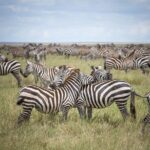
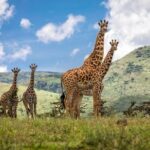
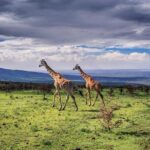
You will see the kinds of animals that define the region—giraffes, zebras, and buffalo are common targets in this part of the safari story. And because the Serengeti can be vast, having a private guide helps you avoid the feeling of driving around with no plan.
A practical note: this is a lot of vehicle time for one day, so pack for dust control and expect sun. If you are the type who gets restless scanning for hours, try to treat it like a slow sport—step, breathe, watch the horizon.
Day 3: Ngorongoro Conservation Area With Morning Chances and Flexible Stops
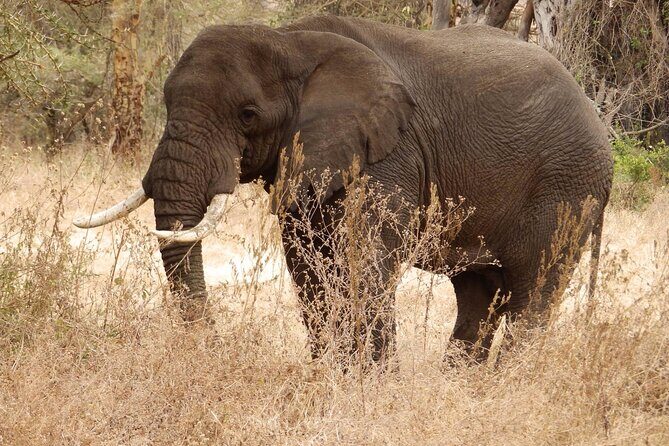
Day three shifts you into the Ngorongoro Conservation Area, which feels less like one enclosed crater and more like a transition zone where wildlife movement overlaps with wide-open country. You start with early breakfast and a morning game drive, then in the afternoon you head toward the conservation area with a game drive en route.
This structure is useful. It gives you two bites at wildlife time—one before the day fully transitions, and another while roads and terrain guide you toward where the animals are more likely to be that day.
One thing I like about this kind of pacing is that it reduces the stress of needing a perfect sighting on day three. By the time you are heading toward Ngorongoro Crater on day four, you have already built a rhythm: drive, watch, pause, and let the habitat do the work.
Also, this day helps you experience Ngorongoro beyond the crater bowl. Even if the crater steals the spotlight, you still get a fuller sense of the region’s ecology and how animals relate to water and grazing patterns across the wider conservation area.
A few more Arusha tours and experiences worth a look
Day 4: Ngorongoro Crater Full-Day Game Drives and Predator Country
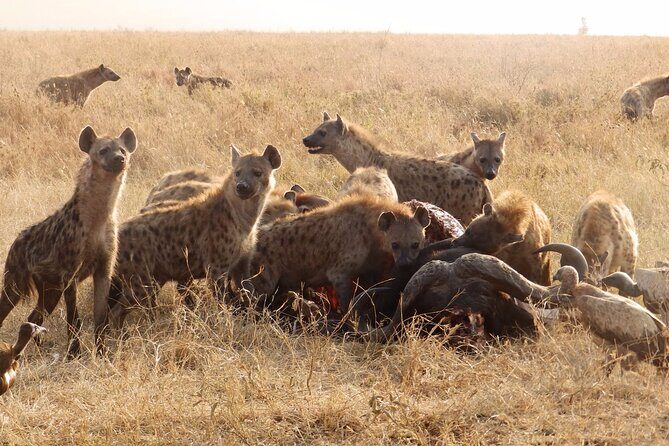
Ngorongoro Crater is the reason many people book a multi-day safari. It is one of the densest wildlife areas in Africa, with an estimated 30,000 animals living there year-round. You get to descend into the crater after breakfast and then enjoy a full-day game drive.
What makes the crater so productive is the combination of consistent food and water. With year-round water supply and fodder, animals can stay put instead of fully scattering. That is why the wildlife list here can be long in a single day.
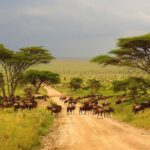
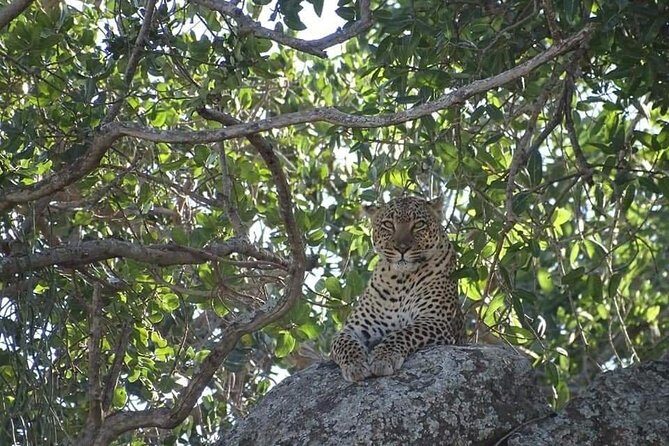
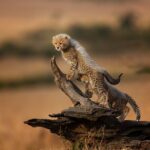
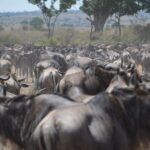
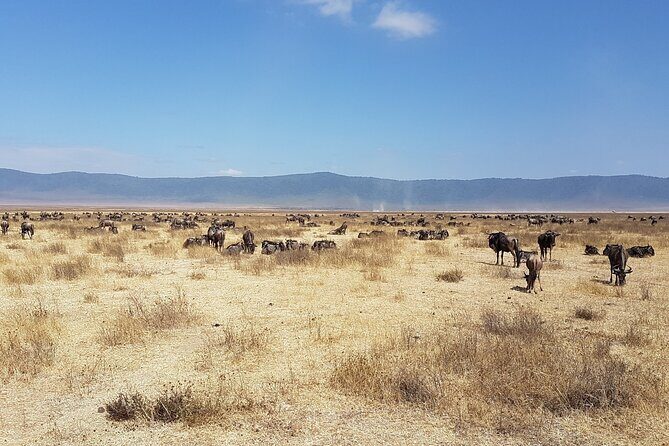
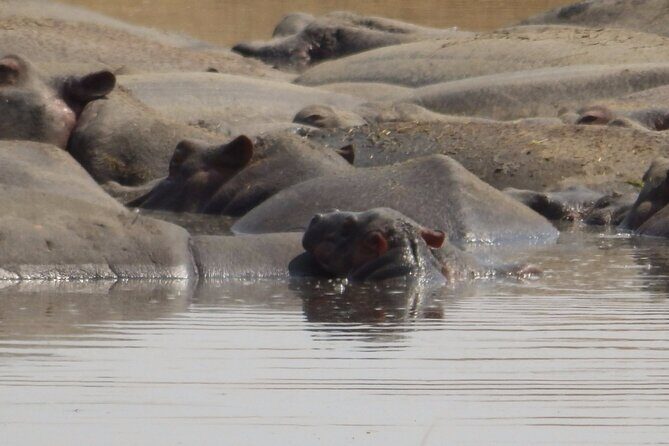
You will likely see animals such as wildebeest, zebra, buffalo, eland, warthog, hippo, and giant African elephants. And the predator story is a big part of the draw: lions, hyenas, jackals, cheetahs, and the ever-elusive leopard are all part of what your guide is watching for.
A standout detail is the mention of Tanzania’s last remaining black rhino within this area. Black rhino sightings depend on conditions and timing, but the fact that the crater supports the species is a good sign that your guide will focus on the right habitat cues.
Lunch is a picnic on the crater floor, which keeps your day moving. Then late afternoon you drive back toward Arusha, which is a nice balance: you do not end the day with a random scramble, you end it as part of the planned loop.
Price and Logistics: Is $1,753.34 Per Person Worth It?
This safari costs $1,753.34 per person and is described as booked about 54 days in advance on average. For many people, the smart question is not just the sticker price; it is what you get that would cost you more if you planned it alone.
Included elements carry serious weight:
- a private 4×4 safari jeep with pop-up roof
- a private guide
- park fees
- accommodation and meals
- 1.5 liters of water daily
- government taxes, VAT, and service charges tied to included parts
What is not included is also clearly defined: nights in Arusha, flight costs, airport transfers, and personal expenses. That means you should still budget for your arrival logistics and any optional add-ons.
For value, I like that the quote bundles the core safari expenses you cannot easily “DIY” without extra effort. You are paying for time and expertise: driving between parks, knowing where to look, and being in position during the right daylight.
One more practical consideration: a minimum of two people is required. If you are traveling solo, you may need to either share the booking or look for a different arrangement.
Hot Air Balloon Upgrade: A Different Way to See Ngorongoro
You can upgrade to include a hot air balloon ride for an extra USD 539 per person. This is optional, so you can decide based on your priorities.
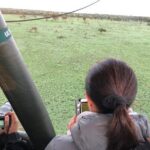
A balloon experience changes the safari feel. Instead of scanning from the ground, you get a wide-angle view of terrain and wildlife movement patterns. If you are the type who wants at least one “wow” moment that is not just about animal spotting, the balloon can be a strong fit.
If you are sensitive to schedules or early mornings, plan around the balloon day. Your base itinerary is already full, so adding anything extra can affect energy levels later.
Season, Weather, and How to Pack for Long Safari Days
You are dealing with sun, dust, and long time outdoors. Even if you start every day fresh, game drives often mean you are standing or sitting in the jeep for hours with minimal shade.
From the itinerary details, Tarangire is especially tied to seasonal water concentration, since river and swamp areas act like a magnet during Tanzania’s dry season. That does not mean the safari is only good in dry months, but it does explain why timing can influence the quality and frequency of sightings.
Pack for comfort and practical use:
- sunscreen and a hat you can keep on in wind
- lightweight layers for early morning chill and warmer afternoons
- closed-toe shoes with decent grip for crater and lodge areas
- a day bag for camera gear and essentials
Bring patience too. Some days animals feel close and calm; other days they are moving and you are doing more scanning than watching. That is not a failure. That is safari math.
Who This Safari Fits Best
This trip fits best if you want a private, structured itinerary that focuses on three top Tanzanian targets without chaos. You will like it if you enjoy being in a good rhythm: dedicated drives, guided interpretation, and breaks that are planned rather than improvised.
It is also a good match if you care about the details of ecosystem and conservation. Your guide is set up to explain the local ecosystem and conservation efforts around endangered species. That kind of context can make sightings feel more meaningful, because you understand what is at stake.
Families can participate too, as long as children are accompanied by an adult. But the pace and long days may be tough for very small kids or anyone who struggles with road time.
If you want a more relaxed safari with shorter drives between stops, this four-day plan might feel intense. If you want maximum wildlife time in a tight window, it is a solid format.
Should You Book This 4-Day Safari From Arusha?
I would book this safari if you want a focused private route with strong inclusions and you are comfortable with a busy schedule. The big strengths for your decision are the private pop-up roof jeep, park-fee and meal coverage, and the fact that the itinerary connects Serengeti and Ngorongoro in a way that builds your chances over multiple days.
I would pause and think first if you are traveling with limited flexibility for arrival or departure, since Arusha nights and airport transfers are not included. Also, if you are a solo traveler, confirm that the two-person minimum works for your plans.
If you want to add one extra “wow,” consider the hot air balloon upgrade. Otherwise, you already have plenty of big scenery and big-animal potential built in—especially once you get into Ngorongoro Crater.
FAQ
What parks and areas are included in the safari?
The itinerary covers Tarangire National Park, Serengeti National Park, the Ngorongoro Conservation Area, and Ngorongoro Crater.
Is this safari private?
Yes. It is a private tour/activity, with only your group participating.
What vehicle is used for game drives?
You travel in a private 4×4 safari jeep with a pop-up roof for game viewing.
Are park fees and guide services included in the price?
Yes. Park fees and a private guide are included, along with government taxes, VAT, and service charges tied to included parts.
Are meals and drinks included?
Yes. Accommodation, meals, and water are included. The package also lists 1.5 liters of drinking water daily.
Is a hot air balloon ride included?
No. A hot air balloon ride is available as an optional upgrade for an extra USD 539 per person.
Where does the tour start and end?
The tour starts at the Arusha National Park meeting point and ends back at the same meeting point.
What time does the experience begin?
The opening hours listed run from 8:30 AM to 9:00 AM.
Do I need to pay for a visa or flights?
No. Tanzania visa and domestic or international flights are not included.
Is free cancellation available?
Yes. You can cancel up to 24 hours in advance for a full refund.