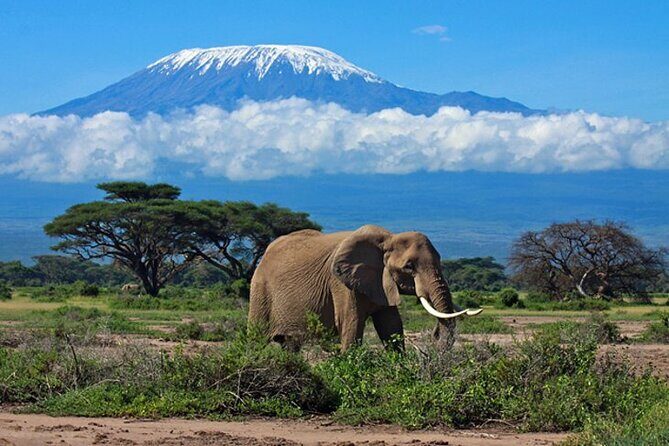
Kilimanjaro gets real fast on Machame. This small-group, camping trek up the popular Machame route lets you climb one side of Kilimanjaro and come down another, while Tanzanian guides keep the pace steady and the experience human. At the end, you’re also set up for the east-facing Mweka route and the crater-rim area at Stella Point.
I love two things most: the group stays small (maximum 10 travelers), and you’re led by experienced Tanzanian guides who bring local context to the trail. In the reviews, names like Leon, Pio, Stan, and Stanley show up again and again, and people credit the team for everything from pacing and safety to the way the days feel on the mountain.
One drawback to plan for: this is a tougher, steeper climb than gentler options, and it demands strong physical fitness. Machame is also known as the Whisky Route, which usually means you’re walking longer and dealing with rougher terrain if you want the summit plan to work.
In This Review
- Key things that make this Machame trek worth your money
- Moshi, Kilimanjaro Airport, and why timing matters
- Machame Route: the Whisky Route and the acclimatization advantage
- The 6-day camping rhythm: what each day is really about
- Summit night planning and Stella Point via the Mweka route
- Food, camp life, and the team that makes or breaks Kilimanjaro
- Price and value: why $2,255.39 can still make sense
- Who this Machame trek is best for (and who should think twice)
- Getting from Kilimanjaro Airport to the trail: what to watch
- Should you book this Machame Route tour with Habari Adventure?
- FAQ
- How long is the Machame Route tour?
- Where does the trek start?
- Is camping included?
- What meals are provided?
- How many people are in the group?
- What languages are available?
- Does the route reach the crater rim?
- Can I cancel, and what happens if weather is bad?
Key things that make this Machame trek worth your money
- Maximum 10 travelers means you get more attention on altitude, weather, and pacing.
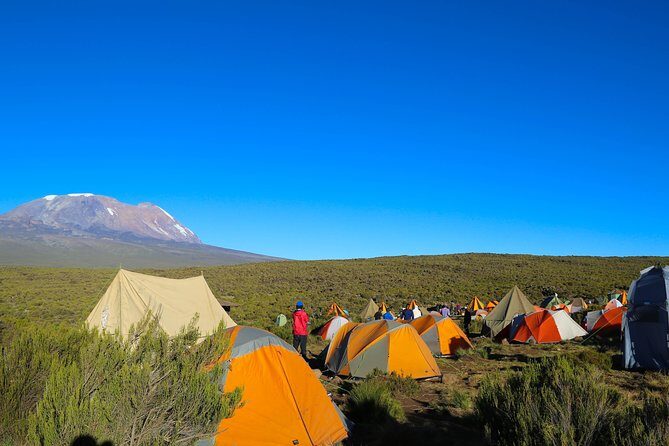
- Camping is included, so you’re not constantly moving logistics off-trail.
- Daily breakfast, lunch, and dinner are taken care of, which keeps your energy from getting wasted.
- Machame’s trek-high/sleep-low rhythm supports acclimatization better than more gradual routes.
- Machame up, Mweka down to Stella Point helps you experience multiple sides of the mountain.
- Reviews repeatedly praise the team for hospitality, safety focus, and memorable summit-night support.
Moshi, Kilimanjaro Airport, and why timing matters
You start in the Moshi area, and the listed meeting points include Kilimanjaro Airport and Kilimanjaro National Park. In practice, that usually means your first day isn’t spent guessing your way into position; you’re routed to where the trek actually begins.
For me, that matters because Kilimanjaro is not the kind of trip where you want loose ends. Altitude starts doing its thing the moment you’re moving and breathing harder, so the faster you get organized, the better your body can follow the plan.
If you’re comparing providers, I also like that the trip notes pickup is offered. Add a mobile ticket, and you usually remove a lot of arrival-day stress.
You can also read our reviews of more tours and experiences in Moshi.

Machame Route: the Whisky Route and the acclimatization advantage
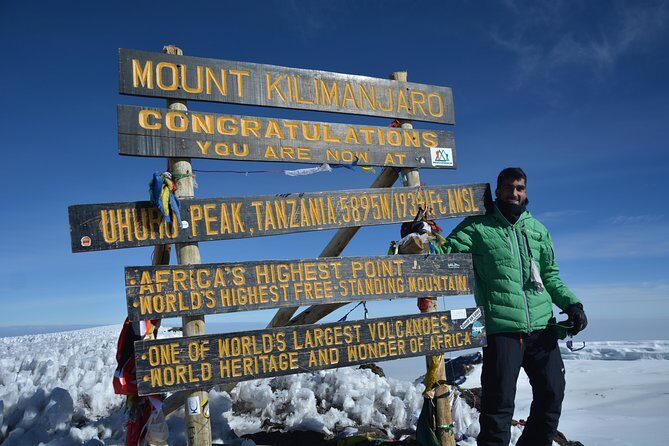
Machame is the most popular and busiest route overall. That sounds like a marketing line until you remember what it means: you’re trekking a well-known path with established rhythms, crews, and logistics. For many hikers, that reduces uncertainty.
Machame is also referred to as the Whisky Route and is “better suited to more adventurous hikers.” The core reason is simple: Machame tends to be steeper and involves longer distances compared with gentler routes like the Coca-Cola route. You’ll feel it in your legs, and you’ll notice it mentally too.
Here’s why many people still choose Machame: the topography supports the classic strategy trek high and sleep low. That helps acclimatization because your body gets repeated exposure without only climbing higher every single hour. The trek plan is also commonly done in 6 or 7 days, with 7 days often described as best for Machame-style pacing.
If you’re the type of hiker who likes a clear challenge and hates slow, boring climbs, Machame often feels like the right balance—hard work, but with a logical progression.
The 6-day camping rhythm: what each day is really about
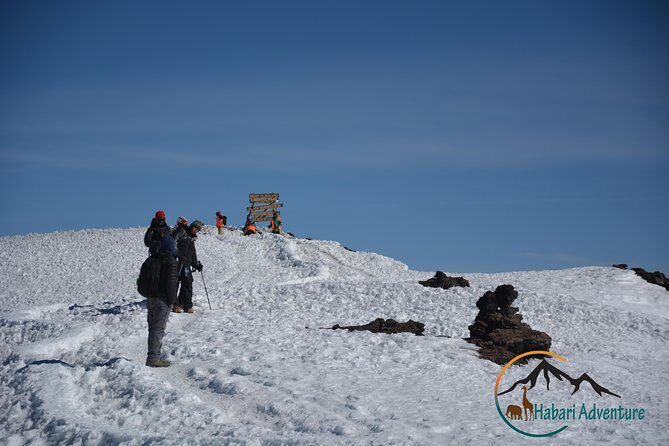
This tour runs about 6 days, with camping included. The overall pattern is geared toward acclimatization and survival, not heroics. Each day is built around moving high enough to progress, then camping so you can recover.
You also get a key Machame advantage: you go up one way and down another. That means you experience different sections of Kilimanjaro rather than doing the same trail loop twice. The trek is described as taking you through the southwest and southeast sides, which is a big part of why Machame feels fuller than one-direction climbs.
While the exact camp names aren’t provided in your data, the practical reality is consistent:
- expect repeated altitude changes that make hydration and rest non-negotiable
- expect long trekking days with breaks that keep you moving safely
- expect evenings where camp setup and food are part of your recovery cycle
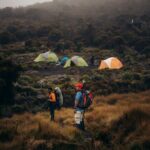
Camping changes the emotional tone of the trek too. You’re not checking into places that distract you with comfort; you’re working with the day’s reality. In the reviews, people strongly highlight the food and the way the team handles daily life at camp, which matters more than most first-timers expect.
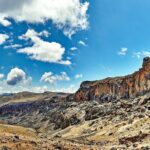
Also, Machame is known as rugged and scenic. If you want a route that feels like Kilimanjaro instead of a paved hiking day with a view at the end, this is the direction that tends to deliver.
Summit night planning and Stella Point via the Mweka route
The summit plan described here includes the final push using the east-facing Mweka route to reach the crater rim area at Stella Point. That’s a major detail, because different routes can change how the last day feels—especially in terms of exposure and fatigue.
Reviews emphasize that good guiding is not just about knowledge; it’s about timing and calm problem-solving. One review credited Stan with getting them to the summit at exactly the time suggested, reaching five minutes before sunrise. That kind of precision matters because the summit window is short, and the weather can be unpredictable.
On your last phase toward Stella Point, you’re dealing with two pressure points:
- you’re already tired from days of hiking and acclimatization
- you’re operating in the higher zone where every decision feels heavier
A tour like this is structured to keep the plan moving toward that end goal. The best part is that it doesn’t rely on luck. It relies on the team doing the boring parts well: pacing, route choice, and keeping you stable when you’re most likely to rush or panic.
Food, camp life, and the team that makes or breaks Kilimanjaro
This trek is built around daily breakfast, lunch, and dinner, with camping included. For a climb like Kilimanjaro, meals are not just fuel; they’re morale. When food arrives on schedule and tastes good, you stop wasting energy worrying about what comes next.
The reviews are full of comments about food quality and variety. People specifically called out that meals were delicious and varied, and one review noted large quantities. That’s a meaningful sign, because under-fueling is a common altitude mistake—especially when hikers get too focused on the summit and not enough on day-to-day recovery.
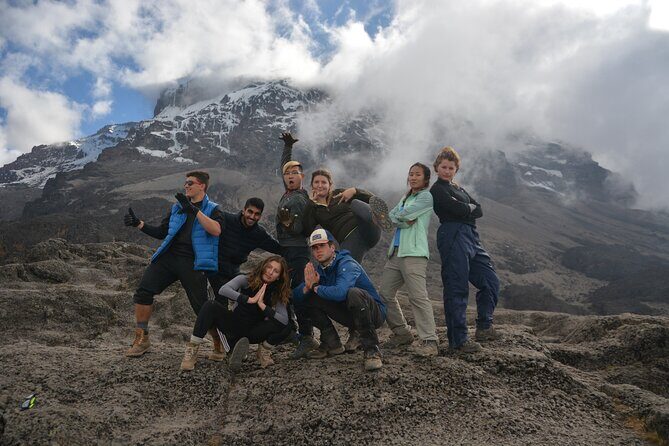
Now to the part you should actually obsess over: the people. Multiple reviews praise guides by name—Leon, Pio, Stan, and Stanley—and talk about hospitality, attentiveness, and a safety-first approach that still feels friendly. There are also mentions of a driver named Living in one account, which signals that logistics support can be handled smoothly, not left to you.
One of the most useful things you can learn from these reviews is that the good guides don’t just lead. They adjust. One review described how Stan adapted the trip to the group’s needs and even added extra acclimatization pacing on some days. That’s the difference between a checklist climb and a human climb.
If you’re nervous about the summit, don’t try to tough it out alone. This kind of small-group trek works best when you use your team’s knowledge the moment you feel off.
Price and value: why $2,255.39 can still make sense
The price listed is $2,255.39 per person for a trek about 6 days long from Moshi. On paper, Kilimanjaro can look expensive, especially if you’ve hiked other places for far less.
Here’s how I’d judge the value using what’s included in your data:
- You’re not paying for a bare guide hike. You’re paying for camping included and daily meals.
- You’re paying for a small group cap of ten, which usually means more attention per hiker.
- You’re paying for highly experienced Tanzanian guides, plus the on-the-ground support that reviews describe as essential (including porters in the accounts).
That staff intensity is the real cost driver on Kilimanjaro. It’s hard work, and it isn’t just one person with a walking stick. If the team is strong—and your reviews suggest it is—the money turns into risk reduction. Less confusion, better pacing, fewer mistakes, and more stable morale.
Could you find cheaper options? Sure, but your data is specifically pointing to a small-group camping experience with strong guide performance. If that matches your priorities, the cost becomes easier to justify.
Who this Machame trek is best for (and who should think twice)
Based on the route description and the reviews, this is best for hikers who:
- have strong physical fitness (the tour explicitly asks for it)
- want a more adventurous route feel
- are okay with longer and steeper hiking days than more gradual options
- like the idea of learning from local guides and traveling in a small group
If you’re the type who needs easy days to feel confident, Machame may frustrate you. One review called out that Stan and the team focus on safety while still keeping it fun, so the guides help. But physics still wins. Machame is steeper and longer, and that’s not something a guide can erase.
Also keep expectations aligned with route reality: Machame is popular and busy, so you’re not getting solitude at every turn. If you want a quiet, private expedition feel, Machame might not be your first pick.
Getting from Kilimanjaro Airport to the trail: what to watch
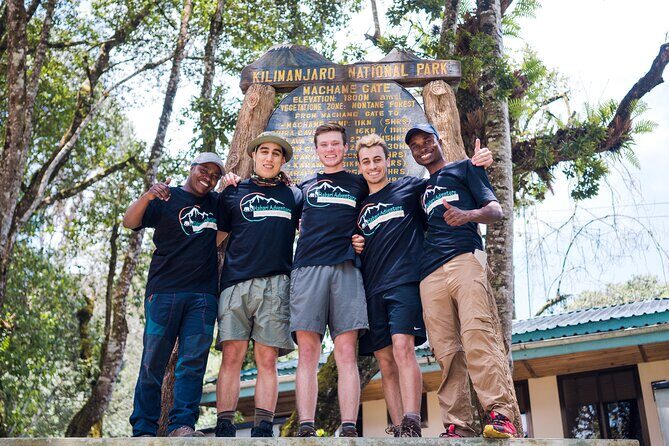
The tour notes meeting points at Kilimanjaro Airport and Kilimanjaro National Park, plus pickup offered. That’s useful because you don’t want to spend your first day negotiating transport while your body is already adjusting.
You’ll also receive confirmation at booking time and have mobile ticket access. Those details matter more than they sound, especially if you’re arriving from abroad and want everything to be on rails.
One more practical thing: the tour requires good weather. If weather cancels the trek, you’re offered a different date or a full refund. So if you’re traveling on tight timelines, you’ll want flexibility in your schedule.
Should you book this Machame Route tour with Habari Adventure?
I’d book this if you want:
- a Machame climb with the classic “climb one side, descend another” experience
- camping and daily meals included, with a team that’s consistently praised
- a route that supports acclimatization using the trek high, sleep low approach
- a max ten group size for calmer, safer guidance
I would think twice if you:
- dislike steep, long hiking days
- want a very gentle ascent style like the more gradual routes
- can’t afford schedule changes due to weather
If you match the fitness level and want the more adventurous, guided Machame experience, this looks like a strong value. The biggest selling point isn’t just the route name—it’s the repeated evidence that the guides (like Leon, Pio, and Stan) run the trip with safety, timing, and real care.
FAQ
How long is the Machame Route tour?
It’s listed as 6 days (approx.). Machame is commonly done in 6 or 7 days, and 7 days is described as best for the route.
Where does the trek start?
The meeting points listed are Kilimanjaro Airport and Kilimanjaro National Park in Tanzania.
Is camping included?
Yes. Camping is included on this 6-day Machame trek.
What meals are provided?
You get daily breakfast, lunch, and dinner during the trek.
How many people are in the group?
This is a small group tour with a maximum of 10 travelers.
What languages are available?
Tours are offered in English, German, French, and Spanish.
Does the route reach the crater rim?
Yes. The plan includes ascending via the east-facing Mweka route to the crater rim at Stella Point.
Can I cancel, and what happens if weather is bad?
There is free cancellation up to 24 hours in advance for a full refund. The trek requires good weather, and if it’s canceled due to poor weather, you’re offered a different date or a full refund.