REVIEW · MOSHI
4 Days Tanzania Budget Safari
Book on Viator →Operated by Kilitwende Adventures · Bookable on Viator
There’s something powerful about seeing big animals on a tight budget. This 4 Days Tanzania Budget Safari from Moshi strings together Tarangire, Serengeti, and the Ngorongoro Crater with camping and park drives that keep costs sensible. I like that you get real logistics help from the start, and the trip includes core basics like a guide/cook, 4×4 transport, and park fees. One thing to think about: this is camping on public sites, so you trade some comfort for closer nature, simpler meals, and a more hands-on schedule.
What makes it especially interesting is the way the itinerary hits Tanzania’s star habitats in a logical sequence. You’ll start in Tarangire’s baobabs and river magnet areas, then move into Serengeti’s open plains around the Seronera region, and finish with the crater’s dense wildlife and predator chances. I also like that the package includes hotel nights in Moshi before and after, so you’re not rushing in and out the same day. The possible drawback is that the days are long, with game drives plus transfers, so plan for early mornings and lots of time in the vehicle.
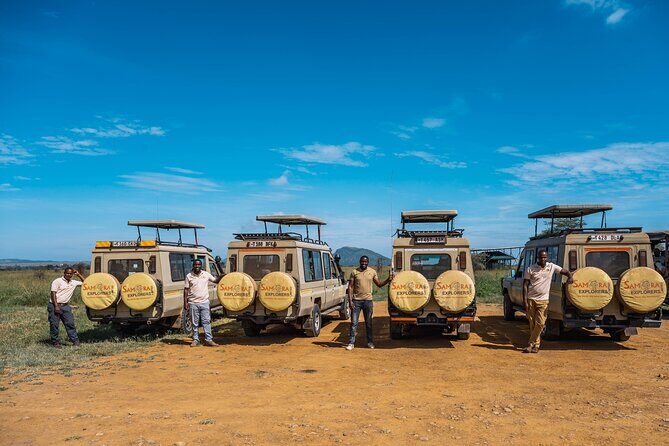
The other value point is peace of mind. You get pickup and drop-off at Kilimanjaro International Airport, bottled water, camping setup (tents and mattresses), and a Toyota 4×4 cruiser, plus all national park fees with VAT handled. If your idea of safari comfort means a private lodge room and soft beds every night, camping might feel like a step down.
In This Review
- Key Things I’d Watch Before Booking
- A 4-Day Budget Camping Safari From Moshi: What You’re Really Buying
- Day 1: Tarangire National Park and the Elephant-River Circuit
- Day 2: Serengeti via Karatu Farmland and the Seronera Water Source
- Day 3: Early Serengeti Morning, Then Ngorongoro Nights at Simba Camp
- Day 4: The 600-Meter Descent Into Ngorongoro Crater and Lake Magadi
- Camping, Food, and the Comfort Reality Check
- Price and Value: Why This Budget Package Can Still Feel Thoughtful
- Who Should Book This Safari (and Who Might Want a Different Style)
- Practical Notes You Can Use Right Away
- Should You Book This 4 Days Tanzania Budget Safari?
- FAQ
- What time does the safari start, and where do we meet?
- Is pickup and drop-off included from Kilimanjaro International Airport?
- Which parks and major wildlife areas are included?
- What meals and camping items are included?
- Do I need to bring a sleeping bag?
- Is this tour private, and can I cancel for free?
Key Things I’d Watch Before Booking
- Camping gear is included, but you may still want to bring personal items like a sleeping bag since it’s not listed as included
- All national park fees with VAT are covered, which helps avoid budget surprises
- Airport transfers and Moshi hotel nights reduce travel stress before and after the safari
- Tarangire focuses on elephants and river-driven wildlife, especially during the dry season
- Serengeti time is built for game drives, with an afternoon drive plus an early morning drive
- Ngorongoro includes the crater descent and Lake Magadi, a strong wildlife-and-scenery combo
A 4-Day Budget Camping Safari From Moshi: What You’re Really Buying
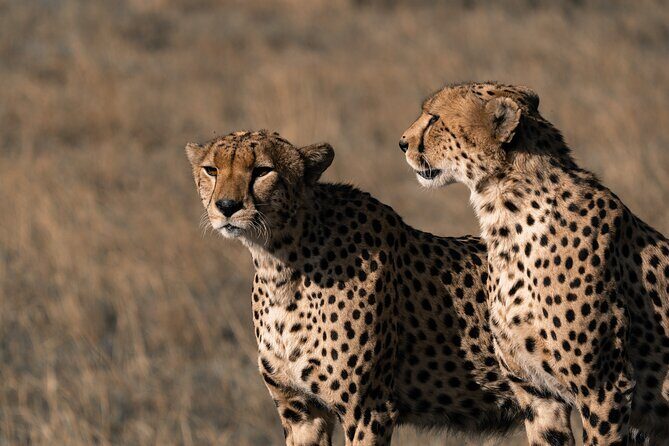
This is a budget camping safari, not a luxury lodge package. That means your “comfort upgrade” comes mostly from good planning and access, not from fancy rooms. The upside is that your money goes toward vehicle time in the parks, a professional guide and cook, and staying right in the safari rhythm with camping tents, instead of paying for high-end accommodations.
You’re paying $1,408 per person for a 4-day program (approx.), and it’s booked far ahead on average (about 304 days). That long lead time often signals a popular route at a price that still feels like a deal compared with lodge or private luxury versions.
The itinerary is also structured in a way that makes sense geographically:
- Tarangire first (elephants and baobabs)
- Serengeti next (plains and big-cat territory)
- Ngorongoro last (a crater that concentrates animals)
That order matters because it reduces wasted driving and gives you more consistent wildlife chances each day.
One more detail I appreciate: you’re not thrown into the safari instantly. You have one night before and one night after in Moshi (bed and breakfast), and you get airport pickup and drop-off. For many people, that’s where budgeting quietly pays off. You spend less time figuring out logistics and more time actually living the trip.
A few more Moshi tours and experiences worth a look
Day 1: Tarangire National Park and the Elephant-River Circuit
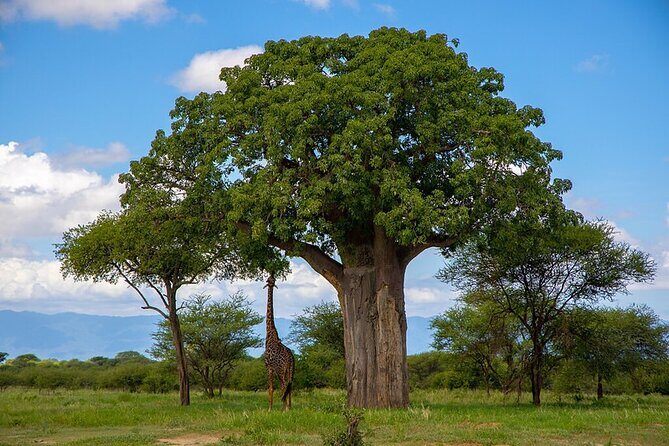
On Day 1, after breakfast, you meet your driver-guide for a short briefing and then head straight to Tarangire National Park. Tarangire sits along the Tarangire River and includes low hills on the Great Rift Valley floor, with acacia woodland, giant baobab trees, and swamp areas in the south. The key idea here is simple: in Tanzania’s dry season, the river and swamps act like a wildlife magnet.
This is also one of the best starting points if you want big elephant energy. Tarangire is reputed for some of Africa’s largest elephant herds, and the park is noted for rare species as well, including the Greater Kudu.
What I like about starting here is that you’re not immediately thrown into the open-plains feel of Serengeti. You get a different kind of safari picture: river edges, baobabs, and a sense that the terrain itself is doing a lot of the wildlife work.
The possible consideration: Day 1 is about the first big push of wildlife time, so if you’re traveling on a tight schedule into Kilimanjaro, make sure you arrive with enough buffer to be rested for that first long game drive.
Practical tip: because the schedule is camp-focused, you’ll want to be ready to move quickly between meals, drives, and setup. If you’re the type who likes to linger with camera in hand, tell your guide early. Good guides adjust pacing so you don’t feel rushed, but the day still stays on track.
Day 2: Serengeti via Karatu Farmland and the Seronera Water Source
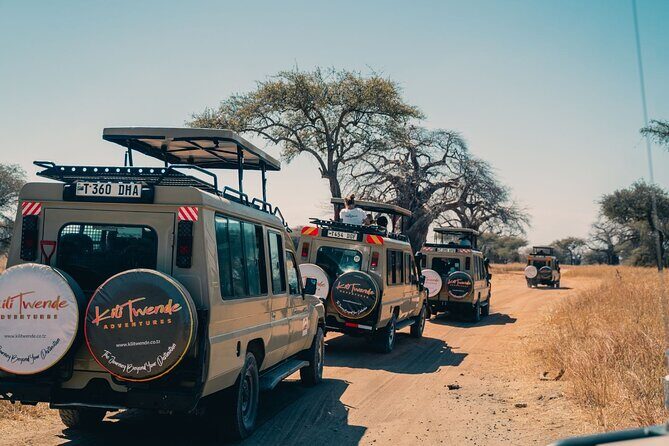
Day 2 is where the safari really shifts gears. You depart for Serengeti National Park, traveling through the high-lying farmland of Karatu and the Ngorongoro Conservation Area. That change from higher country down toward the Serengeti is more than scenery. It changes how wildlife shows up and how you read the terrain from the vehicle.
You’ll reach the heart of Serengeti and head toward the Seronera area, one of the park’s richest wildlife habitats. The reason is practical: the Seronera River provides a valuable water source, so animals concentrate there. That concentration is what makes game drives effective. Instead of scattering your attention across empty distances, you have a logical “why” for where animals gather.
The day is built for two wildlife blocks:
- Lunch on arrival, then
- an afternoon game drive in Serengeti
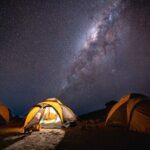
Dinner and overnight are at a Serengeti public campsite.
I like this pacing because it gives you recovery time without losing the best daylight window. People often think you need only dawn drives, but many excellent sightings happen later, especially when animals move toward feeding and water.
One consideration: the route and the park size mean you’ll spend a good chunk of the day driving. If you get motion-sick, it’s worth planning for that before you go. Also, bring a plan for protecting your phone or camera gear from dust while still getting shots.
Day 3: Early Serengeti Morning, Then Ngorongoro Nights at Simba Camp
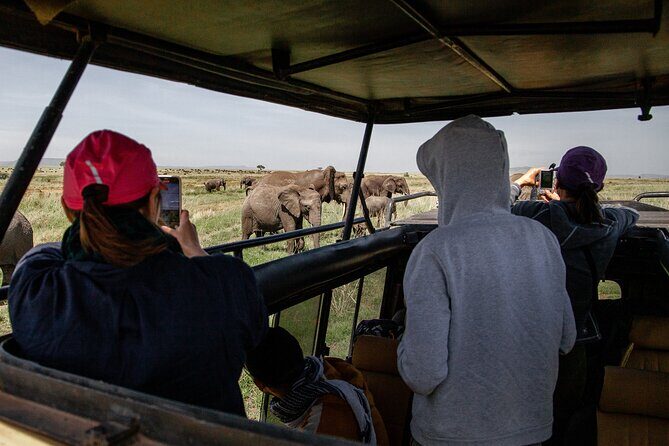
Day 3 starts with an early morning game drive in Serengeti. Early timing matters because animal activity often increases when temperatures are lower and animals are more willing to move.
Then the itinerary moves into transit plus another wildlife base:
- after lunch, you drive to the Ngorongoro Conservation Area
- you arrive for dinner and overnight at Simba public campsite
Ngorongoro is a different category of safari experience. Serengeti is about vast movement across plains. Ngorongoro is about density in a bowl-like setting. You’ll feel that difference when you later descend into the crater on Day 4.
What I like about this day is that it doesn’t force all the crater excitement into one rushed moment. Instead, you transition calmly, eat, sleep, and then take on the crater game drive fresh.
The possible drawback is the rhythm. With an early morning drive, you’ll want to manage sleep and recharge whenever you can. Camping changes how your body recovers, so don’t schedule late-night scrolling or stay up too long with gear.
Day 4: The 600-Meter Descent Into Ngorongoro Crater and Lake Magadi
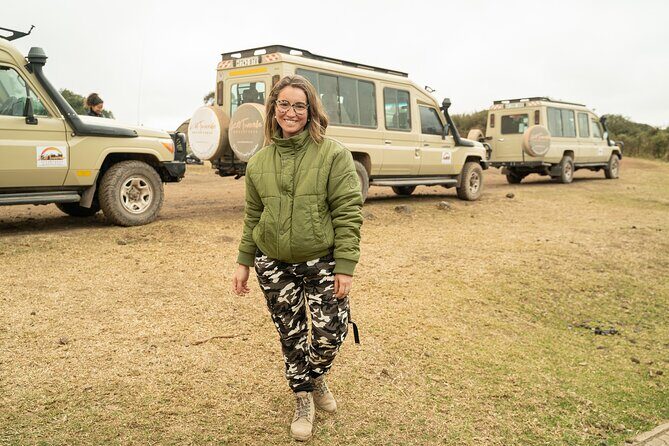
Day 4 is the payoff day. After early breakfast, you descend over 600 meters into the crater for a half-day crater game drive. This crater setup matters because it creates a kind of wildlife shortcut: with a year-round supply of water and fodder, animals stay in the crater area instead of constantly dispersing.
Expect a long list of animals in the crater environment, including:
- wildebeest
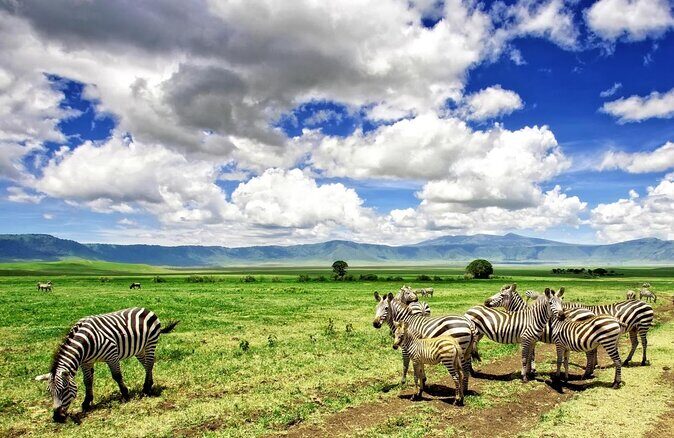
- zebra
- buffalo
- eland
- warthog
- hippo
- giant African elephants
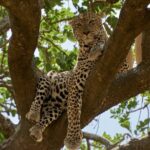
The crater is also described as having a dense predator population, including lions, hyenas, jackals, cheetahs, and the ever-elusive leopard, which sometimes takes a careful eye to spot.
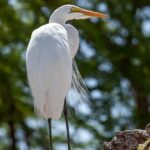
Then you add a second highlight: Lake Magadi, a shallow alkaline lake in the southwestern corner of the crater area. It’s known for birdlife, including flamingos, and it also links you to that crater “habitat in one view” feeling.
This structure is a strong choice for a short safari. In a single day, you get:
- the crater descent and the concentrated safari
- plus a specific location (Lake Magadi) that gives you a different visual and wildlife angle
Consideration: half-day in the crater sounds short, but the terrain and animal density can keep you busy. You’ll likely have a lot of “stop, scan, watch” time. If you hate waiting, that’s something to keep in mind. A good guide helps you balance patience with movement so the time still feels productive.
A few more Moshi tours and experiences worth a look
Camping, Food, and the Comfort Reality Check
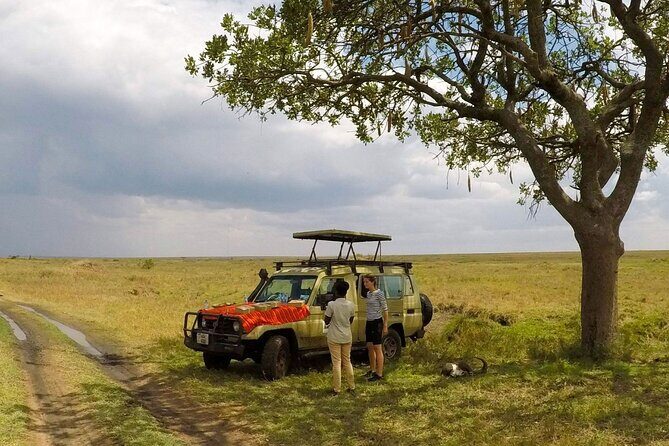
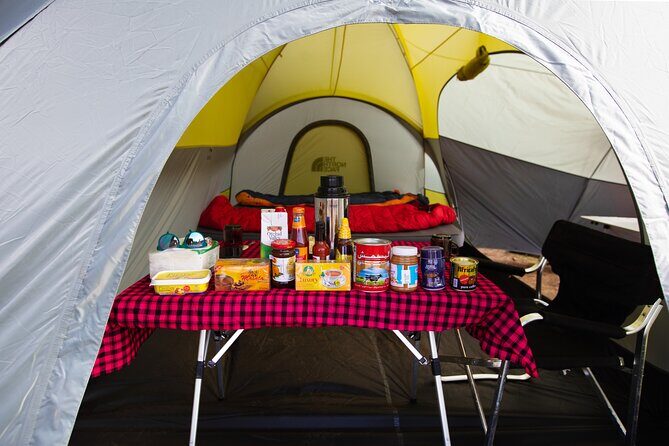
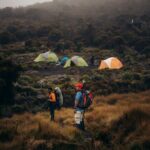
This is camping, but it’s not roughing it without support. The package includes sleeping tents, sleeping mattresses, and basic camp setup items like table and chairs. You also get three breakfasts, four lunches, and three dinners, plus bottled water.
What’s not included is your sleeping bag. That matters. A sleeping bag is often the difference between a tent that feels fine and a night that feels chilly or uncomfortable. Even if you’re used to camping, you’ll want something appropriate for warm days and cooler nights.
As for food, you should expect standard safari camping meals rather than gourmet restaurant service. The big advantage is consistency and timing. You eat when you need to so you’re not hungry during drives, and you’re back at camp with dinner ready after long park hours.
Also, because this is a private tour/activity, it’s just your group in the vehicle and on the schedule. That can improve the camping experience too, since you’re not constantly negotiating for space at camp with strangers.
Price and Value: Why This Budget Package Can Still Feel Thoughtful
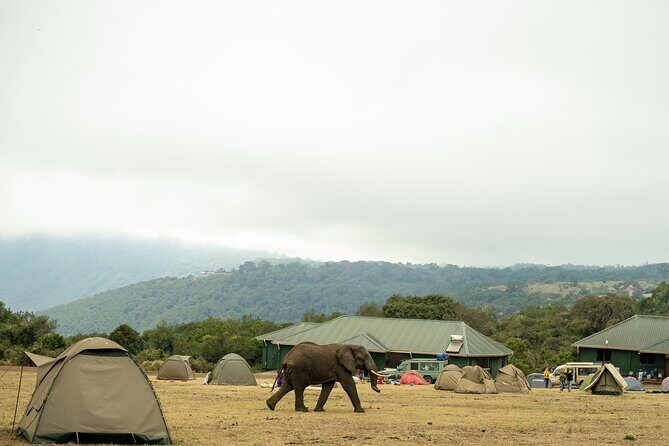
At $1,408 per person, you might wonder what “budget” really means here. In this case, it looks like budget is mostly about accommodation style (camping rather than lodges), not about stripping away the basics.
Here’s where your value comes from, based on what’s included:
- 4×4 Toyota Cruiser transport
- professional experienced safari guide and cook
- all national park fees with 18% VAT
- camp equipment (tents, mattresses, camp furniture)
- meals: breakfast, lunch, dinner
- bottled water
- hotel nights in Moshi before and after
- airport pickup and drop-off at Kilimanjaro International Airport
When park fees are included, you avoid that uncomfortable moment where your budget changes at the gate. When the guide and cook are included, you get continuity and fewer moving pieces during meal times and camp setup.
A name to know from the trip feedback is Robert Woiso, who is credited with handling logistics with care and professionalism. That’s the kind of support you feel most at the planning and timing level. Safari days run on momentum, and good coordination keeps you from losing hours to confusion.
One caution on value: camping has a cost, but it also has trade-offs. If you personally place high value on private bathrooms, hot showers, and quiet comfort, you’ll feel those differences immediately. If you’re comfortable with simple nights and want the money to go toward park time, this price can look quite fair.
Who Should Book This Safari (and Who Might Want a Different Style)
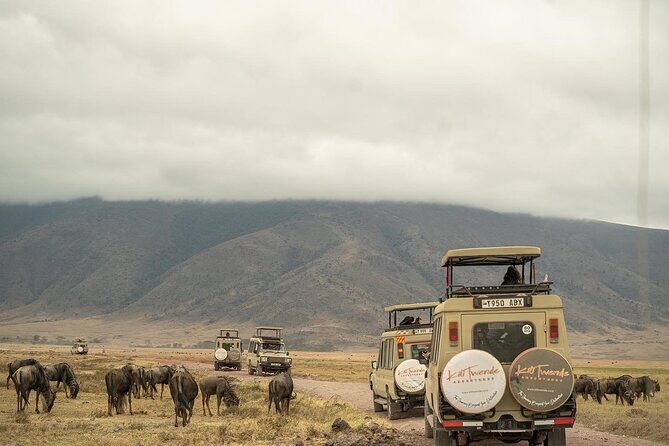
This safari fits best if you:
- want Tarangire + Serengeti + Ngorongoro in one short trip
- like the idea of camping and spending more time outdoors
- prefer a package where park fees, transport, and most major logistics are already handled
- want a private setup (only your group participates)
It might be less ideal if you:
- need lodge-level comfort each night
- hate long driving days between parks
- forget gear details and then discover you’re missing something like a sleeping bag
If you’re coming in from the Kilimanjaro area, the Moshi hotel nights and airport transfers are especially convenient. They reduce friction right when you’re arriving tired.
Practical Notes You Can Use Right Away
Start time is 8:30 am, and the meeting point is listed at KiliTwende Adventures Limited, 4th Floor, Kilimanjaro Complex, NSSF Building, Aga Khan Rd, Tanzania. The itinerary says the experience ends back at the meeting point too, so plan your departure accordingly.
Because the safari includes airport pickup and drop-off, you should align your flight schedule with that plan. If you arrive late, you can lose the whole point of that Moshi hotel buffer night.
Also, pack with the camping setup in mind:
- bring a sleeping bag (not included)
- protect electronics from dust
- keep your essentials easy to reach in the vehicle
And if you’re sensitive to early mornings, mentally prepare now. This route uses dawn light strategically, especially around Serengeti and Ngorongoro.
Should You Book This 4 Days Tanzania Budget Safari?
I’d say book it if you want a classic wildlife circuit and you’re okay trading lodge comforts for included camping essentials and a well-run schedule. The strongest reasons to choose it are the included park fees with VAT, the 4×4 vehicle, the meals, the camp gear, and the fact that you’re not left to solve logistics alone with airport transfers and Moshi hotel nights.
I would not book it if your comfort must be high every night. Camping at public sites can be a great experience, but it isn’t “set and forget” luxury.
If you’re aiming for your best value in a short window, this is a smart way to structure it: Tarangire for elephants, Serengeti for plains wildlife, and Ngorongoro for concentrated crater viewing plus Lake Magadi birdlife.
FAQ
What time does the safari start, and where do we meet?
The safari start time is 8:30 am. The meeting point is KiliTwende Adventures Limited, 4th Floor, Kilimanjaro Complex, NSSF Building, Aga Khan Rd, Tanzania.
Is pickup and drop-off included from Kilimanjaro International Airport?
Yes. The package includes pick up and drop off from Kilimanjaro International Airport before and after the safari.
Which parks and major wildlife areas are included?
The itinerary includes Tarangire National Park, Serengeti National Park, and Ngorongoro Conservation Area, with a crater game drive on Day 4 and a visit to Lake Magadi.
What meals and camping items are included?
Included items list bottled water, camping equipment (sleeping tents, sleeping mattress, table and chairs), and meals: three breakfasts, four lunches, and three dinners.
Do I need to bring a sleeping bag?
Yes. A personal gear item like a sleeping bag is listed as not included, so you should plan to bring your own.
Is this tour private, and can I cancel for free?
It’s private, and only your group will participate. The policy offers free cancellation, with full refund if you cancel at least 24 hours before the experience start time.