REVIEW · MOSHI
Machame Route 6 days 5 Nights/Kilimanjaro Climb
Book on Viator →Operated by Migration Venture Africa Ltd · Bookable on Viator
Kilimanjaro turns stamina into sunrise stories. The Machame Route is a classic climb from Moshi that builds in more time to acclimatize, then pushes you toward Uhuru Peak at night for that crater-rim sunrise moment (weather permitting). It’s the kind of trip where the mountain feels huge—and the planning actually matters.
What I like most is the steady support: a private guide for your group, plus a crew that keeps the trekking going day after day. I also like that camping and meals are built in, so you’re not constantly negotiating food while your body is busy adjusting to altitude. The one drawback to flag is reality on summit night: this is a serious, long day with heavy scree and extreme cold at altitude—so gear and pacing are not optional.
One more consideration: the trip notes a formal dress code. That’s easy to overlook in a mountain context, so I’d treat it as a paperwork/meet-up detail and still pack for wet, cold conditions since the trek operates in all weather.
In This Review
- Key highlights on the Machame Route (6 Days / 5 Nights)
- Moshi as Your Starting Point: How the Trip Begins
- Day 1: Rain Forest to Machame Camp (Expect Mud and Good Foot Discipline)
- Day 2: Shira Plateau Day (Longer Climb, Less Drama)
- Day 3: Lava Tower and Barranco Hut (The Acclimatization Trick Day)
- Day 4: Barranco Wall to Barafu Hut (South Circuit Views, Heavy Effort)
- Day 5: Midnight Summit Push to Stella Point and Uhuru Peak
- Day 6: Mweka Descent, Certificates, and Back to Moshi
- The Real Value: Private Guidance and the Team Behind the Climb
- Price and Logistics: Is $1,990 Good Value for Machame?
- Gear and Body Plan: What Actually Helps on Machame
- Who Should Choose This 6-Day Machame Climb?
- Should You Book the Machame Route for Kilimanjaro?
- FAQ
- How many days does the Kilimanjaro Machame climb take?
- Where does the experience start, and when is the meeting time?
- Is pickup included from Moshi?
- What meals and water are included?
- What is not included in the price?
- Are the tours private?
- What tips are recommended for the crew?
Key highlights on the Machame Route (6 Days / 5 Nights)
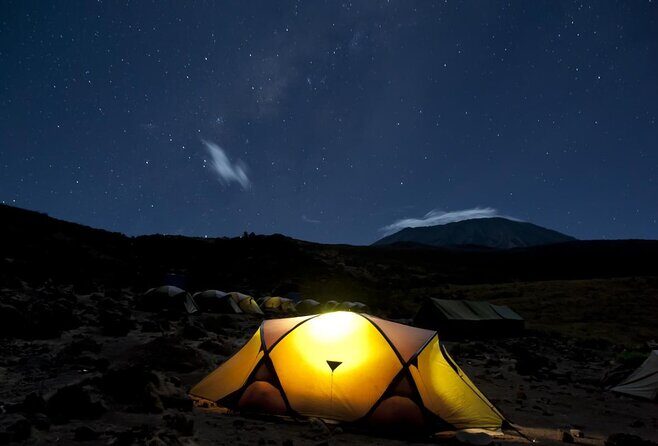
- More acclimatization time than shorter alternatives, which matters when you’re trying to reach altitude comfortably
- Sunrise at Stella Point (18,600 ft) and the chance for snow on the final push to Uhuru Peak
- Camping + full meals included, so your days have less logistics and more motion
- Private tour with only your group, led by your own guide (multilingual support may be available)
- Support crew matters, and the names you’ll hear around this operator’s climbs often include senior guides like Epa, with guides such as Rama, David, Nicholas, Goodluck, and Vitto showing up repeatedly
Moshi as Your Starting Point: How the Trip Begins
Most Kilimanjaro climbs start with an easy day on paper, and a harder one in your legs. Here you base in Moshi, then start from the area around a 9:00 am meeting time. You may also get pickup offered, which is handy because your first day already includes a drive into Kilimanjaro National Park.
Then comes the first taste of the mountain: the ride from Moshi to the gate is about 50 minutes. Even before you hike, you’ll feel the mood shift. Machame sits on the lower slopes, so you’re going from town life into the climb zone quickly.
There’s also some useful admin flow: you’ll receive confirmation at booking, and a mobile ticket is part of the package. You’ll need the passport details for all participants (name, number, expiry, country), so don’t wait until the last minute.
A few more Moshi tours and experiences worth a look
Day 1: Rain Forest to Machame Camp (Expect Mud and Good Foot Discipline)
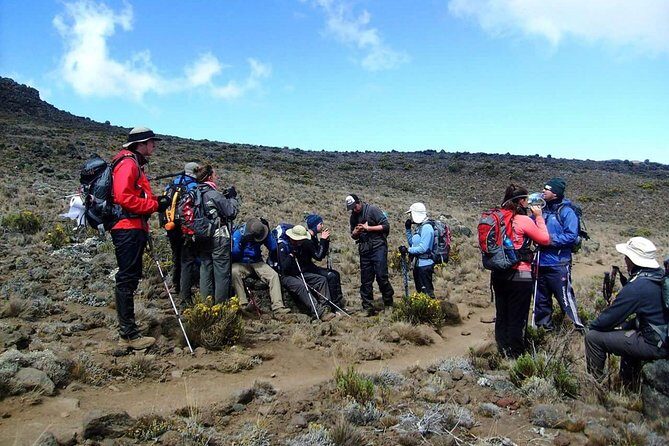
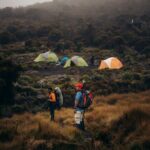
Day 1 is all about transition. You leave the gate and walk through the rain forest on a winding trail up a ridge. The climb is longer than it looks on a map—about 7 hours—and the lower sections can be muddy and slippery.
This is where you’ll be glad you didn’t skip “small gear.” The trek specifically suggests gaiters and trekking poles here. If you’ve ever tried to slip your way downhill on wet rock, you already know why poles matter. They help you keep your balance without burning your knees.
You’ll end at Machame Camp, where camping starts and the rhythm locks in: short stretches, rest stops, then setup and dinner. Even though Day 1 is not the summit push, it sets the tone for the whole week—how carefully you move, and how calmly you treat each step.
Day 2: Shira Plateau Day (Longer Climb, Less Drama)
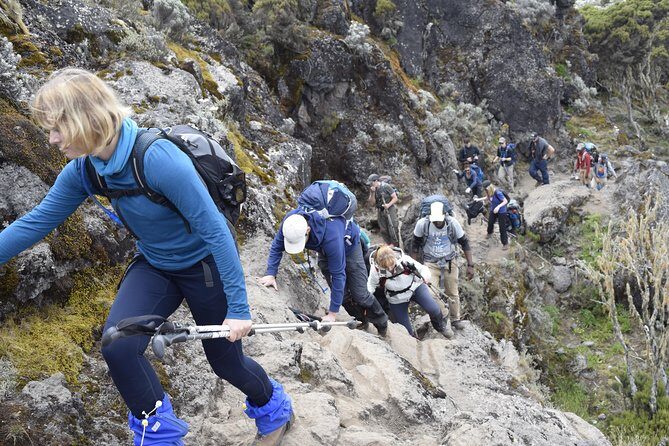
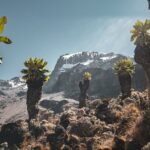
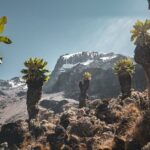
After breakfast, the route starts moving you out of the rain forest and into a more open, uphill feel. You ascend, cross a little valley, and then walk along a steep rocky ridge covered with heather. It’s not a sightseeing day. It’s a steady climbing day.
Then the route turns west onto a river gorge, and you’ll get a bit of a change in scenery as you keep gaining altitude. This day is about 5 hours, so it feels like a breather compared to what’s coming later.
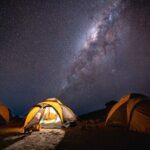
You’ll camp at Shira campsite. The best part of Day 2 is that you’re not fighting extreme cold yet. The work is physical, but you’re still learning what your pace feels like when your body is adjusting.
Day 3: Lava Tower and Barranco Hut (The Acclimatization Trick Day)
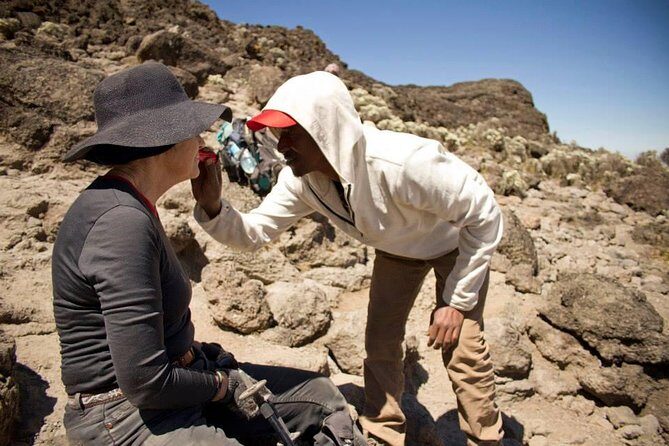
Day 3 is a big milestone because it combines iconic terrain with a key altitude lesson. From the Shira Plateau you continue up a ridge, pass a junction toward Kibo, then head southeast toward Lava Tower, nicknamed the Shark’s Tooth.
Soon after, you reach the Arrow Glacier area at about 16,000 ft. Then you shift from high point to down-slope work and continue to Barranco Hut at about 13,000 ft. The itinerary highlights that you end the day around the same elevation where you started—this kind of “up and down” profile is exactly what you want for acclimatization.
This is one of the most important days because you’re training your body to handle altitude stress without treating every meter as a sprint. You’ll rest, eat dinner, and sleep at Barranco Hut, and that night often becomes a benchmark: you’ll either feel like you’re adapting… or you’ll feel like you need to slow down.
Day 4: Barranco Wall to Barafu Hut (South Circuit Views, Heavy Effort)
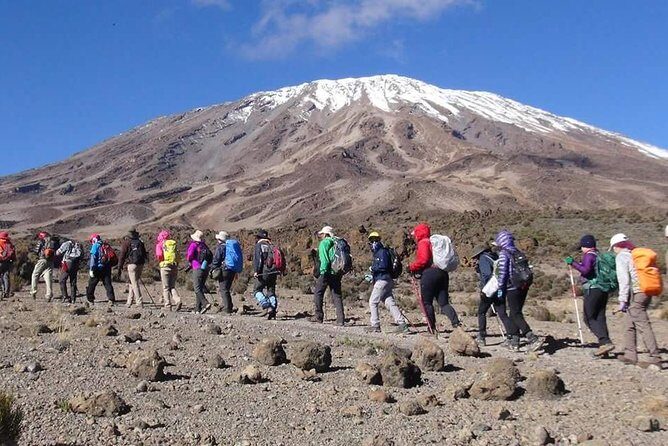
Day 4 starts after breakfast by leaving Barranco and climbing a steep ridge that passes the Barranco Wall. That stretch can feel tough because your body is already used to “not being flat,” but not yet used to late-week fatigue.
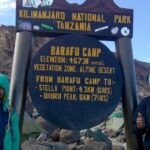
From there you go to Karanga Valley campsite, then connect to the Mweka Trail and continue up to Barafu Hut. This day runs about 9 hours, and you’ll feel it in your legs.
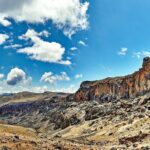
One thing this day gives you is context. You’ve completed the South Circuit, and the trek schedule specifically calls out views of the summit from many angles. From the Barafu Hut area, you can see Mawenzi and Kibo from where you camp. Even if you’re exhausted, it’s motivating to look at the peaks you’re chasing.
The purpose of the day is also practical: you camp, rest, eat dinner, and prepare for summit night. Barafu is where sleep quality matters. You’ll want to get your body ready for midnight.
Day 5: Midnight Summit Push to Stella Point and Uhuru Peak
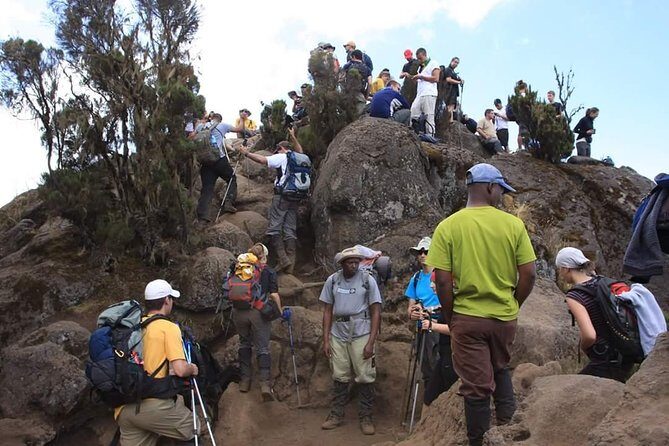
This is the day. You start very early—between midnight and 2am—and head toward the summit between the Rebmann and Ratzel glaciers. The route goes in a northwesterly direction and you ascend through heavy scree toward Stella Point on the crater rim.
The trek schedule calls this the most mentally and physically challenging portion, and that’s accurate in real-world terms: scree makes every step feel costly. This is also a timing day. You’re climbing in the dark with cold air, and you need to keep your effort smooth.
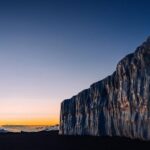
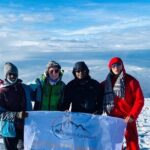
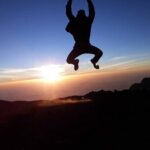
At Stella Point (18,600 ft) you rest briefly. Then you’re rewarded with a sunrise from one of Kilimanjaro’s dramatic altitude viewpoints—again, weather permitting. After that, the ascent to Uhuru Peak takes about 1 hour, and you may encounter snow along the way.
Finally, at Uhuru Peak, you reach the highest point on Kilimanjaro—and Africa. The summit part of this journey is short. The build-up is everything.
Day 6: Mweka Descent, Certificates, and Back to Moshi
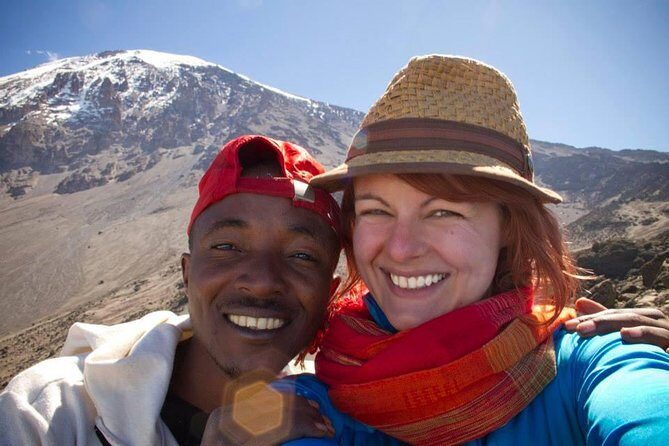
Day 6 is the payoff day after a hard overnight and summit. You continue down after breakfast to the Mweka Park Gate to receive summit certificates. That moment is brief, but it’s a real marker that the climb is complete and your safety work paid off.
The descent is where people sometimes underestimate things. Lower elevations can be wet and muddy, and the trek schedule again mentions gaiters and trekking poles for the slick sections. Shorts and t-shirts may be fine at lower levels, but keep rain gear and warmer clothing handy because weather changes fast on Kilimanjaro.
After the gate, you continue about one more hour to Mweka Village, where a vehicle meets you and drives you back to your hotel in Moshi. Total hiking time is about 4 hours, which feels easy compared to the previous days.
The Real Value: Private Guidance and the Team Behind the Climb
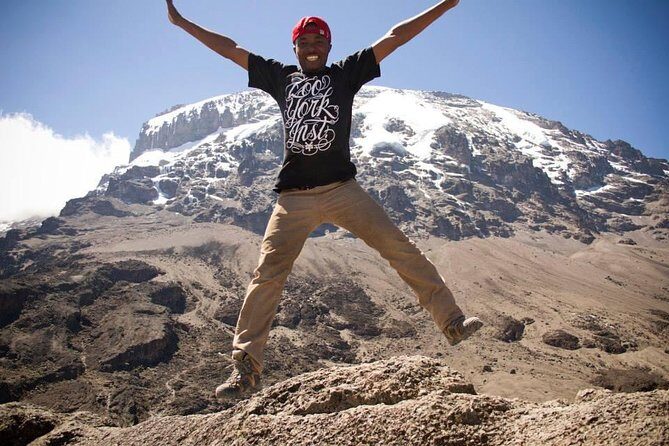
A private climb can sound like a buzzword, but on Kilimanjaro it’s practical. You’re not sharing decision-making with strangers. Your guide can adjust pacing, rest timing, and how you manage altitude stress for your specific group.
This operator is run through Migration Venture Africa Ltd, and names tied to strong support show up repeatedly in their climb stories. You might see senior guide Epa (often highlighted), plus guides such as Rama, David, Eman, Nicholas, and assistant support like Eric. You’ll also see the broader crew named in successful summit memories, including people like Kim, Emmanuel, Shaban, Joseph, and others tied to cooking and portering support.
That matters because Kilimanjaro success is not just legs. It’s also morale, food flow, hydration reminders, and keeping the plan steady even when the mountain gets loud in your head.
If you like the idea of moving as a team with real human attention, this private setup fits well.
Price and Logistics: Is $1,990 Good Value for Machame?
At $1,990 per person, this climb is not cheap. But the price includes a lot of what normally drives Kilimanjaro costs: camping accommodation, meals, and bottled water. You also get pickup offered, and a private tour rather than a crowded group dynamic.
On top of that, the route itself includes the extra day that helps acclimatization more than the shorter options. That extra time isn’t just comfort—it can be the difference between feeling “on schedule” and feeling slammed by altitude.
What’s not included is also clear, and it should shape how you budget:
- International flights and visas
- Travel insurance
- Alcohol and non-alcoholic beverages beyond what’s included
- Additional personal equipment
- Extra activities after the climb (safaris, waterfall visits, massages, and similar add-ons)
And then there are the tips to plan for. The suggested amounts are:
- Guide: $15–$20 per guide/day
- Cook: $10–$15 per day
- Porters: $8–$10 per porter/day
So, is it good value? For me, yes—if you want the safety-and-support structure of a private crew, plus the full-board camping setup. It’s best when you budget the extras honestly and don’t show up underprepared.
Gear and Body Plan: What Actually Helps on Machame
The trek schedule is simple but not vague. It tells you where trouble happens and what helps.
- Lower trails can be muddy and slippery, so bring gaiters and trekking poles from the start.
- Summit night is cold and tough, with heavy scree near Stella Point and the crater-rim sunrise moment. Plan for cold and wind.
- At higher points you might see snow, so “warm enough” is a real requirement, not a suggestion.
- On the descent, things can get wet and muddy again, so don’t assume Day 6 will be dry.
Food and water are also handled via the package meals and bottled water, which reduces the chances of you skipping calories because you’re busy. Still, bring your own personal gear responsibly—only items excluded from the price are truly on you.
Finally, note the fitness requirement: it calls for moderate physical fitness level. That doesn’t mean easy. It means you should already be comfortable hiking, climbing stairs, and doing long walks before you arrive.
Who Should Choose This 6-Day Machame Climb?
This is a good fit if:
- You want a route with more acclimatization time than the shorter schedules
- You’re aiming for the Machame trail experience and the summit-day flow that starts in the midnight–2am window
- You like the idea of private guidance and a small, focused trekking structure
- You’re okay with camping and the mental work of the summit push
It might not be the best fit if you:
- Want a purely relaxed hike with minimal altitude pressure
- Hate early mornings and very long days
- Are not prepared for cold conditions at altitude
Also, it’s a two-person minimum per booking. If you’re traveling solo, you’ll need to pair up or confirm how that minimum is handled.
Should You Book the Machame Route for Kilimanjaro?
If you can handle early starts and you want the climb to feel planned rather than rushed, I think this is the kind of trip to book. You’re paying for the full machine: guiding, camping support, meals, and the time built into acclimatization.
Book it if you want the classic Machame profile and you’re serious about summit day execution. Skip it if you’re looking for a casual trek, because Day 5 is demanding and the schedule doesn’t pretend otherwise.
One last practical move: confirm how the listed formal dress code will be applied during check-in or any included formal moments, then prioritize proper mountain layers for every weather shift.
FAQ
How many days does the Kilimanjaro Machame climb take?
The Machame Route is listed as 6 days (about 5 nights).
Where does the experience start, and when is the meeting time?
It starts in Moshi, Tanzania, with a 9:00 am start time listed for the meeting.
Is pickup included from Moshi?
Pickup is offered as part of the experience.
What meals and water are included?
The package includes bottled water and meals: 6 breakfasts, 7 lunches, and 6 dinners.
What is not included in the price?
The price excludes international flights, visas, travel insurance, alcohol and non-alcoholic beverages, additional personal equipment, and additional activities after the climb.
Are the tours private?
Yes. It’s described as a private tour/activity, with only your group participating.
What tips are recommended for the crew?
The recommended tips are: Guide $15–$20 per guide/day, Cook $10–$15/day, and Porters $8–$10 per porter/day.