REVIEW · MOSHI
7 Days Mid Range Tanzania Wildlife Safari
Book on Viator →Operated by Kiwoito Africa Safaris · Bookable on Viator
Elephants, craters, and endless plains in seven days. This Mid-Range safari strings together Tarangire → Lake Manyara → Serengeti → Ngorongoro with a private setup and 4×4 game-drive comfort. I also like that the itinerary is designed around real wildlife time, not just quick photo stops, though the driving days are long and you’ll feel it.
From what I see in the feedback patterns, the planning support is a real strength. Names that come up a lot include Charles (helpful operator), Jesca and Evaline (responsive in the office), and guides like Feston, Abu, Senyaeli, and Sofiane—people praised for steering you toward the best sightings.
One thing to consider: the pace is busy, and the trip structure assumes you’re happy to spend much of your day on the road and in vehicles. If you want a slower, do-nothing vacation, you’ll likely find this too much.
In This Review
- Key things I’d watch for before you book
- Moshi start: get oriented and avoid first-day stress
- Tarangire National Park: elephants, baobabs, and serious birding
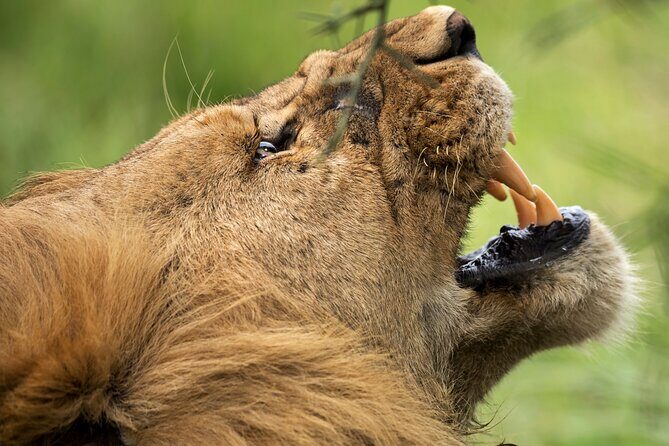
- Lake Manyara: rift valley green with tree-climbing lions
- Serengeti: two days of planning for the big moments
- Ngorongoro Crater: a big-game concentrated day with Maasai pastoral life
- What’s included really means less hassle in the field
- Who this safari suits best (and who might want a different style)
- Price, value, and what to compare before you say yes
- Quick practical tips to make this itinerary feel easier
- Should you book this 7-day mid-range Tanzania wildlife safari?
- FAQ
- Where does the safari start, and what time?
- Which parks and areas are included?
- Is pickup and drop-off included?
- What transport style will you use during the safari?
- What’s included in the price?
- What is not included?
- Is this tour private?
- Do you need a certain fitness level?
- Can you get a full refund if you cancel?
Key things I’d watch for before you book
- Private group + pop-up roof safari vehicle means better viewing and fewer “wait for everyone” delays.
- Tarangire’s elephant focus and baobabs make it a strong start, especially in dry-season wildlife movement.
- Lake Manyara’s tree-climbing lions are a specific perk, but wildlife sightings still stay unpredictable.
- Two Serengeti days gives you more chances to line up animals with timing and light.
- Ngorongoro crater day is built for big-game density, but it’s also the most jammed schedule-wise.
- Meals + mineral water + tea/coffee during safari helps you keep energy up without constant extra stops.
Moshi start: get oriented and avoid first-day stress
This safari is based around Moshi and begins with an airport transfer from Kilimanjaro International Airport (start time listed as 8:00 am). You’ll meet a representative after arrival and get taken to your hotel for a proper start. For a trip this logistics-heavy, the “someone is already waiting for you” factor matters more than people think.
You’ve got optional day-one extras like a city tour, museums, a souvenir stop, boating, or Chemka Hot Springs. That optional menu is useful if your body clock is off and you want something light rather than jumping straight into a long game-drive day. If you’re the type who likes to ease in with views and local scenes, Moshi is a smart place to anchor.
One practical point: your first real wildlife day (Tarangire) happens after breakfast. So I’d treat that first day as a warm-up and keep expectations simple—sleep, shower, eat, and prep for early mornings.
A few more Moshi tours and experiences worth a look
Tarangire National Park: elephants, baobabs, and serious birding
Tarangire is a fantastic first “wow” park. It’s known for large elephant concentration and for the classic baobab trees that make the scenery look like a different planet. In the dry season, the Tarangire River becomes a reliable water source, which means animals tend to gather—good news for sightings.
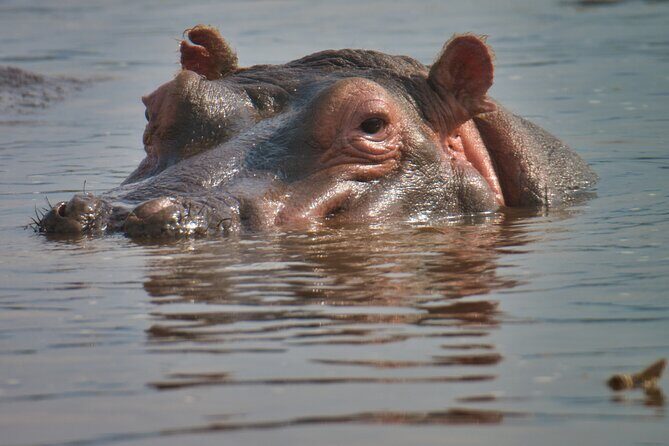
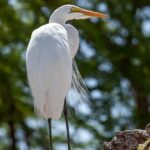
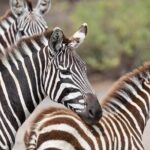
Wildlife you can reasonably expect to see (based on the park’s reputation and the tour description) includes buffalo, giraffe, zebras, wildebeest, hippos, baboons, and many types of antelope. If you’re traveling for birding, Tarangire is especially worth it: over 400 bird species have been recorded there, including Greater Kudu and wild dogs (the tour notes these as part of the kinds of rare finds people hope for).
The tradeoff is that Tarangire can be busy with early-day game drives. This is where having a private group helps. You’re not stuck waiting for a wider tour schedule, and your guide can adjust based on what’s happening that morning.
Tip for your own planning: bring binoculars if you care about birds. The vehicle time here is likely to be spent scanning for both mammals and winged life, and birds are often what reward patience.
Lake Manyara: rift valley green with tree-climbing lions
After Tarangire, the route moves you to Lake Manyara National Park for a full day game drive. Lake Manyara sits on the steep western wall of the Rift Valley, and it stays green because of underground water. That detail matters because it helps explain why the park feels different from the more open-plains style of Serengeti.
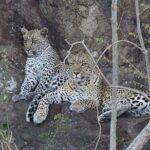
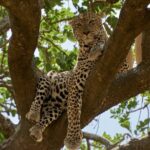
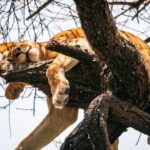
Lake Manyara is famous for tree-climbing lions, plus olive baboons and herds of elephants and buffalo. The park also lists giraffes, hippos, and klipspringer, along with plenty of zebras and wildebeests depending on conditions. Birding is a big deal here too—over 450 bird species are noted, including flocks of flamingos.
You’ll also have lunch-box style provisioning before the game drive. That’s not just convenience; it keeps the day moving and reduces the downtime that can happen when you’re always hunting for a meal stop.
Optional add-ons exist on paper—like a local market around Karatu, a treetop walkway, or a cultural tour. If you choose any, I’d keep it light. This is still a wildlife day first, and with this route you’ll want to protect your energy for the long Serengeti and crater segments ahead.
Serengeti: two days of planning for the big moments
Serengeti is where the names start to make sense: “endless plains,” wildebeest and zebra movement, and the classic view of predator-and-prey behavior. The drive into Serengeti happens via Karatu and the Ngorongoro Conservation Area, with an en-route game drive. You’re effectively buying two chances at wildlife before you even count the full day in the park.
Then you get an afternoon game drive in Serengeti on Day 4. After that, Day 5 is another full day—built as a photo-focused safari with packed lunch boxes. Two separate Serengeti days is a smart design choice because the animal activity you’ll want (and the light for photos) can shift from morning to afternoon.
Big picture expectations: the tour description frames Serengeti as one of the largest parks in Tanzania and mentions the possibility of spotting the “big five” and many carnivores. Migration timing affects what’s easiest to see, so the most honest mindset is this: your odds improve with longer time in Serengeti, but nature decides what you’ll meet.
Practical viewing note: in Serengeti, your guide’s reading of animal behavior becomes more important than your luck. If your guide is Feston, Abu, Senyaeli, or Sofiane (names seen in the feedback you provided), the common praise is that they know how to position you—so you’re not just driving around looking for luck.
If you’re the type who wants more control over photography, bring a camera strap you can handle quickly from the vehicle’s vantage points. Pop-up roof vehicles are useful, but they still require you to be ready when sightings pop up.
Ngorongoro Crater: a big-game concentrated day with Maasai pastoral life
Ngorongoro Conservation Area is where the safari turns into a geography lesson. The Ngorongoro Crater is described as the largest unbroken, non-flooded caldera in the world, formed after a volcanic explosion and collapse. Translation: the crater is a bowl of wildlife potential.
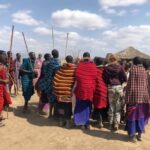
This day is set up as a crater tour with picnic boxes. Your goal is to see animals close together—especially in the crater environment—where the tour says you can find many antelopes and also big game depending on the season. The description also points out that the Maasai pastoralists share the same ecosystem, which gives the landscape a human layer, not just a wilderness one.
The itinerary mentions the best time for calving of wildebeest and zebras as between December and April in the Ndutu region. Even if you’re traveling outside that window, Ngorongoro can still deliver predator-prey action and very dense herbivore viewing. Still, don’t plan your trip around one exact event unless you know your travel month.
One more realism check: crater days can feel “all gas” because the schedules are tight and the main viewpoints need time. If you’re prone to motion sickness, consider bringing something you can take before long downhill drives. Better comfort means better attention once you’re stopped.
A few more Moshi tours and experiences worth a look

What’s included really means less hassle in the field
The package is priced at $2,760 per person and is described as mid-range, with a lot of what normally becomes surprise extras already handled. In plain terms, you’re paying for transport, park access, and a full board rhythm—so you don’t have to keep solving day-to-day problems.
Here’s what stands out as “real value,” not just line items:
- You get a pop-up roof safari vehicle for game drives, plus private transportation for the route.
- You get airport transfers, with a comfortable mini-van for airport-to-hotel connections.
- Accommodation is listed as budget tented camp/hotels with three meals per day.
- Park fees and taxes are included.
- You get mineral water and tea and coffee during safari, which helps you avoid constant buying while out all day.
Also, you’ll have a mobile ticket, which is practical. The tour notes confirmation after booking, and reviews also mention smooth communication and responsive support from the office team.
What’s not included matters too:
- Travel insurance
- Alcoholic and soft drinks
- Masai village/cultural tour activities
So if you want a low-friction trip where your biggest job is choosing what time to wake up, this package leans that way.
Who this safari suits best (and who might want a different style)
This is best for you if you want a “great northern circuit” without DIY stress. It fits couples, friend groups, and families who are comfortable with a busy schedule and appreciate being in the vehicle for long game-drive blocks.
Based on the feedback names and situations, it also works well for families—there are reviews referencing trips with kids—because the tour includes private transport, meal planning, and a guide team that focuses on getting you to good areas.
It may be less ideal if:
- You prefer lots of downtime or short drives only
- You want a purely lodge-and-pool vacation style
- You need frequent flexibility to change plans mid-day (the schedule is structured)
In other words, this safari is built for animal time and driving routes that connect the major parks efficiently.
Price, value, and what to compare before you say yes
At $2,760 per person, the value depends on what you’re getting compared to your alternatives. The best comparison points are:
1) Is park fees included? Here, yes.
2) Are game drives in a proper safari vehicle included? Pop-up roof 4×4 style is listed.
3) Do you get meals and drinks on safari? Three meals per day plus mineral water and tea/coffee are included.
4) Do you get real transport coverage? Airport transfers plus private road travel are included.
Some “cheap” safaris look low until you add park fees, meals, and proper transport. This one aims to cover the expensive basics upfront, which keeps your spending predictable once you’re in Tanzania.
Still, double-check what “budget tented camp/hotels” means for your own comfort level. It’s not described as luxury, so if you’re expecting top-end lodges with the most upscale finishes, you may need to ask what exact properties are used for your dates.
Quick practical tips to make this itinerary feel easier
- Pack for sun and cold mornings. Safari starts early, and conditions swing fast.
- Bring binoculars if you care about birds, especially for Tarangire and Lake Manyara.
- Keep a simple camera routine: lens cloth, quick-access straps, and a way to protect gear in dusty stops.
- Plan for long days. This route is built on full days in parks with driving between them.
- If you’re traveling as a group, communicate your interests early—birding, photography, or big predator focus—so your guide can tailor where you spend time.
Also, if you want the trip to feel smoother, lean on the kind of support that names like Evaline, Jesca, and Charles were praised for. Ask questions in advance about timing, clothing, and anything you’re unsure of. Responsive planning is part of the value here, not an extra.
Should you book this 7-day mid-range Tanzania wildlife safari?
If your priority is seeing multiple northern Tanzania wildlife highlights—Tarangire elephants and baobabs, Lake Manyara’s rift valley life and tree-climbing lions, Serengeti plains for migration seasons, and a dense Ngorongoro crater day—then this itinerary is a strong fit. The biggest selling points are the private setup, the proper safari vehicle, and the fact that park fees and most meals are already handled.
I’d say book it if you’re ready for a structured, active week and you like the idea of maximizing wildlife time across four major areas. I’d pause or customize if you want a slower pace, expect luxury accommodations, or are sensitive to long driving days.
If you tell me your travel month, I can also help you think about what migration-related sightings are most realistic for that time window—without overselling the unpredictable part of safari life.
FAQ
Where does the safari start, and what time?
The start point is Kilimanjaro Airport, with a listed start time of 8:00 am.
Which parks and areas are included?
The route covers Tarangire National Park, Lake Manyara National Park, Serengeti National Park, and Ngorongoro Conservation Area (including a crater tour).
Is pickup and drop-off included?
Yes. The tour includes all airport transfers, pickup, and drop-off.
What transport style will you use during the safari?
Game drives use a pop-up roof safari vehicle (4×4 comfortable safari vehicle). Transfers from the airport to hotels use a comfortable mini-van, and the tour is described as private transportation.
What’s included in the price?
Included are airport transfers, pop-up roof safari vehicle, private transportation, accommodation (budget tented camp/hotels), three meals per day, mineral water, tea and coffee during safari, park fees, and all taxes. The tour also lists a mobile ticket.
What is not included?
Not included items are travel insurance, alcohol and soft drinks, and Masai village/cultural tour activities.
Is this tour private?
Yes. It’s listed as a private tour/activity with only your group participating.
Do you need a certain fitness level?
The tour notes a moderate physical fitness level for travelers.
Can you get a full refund if you cancel?
The cancellation policy says free cancellation is available up to 24 hours in advance for a full refund.