REVIEW · MOSHI
6 Days Essence of Tanzania Wildlife Safari
Book on Viator →Operated by Meseno Adventures · Bookable on Viator
Kilimanjaro shadows and big-game mornings. This 6-day Northern Safari Circuit from Moshi strings together Lake Manyara, Serengeti, Ngorongoro Crater, and Tarangire in a way that’s built for classic wildlife highlights. I love the way the itinerary mixes different ecosystems (forest edges, open plains, volcanic crater, and a river-fed park), and I also love that you get private transportation with park access handled through the package. The main drawback to weigh is the pace: most driving days are long, with full-day schedules that can feel intense if you hate early starts.
A detail I really like: Day 1 is mostly a calm setup day with an eye out for Kilimanjaro on a sunny morning before the safari intensity begins. You’ll spend two full days in the Serengeti to increase your chances for big-cat sightings and the seasonal action that makes the region famous. Still, this is one of those safaris where you should expect a packed route, not a slow travel vibe.
In This Review
- Key things that make this safari work
- Where Moshi fits: starting in Old Moshi, watching for Kilimanjaro
- Comfort-focused pacing: what the 6 days really feel like
- Lake Manyara National Park: birds, flamingos, and tree-climbing lions
- Serengeti National Park: two days in the migration ecosystem
- Ngorongoro Crater: the fallen world where animals feel close
- Tarangire National Park: elephants, warthogs, and the river of life
- Value for $2,725 per person: what you’re really paying for
- Logistics you should plan for (without letting them steal your safari)
- Who should book this 6-day circuit from Moshi
- Should you book the 6 Days Essence of Tanzania Wildlife Safari?
- FAQ
- How long is the safari?
- Where does the tour start and end?
- Is pickup included?
- Is this a private tour?
- What’s included in the price?
- Are park admission tickets included?
- What is not included?
- Which national parks are visited?
- What’s the price per person?
- Is there free cancellation?
Key things that make this safari work
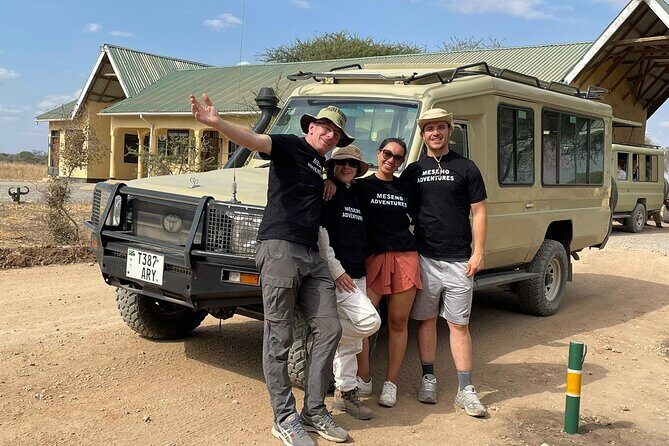
- Northern Circuit highlights in 6 days: Lake Manyara → Serengeti → Ngorongoro → Tarangire
- Two Serengeti days for repeat wildlife effort (not just a quick drive-by)
- Big-5 potential at Ngorongoro in a compact, game-dense setting
- Tarangire’s elephant families by the Tarangire River during dry-season conditions
- Lake Manyara’s birds plus tree-climbing lions in a smaller, more varied park
- Private guide/crew feel, with organization that has earned strong praise for names like Sam and Samwel from Meseno Adventures
Where Moshi fits: starting in Old Moshi, watching for Kilimanjaro
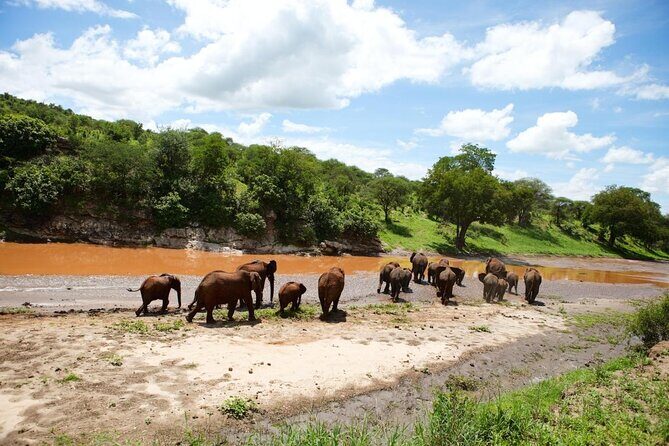
Your safari begins in Old Moshi, at Keys Hotel on Uru Road. The plan is simple: you’re picked up, then you’re essentially in “pre-safari mode” the first night, waiting for the game-drive rhythm to start the next day. If weather cooperates, you’ll get a sunny-day view of Kilimanjaro, which is a good emotional warm-up for the rest of the trip.
This start location matters more than you’d think. Moshi sits closer to the action than many visitors realize, and starting here helps keep the focus on wildlife driving rather than losing time in airport transfers. Also, the tour is designed to run like a full safari circuit, not a series of disconnected day trips.
I also appreciate the tone of the itinerary: it doesn’t pretend you’ll be able to do “everything” with a relaxed schedule. It aims for the classic national park order, and that’s exactly what you want if your priority is wildlife and scenery variety over free afternoons.
A few more Moshi tours and experiences worth a look

Comfort-focused pacing: what the 6 days really feel like
This safari runs about 6 days and uses private transportation, which changes the whole experience. You aren’t doing the awkward stop-and-wait thing that can drag group tours down. With a private setup, your driver and guide can shape timing around what you’re seeing, the light, and the day’s movement in the parks.
A real clue to the pace is the way the itinerary times are laid out for park days. You’re looking at long outings—think full-day drives rather than half-day “tourist loops.” That’s a plus for wildlife spotting because animals don’t clock into a schedule for your convenience. But it can be a drawback if you get travel-weary fast or you’re hoping for lots of downtime.
If you’re coming from a different part of Tanzania or you plan to add a mountain trip later, keep in mind that this itinerary’s energy is high for most of the week. Plan your arrival day and your departure day with buffer, so you don’t feel rushed on both ends.
Lake Manyara National Park: birds, flamingos, and tree-climbing lions
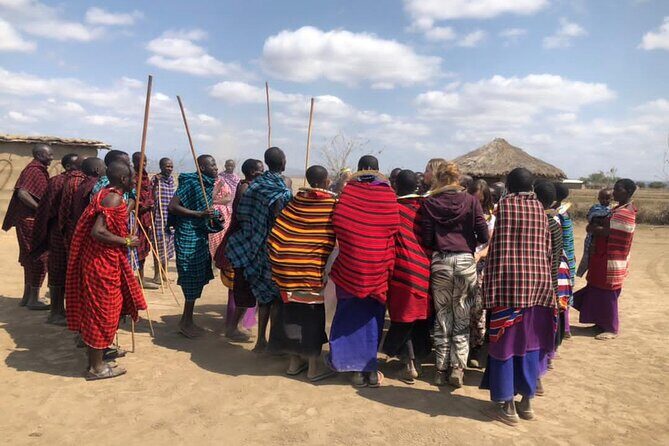
Lake Manyara is the kind of park that reminds you Tanzania isn’t only about endless grasslands. The setting is shaped by the Rift Valley: a dramatic western escarpment forms a boundary, while to the east you have a shallow, alkaline lake that changes with the seasons. That shifting water matters, because it influences which birds show up and how the habitat works that day.
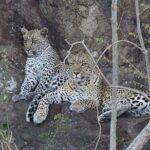
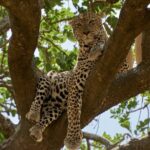
You’ll depart early after breakfast to maximize daylight for game drives. The park is known for abundant bird life, and it’s also famous for tree-climbing lions—yes, lions that sometimes use the trees and ridges rather than staying strictly on open ground. I like that this park gives you a chance at something a little different from the typical big-safari formula.
The lake’s seasonal cycle is also part of the story. During times when the lake floods and dries, it can draw large numbers of flamingos, especially when conditions align with the rains. You’re not guaranteed every seasonal species on any single trip date, but the route is built for that ecological rhythm.
What to consider: Lake Manyara is not the biggest park. That can be a good thing (more focused game viewing), but it also means your sightings depend on where animals are that morning and how conditions look. If you’re the type who needs guaranteed action every hour, you’ll still find wildlife, but it won’t always look like a constant wildlife parade.
Serengeti National Park: two days in the migration ecosystem
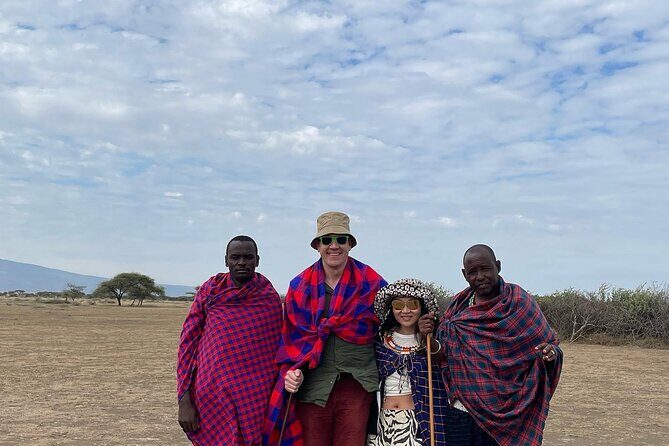
Serengeti is the headline, and this tour gives it proper time. You spend an early morning in the park and then another full day continuing the hunt for wildlife across the plains. The Serengeti’s big strength is its vast open grasslands, which make it easier to spot animals from a vehicle and to understand how they move across space.
The Serengeti is also described as Tanzania’s oldest national park and one of the world’s oldest ecosystems. Translation: you’re driving through landscapes that have been shaped by time, not development. That matters because wildlife behavior and grazing patterns play out across these open areas in ways that aren’t easily replicated elsewhere.
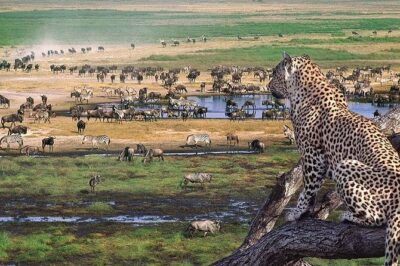
This circuit is designed around the Great Migration, where massive numbers of wildebeest move in an annual pattern, joined by zebra and antelope. The exact timing shifts with rainfall, which is why no operator can promise a perfect migration moment every time. Still, a tour like this typically targets the migration’s regional beats—like the Grumeti River crossing in one area and the Mara River crossing in northern Serengeti—plus calving season in the south Serengeti and Ndutu area.
Even if you don’t see a dramatic crossing, Serengeti still delivers in other ways: predators hunting, mixed herds on the move, and the sense that the whole ecosystem is alive and doing its own logic. Two days here increases your odds. One day is often enough for awe, but two days gives you a second chance when animals shift location.
What I’d watch for during the Serengeti days:
- Big-cat activity around where prey gathers and where visibility improves
- Herd behavior that signals movement toward water or fresh grazing
- The way you feel at sunset: Serengeti has a natural end-of-day payoff, and the second day usually lands better than the first
Ngorongoro Crater: the fallen world where animals feel close
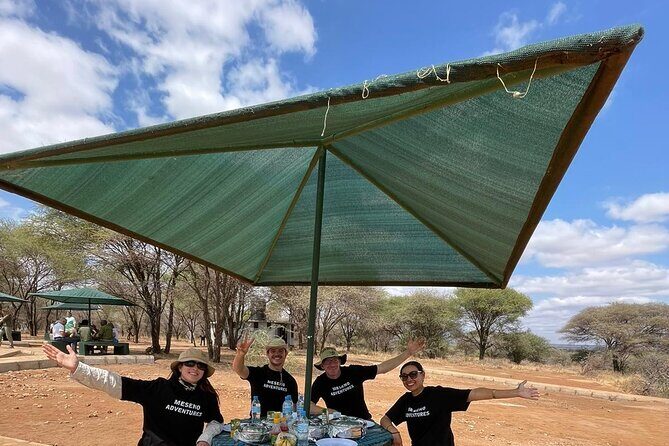
Ngorongoro Crater is the kind of place where your brain does a small reset. The crater appears like a forgotten world from above, hidden by steep volcanic walls. Then you drive down into a contained landscape of savannah, pockets of acacia woodland, plus lakes and swamps—like a whole region folded into one bowl.
The crater was formed when a large volcano exploded and collapsed about two to three million years ago, creating a natural reserve with dense wildlife. You’re told it’s home to some of the densest large mammal populations on the African continent, and it’s also tied to the big “5” idea.
Practically, this stop is valuable because it compresses a lot of wildlife potential into a single setting. Instead of driving miles looking for the right area, you’re in a place that can hold many sightings within a smaller driving radius. For many safari lovers, that means less “searching” and more “watching.”
Timing also matters. You go early on Day 5, and that’s key in a crater environment where animals can move and light changes quickly. I’d treat this day like your “pay attention closely” day. Sit with sightings when you get them, and don’t assume you’ll see everything from one quick pass.
Possible drawback: because this is a famous stop, it can feel like the trip is at peak intensity. If you’re sensitive to crowds, you may want to keep expectations flexible. Your best strategy is patience: stop, watch, and let the animals come to you when possible.
A few more Moshi tours and experiences worth a look


Tarangire National Park: elephants, warthogs, and the river of life
If Serengeti is the wide-stage act, Tarangire is the character actor with personality. Tarangire National Park gets its name from the Tarangire River, described as the only reliable water source for wildlife in the region during the dry season. That one detail is huge: when water is scarce, animals cluster, and sightings become more predictable.
Tarangire is known for elephants, including families often seen congregating by the river. You’re also in a landscape with acacia woodlands and dense vegetation in some areas, including elephant grass and groundwater forest. That mix can produce a variety of viewing experiences—open views when animals cross space, and more “close and quiet” moments when they linger near water.
This park is also described as having more breeding species of birds than anywhere else on the planet, which is a strong promise if bird life is part of why you came. And the itinerary suggests you may also see giraffe, bushbuck, hartebeest, plus predators like lions and leopards.
Tarangire is a good closing stop because it feels grounded. You’re moving from the crater’s contained spectacle back to river-driven ecosystem behavior. It’s also a relief to shift from the big migration drama to daily life: drinking, feeding, moving, and avoiding one another.
In the end, you head back to Arusha after lunch and an extensive game drive. That gives you a clean transition from park time to getting settled for whatever comes next in your trip.
Value for $2,725 per person: what you’re really paying for
At $2,725.00 per person, this safari isn’t cheap, and it shouldn’t be judged like a basic budget trip. The real value is the package logic: you’re getting a tight sweep across four major areas that many travelers would otherwise have to stitch together with separate logistics.
Here’s what the inclusions suggest about the value:
- All fees and taxes are included, which reduces surprise costs
- Private transportation keeps the drive time efficient and reduces delays
- Meals included: dinner (6), breakfast (5), lunch (6)
- Park admission tickets appear free as listed per park day
- You’re running the circuit with private tour setup, meaning only your group participates
So you’re paying mainly for time saved, coordination, and the right vehicle-and-guide setup to keep your days focused. What’s not included is equally important: local flights, visa fees, health insurance, and guide tips/gratuities. If you budget for those items separately, the price starts to look more like a “solved problem” than just a random number.
One more practical value point from how the trip is described: pickup is offered, and the tour starts and ends at the same meeting point. That reduces confusion on arrival day and departure day.
As for guides: Meseno Adventures has been praised for organization and insider knowledge, including named guides like Sam and Samwel. You may have a different guide depending on availability, but the recurring theme is clear: strong planning and care.
Logistics you should plan for (without letting them steal your safari)
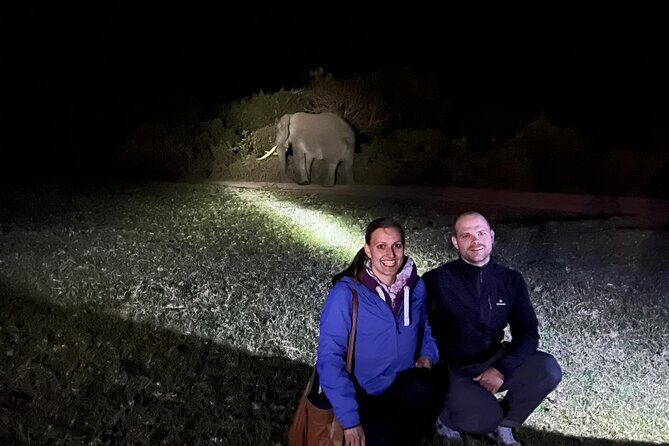
This tour is private and comfort-minded, but you’ll still deal with classic safari realities. Expect long days in vehicles and a schedule built around wildlife behavior and daylight. That’s not a flaw—wildlife doesn’t appear on your watch—but it is part of what you’re paying for.
Because health insurance is not included, I’d treat that as non-negotiable. Also, guide tips and gratuities aren’t included, so you should plan a tipping budget rather than scrambling at the end.
Other practical notes based on what’s listed:
- Confirmation happens at booking time
- The tour runs Monday through Sunday
- Most travelers can participate, but it’s not marketed as a specialist accessibility tour
If you want your experience to feel smooth, do two things early: get your paperwork handled for visa requirements, and decide how you’ll manage guide tipping. Those two items are small in planning but big in peace of mind once the parks start.
Who should book this 6-day circuit from Moshi
I think this safari is a strong fit if you want the Northern Circuit highlights without spending your vacation doing homework. You’ll like it if you:
- Want multiple parks in one trip rather than choosing only one
- Appreciate seeing wildlife across different habitats (river-driven Tarangire, open Serengeti, crater density, lake-and-forest mix)
- Prefer private transportation and a guided experience built around your group
- Are okay with a packed schedule and early starts for maximum game-drive time
It’s also a good choice if you’re traveling with family or a small group that wants flexibility while still moving through Tanzania’s top wildlife zones efficiently.
Should you book the 6 Days Essence of Tanzania Wildlife Safari?
Yes, if your goal is classic Northern Tanzania wildlife and you want time-efficient coverage. The circuit design makes sense: Lake Manyara adds variety with birds and tree-climbing lions, Serengeti gives you migration country with two days, Ngorongoro delivers that crater setting with big-mammal density, and Tarangire rounds it out with river-focused elephant viewing.
Book it with clear expectations, though. This isn’t a leisurely week. It’s a long-drive, full-day style of safari, and you’ll get the best experience if you’re happy focusing on sightings and letting the schedule carry you.
If you want a safari that feels like a greatest-hits album of the North—without stitching together separate travel pieces—this is a solid option to consider.
FAQ
How long is the safari?
It’s listed as 6 days (approximately).
Where does the tour start and end?
The tour starts at Keys Hotel Uru Road, Old Moshi 0933, Tanzania and ends back at the same meeting point.
Is pickup included?
Yes, pickup is offered.
Is this a private tour?
Yes. It’s described as private, and only your group participates.
What’s included in the price?
The package includes all fees and taxes, private transportation, dinner (6), breakfast (5), and lunch (6).
Are park admission tickets included?
The itinerary shows admission ticket free for the listed park days.
What is not included?
Not included: local flights, health insurance, visa fees, and guide tips and gratuities.
Which national parks are visited?
The tour visits Lake Manyara National Park, Serengeti National Park, Ngorongoro Crater, and Tarangire National Park.
What’s the price per person?
The price is listed as $2,725.00 per person.
Is there free cancellation?
Yes, free cancellation is offered up to 24 hours in advance for a full refund. Cancel less than 24 hours before the start time and the amount paid is not refunded.