REVIEW · MOSHI
4 Days Wildlife Tanzania Adventure
Book on Viator →Operated by Lem Carnivores Tours · Bookable on Viator
Three parks in four days means big wildlife odds. I love the wildlife-focused game drives led by guides like James, Abdul, and Emanuel, because they stay sharp on where animals actually show up. I also love the day-to-day food made in modest camp conditions by chefs like Ibrahim, Samwel, and Benson. The one real catch to plan around is that some lodges use cold showers, so pack for comfort, not luxury.
You’ll start from the Moshi/Arusha area (with pickup offered) and spend your days driving between three Tanzania heavy-hitters: Lake Manyara, Serengeti (Seronera), and Ngorongoro Crater. This is a private safari, so it’s just your group, not a big cattle-car lineup.
If you’re the kind of traveler who wants maximum animals per day and doesn’t mind early starts and long drives, this works well. If you’re set on warm showers and a relaxed pace, you’ll want to adjust expectations going in.
In This Review
- Key highlights before you go
- Lake Manyara first: flamingos, soda lake, and that lion drama
- Serengeti Day 2: Seronera and the animals that come to water
- Day 3 Serengeti option: hot air balloon morning and the bush breakfast vibe
- Ngorongoro Crater Day 4: the 600-meter descent and Lake Magadi
- Price and value: what $1,550 per person is really buying
- Food and comfort: when the chef matters more than you think
- The guide team effect: why spotting skills change everything
- Who this safari suits best
- Should you book this 4-day Tanzania wildlife safari from Moshi?
- FAQ
- Where does this 4-day safari start, and what time?
- Is hotel pickup included?
- Is this a private tour?
- What is included in the price?
- Are tips included?
- Is free cancellation available?
- If I book a hot air balloon safari for Day 3, how does it work?
Key highlights before you go
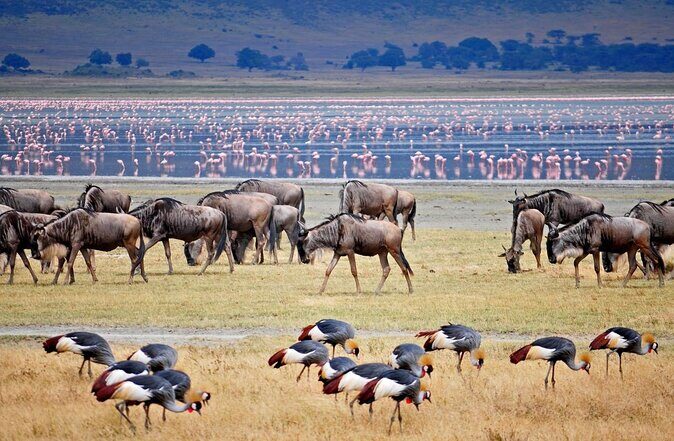
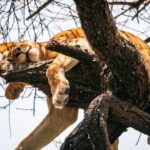
- Tree-climbing lions at Lake Manyara plus flamingos on the soda lake drive the variety early.
- Seronera-based Serengeti drives with the Seronera River drawing animals to a reliable water source.
- Optional hot air balloon morning on Day 3, with bush breakfast and champagne for those who book it.
- 600-meter Ngorongoro descent for dense crater wildlife and big predator odds.
- Food quality can be surprisingly strong even in basic camp conditions (Ibrahim, Samwel, Benson).
- Private group experience with your own guide team and your own schedule.
Lake Manyara first: flamingos, soda lake, and that lion drama
Day 1 is your warm-up safari, but it’s not a short one. You’ll head out from the Moshi/Arusha area for a full game drive in Lake Manyara National Park, plus a picnic lunch during the day. After lunch, you keep driving for wildlife until dark, then you exit the park and continue to your lodge or campsite for dinner and the night.
Lake Manyara sits at the foot of the Great Rift Valley’s western escarpment. What that means on the ground is a park that feels layered: shallow soda lake, woodland edges, and open areas that create lots of sight lines. The soda lake covers much of the park, and that chemistry attracts flamingos in big numbers when conditions are right. So even if you’re mainly chasing the big animals, Lake Manyara gives you that extra visual payoff—bright bird life on the water, then suddenly elephants moving through the surrounding habitats.
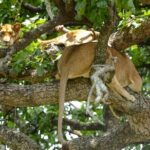
And yes, the tree-climbing lion story is part of why many people get excited about this park. It’s not just trivia; it’s one of the defining quirks of Lake Manyara. Your guide’s job here is to watch the wind, scan the trees and edges, and position your vehicle where you can actually see behavior—not just random wildlife silhouettes.
Why I think this day is valuable: you get wildlife momentum immediately, and you land your first sunset-drive experience before moving on to the heavier-hitter days. If you’ve got limited time in Tanzania, Day 1 helps you start racking up sightings without wasting a full day on transit.
What to watch for: wildlife viewing is always weather-dependent. Also, you’re in the car for a long day, so bring layers. Warm mornings can turn cool when the sun drops and you’re waiting for sightings.
A few more Moshi tours and experiences worth a look
Serengeti Day 2: Seronera and the animals that come to water
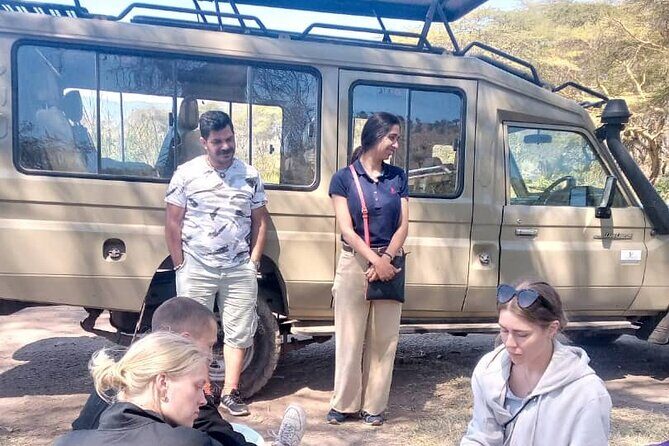
On Day 2, you drive from the highlands toward Serengeti National Park, passing through Karatu’s highland farms and the Ngorongoro Conservation Area before you descend into the park. That descent matters. It’s the moment the scenery opens up into wide grasslands and the whole Serengeti feel takes over.
You aim for the Seronera area in central Serengeti, which is chosen for a reason: the Seronera River. In a park known for huge distances, a dependable water source helps concentrate animals so your drive time is more likely to pay off. After arriving in time for lunch, you head out for an afternoon wildlife drive.
Then you sleep in the Seronera area, with dinner and the night included at the accommodation standard you requested.
What you can expect in Serengeti: you’re looking for the full mix—grazers, predators, and the in-between species that show up when food and water overlap. The scenery is classic Serengeti: open plains where visibility can be excellent, but animals can still be surprisingly easy to miss if you’re not scanning constantly.
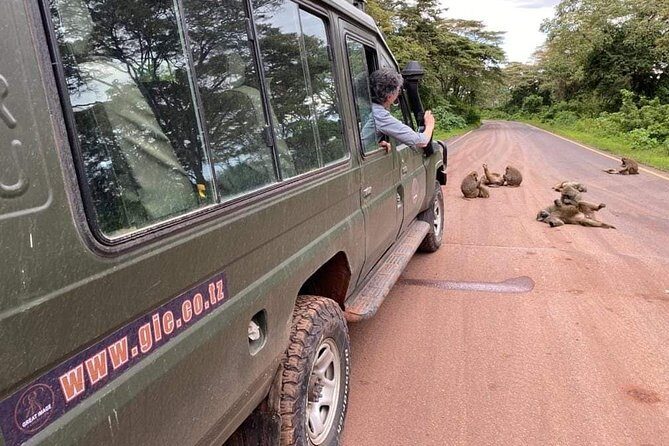
This is where having an experienced guide makes a real difference. In the reviews tied to this experience, guides like James and Abdul are repeatedly credited with spotting wildlife and steering to the right spots without wasting time. That is not a small point. In Serengeti, minutes matter.
Potential drawback to note: your “afternoon drive” is not a leisurely stroll. It’s still a safari schedule. If you’re prone to car-sickness, consider taking precautions. And because you’re driving from Lake Manyara to Serengeti, your day still involves more time on the road than you might expect.
Day 3 Serengeti option: hot air balloon morning and the bush breakfast vibe
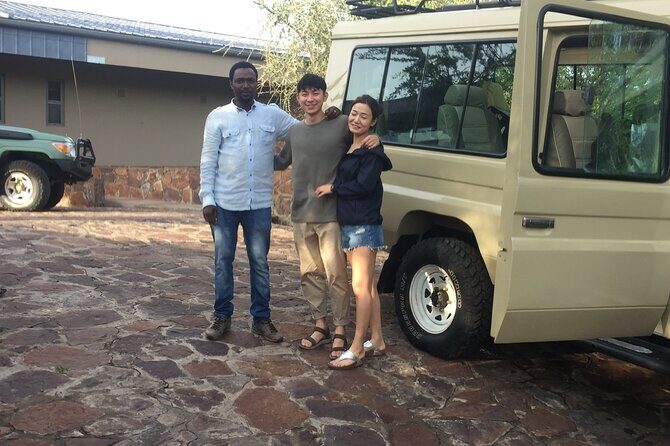
Day 3 is where the safari can feel extra special if you’ve added the balloon portion. If you’ve booked the hot air balloon safari for this day, pickup happens at 5:00 a.m. from your lodge or camp for a 6:00 a.m. departure.
The balloon experience includes a 90-minute aerial flight plus a bush breakfast and champagne. Then you return to the lodge or camp for brunch, grab your things, and get driven to the Ngorongoro crater rim / Karatu for supper and overnight.
Even if you don’t do the balloon, Day 3 still transitions you from Serengeti into Ngorongoro territory, so expect a full day of schedule and movement.
Why the balloon can be worth it: it changes how you interpret the Serengeti. From above, you understand why certain animals cluster where they do—water lines, open grass patches, and movement corridors that aren’t obvious from the road.
What to consider: early pickup is non-negotiable if you add it. If you’re a heavy sleeper, you might want to plan for that now, not later. Also, some people find that the early start makes the rest of the day feel faster—great for energy, but less great if you want lots of downtime.
Ngorongoro Crater Day 4: the 600-meter descent and Lake Magadi
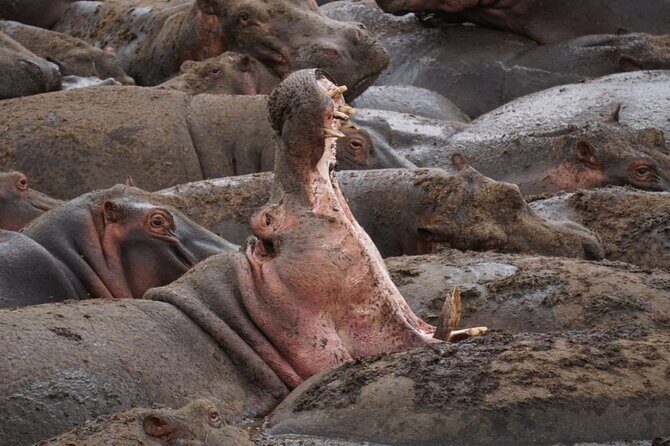
Day 4 shifts from open plains to a dramatic bowl of wildlife at Ngorongoro Conservation Area. You get a half-day safari with a major feature: a descent of about 600 meters into the crater.
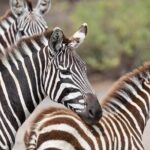
Ngorongoro is famous because it’s not just scenery—it’s a concentrated wildlife system. Year-round water and feed help maintain animals even though the crater is enclosed. You’re set up for a strong mix: wildebeest, zebra, buffalo, eland, warthog, hippo, and African elephants. Then you look for predators—lions, hyenas, jackals, cheetahs, and the leopard, which is notoriously hard to spot even when you have a trained eye.
A key stop is Lake Magadi, described as a big but shallow alkaline lake in the crater’s southwest corner. This kind of stop matters because it creates a predictable viewing point: animals and birds gather around water even when conditions change.
Why this day feels like the payoff: after two days of “find wildlife on the plains,” you get “wildlife in a working ecosystem.” Even if some animals aren’t visible, the density of tracks, signs, and behavior often makes the drive feel productive.
What to watch for: because you’re descending into a crater, temperatures and light can shift. You’ll want layers for the morning versus crater time, and don’t assume the heat you felt earlier outside the crater will match what you experience at the rim and down inside.
Price and value: what $1,550 per person is really buying
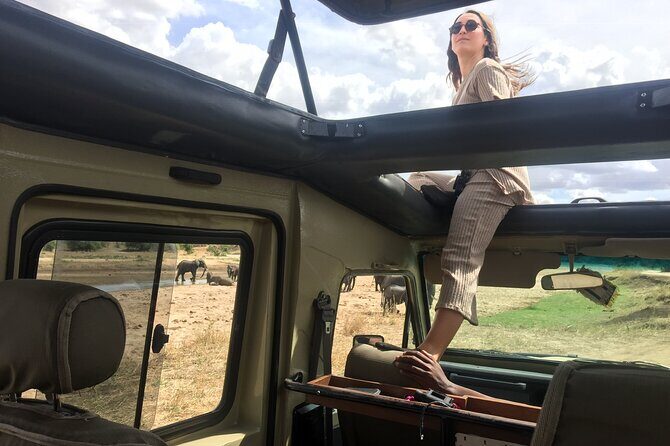
At $1,550 per person for a roughly 4-day safari, you’re paying for a tight route between three major parks, plus the structure that makes wildlife viewing work: guided drives, time on-site, and meals.
Here’s the value picture based on what’s included:
- Meals: dinner (4), lunch (4), and breakfast (3)
- Park admission tickets: listed as free, which usually means you’re not adding extra park-fee payments during the trip
- Private experience: only your group participates
- Transportation between areas: you’ll be driving from Moshi/Arusha toward each park and then onward to the next
What’s not included: tips.
Now the practical question you should ask yourself: are you paying for a “safari brand,” or are you paying for meaningful time in the parks with food handled and access organized? Based on the strong emphasis on guides and chefs in the feedback (James, Abdul, Emanuel; chefs Ibrahim, Samwel, Benson), this price looks more like you’re buying a functional safari team than just a booking label.
One consideration: because some comfort elements like shower temperature may vary, you’re paying primarily for safari time and reliability, not resort-grade pampering.
A few more Moshi tours and experiences worth a look
Food and comfort: when the chef matters more than you think
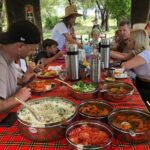
Food is a surprisingly big part of how enjoyable safari days feel. When you spend hours scanning plains, you need energy that tastes good and stays satisfying. In the feedback tied to this experience, chefs repeatedly show up as a highlight: Ibrahim and Samwel are described as making tasty food, while Benson is credited with amazing camp meals.
That doesn’t mean every lodge is a five-star kitchen. It does mean you’re more likely to eat well than you might expect when conditions are basic.
Comfort notes to keep in mind:
- Some stays are reported to have only cold showers, so plan for that.
- Expect long drives, so your biggest comfort wins come from dressing well (layers) and keeping water and snacks handled where allowed.
If you’re sensitive to temperature changes and basic amenities, you might want to ask the operator what “standard accommodation” looks like for your specific request. If you’re flexible and focus on wildlife, you’ll likely find the overall experience smooth.
The guide team effect: why spotting skills change everything
You can have the best parks on Earth and still miss the interesting stuff if your guide isn’t good at scanning, positioning, and timing. The feedback around this safari highlights exactly that kind of guide strength.
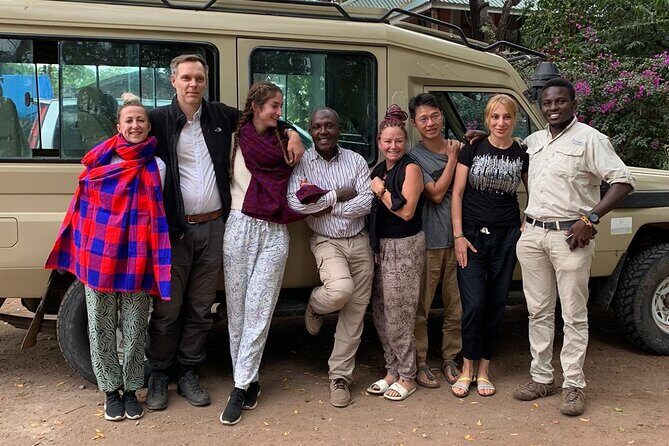
Names that come up include James, Abdul, and Emanuel for guiding. On the kitchen side, chefs Ibrahim, Samwel, and Benson are praised for making meals work in modest conditions.
This combination matters. On safari, your schedule is only half the game. The other half is being in the right place when the animal behavior happens—crossing, feeding, calling, hunting, or simply looking your way at the exact moment you’re ready.
Tip for you: if you bring binoculars, use them early. Ask your guide what they’re prioritizing that morning, because a guide who explains the plan helps you watch with purpose instead of just riding along.
Who this safari suits best
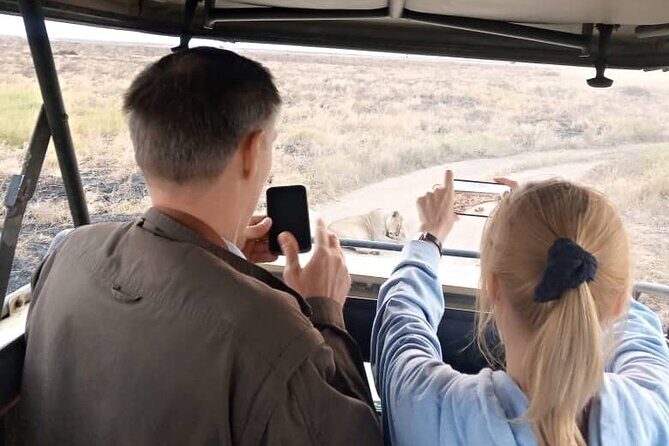
This 4-day wildlife adventure is a strong fit if:
- You want big wildlife volume across Lake Manyara, Serengeti (Seronera), and Ngorongoro
- You don’t mind a full schedule and long game drives
- You care about solid guiding and good camp cooking
- You like the idea of a private group rather than a mixed crowd
It may be less ideal if:
- Warm shower comfort is your top priority
- You hate early starts (especially if you’re adding the balloon on Day 3)
- You’re looking for a slow, restful travel pace
Should you book this 4-day Tanzania wildlife safari from Moshi?
I’d book it if you’re aiming for a serious Tanzania wildlife hit in a short window and you’re okay trading some comfort extras for more time in the parks. The best parts here are the safari-focused routing—Lake Manyara’s variety, Serengeti’s Seronera water-driven viewing, and Ngorongoro’s high-density crater wildlife. Add in the repeated praise for guides and chefs, and you get a trip that feels designed for actually seeing animals, not just taking photos from a single spot.
Before you decide, do two quick checks:
- Are you okay with cold showers at some lodges/camps?
- If you want the hot air balloon, are you ready for the 5:00 a.m. pickup schedule on Day 3?
If those answers are yes, this is a smart, value-leaning way to experience three of Tanzania’s most iconic wildlife settings.
FAQ
Where does this 4-day safari start, and what time?
The experience lists its start at Kilimanjaro Airport with a 7:00 am start time. Hotel pickup is also offered, based on the trip description for Arusha/Moshi.
Is hotel pickup included?
Yes. The tour offers pickup, and the day-by-day plan also describes departures from your hotel in the Arusha/Moshi area.
Is this a private tour?
Yes. It’s listed as a private tour/activity, meaning only your group participates.
What is included in the price?
The tour price includes meals (dinner, lunch, and breakfast as listed) and admission tickets are shown as free. Tips are not included.
Are tips included?
No. The information states that tips are not included.
Is free cancellation available?
Yes. You can cancel for a full refund up to 24 hours in advance of the experience’s start time.
If I book a hot air balloon safari for Day 3, how does it work?
If you’ve booked the hot air balloon safari for Day 3, you’ll be picked up at 5:00 a.m. for a 6:00 a.m. departure, with a balloon experience that includes bush breakfast and champagne. Afterward, you return for brunch and then travel to the Ngorongoro crater rim/Karatu.