REVIEW · ARUSHA
4 Days Experience big five in Tarangire, Serengeti & Ngorongoro Safari
Book on Viator →Operated by Wildlife Experience Tanzania - Day Tours · Bookable on Viator
One day in Tanzania can feel like ten. This 4-day big five route packs Tarangire, Serengeti, and Ngorongoro Crater into a tight loop with sharing camping and early wildlife time. I like that you’re picked up in Arusha and then kept moving with a professional driver/guide and park fees handled.
Two things I especially like: you get multiple game drives in the most famous wildlife zones, and the schedule builds in the right “wildlife moments,” like a sunrise drive and an early crater descent. One thing to consider: since it’s camping and sharing, your comfort level depends on the campsite setup and the pace of constant drives.
In This Review
- What Makes This Safari Work So Well (Key Highlights)
- Big Five Expectations vs. Real Wildlife Chances in Tarangire, Serengeti & Ngorongoro
- Price and Value: Why $1,280 Can Feel Reasonable Here
- Day 1 Tarangire National Park: Elephants, Baobabs, and Kizumba Campsite Evenings
- Day 2 Serengeti Transfer and the Olduvai Gorge Option
- Day 3 Serengeti Sunrise Game-Drive, Then Ngorongoro Rim at Simba Campsite
- Day 4 Ngorongoro Crater Descent, Hippo Pool Picnic Lunch, and Back to Arusha
- The Guides: Why Damas, Joseph, Festus, Brian, Musa, Malisa, Tiger, Hamisi, and Freddy Get Named
- What Camping Safaris Feel Like in Practice (Not Just a Bed)
- Who This Safari Fits Best (And Who Should Rethink)
- Should You Book This 4-Day Safari? My Take
- FAQ
- What parks does this 4-day safari visit?
- Where does the safari start?
- How long is the safari?
- What is included in the price?
- What meals are included?
- Are game drives included?
- Is Olduvai Gorge part of the safari?
- Where do you sleep during the safari?
- How many people are in the group?
- Do I need to bring cash for park fees and meals?
What Makes This Safari Work So Well (Key Highlights)
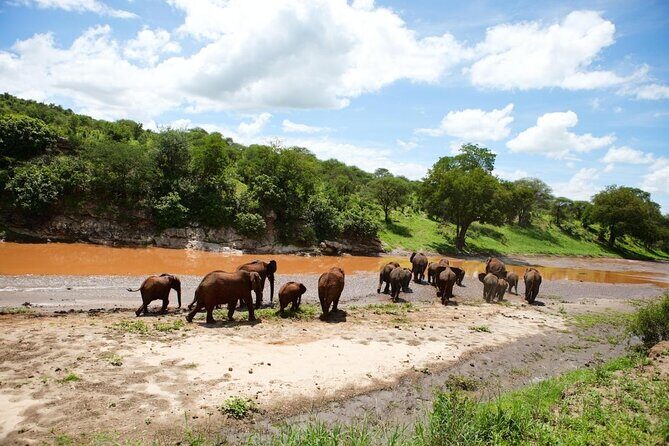
- Three top parks in four days: Tarangire for elephants and baobabs, Serengeti for predators, Ngorongoro for crater wildlife.
- Small group size (max 6): more flexibility in how your driver positions the vehicle for sightings.
- Sunrise game-drive in Serengeti: more chance at active predators and great morning viewing.
- Ngorongoro rim-to-crater experience: you’ll go down for the crater tour and wildlife viewing.
- Picnic meals in prime spots: including lunch at the hippo pool area on crater day.
- Meals and drinking water included: breakfast, lunch, and dinner are covered across the main days.
Big Five Expectations vs. Real Wildlife Chances in Tarangire, Serengeti & Ngorongoro
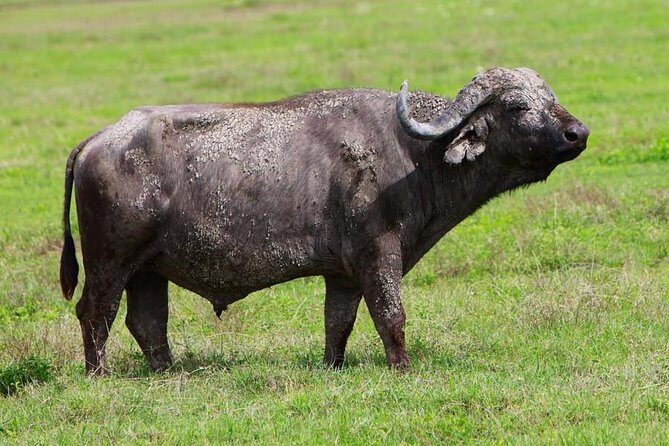
Let’s be real: “Big Five” is a target, not a guarantee. On this route, you do get the right ingredients—big cat territory in Serengeti, elephant and bird variety in Tarangire, and the special crater ecosystem at Ngorongoro where black rhinos are mentioned as part of the area’s life.
What I like is how the timing helps your odds without wasting your daylight. You get early starts when animals tend to be more active, plus afternoon drives designed to keep sightings coming rather than burning the day on long waits.
A few more Arusha tours and experiences worth a look
Price and Value: Why $1,280 Can Feel Reasonable Here
At $1,280 per person for about four days, this safari is priced like a real wildlife program, not just a vehicle rental. The key reason it can feel like value is what’s included: park fees, guided activities, accommodation at the campsites listed for the route, transportation, taxes/VAT, and meals as specified.
You’re also not stuck planning the details day-by-day. Drinking water is included each day, plus coffee/tea at the appropriate times, which matters more than people expect when you’re doing long drives and early mornings.
What’s not included is also clear: international flights, extra nights before/after, tips, personal items, and any possible government-imposed increases in fees/taxes. If your plan includes arriving early, departing late, or you’re budgeting lots of souvenirs, pencil those in so the total doesn’t surprise you.
Day 1 Tarangire National Park: Elephants, Baobabs, and Kizumba Campsite Evenings
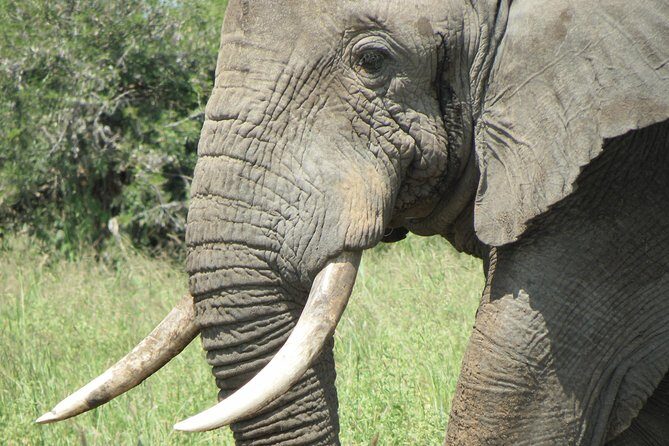
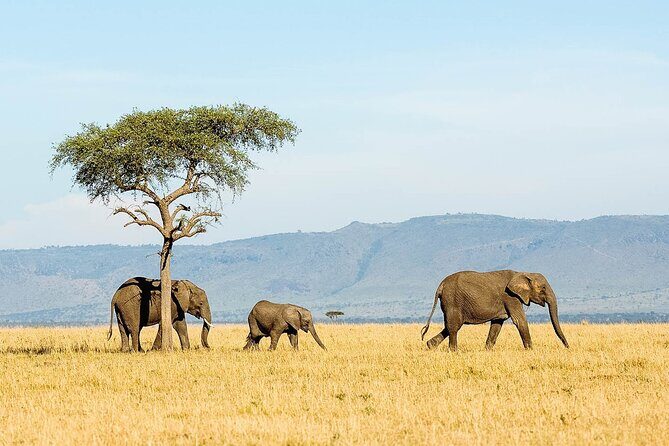
Your day starts with pickup from your Arusha hotel and a drive into Tarangire National Park. Tarangire is where the “Tanzania feel” often clicks fast: big herds, lots of birdlife, and those famous baobab trees that look like they’ve been standing forever (because they have).
You’ll begin with game viewing inside the park, then enjoy a picnic lunch. After lunch, you move into an afternoon game drive, which is a smart move for two reasons: you get more time for sightings, and you also have daylight for photos without rushing.
Dinner and overnight are at Kizumba Campsite. Camping nights in safari country are part of the experience—cool air, the quiet sounds at night, and the fact that tomorrow starts early. If you’re the type who sleeps lightly, bring earplugs; otherwise, you’ll probably sleep fine once you’ve had a full day of driving and spotting wildlife.
Day 2 Serengeti Transfer and the Olduvai Gorge Option
Day two begins with breakfast, then a longer stretch traveling toward Serengeti National Park. The travel time is listed as about seven hours to reach the main gate, and that’s a real factor in how you’ll feel by the end of the day.
There’s a useful bonus: on the way, you have the option to pass via Olduvai Gorge for a historical tour. It’s optional, so you can decide based on your interests and how your body handles the day.
Once you’re at the main gate, you’ll have a packed lunch and then get a game drive inside Serengeti before it gets dark. That timing matters. Serengeti can be impressive at almost any hour, but the late-afternoon push is where you often see animals settling into evening routines.
You’ll sleep at Seronera Campsite, with dinner and a hot shower served at the park. The hot shower detail is worth noting for camping safaris—after a day of dust and long drives, it can make the night feel genuinely restful.
Day 3 Serengeti Sunrise Game-Drive, Then Ngorongoro Rim at Simba Campsite
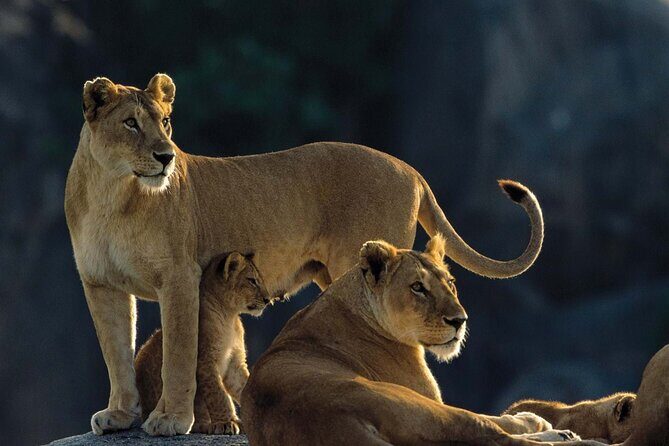
This is the day that turns the trip from good into memorable for many people. After breakfast, you’ll do a sunrise game-drive in Serengeti, then keep going through the morning with more wildlife viewing time.
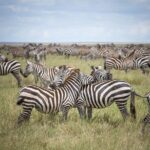
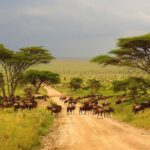
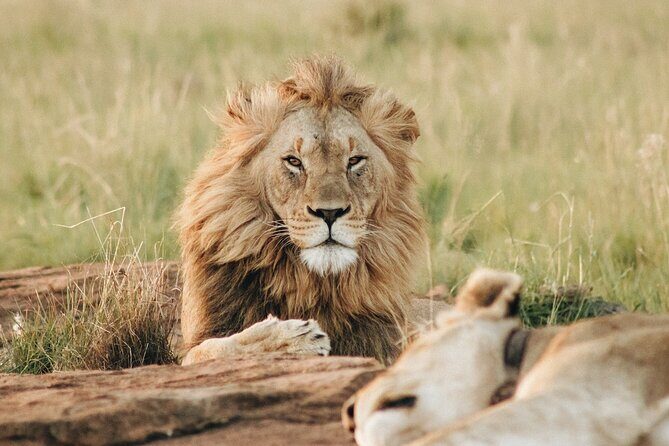
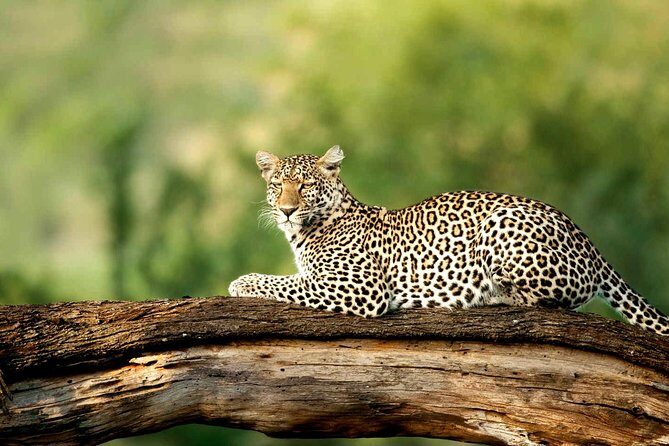
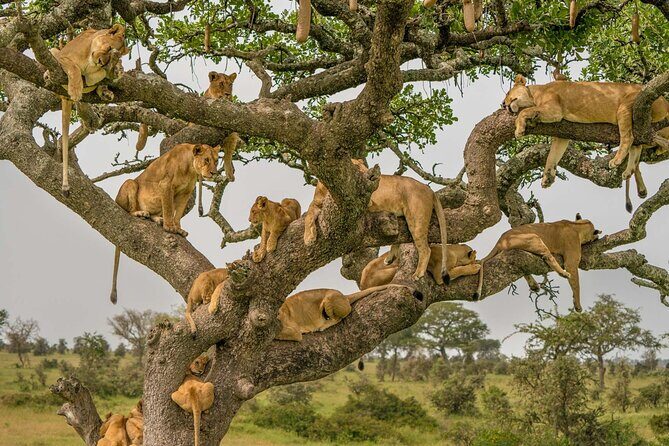
Early starts are not just for the photo crowd. Predators and active grazers often set the rhythm of the day, and mornings can bring a good mix of action—lions, cheetahs, leopards are specifically mentioned as part of the predator possibilities, along with large herds and lots of antelopes. You’ll also be watching for variety in the smaller stuff too: zebras, buffalo, and other wildlife that make the whole system feel alive.
After lunch, you’ll leave Serengeti for Ngorongoro with game drive time en-route. You’ll reach the crater area and spend the night on the rim at Simba Campsite.
Staying on the rim is one of the smartest ways to do Ngorongoro. You’re positioned so you can descend early on day four, which is exactly when the crater experience feels most worthwhile—cooler air, more focused wildlife viewing, and less rush.
A few more Arusha tours and experiences worth a look
Day 4 Ngorongoro Crater Descent, Hippo Pool Picnic Lunch, and Back to Arusha
Day four starts early with breakfast and then the big moment: descending into Ngorongoro Conservation Area for the crater tour and game viewing.
Ngorongoro is different from the open grasslands of Serengeti. The crater is a caldera system, and it’s described here as home for almost 30,000 animals. That density is the reason Ngorongoro is so famous: you can often get more “close-up” wildlife encounters because the setting funnels animals into visible areas.
You’ll have a picnic lunch at the hippo pool site, one of the crater’s signature stopping points. Hippo viewing is almost always a highlight in Ngorongoro, and the lunch stop gives you a natural break without losing prime crater time.
After the crater experience, you drive back to Arusha and arrive about 5 pm for transfer to your designated hotel. That end time is convenient if you want a night back in the city to reset—shower, laundry (if you do that kind of thing), and a meal that isn’t part of the camping rhythm.
The Guides: Why Damas, Joseph, Festus, Brian, Musa, Malisa, Tiger, Hamisi, and Freddy Get Named
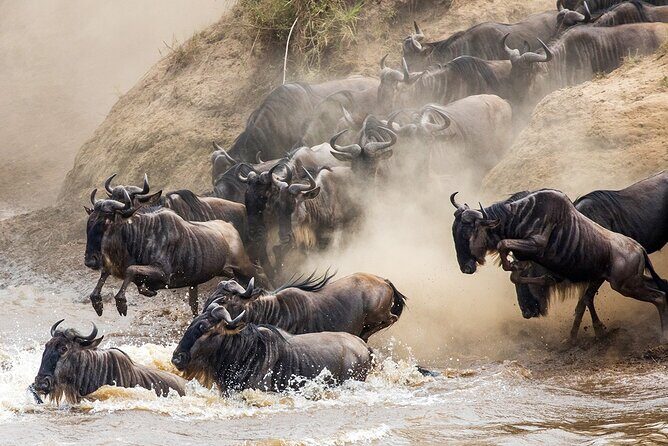
A safari lives or dies by the person behind the wheel. In this case, the guiding team shows up in feedback with names like Damas, Joseph, Festus, Brian, Musa, Malisa, Tiger, Hamisi, and Freddy.
What I take from that pattern is consistency in the human side of the trip: drivers who can handle the roads, guides who know where to point you, and people who prioritize safety and good viewing. It’s not just about finding animals; it’s also about managing the day so you’re in the right place at the right time.
In your own planning, pay attention to what kind of guide you’ll enjoy most. If you like learning something new—animal behavior, how to spot tracks, why you’re in a certain area—this type of guiding style should suit you well. And if you just want the best viewing with minimal talking, a good guide will still do the job quietly by putting you where the action is.
What Camping Safaris Feel Like in Practice (Not Just a Bed)
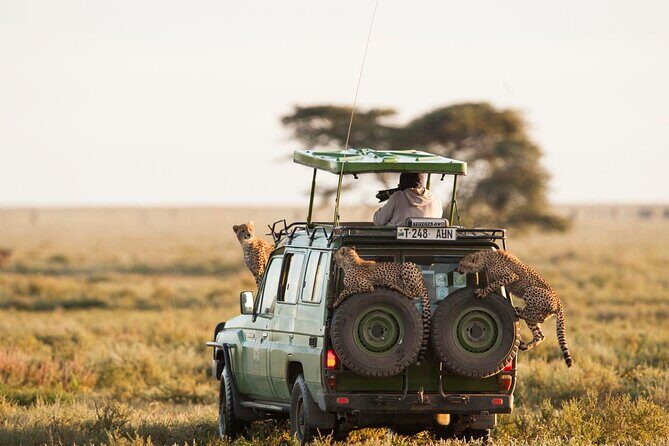
This tour is a sharing camping safari, and the campsites named—Kizumba, Seronera, and Simba—tell you it’s designed for a classic Tanzania safari setup rather than lodge comfort.
The upside is a stronger safari rhythm: you’re sleeping inside the safari world, not commuting back and forth constantly. The other upside is cost-value, since accommodation is included and you’re using the parks’ camping infrastructure.
The realistic consideration is comfort variability. Camping means you’ll be more dependent on basic campsite facilities than on hotel-style bathrooms. Still, the day-by-day notes include meals and a hot shower on the Serengeti night, which helps balance out the camping side.
If you pack smart—layers, a flashlight/headlamp, and something warm for early mornings—you’ll be fine. If you need a luxury bed every night, you might feel the difference more than you expect.
Who This Safari Fits Best (And Who Should Rethink)
This safari fits best if you want a classic Tarangire + Serengeti + Ngorongoro combination in a short time window. It’s also a good match for people who like meeting other safari companions from different nations, since this is explicitly a shared safari with a maximum group size of six.
It’s also a strong choice if you care about being outdoors early and getting multiple chances to see wildlife—especially with the sunrise drive and the crater day focused on wildlife viewing.
You might rethink it if you’re traveling with high comfort expectations for camping or if you need lots of downtime between major game drives. This trip is built for action: wake up, drive, watch, repeat.
Should You Book This 4-Day Safari? My Take
If your goal is to see multiple of Tanzania’s biggest wildlife areas without turning your trip into a logistics project, I think this one is a solid booking. The value math works because park fees, transport, guiding, accommodation on the route, and most meals are covered.
I’d book it if you’re happy with camping and you want your days structured around wildlife time—Tarangire game viewing, Serengeti morning energy, and an Ngorongoro descent with hippo pool lunch. If you’re the type who wants more time in just one park (especially Serengeti), you might feel the schedule is tight. For a first Tanzania safari or a “greatest hits” trip, though, this format makes a lot of sense.
FAQ
What parks does this 4-day safari visit?
You’ll visit Tarangire National Park, Serengeti National Park, and the Ngorongoro Conservation Area (for Ngorongoro Crater).
Where does the safari start?
It starts in Arusha, with pickup offered from your hotel. The listed start time is 8:00 am.
How long is the safari?
The duration is about 4 days.
What is included in the price?
Park fees, all activities (unless labeled optional), accommodation (unless listed as an upgrade), a professional driver/guide, transportation, taxes/VAT, the specified meals, and drinking water (plus bottled water, and coffee and/or tea).
What meals are included?
Breakfast is included on 3 days, lunch on 4 days, and dinner on 3 days, based on the day-by-day meal plan. Drinking water is included each day.
Are game drives included?
Yes. All activities are included unless labeled optional. The schedule includes game drives in Tarangire and Serengeti, plus crater game viewing in Ngorongoro.
Is Olduvai Gorge part of the safari?
It’s described as an option on the route toward Serengeti, so you can choose whether to do the historical tour.
Where do you sleep during the safari?
Overnight stays are at Kizumba Campsite (night 1), Seronera Campsite (night 2), and Simba Campsite on the rim (night 3).
How many people are in the group?
This safari has a maximum of 6 travelers.
Do I need to bring cash for park fees and meals?
No for those parts covered here: park fees and meals as specified are included. Tips and personal items are not included.