REVIEW · MOSHI
Moshi: Serval Wildlife Tour with food and drinks
Book on GetYourGuide →Operated by Kilimanjaro Destinations · Bookable on GetYourGuide
Seeing servals is easy here. What’s less common is how much time you get on the ground with a guide, plus a simple lunch stop that keeps the day from turning into a whole production.
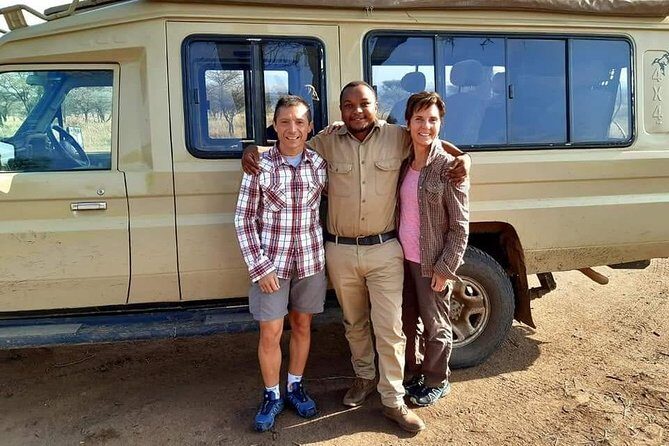
I like two things a lot. First, the encounters feel hands-on in a careful, safe way—you’re not just looking through a fence line. Second, the guiding is a real highlight, and one standout guide I heard about is Ester, who was described as both highly informed and excellent with photos.
One drawback to consider: the experience is short, so if you’re hoping for long stretches of wildlife variety or big-game action, you may feel like you arrived and left quickly.
In This Review
- Key takeaways before you book
- What You’re Really Buying in This 3-Hour Serval Visit
- The On-the-Ground Plan: Pickup, Sanctuary Time, Lunch
- Pickup and drive from Arusha or Moshi
- Serval Wildlife Sanctuary: the main event (about 1.5 hours)
- Local restaurant: lunch and welcome drinks (about 1 hour)
- Animal Encounters: Close Time, Guided Safety, Real Personality
- Servals (the star) and what you’ll notice
- Other animals you should plan to seek out
- Conservation and Learning: Why the Guide Changes Everything
- Price and Logistics: Where Value Can Get Tricky
- Food and Drinks: Included, But Plan for Simple
- Who This Tour Is Best For (and Who Should Skip)
- Practical Tips to Make It Go Smooth
- Should You Book This Serval Wildlife Tour?
- FAQ
- How long is the Moshi Serval Wildlife Tour?
- Where does pickup happen?
- How far do you travel from Arusha or Moshi?
- What happens at the Serval Wildlife Sanctuary?
- Is lunch included?
- What drinks are included?
- Is the tour wheelchair accessible?
- What language is the guide?
- What is included in the price?
- Who should not book this tour?
Key takeaways before you book
- A 3-hour, do-this-not-that plan that fits a tight schedule in Arusha or Moshi
- Guided encounters with servals plus other animals you can actually see up close
- A lunch stop included, but you should still verify what drinks and extras mean in your exact price
- Pickup from multiple areas, with set options around Arusha and Moshi
- Best for animal lovers, not for people who need to avoid insects or animal contact
What You’re Really Buying in This 3-Hour Serval Visit
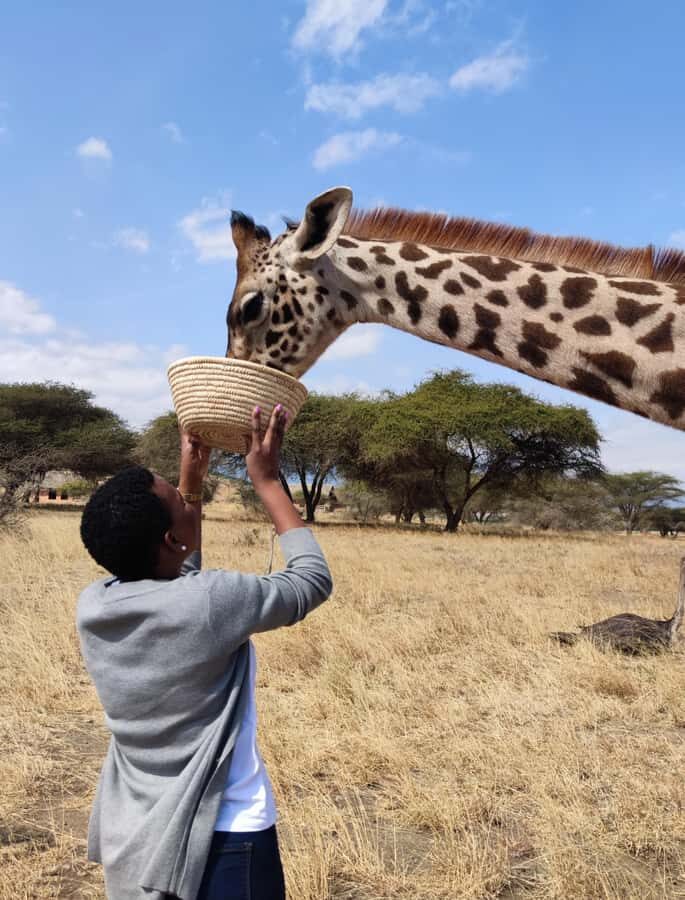
This tour is built around one idea: get you to Serval Wildlife Sanctuary and give you a guided, structured visit without the guesswork.
You’ll start with transport from Arusha or Moshi. Then you’ll spend about 1.5 hours at the sanctuary itself with a mix of guided time, photos, short breaks, and time to walk around while you’re still under guidance. The goal is not to rush you through photo ops; it’s to keep you oriented so you can actually enjoy the animals and the setting.
Serval Wildlife Sanctuary is also advertised as a place where animals aren’t kept in the typical, hard-caged setup. That matters because your mindset changes. When animals can move through their own spaces (and your guide is managing distance and behavior), you tend to get better observations. You also tend to be more relaxed, because you’re not constantly thinking about glass and barriers.
You can also read our reviews of more tours and experiences in Moshi.

The On-the-Ground Plan: Pickup, Sanctuary Time, Lunch
The whole experience runs about 3 hours, and it’s very linear. That’s good news if you want a clean schedule. It can be a letdown if you need downtime or you’re dealing with a late start.
Pickup and drive from Arusha or Moshi
There are three pickup options: Boma Ng’ombe, Arusha Urban, and Moshi. You’re expected to wait in the hotel lobby about 10 minutes before pickup.
Why this matters: your start time depends on your pickup zone. If you’re coordinating with other plans—like a morning coffee run or a museum visit—build in buffer time. A short tour leaves no room for a “quick fix” if something runs behind.
You also drive through Siha District / Siha Highlands scenery on the way. You’ll pass by views linked to Mount Meru and Mount Kilimanjaro, which is a nice context-setting moment before you get to the sanctuary.
Serval Wildlife Sanctuary: the main event (about 1.5 hours)
At the sanctuary, you’ll get:
- a safety briefing
- a guided tour / guided walkthrough
- guided photo stops
- free time within the planned visit window
- scenic sightseeing on the way inside the grounds
This is the part that most people remember. You’re not just seeing animals; you’re learning why the sanctuary is designed the way it is, and what it means for conservation. The tour also focuses on adaptability and what their conservation status implies for long-term survival.
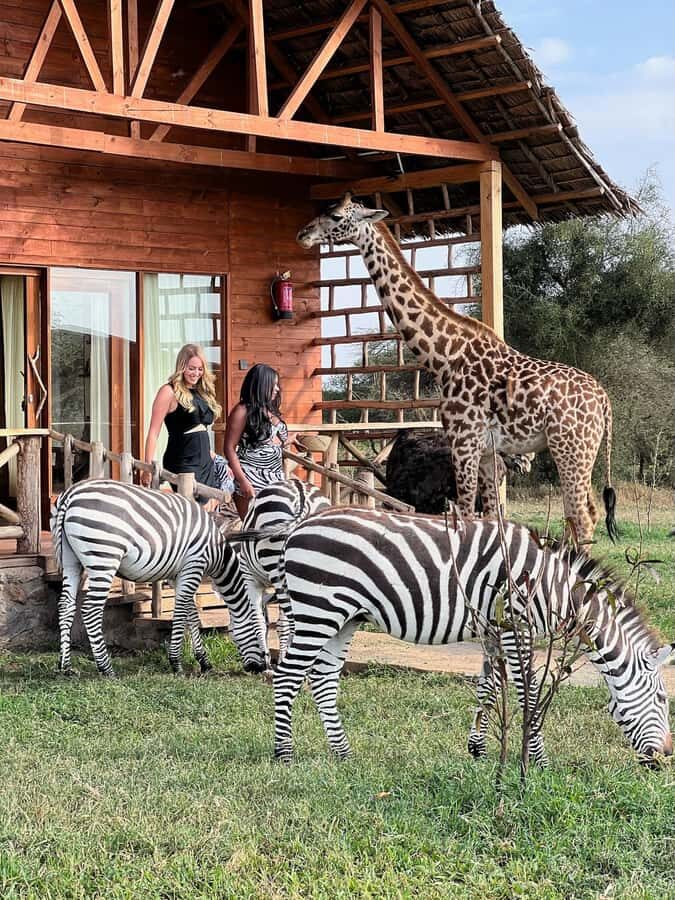
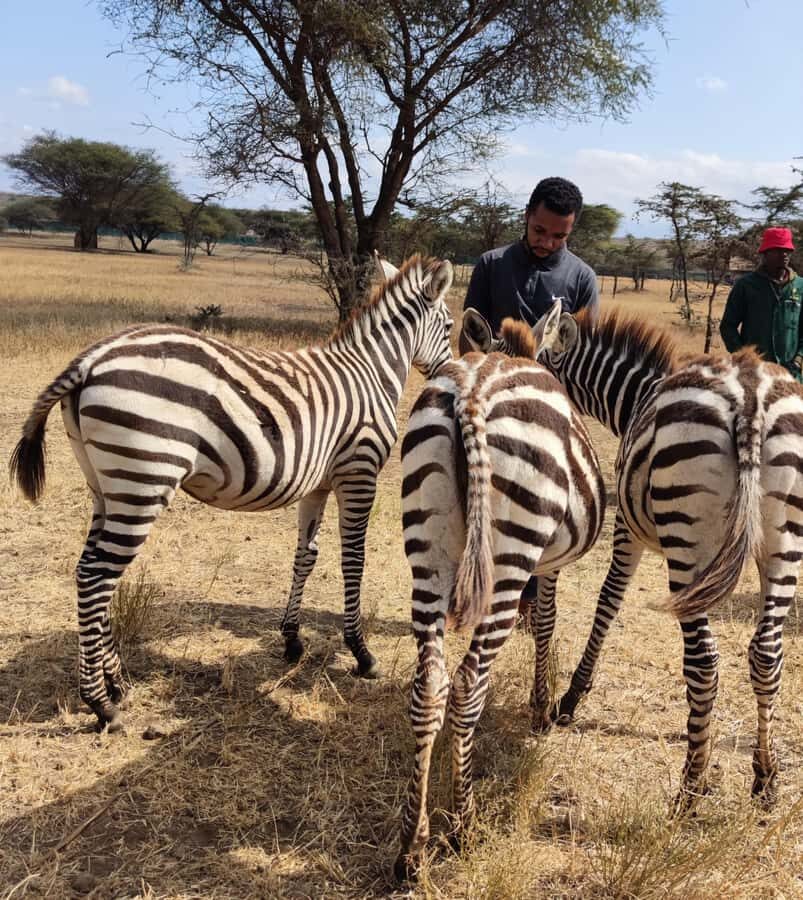
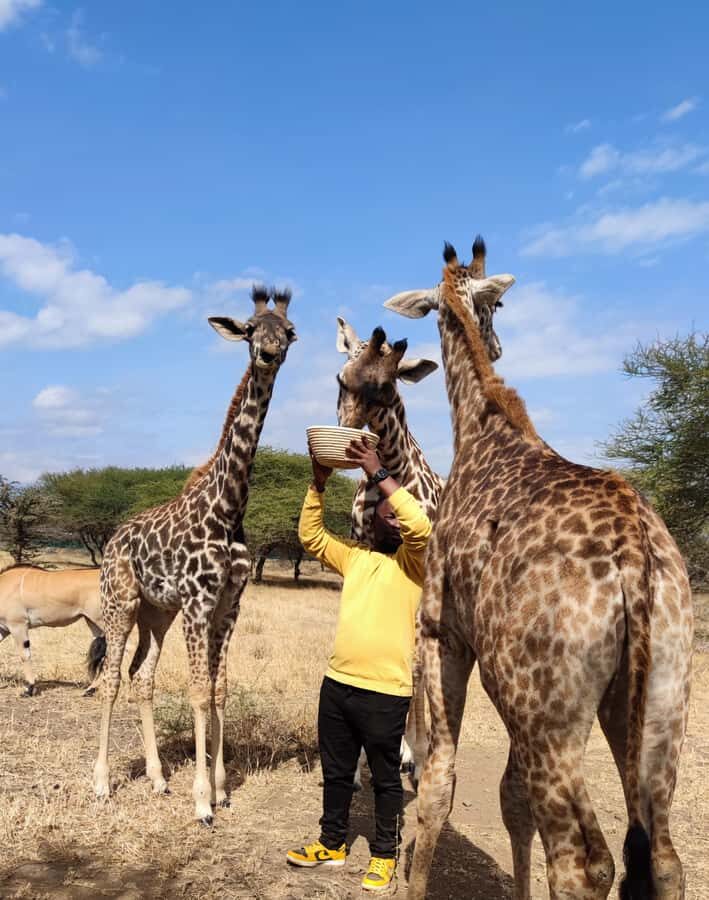
You’ll encounter multiple animals, not only servals. Included wildlife encounters include ostriches, giraffes, lions, zebras, monkeys, and Oryx, in addition to servals.
One practical note: the tour is built around guided viewing. Follow your guide’s instructions closely—especially near predators like lions. Good safety habits here are what keep the visit enjoyable for everyone.
Local restaurant: lunch and welcome drinks (about 1 hour)
After the sanctuary, you head to a local restaurant area for lunch. Lunch is included, along with drinks.
Here’s the thing: the word included can mean different levels of “included” depending on how the operator structures your exact booking. I’ve seen confusion around drinks being basic (like bottled water) and lunch being a menu choice or set meal. So don’t assume every upgrade is automatically free. If you care about soft drinks, juice, or anything more than water, confirm before you go.

Animal Encounters: Close Time, Guided Safety, Real Personality
If you come to Serval Wildlife Sanctuary for “wildlife wallpaper,” you might be disappointed. If you come for animal behavior and learning, you’ll likely have a better time.
The big positive—based on what people consistently highlight—is that animals can appear more accessible and active than you’d expect from a typical roadside zoo visit. Guides also matter a lot because they help you understand what you’re seeing: posture, movement, and how animals react to visitors.
Servals (the star) and what you’ll notice
Servals are the headline. You’ll learn about them and see them in the sanctuary’s enclosures. The payoff is not just the animal itself, but the context: why sanctuaries exist, and how animals living in managed spaces still require careful handling and protection.
Other animals you should plan to seek out
The tour includes several different species, and each one changes the feel of the visit:
- Giraffes give you big-scale sight lines and a “closer than you think” moment when they’re near feeding or viewing areas.
- Zebras and Oryx often provide good movement and grazing behavior.
- Monkeys can make the visit feel more playful, especially if they’re active during your free-walk window.
- Ostriches bring a different rhythm—watch for how quickly their attention shifts.
- Lions are the serious part of the day. If a lion is sleeping, don’t treat it like an attraction that exists for your convenience. Follow rules about distance and viewing.
One review detail that’s worth your attention: kids were not allowed to get too close to a sleeping lion in at least one instance. That’s a reminder that the sanctuary experience is managed. You’ll likely have moments of closeness, but always within boundaries your guide enforces.
Conservation and Learning: Why the Guide Changes Everything
The sanctuary part isn’t only visual. You’re supposed to learn, and you do that through an experienced naturalist guide who leads the walkthrough and answers questions.
This is where the “value” of a guided format shows up. Without guidance, many people end up focused on one animal and miss the bigger conservation message. With guidance, you get the why behind the enclosure design and what you can learn from each species’ adaptability.
A standout name mentioned with real warmth is Ester. The key point isn’t that one guide is magical—it’s that a strong guide can turn a short visit into a memorable one by connecting your time to conservation facts and good animal-reading skills.
Price and Logistics: Where Value Can Get Tricky
At $120 per group up to 1, this tour positions itself as a convenient package: transport, sanctuary entry, guidance, and lunch/drinks.
Here’s the honest part: the value depends on your expectations for what’s truly included versus what’s added. Some booking experiences have involved confusion over entry fees and what portion of food/drinks is bundled. Even if your specific package says entry fee and lunch are included, I’d still do one simple check:
- Confirm exactly what your final price covers for sanctuary entry and drinks.
- Ask whether any drinks besides bottled water are included.
- Ask if lunch is a menu choice or a set meal.
Why I’m pushing this: this tour is only 3 hours. If you end up paying extra at the restaurant or for anything that feels “standard,” it can sour the math fast.
Also look at the transport decision. Some visitors felt strongly that paying for pickup/drop was overpriced compared to arranging your own vehicle (like asking your hotel to help). If you’re comfortable self-coordinating, you might save money. If you’d rather avoid logistics, the packaged pickup can still be worth it—you’re paying for time and reduced hassle.
Food and Drinks: Included, But Plan for Simple
Lunch is included, and welcome refreshments are part of the restaurant stop. Based on how people describe what they received, drinks may be basic—often bottled water—and lunch might be a single main course choice rather than a big buffet.
This matters because Tanzania travel can vary a lot from place to place. If you’re traveling with a sensitive stomach, or you want to be sure you can eat quickly between the sanctuary and the drive back, it helps to approach this as a straightforward meal stop, not a full dining event.
If you’re the type who likes to order a full spread, you may find yourself buying extras. If you’re fine with a simple lunch and water, you’ll probably feel good about the included part.
Who This Tour Is Best For (and Who Should Skip)
This experience is a strong match if you want:
- a short wildlife outing from Arusha or Moshi
- guided animal time with structured safety
- a day that doesn’t turn into an all-day safari production
- a real sanctuary-style visit, not just a quick passing glance
It may not be the best match if you:
- have animal allergies or insect allergies (the tour notes it isn’t suitable)
- want a long safari-like timeline with lots of driving and changing landscapes
- are traveling with a group that needs lots of downtime between steps
Wheelchair accessibility is listed, which is helpful. Still, because you’ll be spending time walking and being guided through sanctuary areas, I’d confirm the route comfort level if mobility is a factor.
Practical Tips to Make It Go Smooth
These are small moves that can prevent the common frustrations that show up on short tours.
- Bring a hat and sunscreen. You’re outside during the sanctuary visit and walking segments.
- Wear closed-toe shoes with good grip. You’ll be walking through sanctuary grounds.
- Bring cash for restaurant extras if you like more than bottled water.
- If you care about total cost, ask one direct question: what exactly counts as drinks and lunch in my booking?
- Stay patient with safety instructions, especially around big cats. It’s not “polite theater”—it protects the animals and you.
Also: your best photos often come when the guide slows down and tells you where to stand. Listen early, not late.
Should You Book This Serval Wildlife Tour?
Book it if you want a tight, guided, sanctuary-focused wildlife experience that fits a 3-hour window and includes transport and a meal. It’s especially good if you value animal learning and you like being guided to the right viewing spots.
Skip or re-check it if you’re price-sensitive and dislike surprise add-ons. Because the format is short, any extra charges—entry confusion, drinks not matching expectations—can feel bigger than they would on a half-day tour.
If you do book, I’d do one last thing: message the operator and confirm what your price covers for entry and drinks, and how lunch is handled. Then you’ll get what you came for: a well-guided look at servals and other African wildlife in a managed sanctuary setting.
FAQ
How long is the Moshi Serval Wildlife Tour?
The total duration is listed as 3 hours.
Where does pickup happen?
Pickup options are Boma Ng’ombe, Arusha Urban, and Moshi.
How far do you travel from Arusha or Moshi?
You’ll have round-trip transportation from your Arusha or Moshi accommodation to the Serval Wildlife Sanctuary.
What happens at the Serval Wildlife Sanctuary?
You’ll get a guided wildlife tour and encounter animals including ostriches, giraffes, lions, zebras, monkeys, Oryx, and servals, plus a safety briefing and time for photos and sightseeing.
Is lunch included?
Yes. Lunch is included, along with drinks.
What drinks are included?
The tour includes lunch and drinks, but specific drink details aren’t defined in the provided information. If you want particular items beyond bottled water, it’s worth confirming with the operator.
Is the tour wheelchair accessible?
Yes, wheelchair accessibility is listed.
What language is the guide?
The live tour guide is listed as English.
What is included in the price?
Included items are round-trip transportation from Arusha or Moshi, guided wildlife encounters with listed animals, lunch and drinks, an experienced naturalist guide, and entry to Serval Wildlife Sanctuary.
Who should not book this tour?
It is noted as not suitable for people with animal allergies or insect allergies.