REVIEW · MOSHI
Wildlife Safari Tanzania
Book on Viator →Operated by Moana Tanzania · Bookable on Viator
A safari route that hits the big Tanzanian hits. This 5-day Wildlife Safari Tanzania trip is built around major parks and crater country, plus a quick scenic stop at Lake Natron, with private transportation and meals handled. I like that the focus stays on getting you out in the parks every day, not just moving between them.
Two other things I really appreciate: the way Moana talks about value for your budget, and the fact that they also connect the trip to ecosystem preservation and a community partner (DCI Org). One thing to think about: the days run long, and you should be ready for early starts, lots of time in the car, and a schedule that depends on good weather.
In This Review
- Key highlights worth your attention
- Wildlife Safari Tanzania with Moana: how the value adds up
- Your route: Moshi start, park focus, Arusha departure
- Lake Manyara National Park: first day energy and Tortilis Camp comfort
- Serengeti National Park and North Serengeti: where your biggest game-drive hours live
- Lake Natron morning stop: a change of scene during the drive
- Ngorongoro Conservation Area: crater day for concentrated sightings
- Tarangire and the long finish: ending on the move toward Arusha
- The human factor: guide knowledge and camp teamwork (Magoma and Niki show up)
- What’s included (and what you’ll need to budget separately)
- When a long day schedule works (and when it might not)
- Lodges you might call home for the nights
- Moana’s ecosystem and community focus: what it means for you
- Who this safari fits best
- Should you book Wildlife Safari Tanzania with Moana Tanzania?
- FAQ
- What parks are included in the safari route?
- Does the price include park fees and meals?
- What is not included in the tour price?
- What time does the safari start?
- Is pickup included?
- What happens if weather is poor or the safari must be canceled?
Key highlights worth your attention
- Private transportation and all fees/taxes: park costs and logistics are included, so you can plan one main budget number.
- Four camp meal blocks: breakfast, lunch, and dinner are included for 4 days.
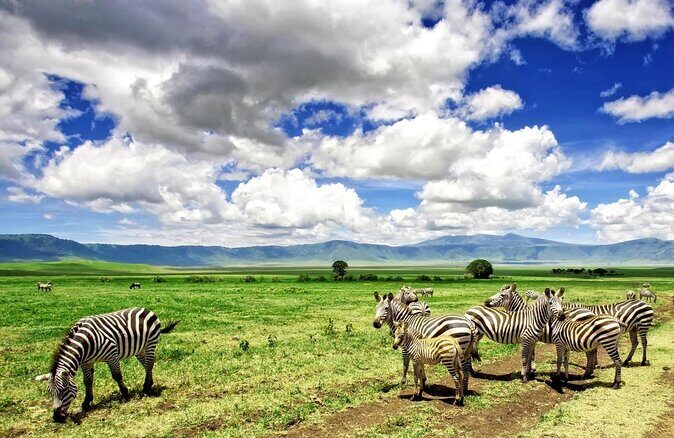
- Serengeti + North Serengeti game drives: you get more than a quick pass through Serengeti country.
- Ngorongoro Conservation Area crater game drive: one of the most concentrated wildlife moments in northern Tanzania.
- Guide and camp team matter: strong service shows up in the names and roles people share, like guide Magoma and cook Niki.
- Not just wildlife chasing: Moana’s approach also points to ecosystem care and community giving through DCI Org.
Wildlife Safari Tanzania with Moana: how the value adds up

This is not a bare-bones safari. It’s a 5-day itinerary designed to hit several ecosystems in northern Tanzania: Lake Manyara, Serengeti (including North Serengeti), Ngorongoro Conservation Area, and Tarangire. If you’re trying to do a lot in one trip without micromanaging park fees and daily meals, the structure is built for you.
Price is $3,100 per person, and it’s best understood as a package cost. You’re paying for private transportation, park fees/taxes, bottled water during the safari, and meals (4 breakfasts, 4 lunches, 4 dinners). What’s not included—visa, flights, travel/health insurance, personal spending, and tips—are the items you still control, which is normal on safari.
A few more Moshi tours and experiences worth a look


Your route: Moshi start, park focus, Arusha departure
The trip is based around Moshi, and the flow starts after you arrive via Kilimanjaro International Airport. Day 1 moves you straight toward Lake Manyara National Park and an overnight at Manyara Tortilis Camp. From there, the itinerary turns into a full-on northern safari circuit that keeps you moving to the next wildlife region rather than spreading out into too many stops.
The pickup timing is set: the start time is 7:30 am. Expect driving days that are long on paper (the itinerary lists 9-hour segments), and that’s typical safari math—roads take time, and sightings take time too.
By Day 5, you’re out of the parks and heading to Arusha Airport for departure. That final transfer is useful if you’re pairing the safari with other plans (another flight, a shorter add-on, or an onward route).
Lake Manyara National Park: first day energy and Tortilis Camp comfort
Day 1 is your landing day in the region. After arriving at Kilimanjaro International Airport, you head toward Lake Manyara National Park, then settle in for the night at Manyara Tortilis Camp. This approach helps you avoid wasting your first day with empty time. You’re out seeing Tanzania’s variety rather than just getting oriented.
The camp choice matters because you’ll likely want dinner and sleep that feel restorative after a travel day. Many safari lodges are basic compared to city standards, but Manyara Tortilis Camp fits the rhythm of this kind of trip: you’re paying for location and convenience, not luxury malls.
What to keep in mind: Lake Manyara can be a quick-moving day because you’re starting from the airport. If you’re the type who needs a slow wake-up, you might feel the early push—still, it’s a smart way to maximize your actual park time.
Serengeti National Park and North Serengeti: where your biggest game-drive hours live
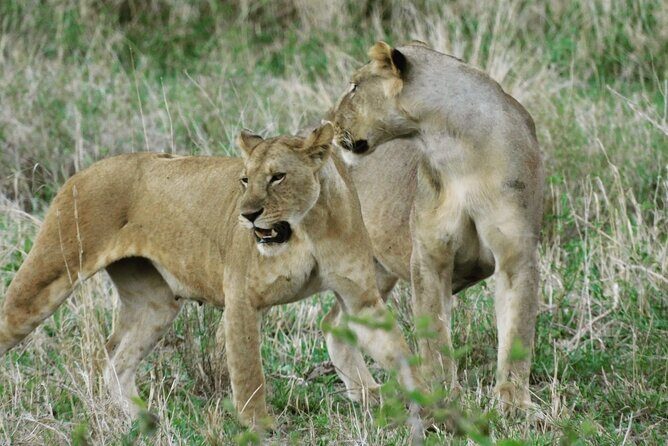
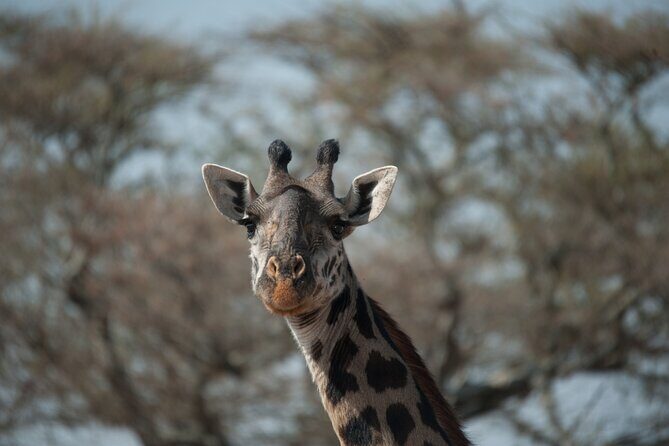
Serengeti is the headline, and this itinerary treats it like more than one photo stop. You get time in Serengeti National Park, then you continue into the North Serengeti area with a full day of game drives there. North Serengeti is often where the scenery feels wide and open, and it’s the part of the itinerary that rewards patience.
A practical advantage here: you’re not only driving past areas. The plan includes game-drive blocks in the Serengeti system, and you also overnight at Mara Bush Camp (twice, based on the multi-night structure). Two nights in the same camp zone reduces the “hotel shuffle” feeling and lets you settle into the safari routine.
If you care about wildlife watching with real chances to spot animals early and late in the day, this pacing helps. A sunrise-to-sunset safari day works because behavior changes over hours—animals move differently when the light shifts.
Lake Natron morning stop: a change of scene during the drive
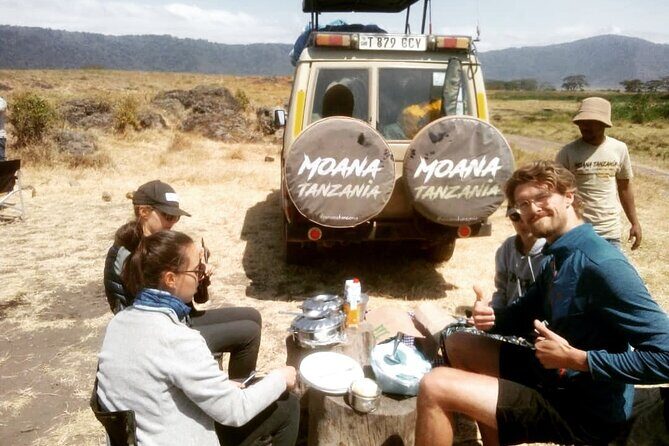
One of the more interesting moments in the itinerary is the morning visit to Lake Natron, with an early afternoon game drive en route to North Serengeti. This isn’t a full-day detour; it’s a short scenic break that can make the travel day feel less like commuting and more like a route through different Tanzania settings.
Lake Natron also gives you something different from the grass-and-scrub feel you see in parts of Serengeti and Tarangire. Even if your main goal is wildlife, a contrast like this can refresh your brain mid-trip, especially if you’re on a tight schedule.
A few more Moshi tours and experiences worth a look


Ngorongoro Conservation Area: crater day for concentrated sightings
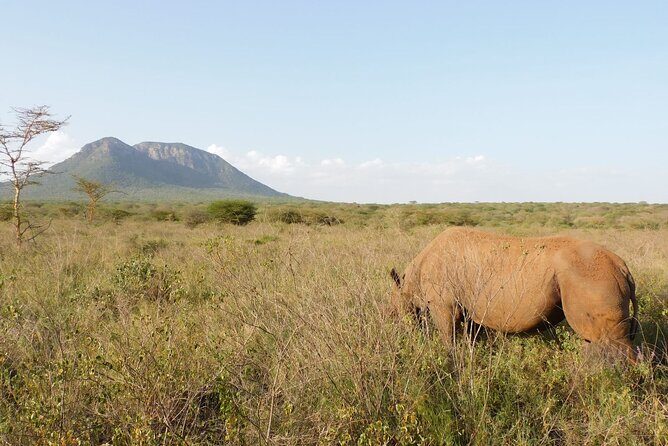
Ngorongoro Conservation Area is where the itinerary tightens focus. You’ll have a crater game drive, then you drive toward Tarangire for the next overnight (either Tarangire Tortilis Camp or Nimali Camp Ngorongoro, depending on the exact plan).
Crater days tend to feel different from open-plain driving. Expect a more “concentrated” feeling because the environment funnels movement and visibility. It’s also the kind of day where your guide’s judgment matters: where you stop, how you read animal positions, and when you move can make the difference between a decent drive and a memorable one.
Keep your expectations realistic: crater wildlife depends on conditions, animal behavior, and timing. But the itinerary’s design—one dedicated crater drive—means you’re not trying to cram the crater into a half-hour window.
Tarangire and the long finish: ending on the move toward Arusha
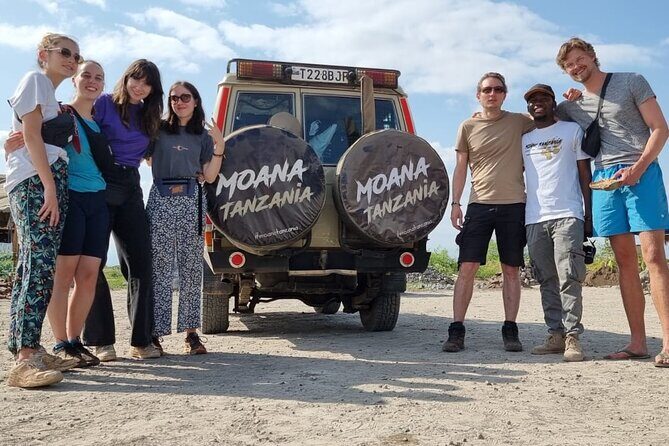
After the crater game drive, the trip shifts toward Tarangire, and you’ll overnight at Tarangire Tortilis Camp or Nimali Camp Ngorongoro. Tarangire works well as a finishing region because it keeps the safari variety high before you transition to flight time.
Day 5 is pickup from your hotel and then a drive to Arusha Airport for departure. If you have an onward flight, this final day structure is helpful: you’re not inventing your own route or hunting for a transfer at the last second.
The human factor: guide knowledge and camp teamwork (Magoma and Niki show up)
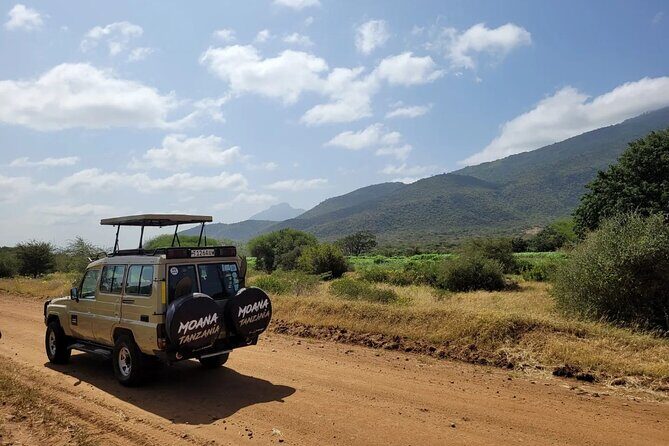
What makes safari experiences work day to day isn’t just the parks. It’s the people who run your schedule and keep the day flowing.
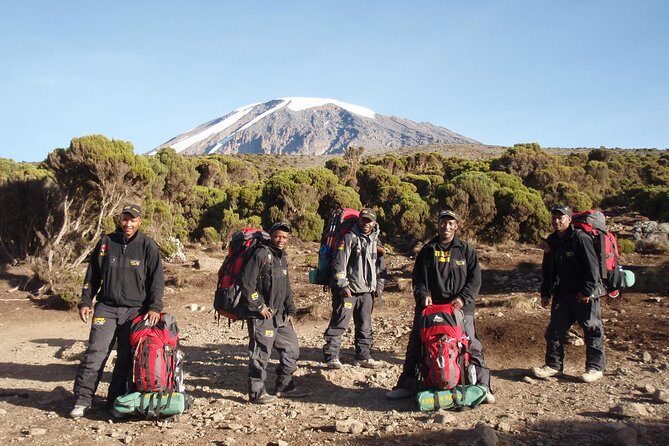
In the feedback for this operator, certain names pop up: Magoma as a guide, and Niki as a cook. The pattern is consistent—people describe guides who actively share information and adjust to what’s happening, and a cook who handles dinner details so you can enjoy views without worrying about logistics.
There’s also a standout role linked to the company owner/CEO Gea, described as reachable and responsive. That matters more than it sounds. When plans shift due to animal movement, road conditions, or simple timing issues, an operator who can answer questions quickly reduces stress.
What’s included (and what you’ll need to budget separately)
Here’s what this safari package covers, and why it’s useful:
Included:
- Private transportation
- All fees and taxes
- Bottled water during the safari
- Breakfast (4), lunch (4), dinner (4)
- A mobile ticket
- Confirmation at booking
- Pickup offered (starting from your hotel, within the stated structure)
- Service animals are allowed
Not included:
- Travel and health insurance
- Personal nature costs
- Entry visa to Tanzania
- Internal or international flights
- Tips for safari guide
Value check: when you’re booking safari time, the tricky costs are usually the stuff that isn’t optional—transport, park fees, and the daily meal rhythm. With those included here, your remaining spending is more predictable.
When a long day schedule works (and when it might not)
This itinerary runs with early starts and long park-drive blocks. The physical fitness note is “moderate,” which usually means you’ll manage stairs and vehicle entry without special equipment, but you should expect walking to be limited and time-based rather than fitness-based.
You’re also dealing with “good weather” as a requirement. On a safari, weather isn’t just comfort—it can affect road conditions and whether game drives proceed as planned. The operator can also offer a different date or a refund if weather cancels the activity.
Practical advice: if you get carsick easily, plan for it. If you hate sun and long waits in daylight, bring the right gear and accept that wildlife is a patience sport.
Lodges you might call home for the nights
Based on the itinerary, you’ll sleep at:
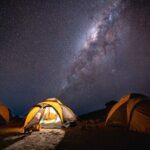
- Manyara Tortilis Camp (Night after Lake Manyara)
- Mara Bush Camp (over two nights tied to the Serengeti portion)
- Tarangire Tortilis Camp or Nimali Camp Ngorongoro (after the crater/Tarangire transfer)
You should treat these as safari lodges: functional, scenic, and designed for being close to wildlife areas, not for staying indoors all day. Meal inclusion helps you keep your time flexible and lets the day run on safari rhythm.
Moana’s ecosystem and community focus: what it means for you
This operator doesn’t just sell park access. They state a commitment to preserving the Tanzanian ecosystem and helping community development through a partnership with Dynamic Community Impact Organization (DCI Org).
You won’t see conservation work in the form of a daily classroom lecture during your game drives, but the point is that the trip isn’t purely extractive. If you care about travel that tries to reduce harm and support local needs, this operator’s positioning matters.
It also aligns with what people like about the experience: the trip feels organized, not chaotic. That kind of day-to-day discipline usually comes from an operator that invests in systems, training, and planning.
Who this safari fits best
This is a strong choice if:
- You want a private transportation setup through multiple major northern parks
- You’re aiming for a high wildlife variety route in about a week
- You prefer having meals and park fees handled so you can focus on sightings
- You like the idea of a guide/camp team that people name and trust
You might want to reconsider if:
- You want a super relaxed pace with minimal driving
- You’re on a super tight budget for extras like visas and tips
- You’re not comfortable with weather-dependent activity scheduling
Should you book Wildlife Safari Tanzania with Moana Tanzania?
If you want your safari to feel like a well-run plan—parks, meals, and fees already folded in—this one makes sense. The strongest case is the combination of Serengeti time, a dedicated Ngorongoro crater drive, and the route that also includes Lake Manyara and Tarangire, all with a team you can reach and a named guide/cook presence in the experience narrative.
Before you click book, do two quick checks:
- Confirm your visa plan and timing for arrival/departure through Moshi/Arusha.
- Make sure you’re okay with long days and wildlife-driven schedules that depend on good weather.
If that fits you, this safari is the kind of trip that can anchor a Tanzania visit.
FAQ
What parks are included in the safari route?
The safari includes Lake Manyara National Park, Serengeti National Park (including North Serengeti), Ngorongoro Conservation Area with a crater game drive, and Tarangire. The itinerary also includes a morning stop at Lake Natron.
Does the price include park fees and meals?
Yes. The package lists all fees and taxes as included, along with breakfast (4), lunch (4), and dinner (4). Bottled water is included during the safari.
What is not included in the tour price?
The tour price does not include travel and health insurance, personal nature costs, entry visa to Tanzania, and internal or international flights. Tips for the safari guide are also not included.
What time does the safari start?
The listed start time is 7:30 am.
Is pickup included?
Pickup is offered. The itinerary also notes pickup from your hotel on the final day before driving to Arusha Airport for departure.
What happens if weather is poor or the safari must be canceled?
The experience requires good weather. If it’s canceled due to poor weather, you’ll be offered a different date or a full refund. There is also free cancellation up to 24 hours in advance for a full refund.