REVIEW · MOSHI
6 Days Machame Route Hike
Book on Viator →Operated by Tanzania Joy Tours · Bookable on Viator
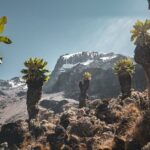
The Machame climb starts in a real rainforest. I like this Machame Route because it’s one of the most scenic Kilimanjaro options and the 6-day schedule gives you more time to acclimatize than shorter climbs. It also tends to feel like real high-country hiking, not just a checklist exercise.
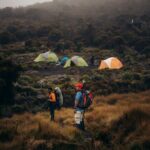
I also like the camp setup: you sleep in tents (included), and meals are served in a dinner tent or outside on blankets. The main drawback is that this trek is not for brand-new hikers; it’s built for physically fit people with some hiking experience, and day 5 can bring muscle pain, fatigue, cold, and darkness even with a strong guide team (names that show up in past trips include Patrick, Joseph, and Kelvin).
In This Review
- Key highlights
- Machame Route in plain terms: the Whiskey climb
- Moshi start, 45-minute gate access, and what to watch for
- Day 1 from Machame Gate to Machame Camp: rainforest hiking and slippery footing
- Days 2 to 4: using time to acclimatize instead of forcing speed
- Day 5 on Machame: cold, fatigue, and the darkness factor
- The descent switch: Mweka trail and your final mountain nights
- Camp life on Machame: tents included, and meals that actually help
- Price and value: what $2,342.95 really covers
- Who this Machame trek is for (and who should skip it)
- Should you book Machame in 6 days with Tanzania Joy Tours?
- FAQ
- Where does this Machame Route hike start?
- How long is the Machame hike?
- Is pickup included?
- Are tents included?
- What’s the hardest part of the trip?
- Can I get a full refund if I cancel?
Key highlights
- Scenic Machame Route: the “Whiskey” option—more interesting scenery, still very doable in 6 days
- Easier acclimatization: a slower, 6-day rhythm that supports a fairly high success rate
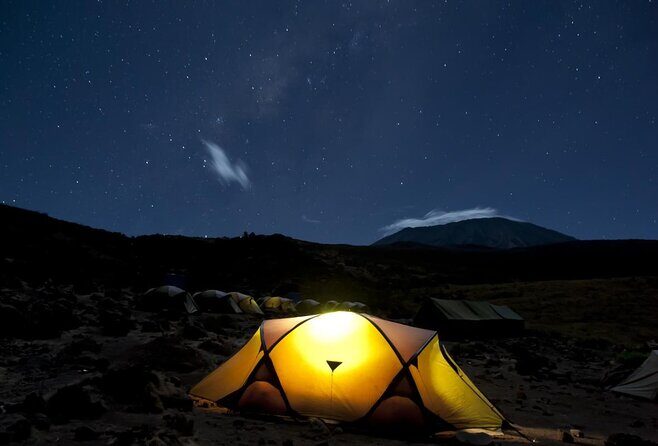
- Included tents + real camp meals: dinner tent or blanket dining after your hiking days
- Day 5 is the test: plan for cold, fatigue, and darkness, and lean on your guide and team
- Descent via Mweka trail: final mountain nights at Mweka or Millennium camp
Machame Route in plain terms: the Whiskey climb
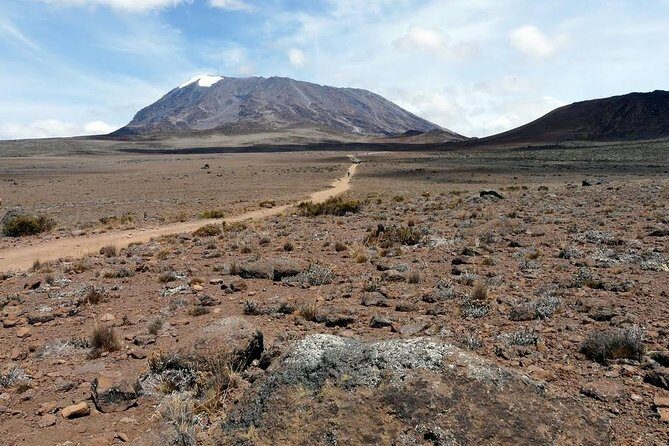
Kilimanjaro has a few “main roads,” and Machame is the one many people pick when they want both scenery and a schedule that’s kinder to altitude. The Machame Route is often described as the Whiskey route compared with the easier-drinking Marangu style. Translation: expect a more athletic hiking feel and more dramatic scenery changes along the way.
What I like about Machame is the 6-day pacing. You’re not stuffing the whole mountain into a tight window, so your body gets more chances to adjust. That matters on Kilimanjaro, where the real enemy isn’t just distance—it’s how quickly you climb.
You also get a route structure with a clear logic: climb up, spend multiple nights at altitude, then transition into descent on the Mweka trail. You stay at either Mweka Camp or Millennium Camp for your final night on the mountain, which sets you up for the last push down.
You can also read our reviews of more hiking tours in Moshi
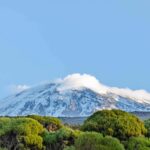
Moshi start, 45-minute gate access, and what to watch for
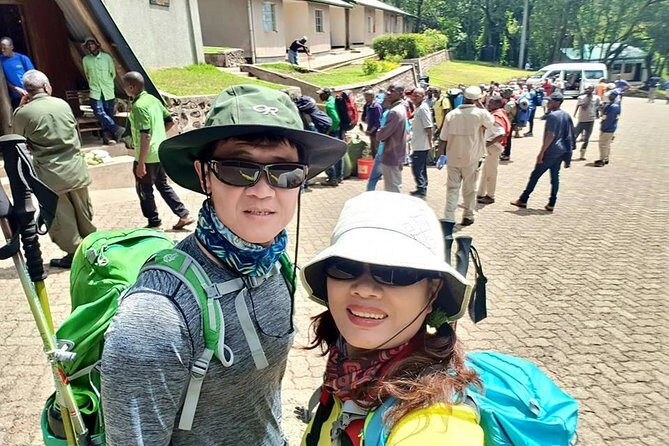
Most days begin in Moshi, and this trip starts in Moshi Urban. Pickup is offered, which is handy because you’re not trying to stitch together transport when you’re still thinking about packing, permits, and the weather.
From Moshi to Machame Gate is about 45 minutes. The drive goes past the village of Machame, which sits on the lower slopes. That village moment is useful in a practical way: it helps you sense you’re already in the foothills zone, not just arriving at some abstract “climbing logistics.”
Why this matters for you: the trip wastes less time. Instead of spending half a day getting to the start point, you’re hiking within a tight window after you’re briefed.
If you’re used to day hikes, note that Kilimanjaro starts with a real biological shift. Your hike day isn’t just exercise—it’s your introduction to humidity, mud, and trail grip. Get that first day right and the rest of the climb feels more manageable.
Day 1 from Machame Gate to Machame Camp: rainforest hiking and slippery footing
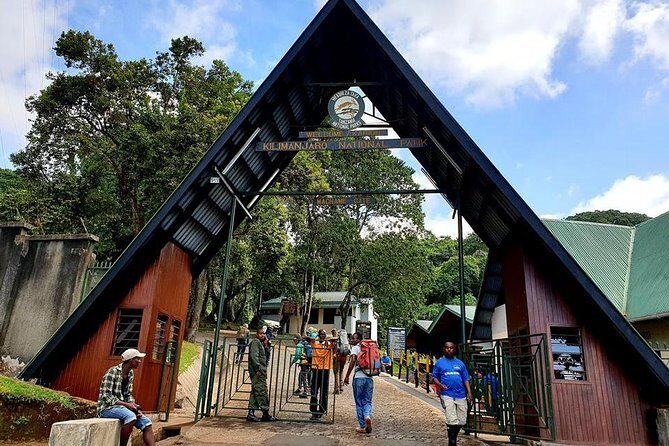
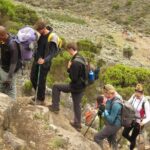
Day 1 starts at the Machame Gate, then you walk into forest on a winding trail up a ridge. This is the kind of hiking where the scenery feels alive—trees, moisture, and a trail that can be damp even if the weather looks fine at the gate.
You’ll gain elevation from about 1,830m / 6,000ft up to around 3,050m / 9,950ft. The hiking distance is about 11km / 7mi, with 5–6 hours of walking.
Lower-elevation trails can be muddy and slippery, especially after rain. This is where I’d take the trail advice seriously: gaiters and trekking poles can make your life a lot easier. Poles help with balance on uneven footing. Gaiters help keep grit and water out of your shoes, which matters because wet shoes quickly turn into cold feet later in the trek.
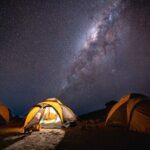
Meals on day 1 are included as lunch/dinner style fare (often written as LD). After hiking, you’ll eat in a dinner tent setup or outside on blankets, and you’ll be sleeping in your included tent. Think of day 1 as training your body for camp rhythm: moving for hours, then switching to warmth and rest fast.
Days 2 to 4: using time to acclimatize instead of forcing speed
The biggest advantage of Machame in 6 days is how it gives you a better chance to acclimatize. You’re building altitude step by step rather than trying to rush to the top.
Even without getting “day-by-day distance numbers” for every stretch, the overall pattern matters: the first several days are your body’s warm-up for higher altitude. One important clue from past climbers is that the trekking part for the first 4 days is not so hard compared with what comes later.
Here’s how I’d use that knowledge if you’re planning your effort:
- Keep your pace controlled. You’re not sprinting between camps.
- Pay attention to breathing on the uphill and adjust speed early.
- Treat sleep as training, not just downtime. Altitude affects sleep quality.
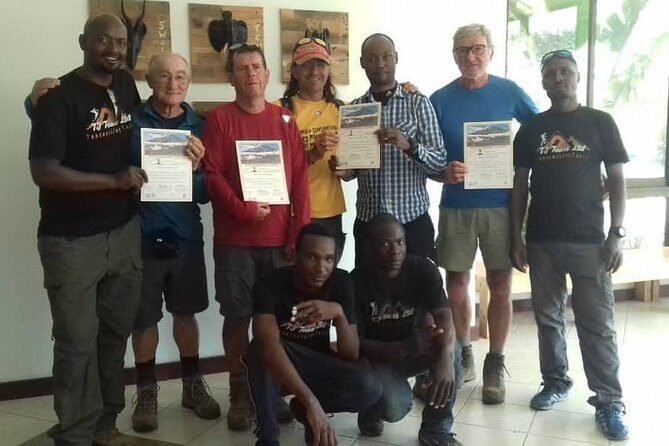
This is also where your guide and team make a noticeable difference. Past trips highlight guides and staff such as Patrick and assistant guides like Michael, plus other crew roles that keep camp running smoothly. That crew competence matters because it reduces your mental workload: you spend less time figuring things out, and more time focusing on hydration, layering, and energy.
Day 5 on Machame: cold, fatigue, and the darkness factor
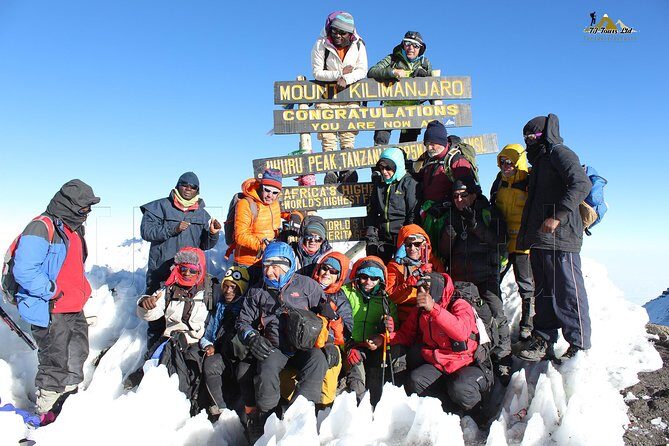
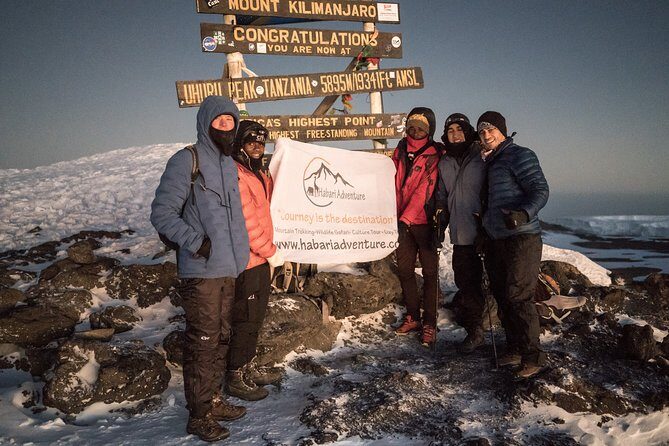
If you want the honest expectation, day 5 is the hard day. One climber’s description hits the points you should plan for: muscle pain, fatigue, cold, and darkness.
That doesn’t mean it’s miserable, but it means you can’t show up thinking it will feel like day 2. This is where preparation pays off:
- Warm layers matter. Cold at altitude can sneak up on you even if you started warm.
- Fatigue management matters. Slow, steady movement beats pushing and paying for it later.
- Darkness matters. When the trail is dark, the pace needs to be calm and careful.
A strong guide helps you convert effort into forward motion. Names like Joseph and Kelvin show up in past accounts for supporting climbers through the toughest part and staying attentive during the long, demanding hours. Look for that kind of guidance style if you’re comparing options—someone who keeps you safe and moving without panic.
Also, don’t underestimate how much morale counts. When a team is patient, friendly, and steady, it changes the vibe of pain. You still feel the climb, but you don’t feel alone in it.
A few more Moshi tours and experiences worth a look
The descent switch: Mweka trail and your final mountain nights
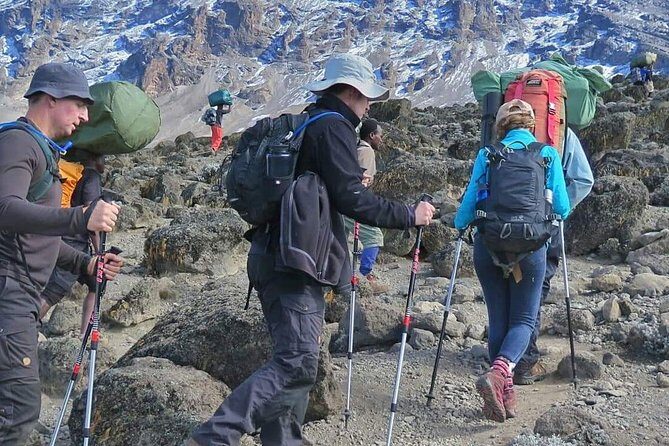
After the hardest climb portion, your energy shifts. The route then takes you down via the Mweka trail. Descents can feel easier mentally—less altitude gain—but your legs still pay the bill. Expect your knees and quads to work, especially after a big altitude day.
You’ll spend the final night on the mountain at either Mweka Camp or Millennium Camp. That final-night detail is more important than it sounds. It affects how you pack your “end of mountain” routine—warm clothes, the right sleep setup, and your comfort before the final descent back toward Moshi.
Practical tip: treat the descent like part of the hike, not an afterthought. If you go too fast, your legs get wrecked, and you end up walking stiff instead of walking steady. Your goal is controlled descent, not hero moments.
Camp life on Machame: tents included, and meals that actually help
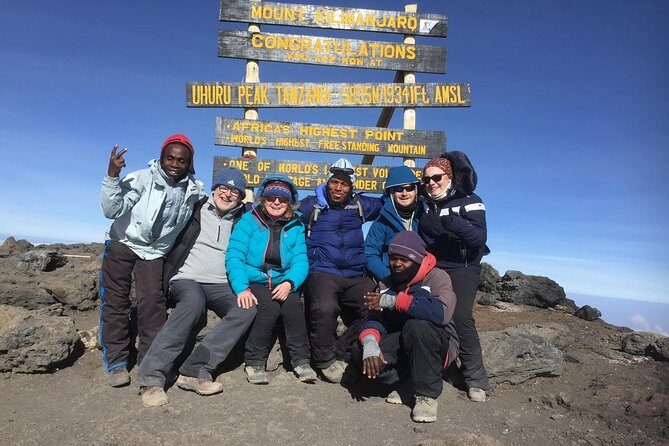
One of the most practical selling points of this trip is that all climbers sleep in tents, and those tents are included. You’re not trying to rent or improvise your shelter on the mountain.
Meals are served in a dinner tent or outside on blankets. That’s a real detail that affects comfort. Eating outside can be great for morale and atmosphere, but it also means you need to be ready for temperature swings. After cold hiking hours, warmth matters.
Past climbers also describe the food as excellent, which is a huge deal on a multi-day trek. Good food doesn’t just taste good—it helps you recover. On altitude days, your appetite can be weird, so you’ll want meals that are filling and reliable.
If you’re trying to pack smart, think in terms of camp needs:
- layers for after you stop moving
- socks that stay comfortable when damp
- a plan for staying warm at dinner
Price and value: what $2,342.95 really covers
The price is $2,342.95 per person for the 6-day Machame trek from Moshi. That number will feel big no matter what, so the right way to judge value is to match cost to what’s included and what it saves you.
From what’s provided, the key inclusions and comfort pieces are:
- Tents included
- Meals served during the trek (with dinner setup in a tent or outside blankets)
- Pickup offered
- Private tour (only your group participates)
- Mobile ticket
Those inclusions matter because they reduce your decisions and reduce your chances of going without something important. A private setup can also mean less crowd pressure on timing and more flexibility within your group.
What’s not spelled out in the details you provided: things like your exact gear list, porters, or whether you need to budget separately for park fees or climbing gear. That doesn’t mean it’s missing—it just means you should verify the full inclusion list before you commit.
Bottom line on value: this pricing is for a supported, managed trek where you’re paying for logistics, food, and shelter, not just the view. If you want Machame and you want structure, the price can make sense.
Who this Machame trek is for (and who should skip it)
This route is aimed at people with moderate-to-good physical fitness and some hiking experience. That’s not marketing language—it lines up with the reality of day 5 and the muddy conditions early on.
If you:
- hike regularly
- can handle 5–6 hour days
- know how to pace uphill
- are comfortable with cold at elevation
…then Machame in 6 days is a strong fit.
If you mostly do short, flat walks, or you’re not used to long days with pack weight, this climb can feel like a shock. Day 5’s mix of cold, fatigue, muscle pain, and darkness is the kind of challenge that rewards preparation.
Also, if you dislike group settings, the private tour format can be a big win. You’re not sharing your experience with strangers beyond your selected group.
Should you book Machame in 6 days with Tanzania Joy Tours?
I’d say book it if you want a scenic Kilimanjaro route with a pace that supports acclimatization, plus a camp setup that handles the essentials—tents and meals—without making you scramble. The Machame plan in 6 days is a smart middle ground for people who want the classic experience but don’t want a brutal schedule.
Skip or rethink it if you’re not ready for the physical punch of day 5, especially the cold and darkness factor. This is a serious hike, even though guides and teams typically do a great job of keeping you steady—names like Patrick, Joseph, Cosmas, and Kelvin have shown up repeatedly for being supportive and adaptive.
If you do book, my best advice is simple: train your legs, pack for cold, and plan to move calmly. Then this route’s scenery and sense of accomplishment will feel earned, not lucky.
FAQ
Where does this Machame Route hike start?
It starts in Moshi Urban, Tanzania, and the experience ends back at the meeting point.
How long is the Machame hike?
It runs for 6 days (approximately).
Is pickup included?
Pickup is offered as part of the experience.
Are tents included?
Yes. All climbers sleep in tents, and the tents are included.
What’s the hardest part of the trip?
The toughest period is typically day 5, when you may face muscle pain, fatigue, cold, and darkness.
Can I get a full refund if I cancel?
Yes. You can cancel up to 24 hours in advance for a full refund. If you cancel less than 24 hours before the start time, the amount paid is not refunded.