REVIEW · ARUSHA
4 Day Safari- Tarangire,Ngorongoro and Serengeti
Book on Viator →Operated by Jairos Adventure · Bookable on Viator
Big cats and big skies in one circuit. This 4-day Northern Safari Circuit (about 5 days) strings together Tarangire, Ngorongoro Conservation Area, and Serengeti—so you get elephants, a real shot at rhinos, and the famous wildebeest movement. What makes it especially fun is the open-roof 4×4 experience, which keeps you close to the action and makes every spotting feel immediate.
Two things I’d call out right away. First, the driving setup is built for wildlife viewing: your vehicle is set up so you can track animals without fighting for angles, and one recent group even praised that the jeep was clean and well equipped with binoculars. Second, the human side matters on safari, and the guides here show up strong—people specifically called out Ezekiel for being friendly and sharp on wildlife and logistics.
One consideration: this costs $3,984 per person, and that base price doesn’t cover everything safari-goers typically expect (like alcohol, extra activities, and guide tips). If you’re sensitive to tipping or you want a lot of add-ons, budget for those now so it doesn’t surprise you later.
In This Review
- Key Highlights You’ll Actually Feel On Safari
- Arusha Start: How This Northern Safari Circuit Fits Together
- Tarangire National Park: Elephants, Baobabs, and Dry-Season Water Magic
- Ngorongoro Conservation Area: Big Five Odds Inside a Volcanic Crater
- Serengeti National Park: Chasing the Migration Scale
- The Real Deal: Vehicle, Guides, and Comfort Details That Matter
- Lodging on the Route: Lodge Night One, Then Camp Nights
- Price and Value: Is $3,984 Worth It?
- Practical Tips Before You Go (So Safari Feels Easier)
- Should You Book This 4-Day Tarangire, Ngorongoro, Serengeti Safari?
- FAQ
- How long is the safari and what parks does it include?
- Where does the safari start and end?
- What’s included in the tour price?
- What is not included?
- Is this tour private or shared?
- What kind of vehicle and viewing setup will I have?
- Can I cancel if plans change or weather is bad?
Key Highlights You’ll Actually Feel On Safari
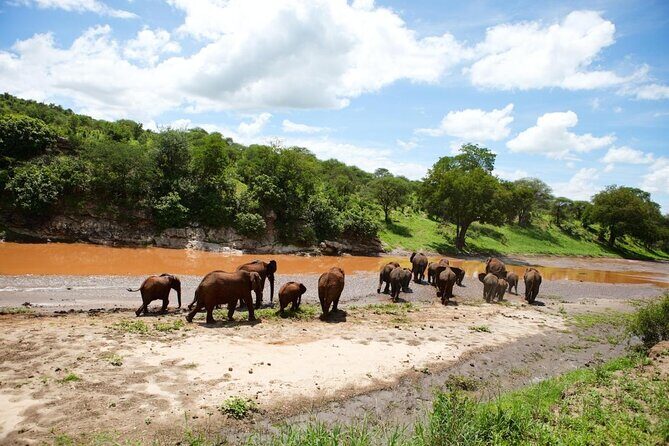
- Three parks, one efficient loop: Tarangire elephants and birds, Ngorongoro Big Five, then Serengeti migration country.
- Open-roof 4×4 Land Cruiser time on the clock: better viewing and that classic safari feeling.
- Guide quality shows in the details: friendly, patient guiding and strong animal spotting help.
- Your safari vehicle may come with binoculars: helpful for finding distant movement.
- Air safety support is included: AMREF Flying Doctors air ambulance service coverage is part of the deal.
- Camping-style comfort where included: tent and mattress are included, plus lodge/camp stays on the route.
Arusha Start: How This Northern Safari Circuit Fits Together
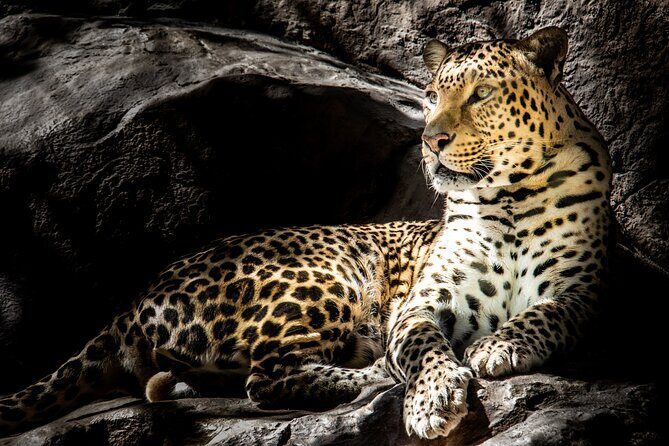
Most people underestimate how much northern Tanzania wildlife country can compress into one trip. This safari is built to do exactly that: start and finish in Arusha, then move through Tarangire, Ngorongoro Conservation Area, and Serengeti as one connected run.
You’re in the parks for long enough to make sightings feel realistic, not rushed. The pacing also matters because wildlife is never guaranteed. You’re planning around animal behavior and park rhythms, not a fixed script. And because this is described as a private experience (only your group), you’re not stuck adjusting to random schedules or shoehorning your interests into someone else’s plan.
Also, you’re not traveling totally solo in the background. The included 24/7 phone support is there if something changes or you need help syncing up. It’s not something you want to use, but it’s a big comfort to know it exists when you’re far from home.
A few more Arusha tours and experiences worth a look



Tarangire National Park: Elephants, Baobabs, and Dry-Season Water Magic
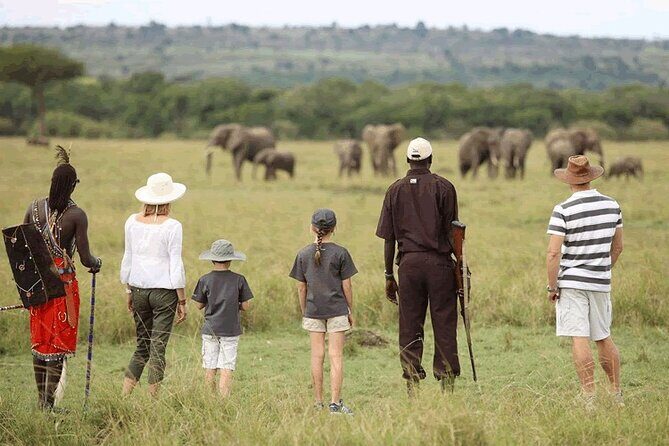
Tarangire is where I’d send you if you love big herds and thick wildlife energy. The big draw here is the elephant population. In dry season, the Tarangire River becomes the magnet, because it’s the main water source for a big area. That creates natural viewing opportunities: animals move toward water, and your guide can position you where the action is most likely.
Tarangire also earns its reputation for birds. So even if you’re not chasing every mammal, you’ll likely find plenty to look at—constant motion in trees and grass edges, plus the chance to spot species that don’t show up the same way elsewhere.
And then there are the baobab trees. These aren’t just scenery. They give you strong visual landmarks, which helps when you’re scanning for movement. You end up using the trees like natural “anchors” while you watch animals cross open stretches.
What to consider: Tarangire can feel more open and sun-forward than some crater or forest settings. That means you’ll want to be ready for heat, dust, and glare during drives. With an open-roof vehicle, you’ll feel the weather more directly, so pack for comfort, not just looks.
Ngorongoro Conservation Area: Big Five Odds Inside a Volcanic Crater
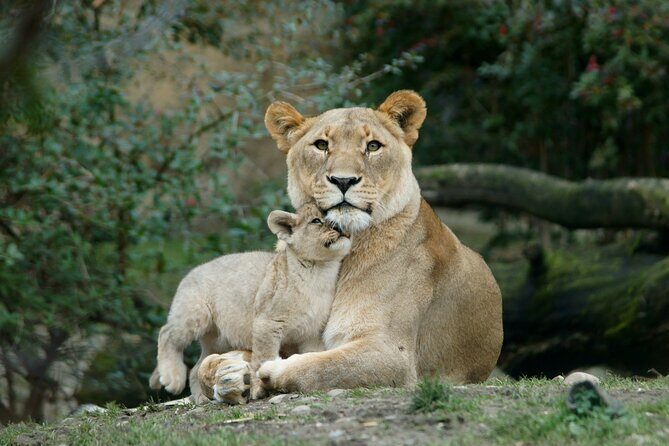
Ngorongoro is the park that makes people sit up a little straighter. The reason is simple: Ngorongoro Crater concentrates wildlife in a huge, dramatic bowl. In other words, instead of chasing animals across miles of ground, you’re often viewing them in a place where food, water, and terrain can do part of the work for you.
This is also the setting for the Big Five concept: elephant, lion, leopard, buffalo, and rhino. In practical safari terms, that means you’re not just hoping for something. You’re going into a conservation area where these animals are part of the ecosystem.
There’s another detail I like here because it makes Ngorongoro feel real, not like a theme park: Maisa livestock grazing alongside wild animals. That mix is one of the things that gives the area character, and it also changes how you interpret what you’re seeing. You’re watching an active human-wildlife system, not a sealed-off nature display.
Why this stop is valuable: even if you don’t get every big cat sighting, you’re still getting a powerful safari day built around density, terrain, and conservation context. It’s the kind of place where one good sighting makes the whole day feel worth it.
What to watch for: crater-country can mean you’ll spend a lot of time in motion. Bring patience and expect long viewing windows rather than one quick win.
Serengeti National Park: Chasing the Migration Scale
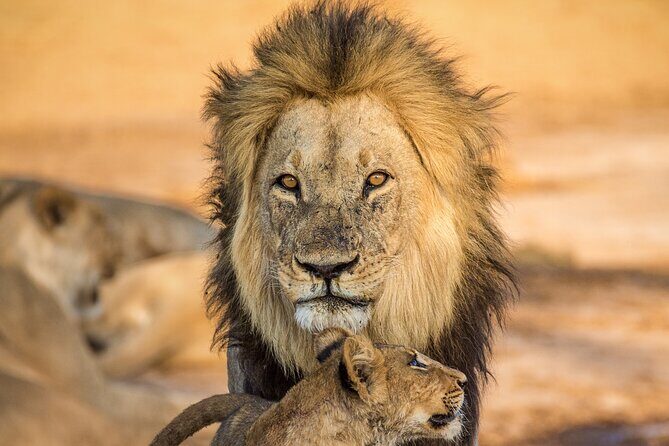
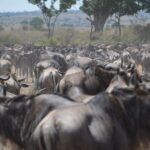
If you’ve only ever seen Serengeti in photos, I’ll temper your expectations in the best way: the scale hits differently in person. The park is famous for the Great Wildlife Migration, with huge numbers of wildebeest, zebra, and other grazers spread across the plains.
You’re looking for patterns, not just animals standing still. Migration country is dynamic. When herds move, they move with momentum, and it’s that flow that can make your eyes work harder—because you’re scanning for the start of a movement line, then tracking it as it grows.
Serengeti is also described as extremely large and wild. That matters for you because it changes how your guide drives. You’re not just going from one fence line to another. You’re covering country where wildlife could be anywhere, depending on the day and the season.
What to consider: because this park can be enormous, you’ll want to embrace the safari mindset. The best results often come from staying focused during drives and being ready to stop and watch whenever your guide spots action. If you need constant entertainment between sightings, this style can feel slow. If you love “watching,” it’s heaven.
The Real Deal: Vehicle, Guides, and Comfort Details That Matter
Safari comfort is not luxury. It’s more like smart practicality. Here’s what’s explicitly part of this experience, and why it matters when you’re actually out there.
Open-roof 4×4 transport
You’ll ride in a 4×4 Land Cruiser with an open roof for better wildlife viewing. That means more sound from the bush, more wind, and better sightlines. It also means you should dress for sun and dust, not just warm weather.
Binoculars and viewing setup
One review praised that the vehicle was equipped with binoculars and had a setup where each person had their own seat and window access. That’s a comfort win, because it reduces the constant “move over” game and helps everyone track distant animals.
Professional English-speaking guide
This isn’t just a driver who knows roads. The experience includes a professional English-speaking safari guide. Good guiding is the difference between seeing animals and actually understanding what you’re seeing—why a herd is where it is, where predators might be waiting, and how to interpret tracks or movement.
AMREF air ambulance service
This is one of those included items you hope never matters, but you’ll be glad it’s there. AMREF Flying Doctors air ambulance service coverage is included in the package.
Water included
You get 1.5 bottles of water per day. It’s a small detail until you’re sweating in the sun. I still recommend bringing a refill plan if you can, but it’s good to know you’re not starting from zero.
A few more Arusha tours and experiences worth a look

Lodging on the Route: Lodge Night One, Then Camp Nights
This circuit includes specific stays: Tloma Lodge on day one, followed by Acacia Central Camp for day two and day three. The package also includes tent and mattress, which suggests that at least some nights will feel like a more hands-on camp setup rather than a traditional hotel.
So what can you expect in real-life terms? You should think: clean basics, hearty safari food, and focus on rest between drives. One review specifically praised the hotels and camps as excellent, with plenty of food variety and friendly staff. That lines up with what you’d want after long days of game drives.
What to consider: when you’re sleeping in tent or camp-style accommodation, you’ll trade a hotel’s quiet consistency for the safari experience. If you’re the type who needs hotel-level climate control at night, you’ll want to be honest with yourself before booking.
Price and Value: Is $3,984 Worth It?
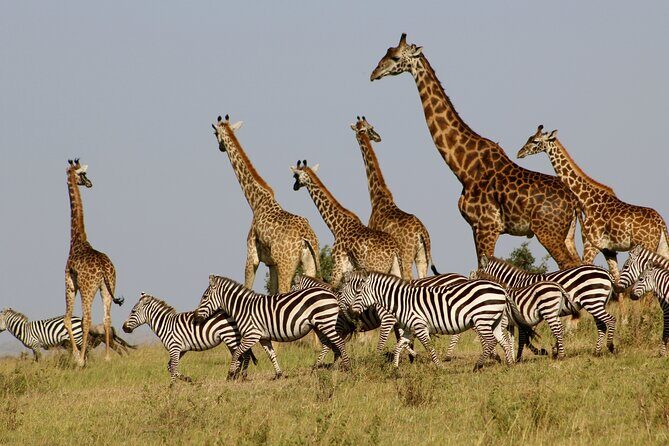
Let’s talk about money like adults. At $3,984 per person, this isn’t a budget safari. But it’s also not just a random “transport + parks” bundle.
Included in the core price:
- Park fees and taxes
- Transport in a 4×4 Land Cruiser with an open roof
- Tent and mattress
- 1.5 bottles of water per day
- Professional English-speaking safari guide
- AMREF air ambulance service
- 24/7 phone support
Not included:
- Travel insurance, visa/passport fees
- Alcohol and extra activities
- Local and international flights
- Tips for safari guide (commonly noted as $30–50 per car per day)
So where’s the value? You’re paying for three things that are hard to DIY well:
- Access and park logistics across three major wildlife areas
- Reliable guiding and vehicle time when you’re out there in the field
- Built-in safety support via AMREF and included support infrastructure
If you’re counting every dollar because you want the cheapest possible option, you may find cheaper tours. But if you want a smooth northern circuit with the major wildlife targets and the included safety and park access, this price makes more sense.
The real caution is timing and expectations. Wildlife is never guaranteed. What you’re really buying is time in the right places, with the right setup, and people managing the details so you can focus on spotting.
Practical Tips Before You Go (So Safari Feels Easier)
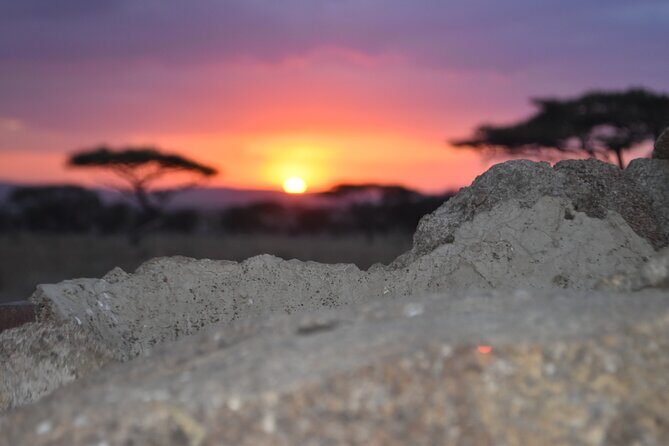
Here’s what I’d do to get the most out of the trip without overthinking it.
Pack for weather and dust
You’ll be in open-air conditions. Think sun protection, light layers for early/late hours, and something that can handle dust on fabric.
Bring the right camera mindset
You don’t need fancy gear to get good photos, but you do need patience. Use binoculars when you can, and then aim the camera once you find the subject.
Listen to your guide and trust the stops
This kind of safari runs on smart noticing: movement in tall grass, sudden herd shifts, predator waiting behavior near water. Stay alert and you’ll feel the difference fast.
Plan your budget for the extras
Alcohol and extra activities aren’t included. Tips for your guide aren’t included either. If you plan for these up front, the safari feels smooth rather than stressful.
Should You Book This 4-Day Tarangire, Ngorongoro, Serengeti Safari?
If you want a straightforward way to hit Tarangire + Ngorongoro + Serengeti without juggling logistics across multiple operators, I think this is a solid choice. It’s focused on the big wildlife experiences: elephants and birds in Tarangire, Big Five odds and crater drama in Ngorongoro, then migration-scale viewing in Serengeti.
Book it if:
- You’re okay with a camp/lodge style night setup
- You value a strong guide and clean, well-equipped safari vehicle time
- You want included support and air ambulance coverage
Hold off or ask more questions first if:
- Your budget is tight and you don’t want to add tips and optional costs later
- You prefer hotel comfort over tent/camp basics
- You’re very sensitive to weather exposure because the vehicle is open-roof
If your main goal is maximum wildlife density and classic northern safari highlights in one connected trip, this circuit fits that goal well.
FAQ
How long is the safari and what parks does it include?
The safari is listed as about 5 days (with a 4-day safari mentioned), covering Tarangire National Park, Ngorongoro Conservation Area, and Serengeti National Park.
Where does the safari start and end?
It starts in Arusha, Tanzania and ends back at the meeting point.
What’s included in the tour price?
Inclusions cover park fees and taxes, tent and mattress, 4×4 Land Cruiser transport with an open roof, 1.5 bottles of water per day, a professional English-speaking safari guide, AMREF Flying Doctors air ambulance service, and 24/7 phone support.
What is not included?
Not included are travel insurance, visa and passport fees, possible increases in park fees, tips for the safari guide, alcoholic beverages and extra activities, and local and international flights.
Is this tour private or shared?
This is a private tour/activity with only your group participating.
What kind of vehicle and viewing setup will I have?
You’ll travel by 4×4 Land Cruiser with an open roof. One review also mentioned the vehicle was clean and equipped with binoculars, and that each person had their own seat and access to windows.
Can I cancel if plans change or weather is bad?
Yes. There’s free cancellation, and you can cancel up to 24 hours in advance for a full refund. If it’s canceled due to poor weather, you’ll be offered a different date or a full refund.