REVIEW · MOSHI
Kilimanjaro Climbing Rongai Route
Book on Viator →Operated by Habari Adventure · Bookable on Viator
The Rongai route starts calmer, then hits hard. This Kilimanjaro climb is interesting because you ease in through rain forest and moorland, then finish with the classic midnight summit push. I love the local, safety-trained guides and the way the plan builds in time for acclimatization and real views—especially the Kibo ice-field moments. One consideration: summit night is long and steep, so you’ll need to be honest about fitness and how your body handles altitude.
What I like most about Habari Adventure is the human side: guides are locals from Kilimanjaro and across Tanzania, and the tone in the feedback is consistent—patient, supportive, and focused on safety. In the guide examples that come up, names like Leon, Emmanuel, and Innocent show a pattern of calm coaching, which matters when you’re climbing in darkness. If you want a smooth, well-run experience with a small team, this is the kind of operation that fits.
In This Review
- Key Things I’d Watch For Before You Go Rongai
- Rongai Route From Moshi: Starting Near Kenya Changes the Feel
- Habari Adventure Guides: Why Local, Safety-First Support Matters
- Pickup, Mobile Ticket, and the 8:00 AM Start That You Should Actually Plan For
- Day 1: Moshi to Nalemoru Gate and the Rain Forest Warm-Up
- Days 2 and 3: Moorland to Kikelelwa with Kibo Ice-Field Views
- Day 4: The Steep, Short Climb to Mawenzi Tan Hut
- Day 5: The Saddle Crossing to Kibo Hut and Waiting for Midnight
- Day 6: Summit Night to Gilmans Point and Uhuru Peak at 5895 m
- Day 7: Descent Through Heath, Moorland, Mandara Hut, and Rain Forest Certificates
- Price and Value: What $2,840.39 Can Mean for Your Chances
- Who Should Choose This Rongai Climb (and Who Should Rethink It)
- Should You Book This Rongai Route with Habari Adventure?
- FAQ
- FAQ
- What route is this, and how long is it?
- Where does the trek start?
- Is pickup included?
- How big is the group?
- Are park admission tickets included?
- What is the summit timing like?
- What kind of fitness level do I need?
- Are the guides trained in safety?
- What if the weather isn’t good?
- Is a mobile ticket provided?
Key Things I’d Watch For Before You Go Rongai
- Small group cap (max 15): easier communication, less crowd pressure, and more control over your pace
- Local guides with first-aid training: you’re not just hiring walkers—you’re hiring trained support people
- Park entry is included (every day shown): fewer surprises about fees once you’re in the system
- Big viewing days on Days 2 and 3: eastern ice-field and Kibo crater-rim panoramas aren’t an afterthought
- Summit strategy includes tea at Gilmans Point: it’s a morale moment right where you need it most
Rongai Route From Moshi: Starting Near Kenya Changes the Feel
Most Kilimanjaro routes feel like one long grind up a single “main” climb. The Rongai route feels different because it starts on the side closer to Kenya, and your first days let you move through calmer terrain before you get hit with the high-altitude game.
You’ll begin in Moshi, then ride to Nalemoru Gate near the Kenyan border area. From there, Day 1 is all about a gradual ascent through the rain forest—thick air, wildlife possibilities, and a gentler rhythm. If you’re the kind of person who likes getting your bearings without immediately gasping, Rongai’s early pace is a real advantage.
And once you’re higher, the views are not random. The schedule calls out strong crater-rim moments early—on Day 2 you get a good view of Kibo and the eastern ice fields, and Day 3 continues that theme. That’s not just scenery. It helps you “stay present” when you’re climbing, because you can actually point at what you’re approaching.
You can also read our reviews of more tours and experiences in Moshi.

Habari Adventure Guides: Why Local, Safety-First Support Matters
For a mountain like Kilimanjaro, your guide isn’t a detail. They’re the difference between a stressful hike and a controlled climb.
Habari Adventure emphasizes that its guides are local Tanzanians—people who know the geography and can read the mountain like a map. They’re trained in safety and first aid, and that’s exactly what you want on a route where weather and altitude can turn the plan from comfy to complicated in a hurry.
In the feedback themes, I keep seeing the same practical traits: guides who are patient with slower hikers, who stay supportive when the mood drops, and who explain things without turning the day into a lecture. Names that show up include Leon (often called outstanding on a solo climb), plus Emmanuel and Innocent (both mentioned as fun, patient, informative, and encouraging). If those coaching styles match what you’re hoping for, you’ll likely feel at ease.
Also, it’s worth noting that the group size is capped at 15. That usually means the guide can actually manage everyone—watch pacing, spot problems early, and keep decisions grounded in safety rather than speed.
Pickup, Mobile Ticket, and the 8:00 AM Start That You Should Actually Plan For
This is one of those trips where timing matters. The start time is 8:00 am, and the meeting point is listed as Kilimanjaro Airport / Kilimanjaro National Park Tanzania. Pickup is offered, and that’s helpful because it reduces the chaos of getting your gear, your documents, and your energy aligned before you even start walking.
You also get a mobile ticket, which should make the “paperwork phase” easier. And confirmation is received at booking, which helps if you’re organizing around flights and hotel stays in Moshi.
Practical advice: show up rested. Day 1 is not the hardest day in terms of height, but it still starts with a drive and an early push through rainforest. If you’re already tired from travel logistics, you’ll feel it more than you think.
Day 1: Moshi to Nalemoru Gate and the Rain Forest Warm-Up
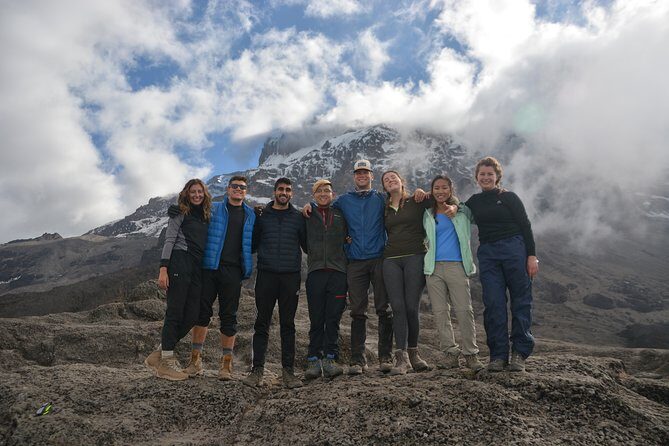
Day 1 begins with breakfast in Moshi, then a drive to Nalemoru Gate. The whole idea of this day is to let your legs start moving without frying you right away.
You’ll walk gradually through the rain forest. That’s not just a pleasant introduction. Forest hiking at lower altitude tends to be more forgiving on breathing than the later stretches, so it’s your first chance to find a sustainable stride and to practice the “slow and steady” habit your guide will likely keep reminding you about.
The itinerary also points to a wildlife possibility on this early section—things like zebras, elephants, buffalo, and monkeys. Wildlife sightings aren’t guaranteed, but the chance is part of the charm: you’re not only chasing altitude, you’re also moving through a living ecosystem.
What to watch for: rainforest days can be humid and slippery. If you’re prone to blisters, this is the time to keep your socks and footwear tight and consistent, because mistakes early don’t stay early—they show up again later.
Days 2 and 3: Moorland to Kikelelwa with Kibo Ice-Field Views
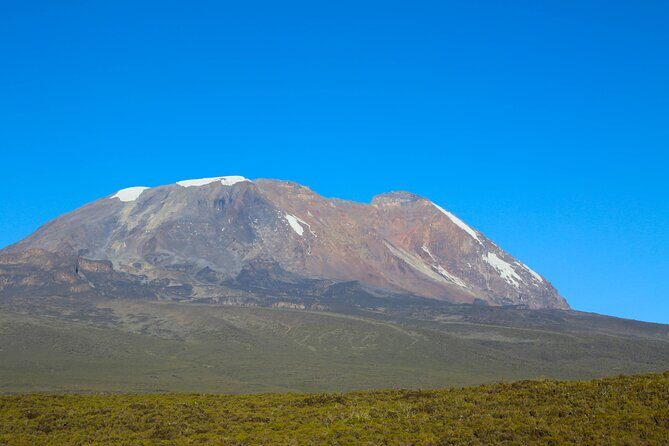
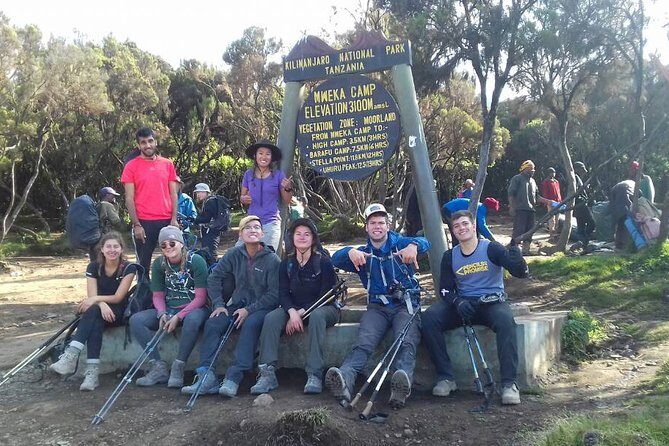
Day 2 continues the climb into the moorland zone and lands you for the night at 2nd Cave Camp (3450 m). The big highlight here is visual: you’ll have good views of Kibo and the eastern ice fields on the crater rim.
That matters because it turns a climb into a journey with landmarks. When you can see the mountain you’re working toward, it’s easier to measure progress, and it also helps you stay calm during the long stretches where your brain wants to rush.
Day 2 takes about 4 hours, so it’s not a sprint. The goal is altitude adaptation, not speed. Your body still needs time to adjust.
Day 3 pushes from moorland toward the jagged peaks area of Mawenzi (listed at 5140 m). You’ll reach Kikelelwa for lunch and overnight. This day is about momentum plus another strong viewing window—again focusing on the eastern ice field views from the crater rims of Kibo.
If you like photos, these days are where you’ll feel rewarded. If you don’t, you still benefit from the mental boost. Views reduce the feeling that you’re walking into a blank wall.
Potential drawback: these days can feel “long” even when the scheduled hours aren’t huge, because you’re walking at higher altitude than Day 1. Treat discomfort as feedback, not a challenge.
Day 4: The Steep, Short Climb to Mawenzi Tan Hut
Day 4 is described as a short day with a steep climb up grassy slopes. It’s the kind of day that sounds contradictory—short, steep—and that’s exactly why it can be psychologically tricky. You’ll work hard for a shorter time, and then you get the reward: stunning all-round views and a sense of true wilderness.
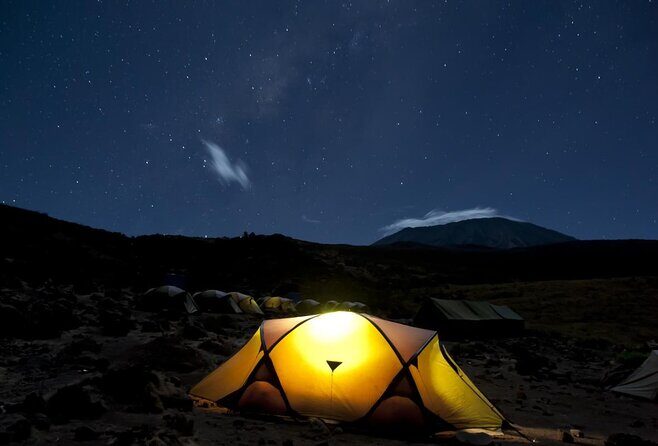
You’ll sleep at Mawenzi Tan Hut (4330 m). The camp location is specifically described as a cirque directly beneath the towering spires of Mawenzi. Even if you’re tired, that detail matters. A camp with strong scenery makes it easier to rest well, and good rest is part of acclimatization.
The afternoon is free time. You can use it to rest or explore nearby areas as an aid to acclimatization. This is your buffer day: you’re not only climbing, you’re learning how to recover.
My practical tip: in free time, don’t overdo it. Exploration is fine, but keep it calm. You’re preparing your body for a long night later.
Day 5: The Saddle Crossing to Kibo Hut and Waiting for Midnight
Day 5 moves you across the saddle between Kibo and Mawenzi to reach Kibo Hut. The route here is described as the lunar desert of the saddle, which is a good way to think about the change in scenery and feel—less rainforest and greenery, more open, exposed walking.
You’ll spend the afternoon at Kibo for lunch and resting while waiting for the final ascent to the summit at midnight. This is one of those days where the schedule is doing you a favor. You’re not just “killing time.” You’re saving energy for a very demanding climb.
Also, this is the stage where you’ll want to be extra careful with sleep, water, and warm layers. You can’t control the mountain’s altitude, but you can control whether you arrive at midnight feeling ready or sluggish.
If you get anxious about summit night, Day 5 is where you get grounded. You’re close enough to feel it, but not so close that you’re already in the brutal hours.
Day 6: Summit Night to Gilmans Point and Uhuru Peak at 5895 m
Day 6 is the big event. It starts climbing around 00:00 and is considered the steepest and most demanding part. Your guide sets a standard pace, and the emphasis is on going slowly—because on Kilimanjaro, slow isn’t weakness. It’s strategy.
In the darkness, it takes about 5 hours to reach the crater rim at Gilmans Point (5685 m). You’ll have a short rest with a cup of tea, then watch the sunrise over Mawenzi. That tea moment is small, but it’s the kind of morale tool that helps people push through the last stretch without panicking.
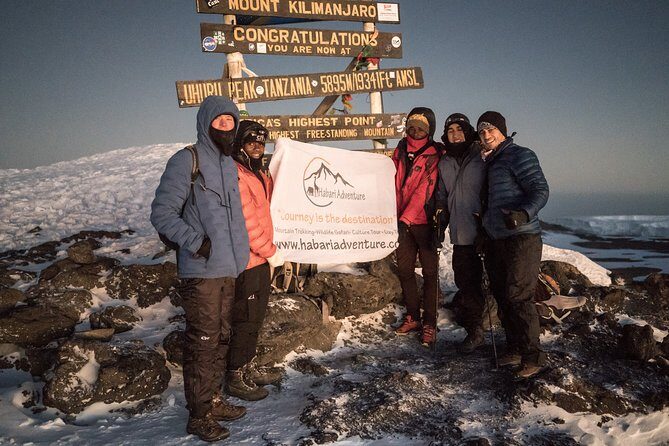
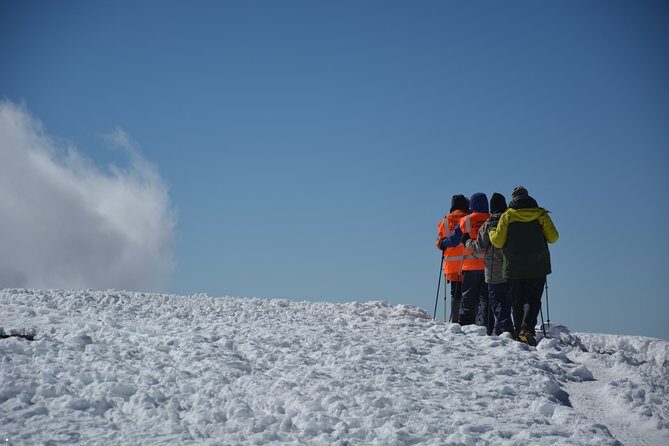
After that, you continue for almost 1 hour to Uhuru Peak (5895 m). You’ll pass close to glacier and ice features that still occupy much of the summit area, so it’s not just a viewpoint. It’s a rare, physical reminder of why this summit feels like a real “roof of Africa” goal.
Once photos are done, you descend. You’ll walk down to Kibo Hut for a short rest and hot lunch, then continue descending to Horombo Hut for the night (3700 m).
What to watch for: summit night demands mental discipline more than raw speed. If you’re trying to “prove” something by going too fast, you’ll likely pay for it. The plan is built around slow pacing for a reason.
Also, the scheduled total time for Day 6 is listed as 15 hours. Even if your personal pace differs, plan for a very long day. Bring your patience.
Day 7: Descent Through Heath, Moorland, Mandara Hut, and Rain Forest Certificates
Day 7 is about getting down safely and finishing with a proper sense of accomplishment.
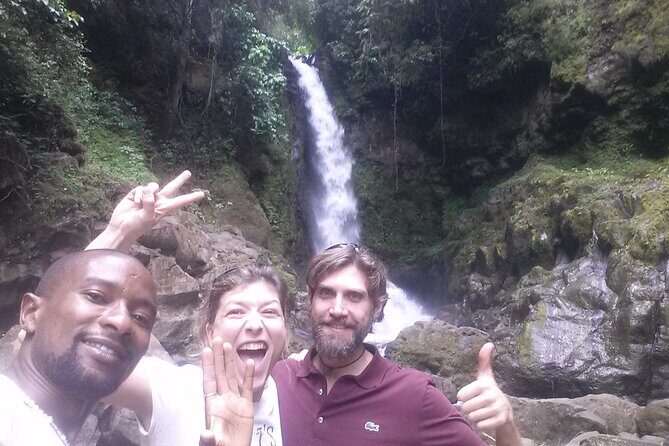
You’ll pass through heath and moorland zones to Mandara Hut (2700 m) for a hot lunch. Then you continue descending through tropical rain forest up to the Kilimanjaro National Park Gate.
At the gate, you collect your certificates, and after completing park formalities, the car is ready to take you back to your hotel in Moshi. The description includes warm shower time—honestly, that’s not fluff. After summit night and the long descent, a warm shower is your body saying thank you.
This day is also where you’ll feel the difference between being “done” and being “safely finished.” Even if you feel proud, stay careful on the downhill. Knees and feet take a beating when you’ve been climbing for days.
Price and Value: What $2,840.39 Can Mean for Your Chances
At $2,840.39 per person for a 7-day Rongai route, this is not a budget option. The question is: what are you buying for that cost?
From the details you’re given, you’re paying for a guided climb that includes:
- Local guides with geography and safety/first aid training
- Admission ticket(s) included (listed as included each day in the schedule)
- Pickup offered and a start set for 8:00 am
- A maximum of 15 travelers, which usually improves control and personal support
You’re also buying reduced decision fatigue. Kilimanjaro logistics are not something you want to improvise mid-trip. When a team has trained guides and a tight group size, it reduces uncertainty—especially around pacing and safety.
Is it expensive? Yes. Does it feel like value for the risk and effort? For many people, it does. If you already have experience and all your own systems, the price can still be justified by the included park entry and the quality of guided support. If you’re on a tight budget, compare to other operators—but don’t cut corners on safety and planning.
Who Should Choose This Rongai Climb (and Who Should Rethink It)
This climb asks for moderate physical fitness. That doesn’t mean it’s easy. It means the plan is designed for people who can handle sustained hiking while taking altitude seriously.
Pick this tour if you:
- Want a guided experience with local knowledge and safety/first aid training
- Prefer a small group (up to 15) over a larger crowd
- Like structured acclimatization steps, with time at camps and a free afternoon on Day 4
- Want a clear summit plan with a midnight start and a sunrise stop at Gilmans Point
Rethink it if you:
- Know you struggle with long nights, steep climbs, or very long walking days
- Don’t want the commitment of a 15-hour summit day (Day 6 is listed as such)
Also, weather matters. The experience is described as requiring good weather, so if you’re the kind of traveler who hates uncertainty, plan for possible date changes if conditions aren’t right.
Should You Book This Rongai Route with Habari Adventure?
I’d book it if your top priorities are safety-minded local guiding, a small group atmosphere, and a route plan that builds in acclimatization while still getting you to the top.
Two reasons to feel confident: the emphasis on trained local guides and the fact that the schedule includes strong, specific milestones (Kibo ice-field views early, acclimatization time on Day 4, and a structured summit climb with a tea-and-sunrise pause). Those aren’t vague promises. They’re concrete parts of the day-to-day.
The one caution is realistic: summit night is steep, demanding, and long. If you’re unsure, talk to the operator about your fitness, and be honest about your hiking history before you commit.
FAQ
FAQ
What route is this, and how long is it?
This is the Kilimanjaro Rongai Route, and it’s listed as about 7 days.
Where does the trek start?
You start in the Moshi area, then drive to Nalemoru Gate. The meeting point is listed as Kilimanjaro Airport / Kilimanjaro National Park Tanzania, with a start time of 8:00 am.
Is pickup included?
Pickup is offered.
How big is the group?
The maximum number of travelers is 15.
Are park admission tickets included?
Admission tickets are marked as included on the days listed in the schedule.
What is the summit timing like?
The final summit climb starts around 00:00, with a first crater-rim stop at Gilmans Point, then continuing on to Uhuru Peak.
What kind of fitness level do I need?
The information states that travelers should have a moderate physical fitness level.
Are the guides trained in safety?
Yes. The guides are local and are trained in safety and first aid.
What if the weather isn’t good?
The experience requires good weather. If it’s canceled due to poor weather, you’ll be offered a different date or a full refund.
Is a mobile ticket provided?
Yes, a mobile ticket is listed as included.