REVIEW · ARUSHA
5 Days Marangu Route Kilimanjaro Trekking
Book on Viator →Operated by Mafie Adventures · Bookable on Viator
Rainforest hiking, then a summit at night. On the Marangu Route (often called the Tourist Route), you get the classic Kilimanjaro experience with built-in comfort: you sleep in huts instead of living out of a tent from day one. That means fewer gear headaches and more focus on the trail, the views, and staying warm when the mountain gets serious.
I also like the way this plan is timed for a real summit attempt, starting the final ascent around midnight and pushing up through key high points before reaching Uhuru Peak (5895m). The trade-off: Day 4 is a long, tough day (listed as 12–15 hours), so you’ll want to be honest about your fitness and altitude comfort before you commit.
Quick hits before you go
- Hut sleeping on the Marangu Route makes this trek easier to manage logistically
- Midnight summit push targets sunrise timing at Gillman’s Point (5681m)
- Meal support every day with warm food at key stops (and early nights when it matters)
- Porterage and cooking equipment included, so you’re not carrying the whole operation
- Private tour setup means it’s just your group, not a mixed crowd with different paces
In This Review
- Marangu Route: the hut-based Kilimanjaro that’s popular for a reason
- The 5-day schedule: why the timing matters more than the distance
- Day 1: Moshi to Marangu Gate, rainforest to Mandara Hut (8.3km)
- Day 2: Mandara to Horombo Hut (12.5km, about 9 hours)
- Day 3: Last Water point, the saddle, then Kibo Hut (9.5km, about 7 hours)
- Day 4: Midnight ascent, Hans Meyer Cave, Gillman’s Point, Uhuru Peak (5895m)
- Day 5: Down through Mandara Hut to the gate, plus Moshi shower time
- Price ($1,800.16): does it feel fair for what you’re getting?
- Included logistics: pickup, mobile ticket, and private tour energy
- Huts, food, and the comfort style of Marangu
- Guides, safety, and how the team handles real-life changes
- What you should pack and what you’ll rent
- Who this Marangu trek is best for (and who should think twice)
- Should you book this 5-day Marangu trek with Mafie Adventures?
- FAQ
- Where does the trek start and where do we end?
- What time does the tour start?
- What is included in the $1,800.16 per person price?
- Do I need to bring a sleeping bag and climbing gear?
- Are meals included during the trek?
- If I cancel, can I get a refund?
Marangu Route: the hut-based Kilimanjaro that’s popular for a reason
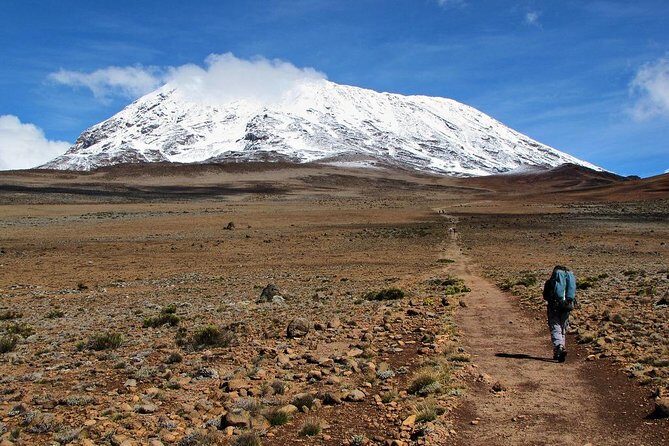
The Marangu Route is the one most people picture when they think Kilimanjaro: a well-used trail, hut stops at key elevations, and a rhythm that feels almost like a guided “route” rather than an expedition you have to fully self-manage. It’s also nicknamed the Coca-Cola Route because the hut system makes it easier to sell drinks along the way—basically convenience baked into the trail design.
What I like about that is simple: on a mountain this steep and this high, you want your energy spent on walking, not troubleshooting camp life. Here, you’re getting the practical backbone—sleeping huts, meals, cooking setup, and porter support—so you can concentrate on acclimatizing and moving at a steady pace.
There’s a trade-off, though. Because Marangu is popular, you can feel more of a “crowd trail” vibe than on quieter routes. Still, the biggest decision is whether hut sleeping and structured meals fit your style better than tent camping.
The 5-day schedule: why the timing matters more than the distance
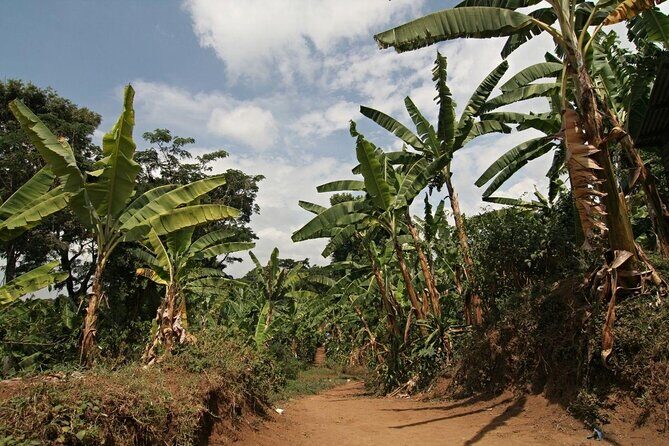
This trek is listed as about 5 days, with each day moving you through rainforest, moorland, and high alpine zones. The distances range from roughly 8.3km on Day 1 to 22km on the “big day” (Day 4), and the time on your feet swings too—some days are a steady hike, others are long and draining.
On Kilimanjaro, the hard part isn’t just distance. It’s the altitude and the repeated effort of climbing, sleeping, and then climbing again while you’re already running a little “uphill-limited” by your body’s oxygen supply. That’s why the schedule includes a key stop at Horombo Hut (3700m) and then a stage to Kibo Hut before the summit night.
If you like clear structure, this itinerary gives it to you. If you hate early mornings and long days, Day 4 will feel like a reality check.
You can also read our reviews of more hiking tours in Arusha
Day 1: Moshi to Marangu Gate, rainforest to Mandara Hut (8.3km)
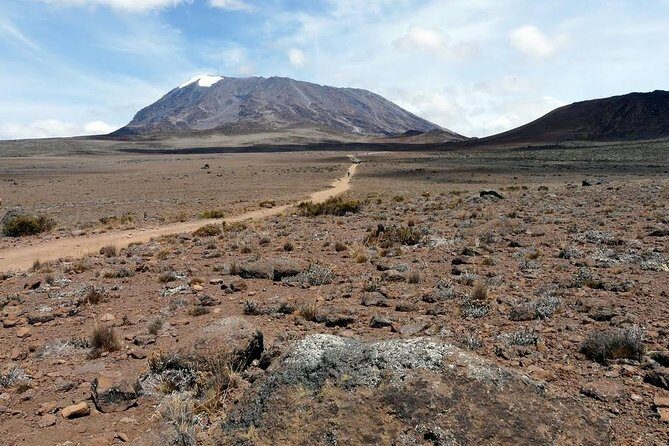
Your trek begins with a pickup from your lodge in Moshi, then paperwork and entry at the Marangu gate. From there, you hike through dense rainforest, and the day’s walking time is listed around 5 hours for about 8.3km.
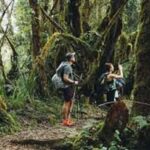
This first day is about getting your legs working and your body switching into “mountain mode.” Along the way, you can expect serious vegetation and a chance to spot wildlife—there’s mention of primates during the rainforest section, which is one of those moments that keeps you looking up instead of only down at your boots.
At the end of the day, you reach Mandara Hut for a rest. Afterward, your guide can take you to Maundi Crater for views over the Kenyan interior. That crater-view moment is a great way to anchor the day: not just walking, but seeing the region opening up.
Practical note: Day 1 isn’t described as the hardest day, but you’ll still want to hydrate and keep your pace smooth. The point is to arrive at Mandara Hut feeling like you’re ready to recover, not wrecked.
Day 2: Mandara to Horombo Hut (12.5km, about 9 hours)
Day 2 starts with an early breakfast, then you leave Mandara Hut. The trail climbs from the rainforest into the timberline, then transitions to the heath and moor zone—which usually feels cooler and more exposed, even if you’re not thinking about it yet.
You’re looking at about 12.5km and roughly 9 hours on the schedule. Around 4–6 hours after leaving Mandara Hut, Horombo Hut comes into view at 3700m.
This is also a major view day. From Horombo Hut, you get the kind of Kilimanjaro “three-part picture” people want: views toward Mawenzi and Kibo, plus the wide plain of the Masai steppe. Even if clouds roll in, the hut area is a natural place to pause and scan the horizon.
The value here: this stop is a built-in acclimatization checkpoint. You’re not just pushing upward every single hour; you’re stepping into a higher zone and giving your body time to adapt.
Day 3: Last Water point, the saddle, then Kibo Hut (9.5km, about 7 hours)
Day 3 is described as a long and tough stage, and the itinerary details why. The trail is described as well-built, and you pass the Last Water point, then continue toward the saddle—a plateau that links the main summit area of Kibo with Mawenzi.
You’re hiking about 9.5km for roughly 7 hours, which sounds manageable until you remember that you’re already at serious altitude. The “nearly vegetation-less plateau” is one of those changes that can make the day feel harsher, because there’s less shade and fewer natural cues to tell you you’re still on a “comfortable” hike.
Your destination is Kibo Hut, usually reached in about 5–6 hours once you start settling into the final approach of the stage. The plan calls for an early evening meal and an early night, and it’s not just bedtime advice. This is setting you up for the short, intense summit window that comes next.
Why this matters: Day 3 is where you either feel steady and prepared, or you start banking frustration. Eat well, rest hard, and don’t negotiate with the cold—just plan for it.
Day 4: Midnight ascent, Hans Meyer Cave, Gillman’s Point, Uhuru Peak (5895m)
Day 4 is the summit day, listed as 12–15 hours, with the key move happening around midnight. You’re starting in darkness, climbing slowly but consistently, and passing Hans Meyer Cave at 5220m along the way.
The itinerary then guides you through the sunrise landmark: at Gillman’s Point (5681m), you reach the crater rim of Kilimanjaro and start seeing the light and warmth gradually working its way across the mountain. From there, the plan says it takes about 1–2 additional hours to reach Uhuru Peak (5895m).
Then comes the descent sequence. After summiting, you return to Kibo Hut for a warm meal, followed by a 1–2 hour break before hiking down to Horombo Hut.
This is where the Marangu Route’s hut setup really pays off. You’re not trying to recover on the bare slope with no structure. You’re coming back to a place with food and shelter, which can be the difference between feeling human again and feeling permanently wrung out.
Reality check (the one you should respect): a midnight start means you’ll be moving with limited visibility and a body that’s been climbing since earlier days. Keep your pace controlled, listen to your guide, and aim for steady steps rather than heroic speed.
A few more Arusha tours and experiences worth a look
Day 5: Down through Mandara Hut to the gate, plus Moshi shower time
Your last day is about transition and recovery. You pass back through the heath and moor zone to Mandara Hut (2700m), where a warm lunch awaits you. Then the itinerary brings you into tropical rainforest again, which tends to make the descent feel faster and more forgiving than the high-alpine zones.
You’re hiking about 6 hours total before reaching Kilimanjaro National Park Gate (1860m). After saying goodbye to your mountain guides, you get a short transfer back to Moshi, where you can take a warm and relaxing shower and celebrate getting to the summit.
That shower detail is not small. After days of cold air, exertion, and limited comfort, a real warm rinse is the kind of reward your body understands immediately.
Price ($1,800.16): does it feel fair for what you’re getting?
At $1,800.16 per person, this trek isn’t cheap—but the included parts help explain where the money goes. You’re paying for the operational backbone, not just a guide walking beside you.
Here’s what’s included:
- Camping equipment (tents, mess tent, mattress, and cooking equipment)
- Porterage and a professional driver/guide
- All accommodation on the route
- Meals: 4 breakfasts, 5 lunches, and 4 dinners
- Rescue fees, parking fees, and all taxes/VAT
What’s not included:
- Climbing gear (rent available)
- A sleeping bag (rent available)
- Any accommodation before and at the end of the tour
- Personal items, visa fees, travel insurance, and tips
- Bath towels
- Any government-imposed increase in taxes/park fees
So is it good value? For me, it’s strong if you’re the kind of traveler who doesn’t want to shop for gear like a part-time mountaineer. By covering porter support, meals, and the operational setup, you reduce the most common “hidden costs” of getting this kind of trip done smoothly.
If you already own all the climbing gear and sleeping bag, you may feel less impressed by the price. But if you’re starting from scratch, the package structure can make it simpler to plan.
Included logistics: pickup, mobile ticket, and private tour energy
You’ll get a pickup offered and the trek includes mobile ticket access, which is one less headache when you’re coordinating pre-dawn travel. The tour is also listed as private, meaning only your group participates, not a random mix of strangers.
That matters because pacing on Kilimanjaro isn’t one-size-fits-all. Even on a structured route like Marangu, people vary in how they handle altitude, fatigue, and cold. A private setup can help keep the experience focused rather than chaotic.
Also, the schedule includes a very early start time (1:30am). Expect this to be an early-day logistics moment more than a “sleep in and stroll to the gate” experience.
Huts, food, and the comfort style of Marangu
Marangu is popular for a reason: you sleep in huts along the way instead of carrying a full tent setup. And while tents may sound like they shouldn’t matter, the included gear list includes tents and a mess tent, which makes sense for cooking and shared meal space even when sleeping is hut-based.
Food is built into the flow:
- Breakfast on the trip days
- Lunch most days, including warm lunch at Mandara Hut on Day 5
- Dinner and early meals at key points
On the summit day, the plan specifically calls out a warm meal at Kibo Hut after Uhuru Peak. That is exactly the kind of comfort detail your body will thank you for after hours of cold climbing.
I also like that the itinerary includes recovery time. Day 3 ends with an early night, and Day 4 includes a post-summit break before the long descent to Horombo Hut.
Guides, safety, and how the team handles real-life changes
From what’s been shared about the operator, the standout trait is responsiveness and organization—especially when plans shift at the last minute. One solo climber described a guide named Walter as patient and focused on making them comfortable. Another family-focused experience highlighted the team as attentive, with food and planning adapted throughout the trek.
That tracks with what you actually want on Kilimanjaro: calm guidance, not stress. When you’re moving through very high elevations, small decisions—like pacing and how you handle cold—can shape your whole day.
Also, porterage is included, and that’s a real safety and comfort factor. Less weight on your body can make it easier to keep a steady rhythm during altitude-sensitive sections.
What you should pack and what you’ll rent
The basics you’ll need depend on what you already own, but the tour data is clear on what’s missing.
Plan to handle:
- Climbing gear (rent available)
- A sleeping bag (rent available)
You should also bring personal items like layers, gloves, and essentials suited to a summit-night climb. The itinerary explicitly mentions the cold at night and the warmth you’ll feel after sunrise, so treat clothing as part of the strategy, not an afterthought.
Two other small-but-important notes:
- Bath towels are not included
- Tips are not included
If you hate last-minute shopping, rent planning early is the easiest move.
Who this Marangu trek is best for (and who should think twice)
This trek fits best if you want:
- Hut sleeping instead of tent camping
- A structured itinerary with meals and warm breaks
- A classic route with big summit focus over 5 days
It’s also a good option for groups that value organization—private tour setup and porter support make it easier to manage different energy levels.
Who should think twice?
- If you know you struggle with long, exhausting days, Day 4 (12–15 hours) may be more than you want.
- If you’re set on lightweight self-supported trekking, the hut-and-ported model may feel too “managed.” But on Kilimanjaro, that can also be a positive.
Should you book this 5-day Marangu trek with Mafie Adventures?
If you want a high-success-feeling Kilimanjaro plan that keeps you in huts, feeds you consistently, and handles the heavy logistics (porterage, cooking setup, accommodation on-route), this package makes a lot of sense. The itinerary is built around key altitude stops, and the summit plan includes a clear sequence from midnight ascent to Gillman’s Point and Uhuru Peak.
I’d book it if:
- You’re okay with a very early start and a long summit day
- You value warm meals, structured huts, and a private group pace
- You want to avoid the gear chaos of self-arranging the full operation
I’d pause if:
- You’re not confident you can manage a long, cold summit day (and the next descent day)
- You’re counting on being able to change plans late—this experience is non-refundable and can’t be amended once booked.
FAQ
Where does the trek start and where do we end?
The activity is based around Arusha, and it ends back at the meeting point. In the trek details, you’re collected from your lodge in Moshi on Day 1, and after the final descent you transfer back to your hotel in Moshi.
What time does the tour start?
The listed start time is 1:30am, so expect an early pre-trek day.
What is included in the $1,800.16 per person price?
Included items are camping equipment (tents, mess tent, mattress, cooking equipment), parking fees, rescue fees, all taxes/VAT, all accommodation, a professional driver/guide, porterage, and meals (4 breakfasts, 5 lunches, 4 dinners).
Do I need to bring a sleeping bag and climbing gear?
Climbing gear and a sleeping bag are not included. The data says both are available for rent.
Are meals included during the trek?
Yes. The itinerary includes breakfast, lunch, and dinner across the days: 4 breakfasts, 5 lunches, and 4 dinners.
If I cancel, can I get a refund?
No. The experience is non-refundable and cannot be changed for any reason. If you cancel or request an amendment, the amount paid will not be refunded.